Is It Solitude or Loneliness?: 4 Questions to Help You Tell

Author : Dr. Ellen Hendriksen

Everyone needs some space from time to time. But certain forms of seclusion can become unhealthy: There’s a big difference between rejuvenating solitude and loneliness or fear-driven avoidance.

How can you tell if your seclusion is problematic? Ask yourself these four questions:

1. Does your stomach drop when the phone rings? Does your heart race when you are invited to a party?

In other words, how does your body react to the possibility of social interaction?

When someone wants your company or attention, note your reaction: If you feel dread, resistance, or physical symptoms like a racing heart, shallow breathing, or a churning stomach, you may be experiencing social anxiety.

This avoidance is different from the occasional intentional decision to let a call go to voicemail because you are busy with something else, or simply choosing not to use the phone for a while.

Related: The Power of Solitude: How To Get In Touch With Your Inner Quiet

2. How do you feel when you’re alone?
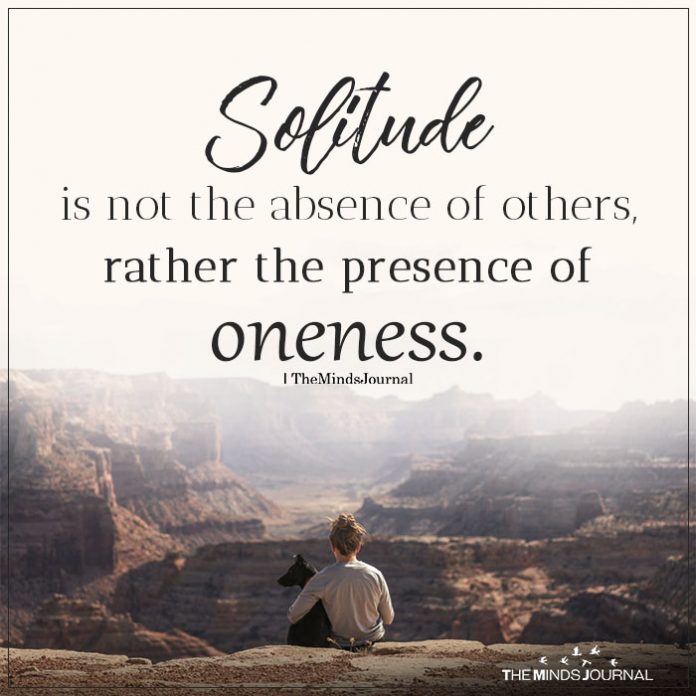
solitude and loneliness

If the answer is rejuvenated, energized, or otherwise positive, then keep being your introverted self. However, if the answer is relieved (“I won’t have to figure out what to say!”; “I don’t have to feel awkward at that party!”; or, “Phew, I can be by myself”), you should think more about your reaction.

Relief in moderation is normal, but constantly seeking solitude can indicate avoidance, which hurts you in two ways: It keeps you from learning to be confident and from realizing that your worst-case scenario fears probably won’t happen.

3. Can you be yourself around others?

If you feel you can’t, what do you think would happen if others saw the real you?

If the answer is something negative, then you may be performing for employers, friends, or a spouse who aren’t the right match for you, and a change may be in order.

Or if you think the real you isn’t safe to share with the world—perhaps because you feel broken, unlovable, or worthless—it may be time to find a qualified therapist you can talk to whom can trust.
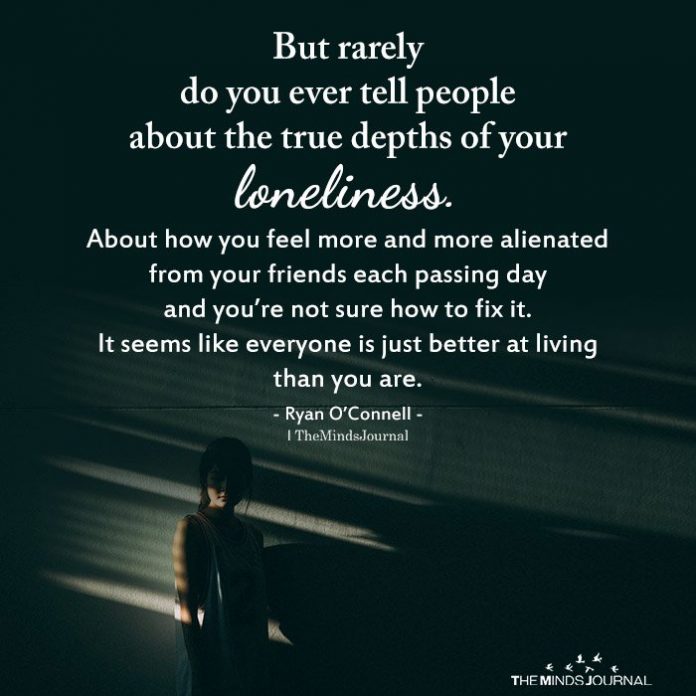
Solitude

4. Most important, does time spent alone keep you from living a happy, fulfilled life? 

Your solitude may be problematic if you crave isolation as an escape from the world. But if time on your own helps you to be happy because you are recharging, immersed in a solitary project, or just enjoying your own company, close that door and do your thing.

Depending on the individual and the circumstances, time spent alone can either be exhilarating or exhausting – and, that’s what is the difference between solitude and loneliness.

Related: Loneliness: Surprising Ways It Impacts Our Health and Wellbeing

As expressed by the great theologian Paul Tillich: “Language … has created the word ‘loneliness’ to express the pain of being alone. And it has created the word ‘solitude’ to express the glory of being alone.”

With practice and some guts, you can experience the glory.

Enjoyed this piece on difference between solitude and loneliness?

Learn more about how to overcome social anxiety and be your true self at EllenHendriksen.com.

References

1.American Psychiatric Association. (2013). Diagnostic and statistical manual of mental disorders (5th ed.). Arlington, VA: American Psychiatric Publishing.

2. Samuels, J., Eaton, W. W., Joseph Bienvenu, O., Brown, C. H., Costa Jr, P. T., & Nestadt, G. (2002). Prevalence and correlates of personality disorders in a community sample. British Journal of Psychiatry, 180, 536-542. 


Written by: Ellen Hendriksen
Originally appeared on: Psychology Today
Click here for Ellen Hendriksen’s new book – How to Be Yourself: Quiet Your Inner Critic and Rise Above Social Anxiety.
Twitter: @EllenHendriksen
Instagram: Ellen_Hendriksen
Insight Timer: https://insighttimer.com/ellenhendriksen

Solitude Loneliness Questions to Help Pin

Published On:

Last updated on:

Dr. Ellen Hendriksen

DR. ELLEN HENDRIKSEN is a clinical psychologist who helps millions calm their anxiety and be their authentic selves. She serves on the faculty at Boston University’s Center for Anxiety and Related Disorders (CARD) and is the author of HOW TO BE YOURSELF: Quiet Your Inner Critic and Rise Above Social Anxiety. Her scientifically-based, zero-judgment approach has been featured in New York Magazine, The Guardian, Harvard Business Review, Scientific American, O: The Oprah Magazine, Real Simple, Business Insider, Psychology Today, Tonic, Quiet Revolution, and many other media outlets.

Disclaimer: The informational content on The Minds Journal have been created and reviewed by qualified mental health professionals. They are intended solely for educational and self-awareness purposes and should not be used as a substitute for professional medical advice, diagnosis, or treatment. If you are experiencing emotional distress or have concerns about your mental health, please seek help from a licensed mental health professional or healthcare provider.

Leave a Comment

Today's Horoscope

Daily Horoscope 24 April, 2026

Daily Horoscope 24 April, 2026: Prediction For Each Zodiac Sign

Let’s see what today looks like for you based on your zodiac horoscope for 24th April!

Latest Quizzes

Optical Illusion Personality Test: Are You Romantic or Creative?

Optical Illusion Personality Test: Are You More of a Romantic or Creative?

It’s quick, it’s fun, and you might be surprised by what your mind reveals.

Latest Quotes

Human Psychology Facts: How These Cognitive Biases Quietly Shape Your Life

Human Psychology Facts: How These Cognitive Biases Quietly Shape Your Life

Human psychology facts show how your brain quietly edits reality. From the Pratfall Effect to the Halo Effect, these cognitive biases influence who you like, what you notice, and how confident you feel.

Readers Blog

Caption This Image and Selected Wisepicks – 19 April 2026

Caption This Image and Selected Wisepicks – 19 April 2026

Ready to unleash your inner wordsmith? ✨??☺️ Now’s your chance to show off your wit, charm, or sheer genius in just one line! Whether it’s laugh-out-loud funny or surprisingly deep, we want to hear it.Submit your funniest, wittiest, or most thought-provoking caption in the comments. We’ll pick 15+ winners to be featured on our website…

Latest Articles

Everyone needs some space from time to time. But certain forms of seclusion can become unhealthy: There’s a big difference between rejuvenating solitude and loneliness or fear-driven avoidance.

How can you tell if your seclusion is problematic? Ask yourself these four questions:

1. Does your stomach drop when the phone rings? Does your heart race when you are invited to a party?

In other words, how does your body react to the possibility of social interaction?

When someone wants your company or attention, note your reaction: If you feel dread, resistance, or physical symptoms like a racing heart, shallow breathing, or a churning stomach, you may be experiencing social anxiety.

This avoidance is different from the occasional intentional decision to let a call go to voicemail because you are busy with something else, or simply choosing not to use the phone for a while.

Related: The Power of Solitude: How To Get In Touch With Your Inner Quiet

2. How do you feel when you’re alone?

solitude and loneliness

If the answer is rejuvenated, energized, or otherwise positive, then keep being your introverted self. However, if the answer is relieved (“I won’t have to figure out what to say!”; “I don’t have to feel awkward at that party!”; or, “Phew, I can be by myself”), you should think more about your reaction.

Relief in moderation is normal, but constantly seeking solitude can indicate avoidance, which hurts you in two ways: It keeps you from learning to be confident and from realizing that your worst-case scenario fears probably won’t happen.

3. Can you be yourself around others?

If you feel you can’t, what do you think would happen if others saw the real you?

If the answer is something negative, then you may be performing for employers, friends, or a spouse who aren’t the right match for you, and a change may be in order.

Or if you think the real you isn’t safe to share with the world—perhaps because you feel broken, unlovable, or worthless—it may be time to find a qualified therapist you can talk to whom can trust.

Solitude

4. Most important, does time spent alone keep you from living a happy, fulfilled life? 

Your solitude may be problematic if you crave isolation as an escape from the world. But if time on your own helps you to be happy because you are recharging, immersed in a solitary project, or just enjoying your own company, close that door and do your thing.

Depending on the individual and the circumstances, time spent alone can either be exhilarating or exhausting – and, that’s what is the difference between solitude and loneliness.

Related: Loneliness: Surprising Ways It Impacts Our Health and Wellbeing

As expressed by the great theologian Paul Tillich: “Language … has created the word ‘loneliness’ to express the pain of being alone. And it has created the word ‘solitude’ to express the glory of being alone.”

With practice and some guts, you can experience the glory.

Enjoyed this piece on difference between solitude and loneliness?

Learn more about how to overcome social anxiety and be your true self at EllenHendriksen.com.

References

1.American Psychiatric Association. (2013). Diagnostic and statistical manual of mental disorders (5th ed.). Arlington, VA: American Psychiatric Publishing.

2. Samuels, J., Eaton, W. W., Joseph Bienvenu, O., Brown, C. H., Costa Jr, P. T., & Nestadt, G. (2002). Prevalence and correlates of personality disorders in a community sample. British Journal of Psychiatry, 180, 536-542. 


Written by: Ellen Hendriksen
Originally appeared on: Psychology Today
Click here for Ellen Hendriksen’s new book – How to Be Yourself: Quiet Your Inner Critic and Rise Above Social Anxiety.
Twitter: @EllenHendriksen
Instagram: Ellen_Hendriksen
Insight Timer: https://insighttimer.com/ellenhendriksen

Solitude Loneliness Questions to Help Pin

Published On:

Last updated on:

Dr. Ellen Hendriksen

DR. ELLEN HENDRIKSEN is a clinical psychologist who helps millions calm their anxiety and be their authentic selves. She serves on the faculty at Boston University’s Center for Anxiety and Related Disorders (CARD) and is the author of HOW TO BE YOURSELF: Quiet Your Inner Critic and Rise Above Social Anxiety. Her scientifically-based, zero-judgment approach has been featured in New York Magazine, The Guardian, Harvard Business Review, Scientific American, O: The Oprah Magazine, Real Simple, Business Insider, Psychology Today, Tonic, Quiet Revolution, and many other media outlets.

Leave a Comment

    Leave a Comment