Am I Stressed or Anxious? How to Recognize the Difference and Cope

Author : Leah Marone LCSW

Most people tend to confuse stress with anxiety and vice versa. But the truth is, these two are not the same things, and in order to understand this better, itโ€™s important to understand their distinctions.

Key Points:

Stress and anxiety can have similar symptoms, but there are several differences to be aware of.
Increasing you self-awareness and understanding your behavioral patterns can help reduce symptoms of stress and anxiety.
Understanding strategies for stress and anxiety allows proactive rather than reactive responses.

I am often asked, โ€œWhat is the difference between stress and anxiety?โ€ Symptoms can look very similar between the two, but there are several distinctions.

Stress is a common experience that occurs when the tasks at hand are perceived to be more than we can handle. Anxiety is more intense and occurs when stress is not acknowledged or appropriately managed.

Stress

Stress is triggered by external stimuli that can generally be identified. For example, if you are assigned a huge project that needs to be completed by tomorrow, or if you were recently fired and had overdue bills to pay, or perhaps you have to navigate your way through a global pandemic.

When demands appear to be too high, we tend to feel stressed and overwhelmed. Most of us juggle several roles throughout the day and sigh as our to-do lists lengthen right before our eyes. We tend to multitask and believe that we are helping ourselves when, in reality, only creating more stress.

Related: 5 Effective Steps To Stop Feeling Overwhelmed By Life

Symptoms of stress

  • Increases irritability
  • Disrupts sleep patterns
  • Decreases energy levels
  • Changes breath and heart rate
  • Headaches
  • Altersย appetiteย or triggers cravings
  • Feel overwhelmed or a sense of urgency

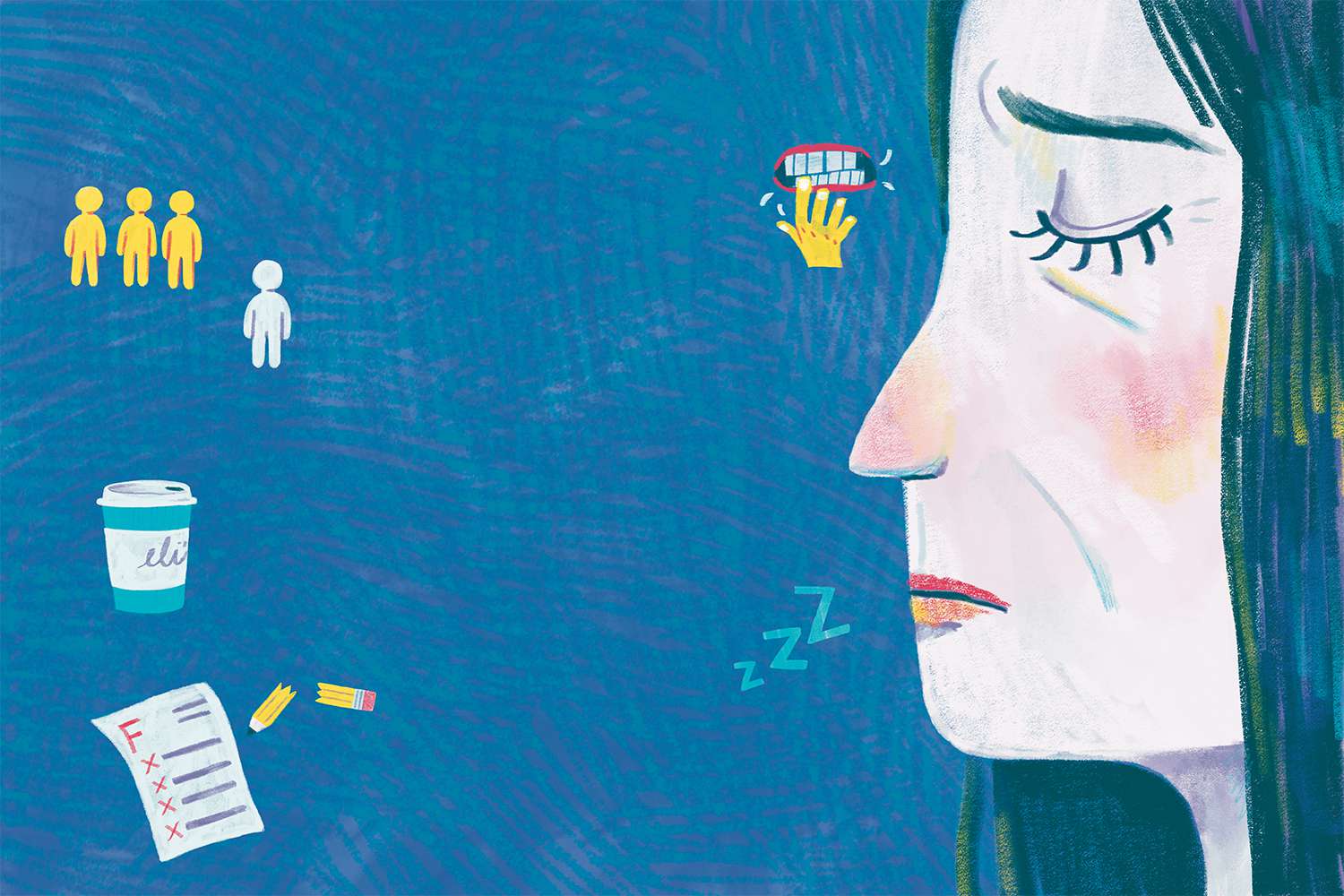
Stress is not typically viewed as a pleasant experience, but the changes that take place in your body are, in fact, supposed to occur. The symptoms of stress are basically your bodyโ€™s built-in activation system designed to warn or protect you.

Thankfully in this day in age, we are not constantly confronted by predators and need to run for our lives. Like the changes in our breath, temperature, or heart rate, the sensations that we feel are the same as those that our ancestors felt when confronted with danger.

Nowadays, we create or fabricate most of our stress. Thoughts and doubts generate the emotions that we generally categorize as negative or unpleasant.
stress

Anxiety

Anxiety is an internal reaction that occurs when stress is not recognized and addressed. Unlike stress, anxiety tends to linger even after the concern has passed. Simply put, stress is like a cold, whereas anxiety is like allergies.

Both can have similar symptoms, but after you fight off a cold, you are symptom-free. Allergies, on the other hand, are something that needs to be consistently monitored. At times, they are quite manageable but can suddenly be triggered and be debilitating.

Symptoms of anxiety

  • Feeling nervous, restless, or tense
  • Repetitive or racing thoughts that are future-oriented or past-oriented
  • Avoidant or easily overwhelmed
  • Irritable or impatient
  • Inability to concentrate and be present
  • Sleep disturbances
  • Abdominal pain or appetite changes
  • Excessive worry or need to control
  • Sweating, breathing rapidly, increased heart rate

People will experience higher stress levels and are more prone to developing anxiety disorders if their basic needs (sleep, diet, and movement) are not prioritized and managed.

For example, it doesnโ€™t make sense to expect your car to function if you are not maintaining it and filling it with gasoline; the same works for you. If you are not taking care of your basic needs, you will not function at a high level.

Related: Emotional Distress: 7 Signs You Are Feeling Mental Strain And What To Do

Basic needs 101

  • Drink water
  • Get sleep (create a bedtime routine)
  • Move every day
  • Eat breakfast
  • Limit caffeine, sugar, andย alcohol
  • Make time to connect with others and yourself organically (limitย screen time)

Picture a balloon in your belly that expands and contracts. Air filling the balloon symbolizes your stressors, tasks, and any other stimuli that require energy. Similarly, air releases when you rejuvenate, acknowledge your feelings, or take care of yourself.

If you always have a full balloon, you will not have the space or energy to execute long-lasting change. It might therefore be time to reorganize your day by paying closer attention to where your energy goes. Behaviors or thoughts that are not truly benefitting you and encouraging progression should be challenged or eliminated.

stress

Ways to cope with stress

  • Breathe deeply and with intention
  • Move or exercise
  • Go outside
  • Listen and move to upbeat, positive music
  • Connect with friends and family
  • Organize or complete a task from start to finish
  • Talk it out or find a therapist to help you process

The trick is to be proactive and not reactive. To make adjustments and manage your stress, you must first increase your level of self-awareness. Begin by identifying your patterns and how you typically respond to things.

Remember, you are only gathering information, and this is NOT making judgments about yourself. Validate where you are, how you feel, and how you function BEFORE making any changes.

  • Understand your limits and triggers
  • Practice presence andย mindfulnessย techniques
  • Check-in with yourself daily
  • Payย gratitude
  • Identify what your purpose is and what drives you
  • Validate your emotions and energy levels
  • Challenge negativeย self-talk

Related: How Healthy Thinking Techniques Can Help You Deal With Your Problems Better

Control and anxiety go hand in hand. The typical human loves control, but in reality, doesnโ€™t have much of it. The brain has difficulty processing unpredictable situations or ones that might result in โ€˜negativeโ€™ emotions. Anxiety is future-based or past-based and therefore prevents us from tapping into the present and maintaining connection.

Begin to understand better your limits and goals: What or who do you live for? When the world presents us with chaos, take a pause, and refocus on what you can control, and practice surrendering the rest.

This is tough stuff, but you are capable of change. Be patient and kind to yourself, and donโ€™t be afraid to ask for support. We are wired for connection and designed to lean on one another from time to time.

Find a starting point and stick with it. You are worth it!

I facilitate 6-week virtual female empowerment groups and will be launching another one in Jan. We will discuss topics such as: Resilience, Imposter Syndrome, Managing Stress and Anxiety, Maintaining Personal/Professional Boundaries, Giving and Receiving Feedback, and Preventing Burnout.

I am a mental wellness consultant and work with companies/organizations to create a culture that supports mental health and increasing productivity and connections within the organization. I have several different packages and am also willing to conduct one-off trainings or Q&As on a variety of topics around managing anxiety, preventing burnout, effective communication, and building resilience.


Written By Leah Marone  
Originally Published On Psychology Today

Published On:

Last updated on:

Leah Marone LCSW

As a psychotherapist, a former anxiety-ridden Division I athlete, and a mental wellness consultant, Leah Marone strives to not only empower but educate others on how to prioritize and improve their mental health. She received her masterโ€™s degree in clinical social work from the University of Texas in Austin. Prior to that, she graduated with a bachelorโ€™s degree in psychology from Ball State University where she also played basketball. She has worked with major corporations, athletic teams, nonprofits, and podcasters all over the world. She currently writes for Psychology Today and has been a spotlight speaker at several conferences. Leah is a Midwesterner at heart, but currently lives outside of Charlotte, NC with her husband and two daughters.

Disclaimer: The informational content on The Minds Journal have been created and reviewed by qualified mental health professionals. They are intended solely for educational and self-awareness purposes and should not be used as a substitute for professional medical advice, diagnosis, or treatment. If you are experiencing emotional distress or have concerns about your mental health, please seek help from a licensed mental health professional or healthcare provider.

Leave a Comment

Today's Horoscope

Daily Horoscope 25 March 2026: Prediction for Zodiac Signs

Daily Horoscope 25 March, 2026: Prediction For Each Zodiac Sign

Today, the message is simple: stop running on autopilot.

Latest Quizzes

Image Personality Test: Which Woman Reveals Your True Self?

Which Woman Are You? A Personality Test That Reveals Your True Inner Nature

This personality test reveals your true self based on the woman you choose. Simple, fun, and surprisingly accurate!

Latest Quotes

You Meant More to You Than You Did to Them: When One-Sided Caring Shatters Your Heart

You Meant More to You Than You Did to Them: When One-Sided Caring Shatters Your Heart

Feeling unappreciated in a relationship hits hard when you realize you cared more than they ever did. Explore why this emotional rejection stings so much and how to rebuild your self-worth.

Readers Blog

Caption This Image and Selected Wisepicks โ€“ 22 March 2026

Caption This Image and Selected Wisepicks โ€“ 22 March 2026

Ready to unleash your inner wordsmith? โœจ??โ˜บ๏ธ Nowโ€™s your chance to show off your wit, charm, or sheer genius in just one line! Whether itโ€™s laugh-out-loud funny or surprisingly deep, we want to hear it.Submit your funniest, wittiest, or most thought-provoking caption in the comments. Weโ€™ll pick 15+ winners to be featured on our website…

Latest Articles

Most people tend to confuse stress with anxiety and vice versa. But the truth is, these two are not the same things, and in order to understand this better, itโ€™s important to understand their distinctions.

Key Points:

Stress and anxiety can have similar symptoms, but there are several differences to be aware of.
Increasing you self-awareness and understanding your behavioral patterns can help reduce symptoms of stress and anxiety.
Understanding strategies for stress and anxiety allows proactive rather than reactive responses.

I am often asked, โ€œWhat is the difference between stress and anxiety?โ€ Symptoms can look very similar between the two, but there are several distinctions.

Stress is a common experience that occurs when the tasks at hand are perceived to be more than we can handle. Anxiety is more intense and occurs when stress is not acknowledged or appropriately managed.

Stress

Stress is triggered by external stimuli that can generally be identified. For example, if you are assigned a huge project that needs to be completed by tomorrow, or if you were recently fired and had overdue bills to pay, or perhaps you have to navigate your way through a global pandemic.

When demands appear to be too high, we tend to feel stressed and overwhelmed. Most of us juggle several roles throughout the day and sigh as our to-do lists lengthen right before our eyes. We tend to multitask and believe that we are helping ourselves when, in reality, only creating more stress.

Related: 5 Effective Steps To Stop Feeling Overwhelmed By Life

Symptoms of stress

  • Increases irritability
  • Disrupts sleep patterns
  • Decreases energy levels
  • Changes breath and heart rate
  • Headaches
  • Altersย appetiteย or triggers cravings
  • Feel overwhelmed or a sense of urgency

Stress is not typically viewed as a pleasant experience, but the changes that take place in your body are, in fact, supposed to occur. The symptoms of stress are basically your bodyโ€™s built-in activation system designed to warn or protect you.

Thankfully in this day in age, we are not constantly confronted by predators and need to run for our lives. Like the changes in our breath, temperature, or heart rate, the sensations that we feel are the same as those that our ancestors felt when confronted with danger.

Nowadays, we create or fabricate most of our stress. Thoughts and doubts generate the emotions that we generally categorize as negative or unpleasant.

stress

Anxiety

Anxiety is an internal reaction that occurs when stress is not recognized and addressed. Unlike stress, anxiety tends to linger even after the concern has passed. Simply put, stress is like a cold, whereas anxiety is like allergies.

Both can have similar symptoms, but after you fight off a cold, you are symptom-free. Allergies, on the other hand, are something that needs to be consistently monitored. At times, they are quite manageable but can suddenly be triggered and be debilitating.

Symptoms of anxiety

  • Feeling nervous, restless, or tense
  • Repetitive or racing thoughts that are future-oriented or past-oriented
  • Avoidant or easily overwhelmed
  • Irritable or impatient
  • Inability to concentrate and be present
  • Sleep disturbances
  • Abdominal pain or appetite changes
  • Excessive worry or need to control
  • Sweating, breathing rapidly, increased heart rate

People will experience higher stress levels and are more prone to developing anxiety disorders if their basic needs (sleep, diet, and movement) are not prioritized and managed.

For example, it doesnโ€™t make sense to expect your car to function if you are not maintaining it and filling it with gasoline; the same works for you. If you are not taking care of your basic needs, you will not function at a high level.

Related: Emotional Distress: 7 Signs You Are Feeling Mental Strain And What To Do

Basic needs 101

  • Drink water
  • Get sleep (create a bedtime routine)
  • Move every day
  • Eat breakfast
  • Limit caffeine, sugar, andย alcohol
  • Make time to connect with others and yourself organically (limitย screen time)

Picture a balloon in your belly that expands and contracts. Air filling the balloon symbolizes your stressors, tasks, and any other stimuli that require energy. Similarly, air releases when you rejuvenate, acknowledge your feelings, or take care of yourself.

If you always have a full balloon, you will not have the space or energy to execute long-lasting change. It might therefore be time to reorganize your day by paying closer attention to where your energy goes. Behaviors or thoughts that are not truly benefitting you and encouraging progression should be challenged or eliminated.

stress

Ways to cope with stress

  • Breathe deeply and with intention
  • Move or exercise
  • Go outside
  • Listen and move to upbeat, positive music
  • Connect with friends and family
  • Organize or complete a task from start to finish
  • Talk it out or find a therapist to help you process

The trick is to be proactive and not reactive. To make adjustments and manage your stress, you must first increase your level of self-awareness. Begin by identifying your patterns and how you typically respond to things.

Remember, you are only gathering information, and this is NOT making judgments about yourself. Validate where you are, how you feel, and how you function BEFORE making any changes.

  • Understand your limits and triggers
  • Practice presence andย mindfulnessย techniques
  • Check-in with yourself daily
  • Payย gratitude
  • Identify what your purpose is and what drives you
  • Validate your emotions and energy levels
  • Challenge negativeย self-talk

Related: How Healthy Thinking Techniques Can Help You Deal With Your Problems Better

Control and anxiety go hand in hand. The typical human loves control, but in reality, doesnโ€™t have much of it. The brain has difficulty processing unpredictable situations or ones that might result in โ€˜negativeโ€™ emotions. Anxiety is future-based or past-based and therefore prevents us from tapping into the present and maintaining connection.

Begin to understand better your limits and goals: What or who do you live for? When the world presents us with chaos, take a pause, and refocus on what you can control, and practice surrendering the rest.

This is tough stuff, but you are capable of change. Be patient and kind to yourself, and donโ€™t be afraid to ask for support. We are wired for connection and designed to lean on one another from time to time.

Find a starting point and stick with it. You are worth it!

I facilitate 6-week virtual female empowerment groups and will be launching another one in Jan. We will discuss topics such as: Resilience, Imposter Syndrome, Managing Stress and Anxiety, Maintaining Personal/Professional Boundaries, Giving and Receiving Feedback, and Preventing Burnout.

I am a mental wellness consultant and work with companies/organizations to create a culture that supports mental health and increasing productivity and connections within the organization. I have several different packages and am also willing to conduct one-off trainings or Q&As on a variety of topics around managing anxiety, preventing burnout, effective communication, and building resilience.


Written By Leah Marone  
Originally Published On Psychology Today

Published On:

Last updated on:

Leah Marone LCSW

As a psychotherapist, a former anxiety-ridden Division I athlete, and a mental wellness consultant, Leah Marone strives to not only empower but educate others on how to prioritize and improve their mental health. She received her masterโ€™s degree in clinical social work from the University of Texas in Austin. Prior to that, she graduated with a bachelorโ€™s degree in psychology from Ball State University where she also played basketball. She has worked with major corporations, athletic teams, nonprofits, and podcasters all over the world. She currently writes for Psychology Today and has been a spotlight speaker at several conferences. Leah is a Midwesterner at heart, but currently lives outside of Charlotte, NC with her husband and two daughters.

Leave a Comment

    Leave a Comment