The Terrifying Truth: Memories Of Childhood Abuse Affects Mental Health And Have Greater Impact Than The Experience Itself, Says Recent Studies

Author :

New research conducted by King’s College London and City University New York has revealed that the memory of childhood abuse affects mental health. 

Read more here: Warning Signs Of Unresolved Trauma: Recognizing The Invisible Scars

Childhood Abuse Affects Mental Health More Than The Real-Time Experience

The study revealed that individuals who recalled maltreatment had increased episodes of depression or anxiety, even without official records.

This underscores the significant importance of memory perception in the identification of mental health issues and the implementation of early interventions.

According to a study published in JAMA Psychiatry, researchers from King’s College London and City University New York conducted a large longitudinal study involving 1,196 participants. 

The study aimed to investigate the impact of childhood abuse and neglect on the development of emotional disorders in adulthood.

Childhood abuse affects mental health

Read more here: Love Starved: How Childhood Emotional Neglect Breaks You As An Adult

The Findings Were Remarkable 

individuals who retrospectively self-reported experiences of childhood maltreatment had a significantly higher number of depressive or anxiety episodes throughout the following decade compared to those who did not remember maltreatment, even when official court records were considered.

Surprisingly, participants who had an official record of childhood maltreatment but did not recall the experiences had a similar number of emotional disorder episodes as those who had no experience of maltreatment at all. 

This suggests that the memory and perception of abuse or neglect play a significant role in future mental health than the actual experiences themselves.
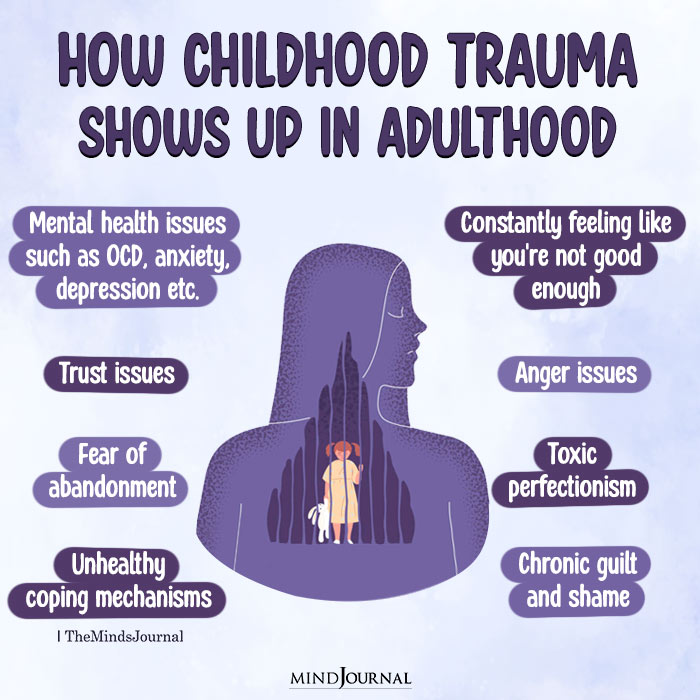
Childhood abuse affects mental health

Professor of Child & Adolescent Psychiatry at King’s College London Andrea Danese and a joint author of the study emphasized the implications of these findings. 

She stated that their study unveiled that the perception and recollection of childhood abuse or neglect by an individual held more significant consequences for future emotional disorders compared to the experiences themselves. 

The findings indicated that clinicians could identify individuals at higher risk of subsequent mental health difficulties by utilizing the information provided by their clients, even in the absence of documented evidence of childhood maltreatment.

The study also indicated that the association between self-reported experiences of childhood maltreatment and a higher number of subsequent anxiety and depression episodes was partially explained by participants’ current and past mental health, which was reported during their initial interview. 

Emotional disorders can bias memories, potentially making individuals more likely to recall adverse events.

Read more here: 10 Ways To Overcome Childhood Trauma: Grow Beyond Your Childhood Trauma And Reclaim Your Life

Professor Danese further emphasized the importance of understanding how memories of child maltreatment are maintained and exacerbated over time, as well as their impact on daily functioning. This knowledge can provide insights for the development of effective interventions.

The implications of this research are significant, as it suggests that early interventions that assist individuals in coping with memories of abuse and neglect may help prevent emotional problems later in life. 

Clinicians can utilize patients’ self-reported experiences of maltreatment, even in the absence of official documentation, to identify those at risk and provide appropriate support and interventions.

The study conducted by King’s College London and City University New York is part of the King’s Maudsley Partnership for Children and Young People, which aims to predict, prevent, and treat mental health disorders in children and young individuals. 

This collaborative effort between specialist clinicians and leading academics seeks to find innovative approaches to mental health care.

The new research highlights the significant impact of memory perception on mental health outcomes. 

Remembering childhood abuse or neglect has a greater influence on future mental health than the experiences themselves. 

Early interventions that address the memories of maltreatment can potentially mitigate the development of emotional disorders later in life.


Childhood abuse affects mental health

Published On:

Last updated on:

Disclaimer: The informational content on The Minds Journal have been created and reviewed by qualified mental health professionals. They are intended solely for educational and self-awareness purposes and should not be used as a substitute for professional medical advice, diagnosis, or treatment. If you are experiencing emotional distress or have concerns about your mental health, please seek help from a licensed mental health professional or healthcare provider.

Leave a Comment

Today's Horoscope

Weekly Horoscope PART one

Weekly Horoscope 15 March to 21 March 2026

Read your zodiac sign’s prediction to understand the energy surrounding you and how to make the most of the days ahead!

Latest Quizzes

Interesting Finger Personality Test: 4 Finger Lines

Finger Personality Test: Join Your Fingers And Reveal A Hidden Personality Secret!

Look closely at your finger lines. Which pattern do you see? This personality test might surprise you!

Latest Quotes

How Men Show Love Through Actions (Male Psychology in Relationships)

How Men Show Love Through Actions (Male Psychology in Relationships)

Male psychology in relationships shows that men express love through presence, protection, and peace more than poetry. Decode his actions so you can see how deeply he actually cares.

Readers Blog

Caption This Image and Selected Wisepicks – 8 March 2026

Caption This Image and Selected Wisepicks – 8 March 2026

Provide a creative, relevant caption for the picture below and get selected and featured with your name and caption.  Selected Wisepicks We have selected 11 comments as Wisepicks from our Facebook, Facebook Group and Instagram as on 15 March 2026 Lou Angelique Heruela Listen to your inner child,not the angry voices in your mind. Bloom…

Latest Articles

New research conducted by King’s College London and City University New York has revealed that the memory of childhood abuse affects mental health. 

Read more here: Warning Signs Of Unresolved Trauma: Recognizing The Invisible Scars

Childhood Abuse Affects Mental Health More Than The Real-Time Experience

The study revealed that individuals who recalled maltreatment had increased episodes of depression or anxiety, even without official records.

This underscores the significant importance of memory perception in the identification of mental health issues and the implementation of early interventions.

According to a study published in JAMA Psychiatry, researchers from King’s College London and City University New York conducted a large longitudinal study involving 1,196 participants. 

The study aimed to investigate the impact of childhood abuse and neglect on the development of emotional disorders in adulthood.

Childhood abuse affects mental health

Read more here: Love Starved: How Childhood Emotional Neglect Breaks You As An Adult

The Findings Were Remarkable 

individuals who retrospectively self-reported experiences of childhood maltreatment had a significantly higher number of depressive or anxiety episodes throughout the following decade compared to those who did not remember maltreatment, even when official court records were considered.

Surprisingly, participants who had an official record of childhood maltreatment but did not recall the experiences had a similar number of emotional disorder episodes as those who had no experience of maltreatment at all. 

This suggests that the memory and perception of abuse or neglect play a significant role in future mental health than the actual experiences themselves.

Childhood abuse affects mental health

Professor of Child & Adolescent Psychiatry at King’s College London Andrea Danese and a joint author of the study emphasized the implications of these findings. 

She stated that their study unveiled that the perception and recollection of childhood abuse or neglect by an individual held more significant consequences for future emotional disorders compared to the experiences themselves. 

The findings indicated that clinicians could identify individuals at higher risk of subsequent mental health difficulties by utilizing the information provided by their clients, even in the absence of documented evidence of childhood maltreatment.

The study also indicated that the association between self-reported experiences of childhood maltreatment and a higher number of subsequent anxiety and depression episodes was partially explained by participants’ current and past mental health, which was reported during their initial interview. 

Emotional disorders can bias memories, potentially making individuals more likely to recall adverse events.

Read more here: 10 Ways To Overcome Childhood Trauma: Grow Beyond Your Childhood Trauma And Reclaim Your Life

Professor Danese further emphasized the importance of understanding how memories of child maltreatment are maintained and exacerbated over time, as well as their impact on daily functioning. This knowledge can provide insights for the development of effective interventions.

The implications of this research are significant, as it suggests that early interventions that assist individuals in coping with memories of abuse and neglect may help prevent emotional problems later in life. 

Clinicians can utilize patients’ self-reported experiences of maltreatment, even in the absence of official documentation, to identify those at risk and provide appropriate support and interventions.

The study conducted by King’s College London and City University New York is part of the King’s Maudsley Partnership for Children and Young People, which aims to predict, prevent, and treat mental health disorders in children and young individuals. 

This collaborative effort between specialist clinicians and leading academics seeks to find innovative approaches to mental health care.

The new research highlights the significant impact of memory perception on mental health outcomes. 

Remembering childhood abuse or neglect has a greater influence on future mental health than the experiences themselves. 

Early interventions that address the memories of maltreatment can potentially mitigate the development of emotional disorders later in life.


Childhood abuse affects mental health

Published On:

Last updated on:

Leave a Comment

    Leave a Comment