5 Creative Ways To Reduce Burnout At Work

Author : Konstantin Lukin

Work burnout is rapidly taking a toll on everyoneโ€™s minds. This is why it is vital to take steps that can help reduce burnout and live your best life

Do your career goals not resonate with your personal desires? Do you feel ineffective, or detached from your purpose in your job? Do you feel manipulated or disrespected by co-workers?

Not every day is easy. But allowing too many bad days at work to pass where you donโ€™t feel motivated or your work doesnโ€™t feel purposeful can lead to burnout. Burnout isnโ€™t just being tired of your job; itโ€™s chronic stress that can lead to both physical and emotional exhaustion.

Burnout can happen to anyone, and it can have a serious negative impact on both your physical and mental health. But there are several steps you can take to fight it.

burnout

Here are five ways to help reduce burnout at work.

1. Recognize That Your Thoughts And Feelings Are Not Facts.

Understanding which things happening inside of your body are thoughts vs. emotions, and identifying them as such rather than as facts, is a great first step to understanding yourself and being analytical about your behavior.

For example, say you have a big presentation coming up. If you say, โ€œI have this presentation coming up and I want to do well but I feel anxious,โ€ youโ€™re more likely to let those feelings control your behavior. Instead, say โ€œI have this presentation coming up and Iโ€™m also experiencing some anxiety.โ€

Reminding yourself that they are feelings or thoughts rather than facts may help you tolerate such phenomena. Keep track of when you feel the most upset, anxious, or frustrated at work. Monitor yourself, and do what you can to make effective changes.

Related: Burnout: 6 Signs Youโ€™re Ready To Hit The Wall

2. Donโ€™t Eat Lunch At Your Desk. Get Outside And Move.

Instead of working through lunch or eating over your keyboard, go pick up your food. Or even better, if you have the time, find a green space outside to eat. Take a trip to the floor above you and back down. Increase your physical activity just by leaving your building and walking to a restaurant, a food stand, or to a different part of your building.

Physical exercise is one of the best treatments for interrupting the cycle of anxiety. Being indoors 12 hours a day 5 days a week isnโ€™t what humans were designed for. Not everyone has the luxury of working outdoors or working part-time, but taking small steps to keep your sanity in check while working those long hours can help decrease stress

Taking a break from your job could also help you be better at it. Coming back to a project after taking some space (even five minutes of space) can increase your productivity and the quality of your work.

3. Decrease Screen Time. Increase Meditation Time.

Staring at a screen all day is also not what humans were made for. But itโ€™s a reality today. To balance this, take a few minutes a day to meditate. No need to turn into a Buddhist monk whoโ€™s silent for hours at a time (though thereโ€™s nothing wrong with that!) but taking even a few minutes to focus on your breath can distract you from stress-inducing thoughts.

Related: Burnout Prevention and Treatment Strategies How To Deal with Overwhelming Stress

4. Reconnect With Your โ€œWhy.โ€

Even if you mostly work for the money, reminding yourself that this gives freedom to do things you enjoy outside work could increase motivation. Even if you generally dislike it, maybe it will enable you to take a vacation next year, or take your partner out to dinner that coming weekend.

If you can find purpose in the way you spend your days, youโ€™re more likely to connect to the work you do and reduce the stress surrounding it.

5. Reach Out To Loved Ones, Even If Itโ€™s A Simple Text.

If youโ€™re having a bad day at work (as everyone does), take a minute to send a text to a friend, family member, or spouse. Let someone know that today is not your day.

Connecting with loved ones in and of itself can help increase your mood and remind you of what you value in life. Keeping the things in life that matter most to you in perspective even when you feel like a cog in the wheel can help you feel less stressed at work, and maybe even happier and more productive.

Related: 3 Radical Acts of Self Care That will Help You Heal After Burnout

Stress is inevitable. But letting it ruin your work life, your mood, and your life outside of the office is not. Take stock of how stressed you feel on a daily basis, and be curious about devising a strategy for yourself to manage it.

Always remember that managing stress is not a luxury reserved for the wealthy; itโ€™s a critical investment in yourself.

Visit Dr. Konstantin Lukinโ€™s website for more such articles.


Written By Konstantin Lukin
Originally Appeared In Psychology Today

No matter how important jobs might be, your mental health must always come first, and you should try to work towards putting your mental health over your job. If your mind is not in the right place, and you are overstressed all the time, it will directly affect your work too. So, make sure that the moment you feel that you are inching towards burning out, remember these helpful tips, as these can help you go a long way in putting your mental health above your job.
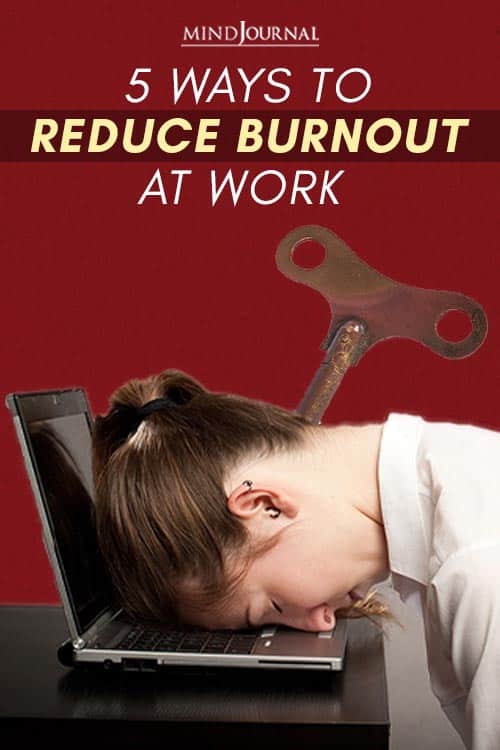
Ways Reduce Burnout Work Pin

Published On:

Last updated on:

Konstantin Lukin

Konstantin Lukin, Ph.D., is a licensed clinical psychologist who maintains a private practice in Ridgewood and Hoboken, NJ. He has extensive clinical and research experience spanning individuals of all ages, in both inpatient and outpatient settings. He specializes in menโ€™s issues, coupleโ€™s counseling, and relationship problems. His therapeutic approach focuses on providing support and practical feedback to help patients effectively address personal challenges. He integrates complementary modalities and techniques to offer a personalized approach tailored to each patient. He has been trained in cognitive-behavioral, dialectical behavior, schema-focused, and emotionally focused therapy, and has also been involved with research projects throughout his career, including two National Institute of Mental Health-funded studies. He is a member of the Association for Behavioral and Cognitive Therapies, New Jersey Psychological Association, Northeast Counties Association of Psychologists, New York State Psychological Association, The International Centre for Excellence in Emotionally Focused Therapy, The New York Center for Emotionally Focused Therapy, the International OCD Foundation, and the Association for Contextual Behavioral Science (ACSB).

Disclaimer: The informational content on The Minds Journal have been created and reviewed by qualified mental health professionals. They are intended solely for educational and self-awareness purposes and should not be used as a substitute for professional medical advice, diagnosis, or treatment. If you are experiencing emotional distress or have concerns about your mental health, please seek help from a licensed mental health professional or healthcare provider.

Leave a Comment

Today's Horoscope

Weekly Horoscope PART one

Weekly Horoscope 15 March to 21 March 2026

Read your zodiac signโ€™s prediction to understand the energy surrounding you and how to make the most of the days ahead!

Latest Quizzes

Interesting Finger Personality Test: 4 Finger Lines

Finger Personality Test: Join Your Fingers And Reveal A Hidden Personality Secret!

Look closely at your finger lines. Which pattern do you see? This personality test might surprise you!

Latest Quotes

How Men Show Love Through Actions (Male Psychology in Relationships)

How Men Show Love Through Actions (Male Psychology in Relationships)

Male psychology in relationships shows that men express love through presence, protection, and peace more than poetry. Decode his actions so you can see how deeply he actually cares.

Readers Blog

Caption This Image and Selected Wisepicks โ€“ 15 March 2026

Caption This Image and Selected Wisepicks โ€“ 15 March 2026

Ready to unleash your inner wordsmith? โœจ??โ˜บ๏ธ Nowโ€™s your chance to show off your wit, charm, or sheer genius in just one line! Whether itโ€™s laugh-out-loud funny or surprisingly deep, we want to hear it.Submit your funniest, wittiest, or most thought-provoking caption in the comments. Weโ€™ll pick 15+ winners to be featured on our website…

Latest Articles

Work burnout is rapidly taking a toll on everyoneโ€™s minds. This is why it is vital to take steps that can help reduce burnout and live your best life

Do your career goals not resonate with your personal desires? Do you feel ineffective, or detached from your purpose in your job? Do you feel manipulated or disrespected by co-workers?

Not every day is easy. But allowing too many bad days at work to pass where you donโ€™t feel motivated or your work doesnโ€™t feel purposeful can lead to burnout. Burnout isnโ€™t just being tired of your job; itโ€™s chronic stress that can lead to both physical and emotional exhaustion.

Burnout can happen to anyone, and it can have a serious negative impact on both your physical and mental health. But there are several steps you can take to fight it.

burnout

Here are five ways to help reduce burnout at work.

1. Recognize That Your Thoughts And Feelings Are Not Facts.

Understanding which things happening inside of your body are thoughts vs. emotions, and identifying them as such rather than as facts, is a great first step to understanding yourself and being analytical about your behavior.

For example, say you have a big presentation coming up. If you say, โ€œI have this presentation coming up and I want to do well but I feel anxious,โ€ youโ€™re more likely to let those feelings control your behavior. Instead, say โ€œI have this presentation coming up and Iโ€™m also experiencing some anxiety.โ€

Reminding yourself that they are feelings or thoughts rather than facts may help you tolerate such phenomena. Keep track of when you feel the most upset, anxious, or frustrated at work. Monitor yourself, and do what you can to make effective changes.

Related: Burnout: 6 Signs Youโ€™re Ready To Hit The Wall

2. Donโ€™t Eat Lunch At Your Desk. Get Outside And Move.

Instead of working through lunch or eating over your keyboard, go pick up your food. Or even better, if you have the time, find a green space outside to eat. Take a trip to the floor above you and back down. Increase your physical activity just by leaving your building and walking to a restaurant, a food stand, or to a different part of your building.

Physical exercise is one of the best treatments for interrupting the cycle of anxiety. Being indoors 12 hours a day 5 days a week isnโ€™t what humans were designed for. Not everyone has the luxury of working outdoors or working part-time, but taking small steps to keep your sanity in check while working those long hours can help decrease stress

Taking a break from your job could also help you be better at it. Coming back to a project after taking some space (even five minutes of space) can increase your productivity and the quality of your work.

3. Decrease Screen Time. Increase Meditation Time.

Staring at a screen all day is also not what humans were made for. But itโ€™s a reality today. To balance this, take a few minutes a day to meditate. No need to turn into a Buddhist monk whoโ€™s silent for hours at a time (though thereโ€™s nothing wrong with that!) but taking even a few minutes to focus on your breath can distract you from stress-inducing thoughts.

Related: Burnout Prevention and Treatment Strategies How To Deal with Overwhelming Stress

4. Reconnect With Your โ€œWhy.โ€

Even if you mostly work for the money, reminding yourself that this gives freedom to do things you enjoy outside work could increase motivation. Even if you generally dislike it, maybe it will enable you to take a vacation next year, or take your partner out to dinner that coming weekend.

If you can find purpose in the way you spend your days, youโ€™re more likely to connect to the work you do and reduce the stress surrounding it.

5. Reach Out To Loved Ones, Even If Itโ€™s A Simple Text.

If youโ€™re having a bad day at work (as everyone does), take a minute to send a text to a friend, family member, or spouse. Let someone know that today is not your day.

Connecting with loved ones in and of itself can help increase your mood and remind you of what you value in life. Keeping the things in life that matter most to you in perspective even when you feel like a cog in the wheel can help you feel less stressed at work, and maybe even happier and more productive.

Related: 3 Radical Acts of Self Care That will Help You Heal After Burnout

Stress is inevitable. But letting it ruin your work life, your mood, and your life outside of the office is not. Take stock of how stressed you feel on a daily basis, and be curious about devising a strategy for yourself to manage it.

Always remember that managing stress is not a luxury reserved for the wealthy; itโ€™s a critical investment in yourself.

Visit Dr. Konstantin Lukinโ€™s website for more such articles.


Written By Konstantin Lukin
Originally Appeared In Psychology Today

No matter how important jobs might be, your mental health must always come first, and you should try to work towards putting your mental health over your job. If your mind is not in the right place, and you are overstressed all the time, it will directly affect your work too. So, make sure that the moment you feel that you are inching towards burning out, remember these helpful tips, as these can help you go a long way in putting your mental health above your job.

Ways Reduce Burnout Work Pin

Published On:

Last updated on:

Konstantin Lukin

Konstantin Lukin, Ph.D., is a licensed clinical psychologist who maintains a private practice in Ridgewood and Hoboken, NJ. He has extensive clinical and research experience spanning individuals of all ages, in both inpatient and outpatient settings. He specializes in menโ€™s issues, coupleโ€™s counseling, and relationship problems. His therapeutic approach focuses on providing support and practical feedback to help patients effectively address personal challenges. He integrates complementary modalities and techniques to offer a personalized approach tailored to each patient. He has been trained in cognitive-behavioral, dialectical behavior, schema-focused, and emotionally focused therapy, and has also been involved with research projects throughout his career, including two National Institute of Mental Health-funded studies. He is a member of the Association for Behavioral and Cognitive Therapies, New Jersey Psychological Association, Northeast Counties Association of Psychologists, New York State Psychological Association, The International Centre for Excellence in Emotionally Focused Therapy, The New York Center for Emotionally Focused Therapy, the International OCD Foundation, and the Association for Contextual Behavioral Science (ACSB).

Leave a Comment

    Leave a Comment