6 Stages Of Recovering From A Toxic Relationship

Author : Kaytlyn Gillis LCSW-BACS

Recovering from a toxic relationship is not as easy as most people consider it to be. You might have left your abusive partner and finally escaped from the hellhole you were in, but healing from the trauma and pain left by toxic relationships can be hard to accept and deal with.


In 1969, Elisabeth Kübler-Ross described the 5 stages of grief as denial, anger, bargaining, depression, and acceptance, paving the way for a deeper understanding of grief in the field of mental health. More than 50 years have passed since then, but these 5 stages are still used as a framework to describe many of the experiences of grief and grieving from traumatic events.

We now know that these stages can come in a different order, can be skipped over and/or repeated, and newer research has been suggesting that there are different stages that the bereaved and other trauma survivors may go through (Doka et al, 2011).


In research on traumatic relationships, including domestic violence or other toxic relationships, researchers have found similar patterns and stages of recovery to those experienced by the bereaved. Today, we know that toxic relationships can be romantic, platonic, or familial, with recovery from each looking somewhat different.

These are the six stages of recovery from psychological abuse or toxic relationships that I have witnessed in my practice. Like the stages of grief mentioned above, these stages do not always happen in chronological order, can be skipped over or repeated, and survivors can start in different stages.

While the end goal is always safety, understanding, and meaning, recovery looks different in all survivors and no two paths are alike.


Related: Recovery From Toxic Relationship: Using the Gray Rock Method (Safely)

6 Stages Of Recovering From A Toxic Relationship

1. Self-doubt.

This could be called the “Am I crazy?” stage. It means realizing that something doesn’t make sense, but not knowing how, what, or why. This stage can sometimes happen during the relationship, or it can happen during the breakup when you start to realize something feels off.

While few breakups are fun or pain-free, ending a toxic relationship has the added cognitive dissonance of feeling freeing, yet confusing and disorienting.

Sometimes survivors wonder if leaving is the right choice, or if they are imagining or exaggerating all of the bizarre events that do not make sense. Many survivors struggle during the stage, asking, “Was it my fault? Did I bring these behaviors out of them?”
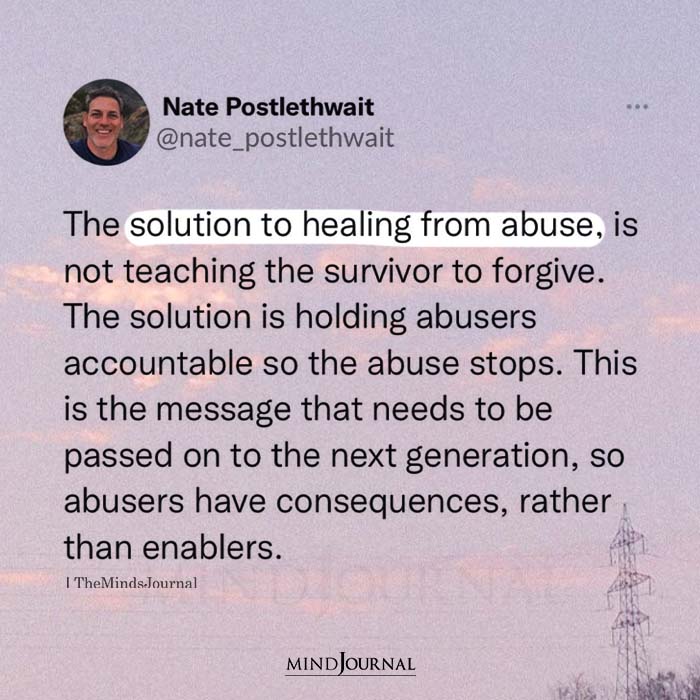
Recovering from a toxic relationship

2. Learning And Researching.

This is the stage when you research all. of. the. things. You know something is off with the person’s behavior, but researching everything and anything about it gives you the terminology to understand your experiences.

This is often when clients will come in with words or phrases like “narcissistic abuse,” “psychological abuse,” “personality disorder,” or other terms that come from their research.


When something does not feel right, our human instinct is to try to make sense of it, to try to understand. This behavior serves to gain clarity and understanding, but can also have the added benefit of being self-soothing. Sometimes survivors find that they become obsessive about researching and understanding as a way to heal.

Related: How To Recovery From Toxic Relationship? 6 Helpful Ways

3. Clarity.

This is when the research starts to slow down, and the survivor starts to make sense of their experiences—even if there is still residual pain, grief, and resentment. This initial surge of understanding can be freeing and calming, as it feels empowering to bring clarity to a situation that feels muddled and confusing.

The key element of this stage is the clarity that there was something beyond your control, you were powerless to stop or change it, and it is not your fault.

4. Breaking Free.

This is when you take steps to distance yourself from them, physically and emotionally. For some, this stage comes at the beginning, sometimes before they even realize the type of person they were dealing with, especially if they were discarded.

For others, breaking free happens after they realize that they need to leave in order to stay safe and healthy. This is the stage where people begin grey rocking, no contact, and when I urge my clients to use the N.E.B. techniques that I developed for survivors who must communicate with their abuser (Necessary, Emotionless, and Brief).

5. Doing The Work Of Healing.

Usually, this stage takes the form of developing an understanding of yourself because you realize that this is the only way to fully heal.


This is usually the stage when people reach back out to family and friends who had been pushed away during the relationship, and otherwise, try to piece together the broken pieces from the chaos that has taken place over the past few months or even years.

During this stage, it is important to understand and acknowledge that it is okay to admit that you were human and imperfect during a relationship and that you inevitably made mistakes, but you are not to blame for any malicious cruelty that unfolded.

Related: 8 Steps To Recovery After A Controlling Relationship

6. Accepting And Making Meaning.

Many well-known psychological abuse experts report that finding meaning from your experience is an essential part of the healing process, as it helps you understand how to avoid these people in the future. Many people who have had toxic and abusive relationships repeat these patterns again and again.

They come to therapy hopeless and exasperated, saying, “I don’t know what I’m doing wrong to attract these people!” It is usually during this time that we discover that they did not take the time needed to fully heal—not only from the experience but also to develop understanding and meaning of their experiences in order to recognize red flags in the future and attract people who they want to be with.


Many people who have ended a relationship with someone who has narcissistic tendencies or other traits of a personality disorder find that they are left with debt, shame, embarrassment, or reputation destruction as part of a smear campaign.

Taking control of your life and working towards repairing all of these things is a major part of the recovery process, and can help empower you to keep moving forward.
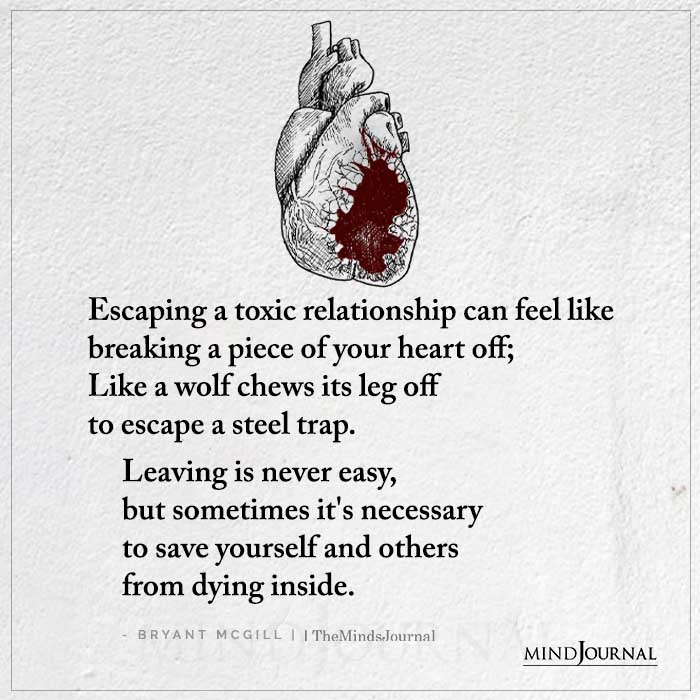
Accepting And Making Meaning

Many of my clients feel empowered when they consolidate credit cards, reach out to previous friends or acquaintances, and begin to rebuild their lives. Accepting what happened and taking steps to move forward is part of the recovery process.

Healing looks different in everyone. If a survivor is also a survivor of domestic violence in their childhood home or family of origin, this trauma can be compounded and felt longer, but this is not always the case.

“Practically every aspect of a domestic abuser survivor’s life is altered in the aftermath of domestic violence” (Anderson et al. 2012).

Want to know more about recovering from a toxic relationship? Check this video out below about healing from abusive relationships!


References:

Anderson KM, Renner LM, Danis FS. Recovery: Resilience and Growth in the Aftermath of Domestic Violence. Violence Against Women. 2012;18(11):1279-1299. Accessed 6/22/2022.

Doka K., Tucci A. (2011). Beyond Kübler-Ross: New Perspectives on Dying, Death, and Grief. Washington, DC: Hospice Foundation of America. Accessed 7/1/2022.

Linley, P. A., Joseph, S. (2004). Positive change following trauma and adversity: A review. Journal of Traumatic Stress, 17, 11-21. Accessed 6/28/2022.

Kübler-Ross, E., 1969. On death and dying. New York: Macmillan Publishing Company.

Written By Kaytee Gillis, LCSW-BACS
Originally Appeared On Psychology Today
Stages Of Recovering From A Toxic Relationship pinex
Stages Of Recovering From A Toxic Relationship pin


Published On:

Last updated on:

Kaytlyn Gillis LCSW-BACS

Kaytee Gillis, LCSW-BACS, is a psychotherapist, advocate, and author with a passion for working with survivors of family trauma. She received her BA in psychology from Clark University, and her Master’s from Tulane. Her work focuses on assisting survivors of family and intimate partner abuse and assisting survivors with navigating the legal system to receive protection. Her recent book, Invisible Bruises: How a Better Understanding of the Patterns of Domestic Violence Can Help Survivors Navigate the Legal System, sheds light on the ways that the legal system can perpetuate the cycle of domestic violence by failing to recognize patterns that would otherwise hold perpetrators accountable and protect survivors. Gillis provides training on recognizing patterns of domestic violence, treating the aftermath of abuse, and helping survivors move forward.

Disclaimer: The informational content on The Minds Journal have been created and reviewed by qualified mental health professionals. They are intended solely for educational and self-awareness purposes and should not be used as a substitute for professional medical advice, diagnosis, or treatment. If you are experiencing emotional distress or have concerns about your mental health, please seek help from a licensed mental health professional or healthcare provider.

Leave a Comment

Today's Horoscope

Weekly Horoscope PART one

Weekly Horoscope 15 March to 21 March 2026

Read your zodiac sign’s prediction to understand the energy surrounding you and how to make the most of the days ahead!

Latest Quizzes

Interesting Finger Personality Test: 4 Finger Lines

Finger Personality Test: Join Your Fingers And Reveal A Hidden Personality Secret!

Look closely at your finger lines. Which pattern do you see? This personality test might surprise you!

Latest Quotes

How Men Show Love Through Actions (Male Psychology in Relationships)

How Men Show Love Through Actions (Male Psychology in Relationships)

Male psychology in relationships shows that men express love through presence, protection, and peace more than poetry. Decode his actions so you can see how deeply he actually cares.

Readers Blog

Caption This Image and Selected Wisepicks – 15 March 2026

Caption This Image and Selected Wisepicks – 15 March 2026

Ready to unleash your inner wordsmith? ✨??☺️ Now’s your chance to show off your wit, charm, or sheer genius in just one line! Whether it’s laugh-out-loud funny or surprisingly deep, we want to hear it.Submit your funniest, wittiest, or most thought-provoking caption in the comments. We’ll pick 15+ winners to be featured on our website…

Latest Articles

Recovering from a toxic relationship is not as easy as most people consider it to be. You might have left your abusive partner and finally escaped from the hellhole you were in, but healing from the trauma and pain left by toxic relationships can be hard to accept and deal with.


In 1969, Elisabeth Kübler-Ross described the 5 stages of grief as denial, anger, bargaining, depression, and acceptance, paving the way for a deeper understanding of grief in the field of mental health. More than 50 years have passed since then, but these 5 stages are still used as a framework to describe many of the experiences of grief and grieving from traumatic events.

We now know that these stages can come in a different order, can be skipped over and/or repeated, and newer research has been suggesting that there are different stages that the bereaved and other trauma survivors may go through (Doka et al, 2011).


In research on traumatic relationships, including domestic violence or other toxic relationships, researchers have found similar patterns and stages of recovery to those experienced by the bereaved. Today, we know that toxic relationships can be romantic, platonic, or familial, with recovery from each looking somewhat different.

These are the six stages of recovery from psychological abuse or toxic relationships that I have witnessed in my practice. Like the stages of grief mentioned above, these stages do not always happen in chronological order, can be skipped over or repeated, and survivors can start in different stages.

While the end goal is always safety, understanding, and meaning, recovery looks different in all survivors and no two paths are alike.


Related: Recovery From Toxic Relationship: Using the Gray Rock Method (Safely)

6 Stages Of Recovering From A Toxic Relationship

1. Self-doubt.

This could be called the “Am I crazy?” stage. It means realizing that something doesn’t make sense, but not knowing how, what, or why. This stage can sometimes happen during the relationship, or it can happen during the breakup when you start to realize something feels off.

While few breakups are fun or pain-free, ending a toxic relationship has the added cognitive dissonance of feeling freeing, yet confusing and disorienting.

Sometimes survivors wonder if leaving is the right choice, or if they are imagining or exaggerating all of the bizarre events that do not make sense. Many survivors struggle during the stage, asking, “Was it my fault? Did I bring these behaviors out of them?”

Recovering from a toxic relationship

2. Learning And Researching.

This is the stage when you research all. of. the. things. You know something is off with the person’s behavior, but researching everything and anything about it gives you the terminology to understand your experiences.

This is often when clients will come in with words or phrases like “narcissistic abuse,” “psychological abuse,” “personality disorder,” or other terms that come from their research.


When something does not feel right, our human instinct is to try to make sense of it, to try to understand. This behavior serves to gain clarity and understanding, but can also have the added benefit of being self-soothing. Sometimes survivors find that they become obsessive about researching and understanding as a way to heal.

Related: How To Recovery From Toxic Relationship? 6 Helpful Ways

3. Clarity.

This is when the research starts to slow down, and the survivor starts to make sense of their experiences—even if there is still residual pain, grief, and resentment. This initial surge of understanding can be freeing and calming, as it feels empowering to bring clarity to a situation that feels muddled and confusing.

The key element of this stage is the clarity that there was something beyond your control, you were powerless to stop or change it, and it is not your fault.

4. Breaking Free.

This is when you take steps to distance yourself from them, physically and emotionally. For some, this stage comes at the beginning, sometimes before they even realize the type of person they were dealing with, especially if they were discarded.

For others, breaking free happens after they realize that they need to leave in order to stay safe and healthy. This is the stage where people begin grey rocking, no contact, and when I urge my clients to use the N.E.B. techniques that I developed for survivors who must communicate with their abuser (Necessary, Emotionless, and Brief).

5. Doing The Work Of Healing.

Usually, this stage takes the form of developing an understanding of yourself because you realize that this is the only way to fully heal.


This is usually the stage when people reach back out to family and friends who had been pushed away during the relationship, and otherwise, try to piece together the broken pieces from the chaos that has taken place over the past few months or even years.

During this stage, it is important to understand and acknowledge that it is okay to admit that you were human and imperfect during a relationship and that you inevitably made mistakes, but you are not to blame for any malicious cruelty that unfolded.

Related: 8 Steps To Recovery After A Controlling Relationship

6. Accepting And Making Meaning.

Many well-known psychological abuse experts report that finding meaning from your experience is an essential part of the healing process, as it helps you understand how to avoid these people in the future. Many people who have had toxic and abusive relationships repeat these patterns again and again.

They come to therapy hopeless and exasperated, saying, “I don’t know what I’m doing wrong to attract these people!” It is usually during this time that we discover that they did not take the time needed to fully heal—not only from the experience but also to develop understanding and meaning of their experiences in order to recognize red flags in the future and attract people who they want to be with.


Many people who have ended a relationship with someone who has narcissistic tendencies or other traits of a personality disorder find that they are left with debt, shame, embarrassment, or reputation destruction as part of a smear campaign.

Taking control of your life and working towards repairing all of these things is a major part of the recovery process, and can help empower you to keep moving forward.

Accepting And Making Meaning

Many of my clients feel empowered when they consolidate credit cards, reach out to previous friends or acquaintances, and begin to rebuild their lives. Accepting what happened and taking steps to move forward is part of the recovery process.

Healing looks different in everyone. If a survivor is also a survivor of domestic violence in their childhood home or family of origin, this trauma can be compounded and felt longer, but this is not always the case.

“Practically every aspect of a domestic abuser survivor’s life is altered in the aftermath of domestic violence” (Anderson et al. 2012).

Want to know more about recovering from a toxic relationship? Check this video out below about healing from abusive relationships!


References:

Anderson KM, Renner LM, Danis FS. Recovery: Resilience and Growth in the Aftermath of Domestic Violence. Violence Against Women. 2012;18(11):1279-1299. Accessed 6/22/2022.

Doka K., Tucci A. (2011). Beyond Kübler-Ross: New Perspectives on Dying, Death, and Grief. Washington, DC: Hospice Foundation of America. Accessed 7/1/2022.

Linley, P. A., Joseph, S. (2004). Positive change following trauma and adversity: A review. Journal of Traumatic Stress, 17, 11-21. Accessed 6/28/2022.

Kübler-Ross, E., 1969. On death and dying. New York: Macmillan Publishing Company.

Written By Kaytee Gillis, LCSW-BACS
Originally Appeared On Psychology Today
Stages Of Recovering From A Toxic Relationship pinex
Stages Of Recovering From A Toxic Relationship pin


Published On:

Last updated on:

Kaytlyn Gillis LCSW-BACS

Kaytee Gillis, LCSW-BACS, is a psychotherapist, advocate, and author with a passion for working with survivors of family trauma. She received her BA in psychology from Clark University, and her Master’s from Tulane. Her work focuses on assisting survivors of family and intimate partner abuse and assisting survivors with navigating the legal system to receive protection. Her recent book, Invisible Bruises: How a Better Understanding of the Patterns of Domestic Violence Can Help Survivors Navigate the Legal System, sheds light on the ways that the legal system can perpetuate the cycle of domestic violence by failing to recognize patterns that would otherwise hold perpetrators accountable and protect survivors. Gillis provides training on recognizing patterns of domestic violence, treating the aftermath of abuse, and helping survivors move forward.

Leave a Comment

    Leave a Comment