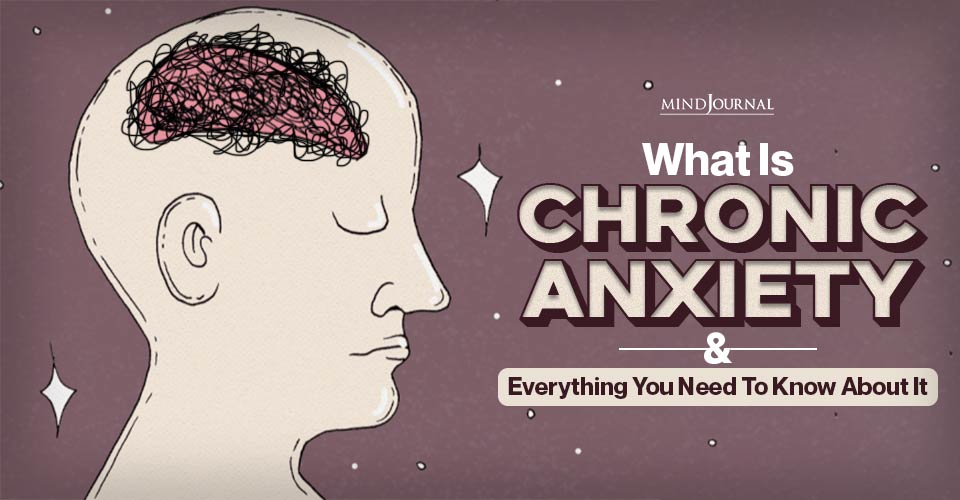
What Is Chronic Anxiety And Everything You Need To Know About It

Author : Alexandra Hall

What Is Chronic Anxiety And Everything You Need To Know About It

Itโ€™s normal to feel worried, scared, and anxious sometimes because guess what? Lifeโ€™s not perfect, nor is it a bed of roses. However, do you find yourself feeling anxious and worried most of the time? Your fears and worries become so overwhelming that it ends up affecting your daily life and your ability to function? If you answered yes to both these questions, then chances are you are suffering from chronic anxiety.

โ€œItโ€™s been 30 minutes and she still hasnโ€™t called back. She must be thinking of breaking up with me!โ€
โ€œHe was supposed to reach 15 minutes ago! Where is he? Iโ€™m sure he has been in an accident!โ€
โ€œMy mind is racing and I canโ€™t do anything to stop it!โ€
โ€œI feel this sense of dread creeping into me, which means something bad is going to happen!โ€
โ€œMy hands are shaking, and I donโ€™t know why.โ€

These are just a few things that people suffering from chronic anxiety experience every day. And chronic anxiety symptoms can manifest in different ways in different people. Read on to know everything there is to know about this.

Related: What Is High Functioning Anxiety Disorder?- Signs, Effects And How To Deal With It

What Is Chronic Anxiety?

Chronic anxiety or anxiety disorder is when you feel a constant sense of dread and panic in your mind and body; youโ€™re in a perpetual state of fight-or-flight mode.

Obsessing about what the future holds, panicking about every little thing that might go wrong, and trying to control every aspect of your life, hoping that it will stave off any misfortune that might come your way, are all classic chronic anxiety symptoms.

Types Of Chronic Anxiety Disorders

Read on to know more about the different types of anxiety disorders.

1. Agoraphobia

Agoraphobia is a type of anxiety disorder in which you feel an overwhelming and irrational fear of leaving your home, entering crowded and open spaces, or being present in places from which escaping might be a challenge.

Those who suffer from agoraphobia can go days without leaving their house and even avoid face-to-face interactions with other people.

2. Generalized Anxiety Disorder (GAD)

Generalized anxiety disorder manifests as constant worry and anxiety about events, including daily routine activities.

The fear and worry that come with generalized anxiety disorder can be very difficult to control, and can even affect you physically. All the things that make you feel anxious are mostly exaggerated by your mind, hence the constant worrying.

Related: 11 Things People With Anxiety Want You To Know

3. Social Anxiety Disorder or Social Phobia

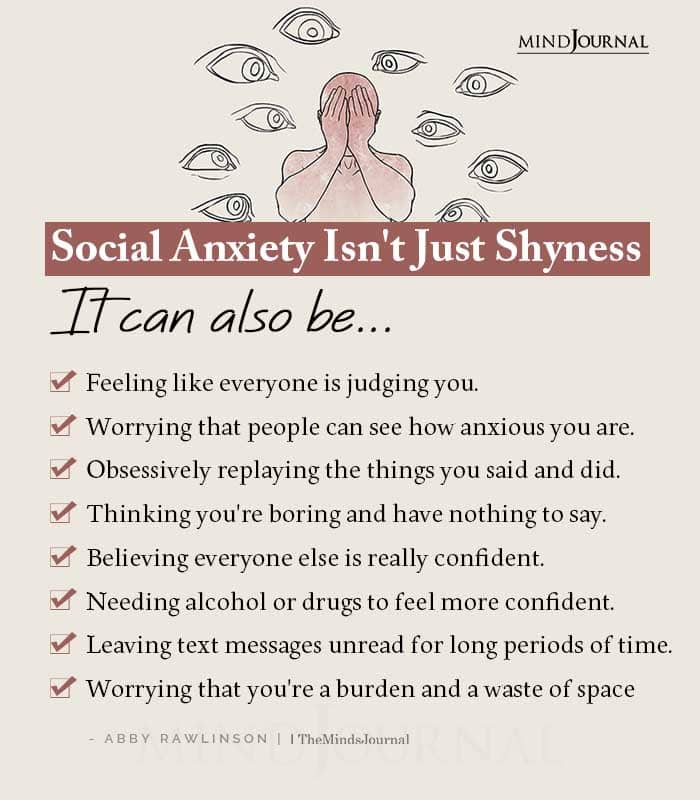
Social anxiety disorder is when you feel anxious and self-conscious about any kind of social situation, even when itโ€™s a very simple everyday situation.

You find it hard to interact with people, feel overwhelmingly shy and out of place, and even experience anxiety attacks in social situations because you have this feeling that others donโ€™t like you or are judging you.

chronic anxiety and social anxiety

4. Selective Mutism

Selective mutism is a chronic anxiety disorder that makes it hard for you to speak with others, especially in social situations where you might need to speak, engage, and interact with multiple people.

Selective mutism is mostly found in children, who find it difficult to speak at school and other social situations, but feel perfectly comfortable conversing with their parents and other family members at home.

5. Panic disorder

If you suffer from panic disorder, then you never know when a panic attack is going to take over you, because they usually happen without warning or are even caused by the littlest of things.

Racing heart, sweating, chest pain, heart palpitations, shortness of breath, and an impending sense of doom are the symptoms of panic disorder.

6. Separation anxiety

Separation anxiety is another form of anxiety disorder in which you feel anxious and fearful when a loved one goes away from your sight. People who you love and trust and feel close to when they leave you even if itโ€™s for a short time, fill you up with anxiety because you believe that something bad will happen to them.

Separation anxiety is most prevalent among children but can be found in adults too.

Related: 11 Anxiety Disguises In Kids That Many Parents Fail To Notice

7. Medication-induced anxiety disorder

Sometimes consuming illegal drugs, substance abuse, and certain medications can cause you to feel anxious and display chronic anxiety symptoms. Withdrawal from drugs and medications can also lead to chronic anxiety.

Difference Between Normal Worrying And Chronic Anxiety

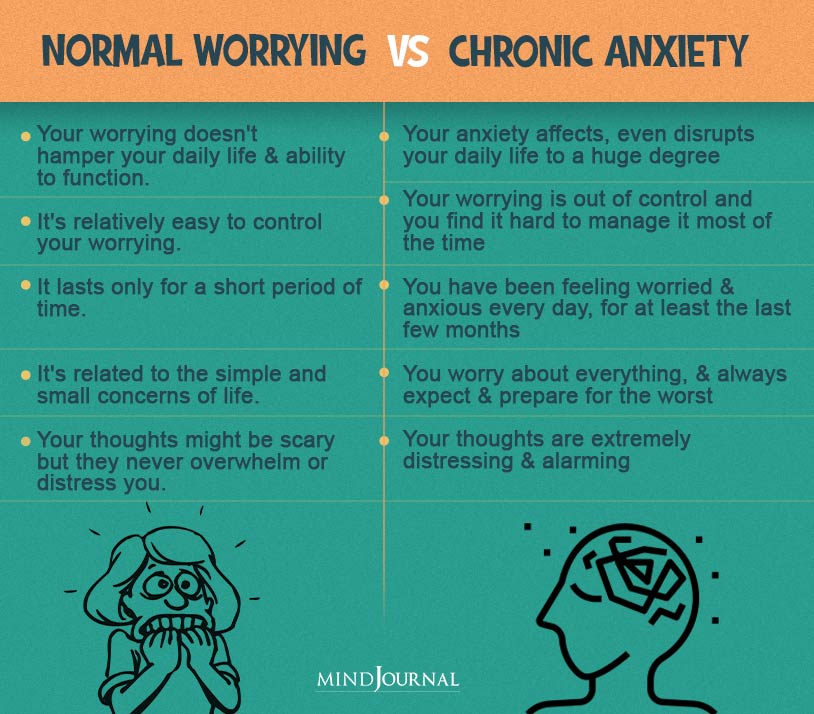
Itโ€™s normal to feel anxious once in a while, and that doesnโ€™t necessarily mean that you have chronic anxiety. The main thing that differentiates normal worrying from a chronic anxiety disorder is the degree of worrying one does. If your worrying is destructive, persistent, extremely overwhelming, and intrusive, then itโ€™s chronic anxiety.

Refer to this infographic to better understand the difference between chronic anxiety and normal worrying.
Symptoms Of Chronic Anxiety

Some of the most common chronic anxiety symptoms are as follows:

  • An impending sense of doom
  • Panicky feelings
  • A constant sense of unease
  • Consistent worry and feeling fearful
  • Dry mouth
  • Racing and pounding heartbeats (heart palpitations)
  • Numb, cold or sweaty hands and feet
  • Dizziness
  • Nausea
  • Finding it hard to concentrate
  • Tense or stiff muscles
  • Trembling fingers
  • Chest tightness and chest pain
  • Obsessive thoughts
  • Excessive overthinking
  • Hyperventilation (breathing quicker and faster)
  • Breathing troubles
  • Obsessively staying away from certain places, people and situations
  • Not being able to sleep properly
  • Intrusive thoughts
  • Stomach issues such as constipation and diarrhea
  • Feeling restless and on edge
  • Finding it difficult to relax and stay calm

Related: 10 Anxiety Facts You Must Know To Manage It Better

Causes Of Chronic Anxiety

1. Trauma

Going through anything traumatic can result in developing an anxiety disorder, and can lead to numerous anxiety attacks. Children who experience traumatic events at a young age are more likely to develop an anxiety disorder, and the same can be said for adults too.

2. History of mental illness in family

If chronic anxiety or generalized anxiety disorder runs in your family, you have a higher risk of suffering from it. Additionally, if you have a history of depression, that can also increase your chances of having anxiety later on in life.

3. Excessive consumption of alcohol and drugs

Substance abuse, such as excessive usage of illegal drugs and alcohol can significantly up your chances of suffering from an anxiety disorder. You might feel that it helps with your anxiety, but it actually exacerbates the symptoms.

4. History of childhood sexual abuse

Psychological, physical, emotional, mental, and sexual abuse are some risk factors for anxiety disorders. Even emotional neglect by parents can be a strong reason behind your chronic anxiety disorder.

5. Low self-esteem and self-worth

Self-hatred, body image issues, negative perceptions about yourself, and low confidence can have a detrimental impact on your self-esteem and self-worth. And the lower your self-esteem is, the more chances you will suffer from anxiety.

Related: What Concealed Anxiety Actually Feels Like

6. Stressful and emotionally painful events

Stressful events, especially painful ones can prove to be one of the biggest risk factors for an anxiety disorder. Losing a parent early on in life, losing your partner or spouse, getting expelled from school or college, debilitating and serious health issues, losing your job suddenly are just some of the potential factors that can lead to chronic anxiety symptoms and anxiety attacks.

7. Brain chemistry

Certain studies suggest that people suffering from anxiety may have faulty circuits in their brains, those circuits that are responsible for controlling emotions and fear. In other words, their brain chemistry is different from people who do NOT suffer from chronic anxiety.

chronic anxiety

8. Medical conditions

For many people, their anxiety might be linked to any medical condition they might be suffering from. This is because in certain cases, chronic anxiety symptoms are some of the first signs of serious health issues.

Some of the medical conditions that are closely associated with anxiety are as follows:

  • Diabetes
  • Heart disease
  • Drug withdrawal or substance abuse
  • Alcohol withdrawal
  • Irritable Bowel Syndrome (IBS)
  • Chronic pain
  • Respiratory illnesses such as asthma, and chronic obstructive pulmonary disease (COPD)
  • Hyperthyroidism
  • Cancer
  • Gut health issues
  • Tumors

Managing Chronic Anxiety

1. Educate yourself about your disorder.

The more you know what youโ€™re suffering from, the better you will feel. You will also be able to prepare yourself better for managing the symptoms when they come.

Always remember that as long as you have a strong idea about what it is that youโ€™re going through, you will always find a way to deal with it effectively.

Related: How To Stop Feeling Anxious and Vulnerable: 6 Powerful Tips

2. Avoid caffeine as much as you can.

Stay away from foods and drinks that contain caffeine, such as coffee, cola, sodas, energy drinks, tea, and even chocolate. Caffeine tends to make chronic anxiety symptoms worse because of its mood-altering properties.

3. Donโ€™t indulge in alcohol or drugs.

Just like caffeine, alcohol and drugs can make your anxiety symptoms worse. You might feel better for the time being, but substance abuse will only make things worse for you in the long run โ€“ physically, emotionally, and mentally.

4. Try out therapy.

If you feel like things are gradually getting harder to manage, and you feel like youโ€™re drowning in a pool of negative thoughts and emotions, then donโ€™t be afraid of seeking help from qualified professionals.

Try out therapy because therapists will be able to guide you through everything that is happening in your mind, and help you deal with your emotions in a healthy way. Follow their guidance and their treatment plan, and you will see a positive difference in the way you feel.

5. Eat nutritious food and avoid having a sedentary lifestyle.

Consuming healthy, wholesome foods can make a huge difference in your life. Avoid junk food, fried and oily food, and also processed food. Exercise every day for at least 15-20 minutes, like walking, jogging, dancing, yoga, or cardio and weight training exercises, to better manage your chronic anxiety symptoms.

Related: 20+ Best Meditation Music For Stress and Anxiety Relief

6. Follow a sleep schedule.

Proper sleep can work wonders for you when it comes to managing chronic anxiety symptoms. Stick to a disciplined sleep schedule, and donโ€™t skimp out on it.

Follow a relaxing bedtime routine, if needed, take sleep supplements (after consultation with your doctor), and stay away from electronic gadgets 2 hours before bedtime. Sleeping for 7-8 hours every night can make you feel better substantially.

7. Journaling.

Maintaining a journal and writing down your negative thoughts can help you deal with generalized anxiety disorder effectively. Venting your thoughts out on paper can make you feel lighter and more relaxed, instead of obsessing over them day in and day out.

8. Focus on being calm and relaxed.

Managing stress is one of the most crucial steps for managing your anxiety disorder, and unless you work on that, you will keep on suffering.

Focus on mindfulness and meditate every day for at least 10-15 minutes to keep your anxious thoughts and worries at bay. Being calm and relaxed can also substantially help you with your anxiety treatment.

Related: How Yoga Can Help With Generalized Anxiety Disorder, Research Reveals

Conclusion

Living with chronic anxiety and enduring frequent anxiety attacks can be frustrating, challenging, and exhausting.

The constant worry and fear in your heart and mind can be emotionally and physically exhausting, but the good news is that you can manage it and work towards living a calmer and happier life.

With the right steps, you can beat your anxiety disorder and live a life you have always dreamed of!

Disclaimer: This article is for informational purposes only and is not intended as a substitute for professional mental health advice, diagnosis, or treatment. While we strive for accuracy, we do not guarantee the completeness or reliability of the information provided. Readers should always seek guidance from a qualified mental health professional for any concerns regarding their mental well-being.


Frequently Asked Questions (FAQs)

Is chronic anxiety curable?

Chronic anxiety is highly treatable, as most people suffering from chronic anxiety have been able to better manage their symptoms with the right kind of treatment and healthy changes in their lifestyle.

What are the best therapeutic activities for chronic anxiety?

Some of the best options for dealing with chronic anxiety are meditation, a healthy diet, regular exercise, avoiding alcohol, drugs, and caffeine, stress management, proper sleep, and deep breathing exercises.

Is chronic anxiety a mental illness?

Yes. Chronic anxiety is a mental health condition.

Can chronic anxiety cause physical pain?

Yes, chronic anxiety can cause physical pain sometimes. Anxiety can cause your muscles to tense up, which leads to stiffness and pain in various areas of your body.
Published On:

Last updated on:

Alexandra Hall

Iโ€™m Alexandra Hall, a journalism grad whoโ€™s endlessly curious about the inner workings of the human heart and mind. I write about relationships, psychology, spirituality, mental health, and books, weaving insight with empathy. If itโ€™s raw, real, and thought-provoking, itโ€™s probably on my radar.

Disclaimer: The informational content on The Minds Journal have been created and reviewed by qualified mental health professionals. They are intended solely for educational and self-awareness purposes and should not be used as a substitute for professional medical advice, diagnosis, or treatment. If you are experiencing emotional distress or have concerns about your mental health, please seek help from a licensed mental health professional or healthcare provider.

Leave a Comment

Today's Horoscope

Daily Horoscope 3 April 2026: Prediction for Zodiac Signs

Daily Horoscope 3 April, 2026: Prediction For Each Zodiac Sign

You may find yourself noticing patterns, emotions, or even small wins you overlooked before.

Latest Quizzes

What Kind Of Karma Do You Have? 3 Markings Reveal Truths

3 Types of Karma Exist โ€” Which One Were You Born With? Look for These Palm Signs

Spot an M, Y, or X on your palm? This hidden sign reveals your karma type!

Latest Quotes

Real Signs Your Body Is Actually in Good Health: How to Know Youโ€™re Truly Well

Real Signs Your Body Is Actually in Good Health: How to Know Youโ€™re Truly Well

Real signs your body is healthy donโ€™t always show up on lab reports. From good sleep and clear skin to regular digestion and a stable mood, your body is constantly sending quiet signals of wellness.

Readers Blog

Caption This Image and Selected Wisepicks โ€“ 29 March 2026

Caption This Image and Selected Wisepicks โ€“ 29 March 2026

Ready to unleash your inner wordsmith? โœจ??โ˜บ๏ธ Nowโ€™s your chance to show off your wit, charm, or sheer genius in just one line! Whether itโ€™s laugh-out-loud funny or surprisingly deep, we want to hear it.Submit your funniest, wittiest, or most thought-provoking caption in the comments. Weโ€™ll pick 15+ winners to be featured on our website…

Latest Articles

What Is Chronic Anxiety And Everything You Need To Know About It

Itโ€™s normal to feel worried, scared, and anxious sometimes because guess what? Lifeโ€™s not perfect, nor is it a bed of roses. However, do you find yourself feeling anxious and worried most of the time? Your fears and worries become so overwhelming that it ends up affecting your daily life and your ability to function? If you answered yes to both these questions, then chances are you are suffering from chronic anxiety.

โ€œItโ€™s been 30 minutes and she still hasnโ€™t called back. She must be thinking of breaking up with me!โ€
โ€œHe was supposed to reach 15 minutes ago! Where is he? Iโ€™m sure he has been in an accident!โ€
โ€œMy mind is racing and I canโ€™t do anything to stop it!โ€
โ€œI feel this sense of dread creeping into me, which means something bad is going to happen!โ€
โ€œMy hands are shaking, and I donโ€™t know why.โ€

These are just a few things that people suffering from chronic anxiety experience every day. And chronic anxiety symptoms can manifest in different ways in different people. Read on to know everything there is to know about this.

Related: What Is High Functioning Anxiety Disorder?- Signs, Effects And How To Deal With It

What Is Chronic Anxiety?

Chronic anxiety or anxiety disorder is when you feel a constant sense of dread and panic in your mind and body; youโ€™re in a perpetual state of fight-or-flight mode.

Obsessing about what the future holds, panicking about every little thing that might go wrong, and trying to control every aspect of your life, hoping that it will stave off any misfortune that might come your way, are all classic chronic anxiety symptoms.

Types Of Chronic Anxiety Disorders

Read on to know more about the different types of anxiety disorders.

1. Agoraphobia

Agoraphobia is a type of anxiety disorder in which you feel an overwhelming and irrational fear of leaving your home, entering crowded and open spaces, or being present in places from which escaping might be a challenge.

Those who suffer from agoraphobia can go days without leaving their house and even avoid face-to-face interactions with other people.

2. Generalized Anxiety Disorder (GAD)

Generalized anxiety disorder manifests as constant worry and anxiety about events, including daily routine activities.

The fear and worry that come with generalized anxiety disorder can be very difficult to control, and can even affect you physically. All the things that make you feel anxious are mostly exaggerated by your mind, hence the constant worrying.

Related: 11 Things People With Anxiety Want You To Know

3. Social Anxiety Disorder or Social Phobia

Social anxiety disorder is when you feel anxious and self-conscious about any kind of social situation, even when itโ€™s a very simple everyday situation.

You find it hard to interact with people, feel overwhelmingly shy and out of place, and even experience anxiety attacks in social situations because you have this feeling that others donโ€™t like you or are judging you.

chronic anxiety and social anxiety

4. Selective Mutism

Selective mutism is a chronic anxiety disorder that makes it hard for you to speak with others, especially in social situations where you might need to speak, engage, and interact with multiple people.

Selective mutism is mostly found in children, who find it difficult to speak at school and other social situations, but feel perfectly comfortable conversing with their parents and other family members at home.

5. Panic disorder

If you suffer from panic disorder, then you never know when a panic attack is going to take over you, because they usually happen without warning or are even caused by the littlest of things.

Racing heart, sweating, chest pain, heart palpitations, shortness of breath, and an impending sense of doom are the symptoms of panic disorder.

6. Separation anxiety

Separation anxiety is another form of anxiety disorder in which you feel anxious and fearful when a loved one goes away from your sight. People who you love and trust and feel close to when they leave you even if itโ€™s for a short time, fill you up with anxiety because you believe that something bad will happen to them.

Separation anxiety is most prevalent among children but can be found in adults too.

Related: 11 Anxiety Disguises In Kids That Many Parents Fail To Notice

7. Medication-induced anxiety disorder

Sometimes consuming illegal drugs, substance abuse, and certain medications can cause you to feel anxious and display chronic anxiety symptoms. Withdrawal from drugs and medications can also lead to chronic anxiety.

Difference Between Normal Worrying And Chronic Anxiety

Itโ€™s normal to feel anxious once in a while, and that doesnโ€™t necessarily mean that you have chronic anxiety. The main thing that differentiates normal worrying from a chronic anxiety disorder is the degree of worrying one does. If your worrying is destructive, persistent, extremely overwhelming, and intrusive, then itโ€™s chronic anxiety.

Refer to this infographic to better understand the difference between chronic anxiety and normal worrying.

Symptoms Of Chronic Anxiety

Some of the most common chronic anxiety symptoms are as follows:

  • An impending sense of doom
  • Panicky feelings
  • A constant sense of unease
  • Consistent worry and feeling fearful
  • Dry mouth
  • Racing and pounding heartbeats (heart palpitations)
  • Numb, cold or sweaty hands and feet
  • Dizziness
  • Nausea
  • Finding it hard to concentrate
  • Tense or stiff muscles
  • Trembling fingers
  • Chest tightness and chest pain
  • Obsessive thoughts
  • Excessive overthinking
  • Hyperventilation (breathing quicker and faster)
  • Breathing troubles
  • Obsessively staying away from certain places, people and situations
  • Not being able to sleep properly
  • Intrusive thoughts
  • Stomach issues such as constipation and diarrhea
  • Feeling restless and on edge
  • Finding it difficult to relax and stay calm

Related: 10 Anxiety Facts You Must Know To Manage It Better

Causes Of Chronic Anxiety

1. Trauma

Going through anything traumatic can result in developing an anxiety disorder, and can lead to numerous anxiety attacks. Children who experience traumatic events at a young age are more likely to develop an anxiety disorder, and the same can be said for adults too.

2. History of mental illness in family

If chronic anxiety or generalized anxiety disorder runs in your family, you have a higher risk of suffering from it. Additionally, if you have a history of depression, that can also increase your chances of having anxiety later on in life.

3. Excessive consumption of alcohol and drugs

Substance abuse, such as excessive usage of illegal drugs and alcohol can significantly up your chances of suffering from an anxiety disorder. You might feel that it helps with your anxiety, but it actually exacerbates the symptoms.

4. History of childhood sexual abuse

Psychological, physical, emotional, mental, and sexual abuse are some risk factors for anxiety disorders. Even emotional neglect by parents can be a strong reason behind your chronic anxiety disorder.

5. Low self-esteem and self-worth

Self-hatred, body image issues, negative perceptions about yourself, and low confidence can have a detrimental impact on your self-esteem and self-worth. And the lower your self-esteem is, the more chances you will suffer from anxiety.

Related: What Concealed Anxiety Actually Feels Like

6. Stressful and emotionally painful events

Stressful events, especially painful ones can prove to be one of the biggest risk factors for an anxiety disorder. Losing a parent early on in life, losing your partner or spouse, getting expelled from school or college, debilitating and serious health issues, losing your job suddenly are just some of the potential factors that can lead to chronic anxiety symptoms and anxiety attacks.

7. Brain chemistry

Certain studies suggest that people suffering from anxiety may have faulty circuits in their brains, those circuits that are responsible for controlling emotions and fear. In other words, their brain chemistry is different from people who do NOT suffer from chronic anxiety.

chronic anxiety

8. Medical conditions

For many people, their anxiety might be linked to any medical condition they might be suffering from. This is because in certain cases, chronic anxiety symptoms are some of the first signs of serious health issues.

Some of the medical conditions that are closely associated with anxiety are as follows:

  • Diabetes
  • Heart disease
  • Drug withdrawal or substance abuse
  • Alcohol withdrawal
  • Irritable Bowel Syndrome (IBS)
  • Chronic pain
  • Respiratory illnesses such as asthma, and chronic obstructive pulmonary disease (COPD)
  • Hyperthyroidism
  • Cancer
  • Gut health issues
  • Tumors

Managing Chronic Anxiety

1. Educate yourself about your disorder.

The more you know what youโ€™re suffering from, the better you will feel. You will also be able to prepare yourself better for managing the symptoms when they come.

Always remember that as long as you have a strong idea about what it is that youโ€™re going through, you will always find a way to deal with it effectively.

Related: How To Stop Feeling Anxious and Vulnerable: 6 Powerful Tips

2. Avoid caffeine as much as you can.

Stay away from foods and drinks that contain caffeine, such as coffee, cola, sodas, energy drinks, tea, and even chocolate. Caffeine tends to make chronic anxiety symptoms worse because of its mood-altering properties.

3. Donโ€™t indulge in alcohol or drugs.

Just like caffeine, alcohol and drugs can make your anxiety symptoms worse. You might feel better for the time being, but substance abuse will only make things worse for you in the long run โ€“ physically, emotionally, and mentally.

4. Try out therapy.

If you feel like things are gradually getting harder to manage, and you feel like youโ€™re drowning in a pool of negative thoughts and emotions, then donโ€™t be afraid of seeking help from qualified professionals.

Try out therapy because therapists will be able to guide you through everything that is happening in your mind, and help you deal with your emotions in a healthy way. Follow their guidance and their treatment plan, and you will see a positive difference in the way you feel.

5. Eat nutritious food and avoid having a sedentary lifestyle.

Consuming healthy, wholesome foods can make a huge difference in your life. Avoid junk food, fried and oily food, and also processed food. Exercise every day for at least 15-20 minutes, like walking, jogging, dancing, yoga, or cardio and weight training exercises, to better manage your chronic anxiety symptoms.

Related: 20+ Best Meditation Music For Stress and Anxiety Relief

6. Follow a sleep schedule.

Proper sleep can work wonders for you when it comes to managing chronic anxiety symptoms. Stick to a disciplined sleep schedule, and donโ€™t skimp out on it.

Follow a relaxing bedtime routine, if needed, take sleep supplements (after consultation with your doctor), and stay away from electronic gadgets 2 hours before bedtime. Sleeping for 7-8 hours every night can make you feel better substantially.

7. Journaling.

Maintaining a journal and writing down your negative thoughts can help you deal with generalized anxiety disorder effectively. Venting your thoughts out on paper can make you feel lighter and more relaxed, instead of obsessing over them day in and day out.

8. Focus on being calm and relaxed.

Managing stress is one of the most crucial steps for managing your anxiety disorder, and unless you work on that, you will keep on suffering.

Focus on mindfulness and meditate every day for at least 10-15 minutes to keep your anxious thoughts and worries at bay. Being calm and relaxed can also substantially help you with your anxiety treatment.

Related: How Yoga Can Help With Generalized Anxiety Disorder, Research Reveals

Conclusion

Living with chronic anxiety and enduring frequent anxiety attacks can be frustrating, challenging, and exhausting.

The constant worry and fear in your heart and mind can be emotionally and physically exhausting, but the good news is that you can manage it and work towards living a calmer and happier life.

With the right steps, you can beat your anxiety disorder and live a life you have always dreamed of!

Disclaimer: This article is for informational purposes only and is not intended as a substitute for professional mental health advice, diagnosis, or treatment. While we strive for accuracy, we do not guarantee the completeness or reliability of the information provided. Readers should always seek guidance from a qualified mental health professional for any concerns regarding their mental well-being.


Frequently Asked Questions (FAQs)

Is chronic anxiety curable?

Chronic anxiety is highly treatable, as most people suffering from chronic anxiety have been able to better manage their symptoms with the right kind of treatment and healthy changes in their lifestyle.

What are the best therapeutic activities for chronic anxiety?

Some of the best options for dealing with chronic anxiety are meditation, a healthy diet, regular exercise, avoiding alcohol, drugs, and caffeine, stress management, proper sleep, and deep breathing exercises.

Is chronic anxiety a mental illness?

Yes. Chronic anxiety is a mental health condition.

Can chronic anxiety cause physical pain?

Yes, chronic anxiety can cause physical pain sometimes. Anxiety can cause your muscles to tense up, which leads to stiffness and pain in various areas of your body.

Published On:

Last updated on:

Alexandra Hall

Iโ€™m Alexandra Hall, a journalism grad whoโ€™s endlessly curious about the inner workings of the human heart and mind. I write about relationships, psychology, spirituality, mental health, and books, weaving insight with empathy. If itโ€™s raw, real, and thought-provoking, itโ€™s probably on my radar.

Leave a Comment

    Leave a Comment