Unseen Victims: Understanding Domestic Violence Against Men And Recognizing The Signs

Author : Kaytlyn Gillis LCSW-BACS

Just like domestic violence against women is a harsh reality of our society, so is domestic violence against men. Unfortunately, most people fail to acknowledge and recognize the dangers and prevalence of men as victims of domestic violence, due to years of social conditioning, brainwashing, and gender stereotyping.

Key Points

  • Gender stereotypes make it difficult to view men as victims and women as perpetrators of domestic abuse.
  • Female perpetrators tend to use different methods of abuse than men, often relying on psychological abuse and manipulation.
  • Male victims of abuse often feel isolated, embarrassed, and emasculated, making it difficult for them to come forward.

Read more here: Can Men Be Victims Of Domestic Abuse?

Understanding Domestic Violence Against Men

Very little is known about domestic violence among heterosexual or โ€œstraightโ€ men. There have been few studies conducted that include men as victims, and those that have been completed focus primarily on same-gender relationships, holding to the commonly-held stereotype that an adult straight man cannot be abused by a female partner.

According to the National Coalition Against Domestic Violence, 1 out of 9 men has reported experiencing intimate partner violence, though it is probably fair to assume that this statistic does not take into account the tendency of men to underreport domestic violence due to gender roles and the accompanying embarrassment.

Related: Misandry: How We Rarely Think About This Invisible Hatred of Men

In my experience working with survivors of domestic violence, I find that female abusers usually operate differently than males, partially due to their inability to overpower male partners, who tend to be more physically intimidating, and also due to how females are socialized in our society.

Female abusers usually resort to non-physical forms of abuse on a psychological level, such as revenge-seeking behaviors (spreading rumors or revenge postings on social media), stalking, and emotional abuse.

Women know logically that they will most likely not be able to physically surpass a manโ€™s capabilities, but they have enhanced other, more cunning skills: psychological warfare.

Unfortunately, I find that this form of abuse is capable of more harm due to it being a lot harder to spot and even more difficult to prove. Few legal structures exist to curtail non-physical forms of domestic violence, making these tactics go unnoticedโ€”and unstoppedโ€”for longer than physical violence would be tolerated.
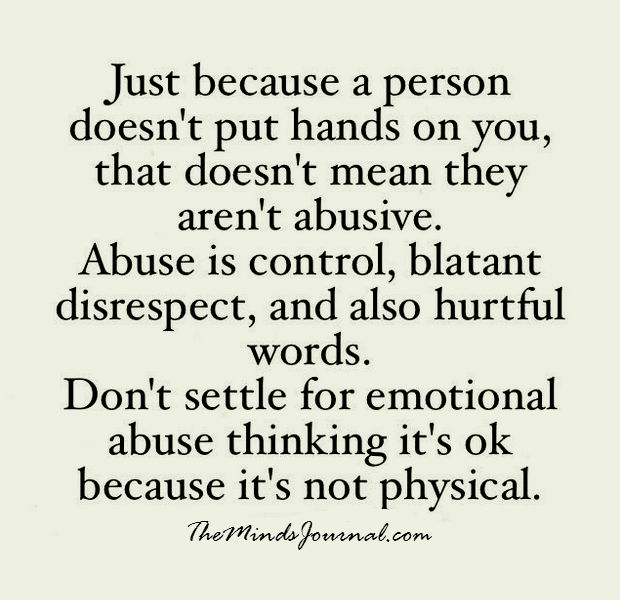
domestic violence against men

There is a great deal of shame among male domestic violence survivors, with feelings of weakness, emasculation, and embarrassment being some of the common sentiments I hear expressed. Not only are these men combating trauma from the abuse, but they also suffer from fighting against societal stereotypes.

Many abuse survivors share common themes of self-doubt and frequent questioning of their abuse, but when the abuse is non-physical, these feelings exacerbate an already present uncertainty. This can lead to people, including the victim, asking โ€œBut is the abuse really that bad?โ€ or โ€œHow much damage can one woman do?โ€

Until recently, the idea of heterosexual men being victims of domestic violence was barely considered. Gender stereotypes in our culture leave little room for cishet (โ€œstraightโ€) men to admit to being victims of any form of violence at the hands of a woman.

While it is true that the majority of domestic violence victims are female, this leaves only a small space for men who come forward needing support. Itโ€™s a little bit like priority seating on a rescue boat: women and children first. Due to not fitting our gender role expectations, male victims of abuse do not receive equal protection in the eyes of the law.

Related: Abuse Knows No Gender: Real Life Examples Of How Women Abuse Against Men

Due to the intimate and tight-lipped nature of domestic violence, it is normal that victims feel isolated, and it is common for them to feel that they are the only ones with this experience. Being a male in our culture adds another element of shame, due to our socialization of men as being unable to discuss feelings and concerns with others.

Most people would assume that a man would be able to stop any unwanted actions of domestic violence and therefore donโ€™t take it too seriously when these cases inevitably present themselves. This creates an environment that is not conducive to supporting men through domestic abuse.

If you think you are experiencing, or suspect a man you care about might be going through an abusive situation, here are some signs of domestic violence in a man to look out for:

  1. Extremeย jealousyย or possessiveness from the partner โ€” not being able to attend functions or go out with friends alone or allow other forms of privacy.
  2. Being scared of his partnerโ€™s reaction to texts/calls/social media requests from other women.
  3. The partner tells very personal details about the partner or the relationship out of malice, โ€œmaking funโ€ of him.
  4. The partner threatens to kill herself if he does/does not behave in a certain way or do a certain thing asked of him.
  5. Having other people do their dirty work โ€” asking friends to drive by his house, or otherwise checking up on him.
  6. Bragging about trying to get him fired from his job or another โ€œpunishmentโ€ for leaving the relationship.

Read more here: 9 Examples of How Men Are Emotionally Abused In Relationships and Ways To Deal

Abuse against men is often overlooked but equally damaging. Recognizing and addressing this issue is crucial, so sure to share your thoughts about domestic violence against men in the comments below!

Want to know more about domestic violence against men? Check this video out below!

References:
Seelau EP, Seelau SM, Poorman PB. Gender and role-based perceptions of domestic abuse: does sexual orientation matter? Behav Sci Law. 2003;21(2):199-214. doi: 10.1002/bsl.524. PMID: 12645045. National Coalition Against Domestic Violence. https://ncadv.org/statistics. Accessed 12/15/2021.

Written By Kaytlyn Gillis 
Originally Appeared On Psychology Today 
Domestic Violence Against Men pin
Domestic Violence Against Men Difficulty Recognizing pin

Published On:

Last updated on:

Kaytlyn Gillis LCSW-BACS

Kaytee Gillis, LCSW-BACS, is a psychotherapist, advocate, and author with a passion for working with survivors of family trauma. She received her BA in psychology from Clark University, and her Masterโ€™s from Tulane. Her work focuses on assisting survivors of family and intimate partner abuse and assisting survivors with navigating the legal system to receive protection. Her recent book, Invisible Bruises: How a Better Understanding of the Patterns of Domestic Violence Can Help Survivors Navigate the Legal System, sheds light on the ways that the legal system can perpetuate the cycle of domestic violence by failing to recognize patterns that would otherwise hold perpetrators accountable and protect survivors. Gillis provides training on recognizing patterns of domestic violence, treating the aftermath of abuse, and helping survivors move forward.

Disclaimer: The informational content on The Minds Journal have been created and reviewed by qualified mental health professionals. They are intended solely for educational and self-awareness purposes and should not be used as a substitute for professional medical advice, diagnosis, or treatment. If you are experiencing emotional distress or have concerns about your mental health, please seek help from a licensed mental health professional or healthcare provider.

Leave a Comment

Today's Horoscope

Daily Horoscope 25 March 2026: Prediction for Zodiac Signs

Daily Horoscope 25 March, 2026: Prediction For Each Zodiac Sign

Today, the message is simple: stop running on autopilot.

Latest Quizzes

Image Personality Test: Which Woman Reveals Your True Self?

Which Woman Are You? A Personality Test That Reveals Your True Inner Nature

This personality test reveals your true self based on the woman you choose. Simple, fun, and surprisingly accurate!

Latest Quotes

The Hardest Pill to Swallow: When You Meant Little to Those Who Meant Everything to You

The Hardest Pill to Swallow: When You Meant Little to Those Who Meant Everything to You

The hardest pill to swallow is realizing you meant so little in a one sided relationship. That heartbreak hurts, humbles, and ultimately teaches you to stop overgiving and start choosing yourself.

Readers Blog

Caption This Image and Selected Wisepicks โ€“ 22 March 2026

Caption This Image and Selected Wisepicks โ€“ 22 March 2026

Ready to unleash your inner wordsmith? โœจ??โ˜บ๏ธ Nowโ€™s your chance to show off your wit, charm, or sheer genius in just one line! Whether itโ€™s laugh-out-loud funny or surprisingly deep, we want to hear it.Submit your funniest, wittiest, or most thought-provoking caption in the comments. Weโ€™ll pick 15+ winners to be featured on our website…

Latest Articles

Just like domestic violence against women is a harsh reality of our society, so is domestic violence against men. Unfortunately, most people fail to acknowledge and recognize the dangers and prevalence of men as victims of domestic violence, due to years of social conditioning, brainwashing, and gender stereotyping.

Key Points

  • Gender stereotypes make it difficult to view men as victims and women as perpetrators of domestic abuse.
  • Female perpetrators tend to use different methods of abuse than men, often relying on psychological abuse and manipulation.
  • Male victims of abuse often feel isolated, embarrassed, and emasculated, making it difficult for them to come forward.

Read more here: Can Men Be Victims Of Domestic Abuse?

Understanding Domestic Violence Against Men

Very little is known about domestic violence among heterosexual or โ€œstraightโ€ men. There have been few studies conducted that include men as victims, and those that have been completed focus primarily on same-gender relationships, holding to the commonly-held stereotype that an adult straight man cannot be abused by a female partner.

According to the National Coalition Against Domestic Violence, 1 out of 9 men has reported experiencing intimate partner violence, though it is probably fair to assume that this statistic does not take into account the tendency of men to underreport domestic violence due to gender roles and the accompanying embarrassment.

Related: Misandry: How We Rarely Think About This Invisible Hatred of Men

In my experience working with survivors of domestic violence, I find that female abusers usually operate differently than males, partially due to their inability to overpower male partners, who tend to be more physically intimidating, and also due to how females are socialized in our society.

Female abusers usually resort to non-physical forms of abuse on a psychological level, such as revenge-seeking behaviors (spreading rumors or revenge postings on social media), stalking, and emotional abuse.

Women know logically that they will most likely not be able to physically surpass a manโ€™s capabilities, but they have enhanced other, more cunning skills: psychological warfare.

Unfortunately, I find that this form of abuse is capable of more harm due to it being a lot harder to spot and even more difficult to prove. Few legal structures exist to curtail non-physical forms of domestic violence, making these tactics go unnoticedโ€”and unstoppedโ€”for longer than physical violence would be tolerated.

domestic violence against men

There is a great deal of shame among male domestic violence survivors, with feelings of weakness, emasculation, and embarrassment being some of the common sentiments I hear expressed. Not only are these men combating trauma from the abuse, but they also suffer from fighting against societal stereotypes.

Many abuse survivors share common themes of self-doubt and frequent questioning of their abuse, but when the abuse is non-physical, these feelings exacerbate an already present uncertainty. This can lead to people, including the victim, asking โ€œBut is the abuse really that bad?โ€ or โ€œHow much damage can one woman do?โ€

Until recently, the idea of heterosexual men being victims of domestic violence was barely considered. Gender stereotypes in our culture leave little room for cishet (โ€œstraightโ€) men to admit to being victims of any form of violence at the hands of a woman.

While it is true that the majority of domestic violence victims are female, this leaves only a small space for men who come forward needing support. Itโ€™s a little bit like priority seating on a rescue boat: women and children first. Due to not fitting our gender role expectations, male victims of abuse do not receive equal protection in the eyes of the law.

Related: Abuse Knows No Gender: Real Life Examples Of How Women Abuse Against Men

Due to the intimate and tight-lipped nature of domestic violence, it is normal that victims feel isolated, and it is common for them to feel that they are the only ones with this experience. Being a male in our culture adds another element of shame, due to our socialization of men as being unable to discuss feelings and concerns with others.

Most people would assume that a man would be able to stop any unwanted actions of domestic violence and therefore donโ€™t take it too seriously when these cases inevitably present themselves. This creates an environment that is not conducive to supporting men through domestic abuse.

If you think you are experiencing, or suspect a man you care about might be going through an abusive situation, here are some signs of domestic violence in a man to look out for:

  1. Extremeย jealousyย or possessiveness from the partner โ€” not being able to attend functions or go out with friends alone or allow other forms of privacy.
  2. Being scared of his partnerโ€™s reaction to texts/calls/social media requests from other women.
  3. The partner tells very personal details about the partner or the relationship out of malice, โ€œmaking funโ€ of him.
  4. The partner threatens to kill herself if he does/does not behave in a certain way or do a certain thing asked of him.
  5. Having other people do their dirty work โ€” asking friends to drive by his house, or otherwise checking up on him.
  6. Bragging about trying to get him fired from his job or another โ€œpunishmentโ€ for leaving the relationship.

Read more here: 9 Examples of How Men Are Emotionally Abused In Relationships and Ways To Deal

Abuse against men is often overlooked but equally damaging. Recognizing and addressing this issue is crucial, so sure to share your thoughts about domestic violence against men in the comments below!

Want to know more about domestic violence against men? Check this video out below!

References:
Seelau EP, Seelau SM, Poorman PB. Gender and role-based perceptions of domestic abuse: does sexual orientation matter? Behav Sci Law. 2003;21(2):199-214. doi: 10.1002/bsl.524. PMID: 12645045. National Coalition Against Domestic Violence. https://ncadv.org/statistics. Accessed 12/15/2021.

Written By Kaytlyn Gillis 
Originally Appeared On Psychology Today 
Domestic Violence Against Men pin
Domestic Violence Against Men Difficulty Recognizing pin

Published On:

Last updated on:

Kaytlyn Gillis LCSW-BACS

Kaytee Gillis, LCSW-BACS, is a psychotherapist, advocate, and author with a passion for working with survivors of family trauma. She received her BA in psychology from Clark University, and her Masterโ€™s from Tulane. Her work focuses on assisting survivors of family and intimate partner abuse and assisting survivors with navigating the legal system to receive protection. Her recent book, Invisible Bruises: How a Better Understanding of the Patterns of Domestic Violence Can Help Survivors Navigate the Legal System, sheds light on the ways that the legal system can perpetuate the cycle of domestic violence by failing to recognize patterns that would otherwise hold perpetrators accountable and protect survivors. Gillis provides training on recognizing patterns of domestic violence, treating the aftermath of abuse, and helping survivors move forward.

Leave a Comment

    Leave a Comment