5 Techniques To Heal Your Emotional Triggers

Author : Dr. Judith Orloff

What are emotional triggers? They are those super-reactive places inside you that become activated by someone else’s behaviors or comments. How to heal emotional triggers?

When triggered, you may either withdraw emotionally and simply feel hurt or angry or respond in an aggressive way that you will probably regret later. Your reaction is so intense because you’re defending against a painful feeling that has surfaced.

For instance, if a co-worker says, “You’re not smart enough to apply for that great job” or a relative says, “You’re too old to find a mate” you become triggered. You get upset, doubt yourself, and feel inferior or even wrongly think that you’re “over the hill.” (There is no “hill to be over.”)  On the other hand, if you thought, “That’s ridiculous. Of course I’m qualified for the job,” or “No matter my age, I can find a wonderful mate” you’re not in a triggered state because you recognize your true worth.

Your emotional triggers are wounds that need to heal. These beliefs are based on fears—they are not reality. You don’t want to be frequently triggered. It is exhausting and painful, especially for highly sensitive and empathic people.

To heal emotional triggers, begin to compassionately examine and shift any beliefs that you’ve carried around from your family or society such as “I am not smart enough” or “I’m too sensitive.” You need to gently address the parts of yourself that feel flawed or have self-doubts about your body-image or your worthiness to find a partner. When you heal the initial trauma or false belief, you set yourself emotionally free. Then you won’t become as easily triggered or drained.

Use these strategies, which are adapted from my book The Empath’s Survival Guide, to start healing your emotional triggers.

Strategy 1. Be aware.

In your journal, identify your top three emotional triggers which cause you to be most upset and thrown off balance. For instance, when someone criticizes your weight or appearance? Or if you don’t earn a certain income? Or perhaps you feel unlovable and undeserving of a healthy relationship? Write these down to clarify the aspects of yourself that need to heal.

Read 10 Hidden Anxiety Triggers You Should Know About

Strategy 2. Track the trigger’s origin.

Journal about where these triggers originated. For example, did your parents say that you were “too fat” or unattractive? Did a teacher tell you that you didn’t have what it takes to succeed in school? Or were you neglected by your family, so you grew up feeling un-loveable. Knowing where your triggers come from allows you to know yourself better.

Strategy 3. Reprogram negative beliefs.

Start with one trigger that has the least emotional charge and begins to compassionately reprogram it.  Tell yourself, “This is not reality”. What’s actually true is, “I am loveable, capable and smart.” Substitute the negative belief with a positive, more realistic one.

Read Finding Your Triggers For A Rich Life: How The Flow State Ignites Intrinsic Motivation

Strategy 4. Act as-if. 

At the start of the healing process, you might need to “act-as-if” when you haven’t fully integrated a new positive belief. That’s okay. For instance, simply saying to someone, “I disagree. I fully deserve this great job” (even when you don’t fully believe that) paves the way for a deeper belief later on. Or “I am proud of my sensitivities. Please do not put them down.” Sometimes you need to practice a more enlightened behavior for it to sink in and become real.

Strategy 5. Work with a therapist or coach.  
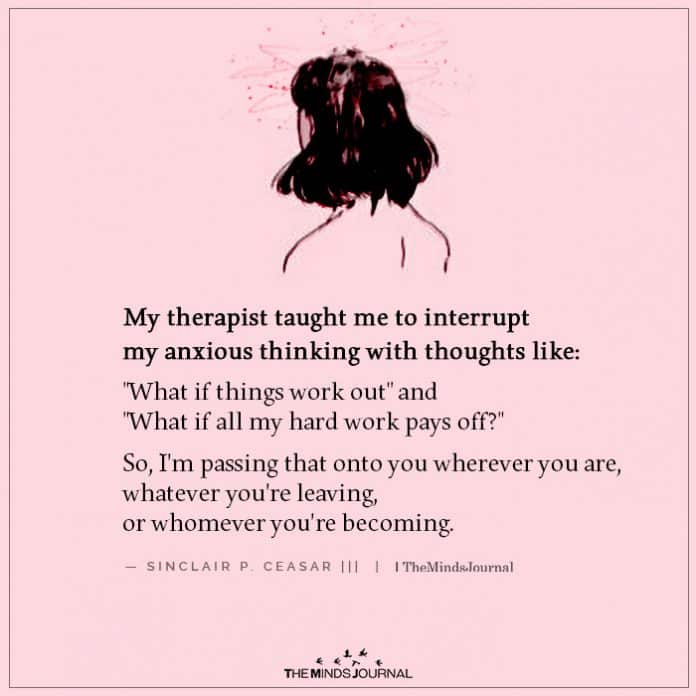
therapist

It’s often useful to seek guidance to help you find the root of the trigger and process the feelings involved. You may feel tremendous rage or sadness that your family never believed in you, so you never learned to believe in yourself. Expressing and releasing the feelings allows you to heal the trigger and move on to embrace your true power.

Healing your triggers is liberating because you won’t be thrown off or drained by people’s inappropriate comments. They may still be annoying, but they won’t have the power to zap you. The more you heal your emotional triggers, the more emotionally free you will be.

 (Adapted from The Empath’s Survival Guide: Life Strategies for Sensitive People by Judith Orloff, MD)


Healing Your Emotional Triggers 5 Ways to Be Less Reactive
heal emotional triggers pin

Published On:

Last updated on:

Dr. Judith Orloff

Judith Orloff, MD is the New York Times best-selling author of The Empath’s Survival Guide: Life Strategies for Sensitive People. Her new book Thriving as an Empath offers daily self-care tools for sensitive people along with its companion The Empath’s Empowerment Journal. Dr. Orloff is a psychiatrist, an empath, and is on the UCLA Psychiatric Clinical Faculty. She synthesizes the pearls of traditional medicine with cutting edge knowledge of intuition, energy, and spirituality. Dr. Orloff also specializes in treating highly sensitive, empathic people in her private practice. Dr. Orloff’s work has been featured on The Today Show, CNN, Oprah Magazine, the New York Times. Dr. Orloff has spoken at Google-LA and has a popular TEDX talk. Her other books are Thriving as an Empath: 365 Days of Self-Care for Sensitive People, The Empowered Empath’s Journal, Emotional Freedom and Guide to Intuitive Healing. Explore more information about her Empath Support Online course and speaking schedule on www.drjudithorloff.com.

Disclaimer: The informational content on The Minds Journal have been created and reviewed by qualified mental health professionals. They are intended solely for educational and self-awareness purposes and should not be used as a substitute for professional medical advice, diagnosis, or treatment. If you are experiencing emotional distress or have concerns about your mental health, please seek help from a licensed mental health professional or healthcare provider.

Leave a Comment

Today's Horoscope

Weekly Horoscope 21 March to 28 March 2026

Weekly Horoscope 21 March to 28 March 2026

Ready to see what this week will bring for your zodiac sign? Check out your weekly horoscope below!

Latest Quizzes

Free Vase Personality Test: 3 Options; Choose A Vase

Vase Personality Test: Your First Pick Reveals Your Main Character Trait

Take a moment, look closely, and pick an object that represents you.

Latest Quotes

We’re Not Antisocial: We’re Craving True Belonging, Not Shallow Interactions

We’re Not Antisocial: We’re Craving True Belonging, Not Shallow Interactions

We’re not antisocial; we’re just tired of shallow interactions. When you’re craving belonging, small talk feels empty, and your mind longs for deeper, authentic connection that truly sees you.

Readers Blog

Caption This Image and Selected Wisepicks – 22 March 2026

Caption This Image and Selected Wisepicks – 22 March 2026

Ready to unleash your inner wordsmith? ✨??☺️ Now’s your chance to show off your wit, charm, or sheer genius in just one line! Whether it’s laugh-out-loud funny or surprisingly deep, we want to hear it.Submit your funniest, wittiest, or most thought-provoking caption in the comments. We’ll pick 15+ winners to be featured on our website…

Latest Articles

What are emotional triggers? They are those super-reactive places inside you that become activated by someone else’s behaviors or comments. How to heal emotional triggers?

When triggered, you may either withdraw emotionally and simply feel hurt or angry or respond in an aggressive way that you will probably regret later. Your reaction is so intense because you’re defending against a painful feeling that has surfaced.

For instance, if a co-worker says, “You’re not smart enough to apply for that great job” or a relative says, “You’re too old to find a mate” you become triggered. You get upset, doubt yourself, and feel inferior or even wrongly think that you’re “over the hill.” (There is no “hill to be over.”)  On the other hand, if you thought, “That’s ridiculous. Of course I’m qualified for the job,” or “No matter my age, I can find a wonderful mate” you’re not in a triggered state because you recognize your true worth.

Your emotional triggers are wounds that need to heal. These beliefs are based on fears—they are not reality. You don’t want to be frequently triggered. It is exhausting and painful, especially for highly sensitive and empathic people.

To heal emotional triggers, begin to compassionately examine and shift any beliefs that you’ve carried around from your family or society such as “I am not smart enough” or “I’m too sensitive.” You need to gently address the parts of yourself that feel flawed or have self-doubts about your body-image or your worthiness to find a partner. When you heal the initial trauma or false belief, you set yourself emotionally free. Then you won’t become as easily triggered or drained.

Use these strategies, which are adapted from my book The Empath’s Survival Guide, to start healing your emotional triggers.

Strategy 1. Be aware.

In your journal, identify your top three emotional triggers which cause you to be most upset and thrown off balance. For instance, when someone criticizes your weight or appearance? Or if you don’t earn a certain income? Or perhaps you feel unlovable and undeserving of a healthy relationship? Write these down to clarify the aspects of yourself that need to heal.

Read 10 Hidden Anxiety Triggers You Should Know About

Strategy 2. Track the trigger’s origin.

Journal about where these triggers originated. For example, did your parents say that you were “too fat” or unattractive? Did a teacher tell you that you didn’t have what it takes to succeed in school? Or were you neglected by your family, so you grew up feeling un-loveable. Knowing where your triggers come from allows you to know yourself better.

Strategy 3. Reprogram negative beliefs.

Start with one trigger that has the least emotional charge and begins to compassionately reprogram it.  Tell yourself, “This is not reality”. What’s actually true is, “I am loveable, capable and smart.” Substitute the negative belief with a positive, more realistic one.

Read Finding Your Triggers For A Rich Life: How The Flow State Ignites Intrinsic Motivation

Strategy 4. Act as-if. 

At the start of the healing process, you might need to “act-as-if” when you haven’t fully integrated a new positive belief. That’s okay. For instance, simply saying to someone, “I disagree. I fully deserve this great job” (even when you don’t fully believe that) paves the way for a deeper belief later on. Or “I am proud of my sensitivities. Please do not put them down.” Sometimes you need to practice a more enlightened behavior for it to sink in and become real.

Strategy 5. Work with a therapist or coach.  

therapist

It’s often useful to seek guidance to help you find the root of the trigger and process the feelings involved. You may feel tremendous rage or sadness that your family never believed in you, so you never learned to believe in yourself. Expressing and releasing the feelings allows you to heal the trigger and move on to embrace your true power.

Healing your triggers is liberating because you won’t be thrown off or drained by people’s inappropriate comments. They may still be annoying, but they won’t have the power to zap you. The more you heal your emotional triggers, the more emotionally free you will be.

 (Adapted from The Empath’s Survival Guide: Life Strategies for Sensitive People by Judith Orloff, MD)


Healing Your Emotional Triggers 5 Ways to Be Less Reactive
heal emotional triggers pin

Published On:

Last updated on:

Dr. Judith Orloff

Judith Orloff, MD is the New York Times best-selling author of The Empath’s Survival Guide: Life Strategies for Sensitive People. Her new book Thriving as an Empath offers daily self-care tools for sensitive people along with its companion The Empath’s Empowerment Journal. Dr. Orloff is a psychiatrist, an empath, and is on the UCLA Psychiatric Clinical Faculty. She synthesizes the pearls of traditional medicine with cutting edge knowledge of intuition, energy, and spirituality. Dr. Orloff also specializes in treating highly sensitive, empathic people in her private practice. Dr. Orloff’s work has been featured on The Today Show, CNN, Oprah Magazine, the New York Times. Dr. Orloff has spoken at Google-LA and has a popular TEDX talk. Her other books are Thriving as an Empath: 365 Days of Self-Care for Sensitive People, The Empowered Empath’s Journal, Emotional Freedom and Guide to Intuitive Healing. Explore more information about her Empath Support Online course and speaking schedule on www.drjudithorloff.com.

Leave a Comment

    Leave a Comment