14 Signs Of Imposter Syndrome That Psychology Experts Talk About

Author : Alexandra Hall

Imposter syndrome has a strange way of creeping into your mind just when things start going well. You might be doing great at work, hitting milestones, and hearing praise from others, yet a small voice inside keeps whispering that you are not as capable as people think.

If that sounds familiar, you are not alone. Learning to recognize the signs of imposter syndrome can help you understand why success sometimes feels uncomfortable instead of exciting.

The good news is that awareness is the first step toward overcoming imposter syndrome. Once you see the pattern, you can start challenging those thoughts and finally give yourself credit for how far you have come.

Related: Why Successful, Confident People Still Feel Inferior Or Incapable

What Is Imposter Syndrome?

You know you are experiencing imposter syndrome when you feel incompetent and a fraud on the inside, even if other people consider you to be talented, hardworking, and successful. No matter how much you accomplish in life, you either feel like a fraud, or you feel like you havenโ€™t done enough to deserve success and adulation.

You feel like a phony all the time, and keep pushing yourself to be even better. This results in you feeling even more stressed out and burned out. Even though imposter syndrome is not a diagnosable mental illness, itโ€™s a hard thing to deal with, mentally, emotionally, and psychologically.

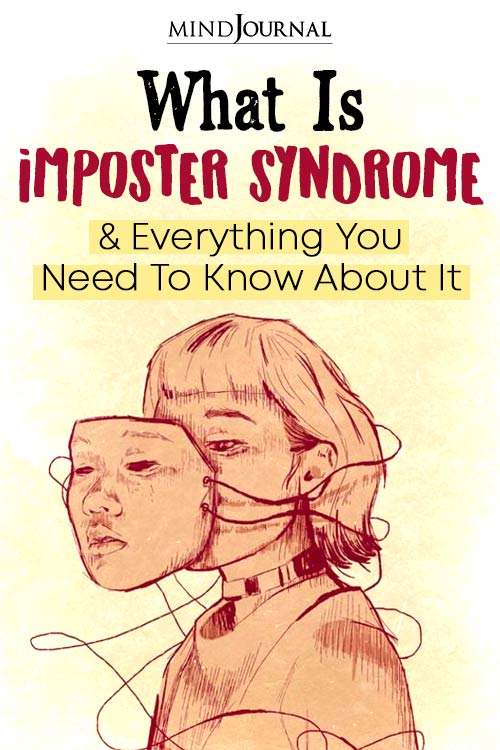
imposter syndrome

Signs Of Imposter Syndrome

Some of the common signs and symptoms of imposter syndrome are the following:

  • Feeling guilty about the success youโ€™ve achieved.
  • Constantly doubting yourself and your abilities.
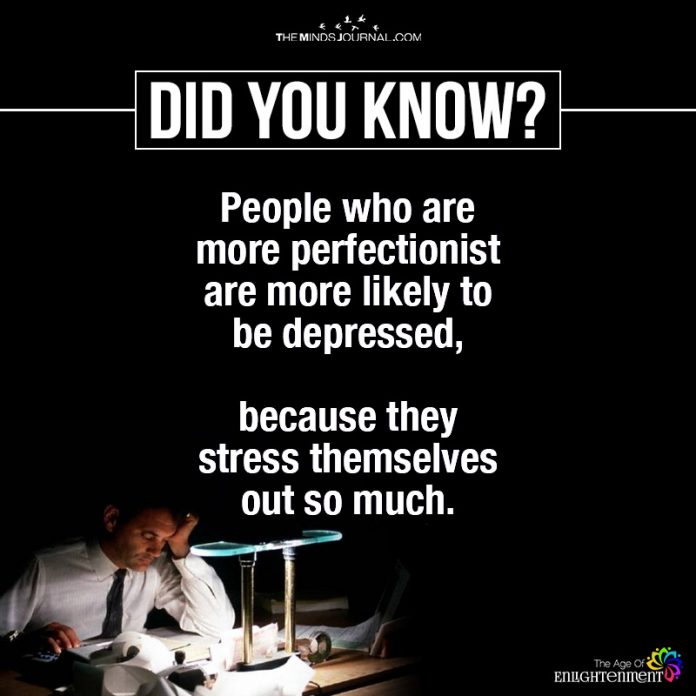
  • You are a toxic perfectionist, who always wants perfection in everything you do, otherwise, you are dissatisfied.
  • Finding it hard to believe people when they appreciate and compliment you.
  • You set really challenging goals and then feel crushed and disappointed when youโ€™re not able to achieve them.
  • Firmly believing that it was luck, not talent and hard work that gave you the success you have today.
  • Feeling like you donโ€™t deserve the success you have achieved.
  • Obsessing about the smallest mistakes you make, which most of the time are irrelevant and negligible.
  • Working very hard to conceal your flaws and failures so that people donโ€™t judge you and see you as โ€œimperfectโ€.
  • Undervaluing your skills, talent, and abilities.
  • Undermining or ignoring positive feedback.
  • Feeling depressed and anxious.
  • Always overpreparing because you constantly feel like you will fail.
  • Not trusting others, and refusing to ask for help when things get too stressful and overwhelming due to the fear of being exposed as incompetent and not good enough.

Related: 7 Signs of Imposter Syndrome

Common Statements Of Imposter Syndrome

These are some of the common statements people make if they are experiencing imposter syndrome:

  • โ€œI will be exposed as a fraud very soon.โ€
  • โ€œI am not good enough.โ€
  • โ€œWhat I am doing is not enough, I need to push myself harder.โ€
  • โ€œItโ€™s because of luck that I am successful.โ€
  • โ€œI had a lot of help.โ€
  • โ€œFailure is never an option. If I fail, I am useless.โ€
  • โ€œI am incapable of living up to everyoneโ€™s expectations of me.โ€
  • โ€œI donโ€™t deserve this success.โ€
  • โ€œAnybody can do what I have done. Anybody can achieve what I have achieved.โ€
  • โ€œIf I can be successful, anybody can be successful.โ€
  • โ€œIf someone is complimenting and appreciating me, theyโ€™re just being nice.โ€
imposter syndrome

5 Types Of Imposter Syndrome

There are five types of imposter syndrome, and itโ€™s important to understand all the types if you are wondering how to overcome imposter syndrome.

1. The Expert

The expert feels like a fraud and an imposter when they see that they donโ€™t know everything about a particular topic or issue. Unless they know every detail about something and have all the information, they feel incompetent.

They always feel that thereโ€™s so much more to learn, and unless they do that, they can never be an โ€œexpertโ€ in the truest sense.

2. The Soloist

When you ask for help to achieve something or reach somewhere it ends up making you feel like an imposter. Because you have not done everything yourself, and you asked for help, it minimizes your achievements in your eyes.

You didnโ€™t reach where you are solo, and that makes you question your abilities, talent, and competence.

Related: 7 Imposter Syndrome Myths You Should Know About

3. The Perfectionist

This type of imposter syndrome is pretty self-explanatory. You want everything to be absolutely perfect, and if itโ€™s not, you feel like an imposter. Itโ€™s not perfectionism you chase, itโ€™s toxic perfectionism.

If things are not 100% perfect, you keep on telling yourself that you are not as good and talented as people think you are.

4. The Superhuman

If you think like a superhuman, then youโ€™re someone who firmly believes that you always have to be the hardest worker in the room and have the most number of achievements amongst everyone, otherwise youโ€™re an imposter.

This ends up taking a toll on your physical, mental, and psychological health, but you still donโ€™t stop.

5. The Natural Genius

If you suffer from this type of imposter syndrome, then you feel incompetent if you are not naturally gifted, talented, and intelligent.

If you donโ€™t succeed in your very first attempt, or it takes you a bit longer than others to master and learn something, you feel like a fraud and imposter.

How To Deal With Imposter Syndrome?

1. Understand and acknowledge your anxiety and fear.

The first step to dealing with imposter syndrome is to acknowledge that you have imposter syndrome. You have to acknowledge the fear and anxiety you feel, otherwise, you will never be able to overcome this. Remember that feeling like this sometimes is completely normal, and you are not alone in this.

Imposter syndrome normally shows up when you are given important opportunities, and somewhere deep inside you, thereโ€™s a small doubt about whether you will be able to do it or not. Donโ€™t think from the outset that you canโ€™t do it, and speak to yourself in a confident and kind way.

Related: 6 Hacks For Battling Imposter Syndrome

2. Know the difference between fear and modesty.

When you are undermining your achievements, are you being humble or is your imposter syndrome making you feel fearful? Try and learn the difference between the two, because this can go a long way in overcoming imposter syndrome. Being humble about your work and accomplishments is an amazing quality to have, but feeling inadequate and scared to acknowledge your effort is not.

Dealing with imposter syndrome means striking a perfect balance between feeling proud of what you have achieved, and not becoming arrogant about it. Acknowledging your efforts and achievements without feeling like an imposter is the ultimate goal.

3. Stop thinking that you need to be a perfectionist.

Perfectionism to some extent is fine, but when you cross over to the toxic perfectionism territory, that is when you know you need to take a few steps back. Wanting to give something your all is okay, but not at the sake of your mental health. Also, perfectionism is overrated, you know.

Obsessing about perfectionism only ends up making your imposter syndrome worse. You feel like an imposter because you compare yourself with โ€œperfectionโ€ which most of the time is impractical, illogical, and unrealistic.

4. Treat yourself with kindness and compassion.

Last but not the least, if you want to deal with your imposter syndrome, then you need to learn self-compassion and self-acceptance. If you keep on berating yourself for not being perfect, for not being good enough, talented enough, or not successful enough, you will be stuck in this vicious spot.

Self-acceptance and self-compassion are the only ways through which you can be comfortable and happy with yourself. Because at the end of the day, life is not just about your achievements and accomplishments, itโ€™s so much more than that.

Related: How To Defeat Imposter Syndrome and Bring Success Into Your Life

Do any of these signs resonate with you? Let us know your experiences and thoughts in the comments down below!


Frequently Asked Questions (FAQs)

1. What are the 4 P’s of imposter syndrome?

The 4 Pโ€™s of imposter syndrome are perfectionism, paralysis, people-pleasing, and procrastination. Perfectionism makes you feel nothing you do is ever good enough. Paralysis happens when fear of failure stops you from taking action. People-pleasing pushes you to constantly seek approval and validation from others. Procrastination shows up when you delay tasks because you doubt your abilities. Together, these patterns feed self-doubt and make it harder to recognize your own achievements and strengths.

2. Do high IQ people suffer from imposter syndrome?

Yes, high-IQ people can experience imposter syndrome, sometimes even more intensely. Because they tend to think deeply and analyze their performance, they may focus on what they donโ€™t know rather than what they have achieved. This constant self-evaluation can make them feel like they are not truly as capable as others believe. As a result, even highly intelligent individuals may doubt their abilities and attribute their success to luck or timing.

3. What is the feeling of imposter syndrome?

Imposter syndrome feels like a constant fear of being โ€œfound out.โ€ Even when you achieve something meaningful, a voice in your mind tells you it was luck or timing, not your ability. You may worry that people will eventually realize you are not as capable as they think. This creates ongoing self-doubt, anxiety, and pressure to prove yourself, making it hard to fully accept praise or feel proud of your accomplishments.

The Imposter Syndrome

Published On:

Last updated on:

Alexandra Hall

Iโ€™m Alexandra Hall, a journalism grad whoโ€™s endlessly curious about the inner workings of the human heart and mind. I write about relationships, psychology, spirituality, mental health, and books, weaving insight with empathy. If itโ€™s raw, real, and thought-provoking, itโ€™s probably on my radar.

Disclaimer: The informational content on The Minds Journal have been created and reviewed by qualified mental health professionals. They are intended solely for educational and self-awareness purposes and should not be used as a substitute for professional medical advice, diagnosis, or treatment. If you are experiencing emotional distress or have concerns about your mental health, please seek help from a licensed mental health professional or healthcare provider.

Leave a Comment

Today's Horoscope

Weekly Horoscope PART one

Weekly Horoscope 15 March to 21 March 2026

Read your zodiac signโ€™s prediction to understand the energy surrounding you and how to make the most of the days ahead!

Latest Quizzes

Interesting Finger Personality Test: 4 Finger Lines

Finger Personality Test: Join Your Fingers And Reveal A Hidden Personality Secret!

Look closely at your finger lines. Which pattern do you see? This personality test might surprise you!

Latest Quotes

How Men Show Love Through Actions (Male Psychology in Relationships)

How Men Show Love Through Actions (Male Psychology in Relationships)

Male psychology in relationships shows that men express love through presence, protection, and peace more than poetry. Decode his actions so you can see how deeply he actually cares.

Readers Blog

Caption This Image and Selected Wisepicks โ€“ 15 March 2026

Caption This Image and Selected Wisepicks โ€“ 15 March 2026

Ready to unleash your inner wordsmith? โœจ??โ˜บ๏ธ Nowโ€™s your chance to show off your wit, charm, or sheer genius in just one line! Whether itโ€™s laugh-out-loud funny or surprisingly deep, we want to hear it.Submit your funniest, wittiest, or most thought-provoking caption in the comments. Weโ€™ll pick 15+ winners to be featured on our website…

Latest Articles

Imposter syndrome has a strange way of creeping into your mind just when things start going well. You might be doing great at work, hitting milestones, and hearing praise from others, yet a small voice inside keeps whispering that you are not as capable as people think.

If that sounds familiar, you are not alone. Learning to recognize the signs of imposter syndrome can help you understand why success sometimes feels uncomfortable instead of exciting.

The good news is that awareness is the first step toward overcoming imposter syndrome. Once you see the pattern, you can start challenging those thoughts and finally give yourself credit for how far you have come.

Related: Why Successful, Confident People Still Feel Inferior Or Incapable

What Is Imposter Syndrome?

You know you are experiencing imposter syndrome when you feel incompetent and a fraud on the inside, even if other people consider you to be talented, hardworking, and successful. No matter how much you accomplish in life, you either feel like a fraud, or you feel like you havenโ€™t done enough to deserve success and adulation.

You feel like a phony all the time, and keep pushing yourself to be even better. This results in you feeling even more stressed out and burned out. Even though imposter syndrome is not a diagnosable mental illness, itโ€™s a hard thing to deal with, mentally, emotionally, and psychologically.

imposter syndrome

Signs Of Imposter Syndrome

Some of the common signs and symptoms of imposter syndrome are the following:

  • Feeling guilty about the success youโ€™ve achieved.
  • Constantly doubting yourself and your abilities.
  • You are a toxic perfectionist, who always wants perfection in everything you do, otherwise, you are dissatisfied.
  • Finding it hard to believe people when they appreciate and compliment you.
  • You set really challenging goals and then feel crushed and disappointed when youโ€™re not able to achieve them.
  • Firmly believing that it was luck, not talent and hard work that gave you the success you have today.
  • Feeling like you donโ€™t deserve the success you have achieved.
  • Obsessing about the smallest mistakes you make, which most of the time are irrelevant and negligible.
  • Working very hard to conceal your flaws and failures so that people donโ€™t judge you and see you as โ€œimperfectโ€.
  • Undervaluing your skills, talent, and abilities.
  • Undermining or ignoring positive feedback.
  • Feeling depressed and anxious.
  • Always overpreparing because you constantly feel like you will fail.
  • Not trusting others, and refusing to ask for help when things get too stressful and overwhelming due to the fear of being exposed as incompetent and not good enough.

Related: 7 Signs of Imposter Syndrome

Common Statements Of Imposter Syndrome

These are some of the common statements people make if they are experiencing imposter syndrome:

  • โ€œI will be exposed as a fraud very soon.โ€
  • โ€œI am not good enough.โ€
  • โ€œWhat I am doing is not enough, I need to push myself harder.โ€
  • โ€œItโ€™s because of luck that I am successful.โ€
  • โ€œI had a lot of help.โ€
  • โ€œFailure is never an option. If I fail, I am useless.โ€
  • โ€œI am incapable of living up to everyoneโ€™s expectations of me.โ€
  • โ€œI donโ€™t deserve this success.โ€
  • โ€œAnybody can do what I have done. Anybody can achieve what I have achieved.โ€
  • โ€œIf I can be successful, anybody can be successful.โ€
  • โ€œIf someone is complimenting and appreciating me, theyโ€™re just being nice.โ€
imposter syndrome

5 Types Of Imposter Syndrome

There are five types of imposter syndrome, and itโ€™s important to understand all the types if you are wondering how to overcome imposter syndrome.

1. The Expert

The expert feels like a fraud and an imposter when they see that they donโ€™t know everything about a particular topic or issue. Unless they know every detail about something and have all the information, they feel incompetent.

They always feel that thereโ€™s so much more to learn, and unless they do that, they can never be an โ€œexpertโ€ in the truest sense.

2. The Soloist

When you ask for help to achieve something or reach somewhere it ends up making you feel like an imposter. Because you have not done everything yourself, and you asked for help, it minimizes your achievements in your eyes.

You didnโ€™t reach where you are solo, and that makes you question your abilities, talent, and competence.

Related: 7 Imposter Syndrome Myths You Should Know About

3. The Perfectionist

This type of imposter syndrome is pretty self-explanatory. You want everything to be absolutely perfect, and if itโ€™s not, you feel like an imposter. Itโ€™s not perfectionism you chase, itโ€™s toxic perfectionism.

If things are not 100% perfect, you keep on telling yourself that you are not as good and talented as people think you are.

4. The Superhuman

If you think like a superhuman, then youโ€™re someone who firmly believes that you always have to be the hardest worker in the room and have the most number of achievements amongst everyone, otherwise youโ€™re an imposter.

This ends up taking a toll on your physical, mental, and psychological health, but you still donโ€™t stop.

5. The Natural Genius

If you suffer from this type of imposter syndrome, then you feel incompetent if you are not naturally gifted, talented, and intelligent.

If you donโ€™t succeed in your very first attempt, or it takes you a bit longer than others to master and learn something, you feel like a fraud and imposter.

How To Deal With Imposter Syndrome?

1. Understand and acknowledge your anxiety and fear.

The first step to dealing with imposter syndrome is to acknowledge that you have imposter syndrome. You have to acknowledge the fear and anxiety you feel, otherwise, you will never be able to overcome this. Remember that feeling like this sometimes is completely normal, and you are not alone in this.

Imposter syndrome normally shows up when you are given important opportunities, and somewhere deep inside you, thereโ€™s a small doubt about whether you will be able to do it or not. Donโ€™t think from the outset that you canโ€™t do it, and speak to yourself in a confident and kind way.

Related: 6 Hacks For Battling Imposter Syndrome

2. Know the difference between fear and modesty.

When you are undermining your achievements, are you being humble or is your imposter syndrome making you feel fearful? Try and learn the difference between the two, because this can go a long way in overcoming imposter syndrome. Being humble about your work and accomplishments is an amazing quality to have, but feeling inadequate and scared to acknowledge your effort is not.

Dealing with imposter syndrome means striking a perfect balance between feeling proud of what you have achieved, and not becoming arrogant about it. Acknowledging your efforts and achievements without feeling like an imposter is the ultimate goal.

3. Stop thinking that you need to be a perfectionist.

Perfectionism to some extent is fine, but when you cross over to the toxic perfectionism territory, that is when you know you need to take a few steps back. Wanting to give something your all is okay, but not at the sake of your mental health. Also, perfectionism is overrated, you know.

Obsessing about perfectionism only ends up making your imposter syndrome worse. You feel like an imposter because you compare yourself with โ€œperfectionโ€ which most of the time is impractical, illogical, and unrealistic.

4. Treat yourself with kindness and compassion.

Last but not the least, if you want to deal with your imposter syndrome, then you need to learn self-compassion and self-acceptance. If you keep on berating yourself for not being perfect, for not being good enough, talented enough, or not successful enough, you will be stuck in this vicious spot.

Self-acceptance and self-compassion are the only ways through which you can be comfortable and happy with yourself. Because at the end of the day, life is not just about your achievements and accomplishments, itโ€™s so much more than that.

Related: How To Defeat Imposter Syndrome and Bring Success Into Your Life

Do any of these signs resonate with you? Let us know your experiences and thoughts in the comments down below!


Frequently Asked Questions (FAQs)

1. What are the 4 P’s of imposter syndrome?

The 4 Pโ€™s of imposter syndrome are perfectionism, paralysis, people-pleasing, and procrastination. Perfectionism makes you feel nothing you do is ever good enough. Paralysis happens when fear of failure stops you from taking action. People-pleasing pushes you to constantly seek approval and validation from others. Procrastination shows up when you delay tasks because you doubt your abilities. Together, these patterns feed self-doubt and make it harder to recognize your own achievements and strengths.

2. Do high IQ people suffer from imposter syndrome?

Yes, high-IQ people can experience imposter syndrome, sometimes even more intensely. Because they tend to think deeply and analyze their performance, they may focus on what they donโ€™t know rather than what they have achieved. This constant self-evaluation can make them feel like they are not truly as capable as others believe. As a result, even highly intelligent individuals may doubt their abilities and attribute their success to luck or timing.

3. What is the feeling of imposter syndrome?

Imposter syndrome feels like a constant fear of being โ€œfound out.โ€ Even when you achieve something meaningful, a voice in your mind tells you it was luck or timing, not your ability. You may worry that people will eventually realize you are not as capable as they think. This creates ongoing self-doubt, anxiety, and pressure to prove yourself, making it hard to fully accept praise or feel proud of your accomplishments.

The Imposter Syndrome

Published On:

Last updated on:

Alexandra Hall

Iโ€™m Alexandra Hall, a journalism grad whoโ€™s endlessly curious about the inner workings of the human heart and mind. I write about relationships, psychology, spirituality, mental health, and books, weaving insight with empathy. If itโ€™s raw, real, and thought-provoking, itโ€™s probably on my radar.

Leave a Comment

    Leave a Comment