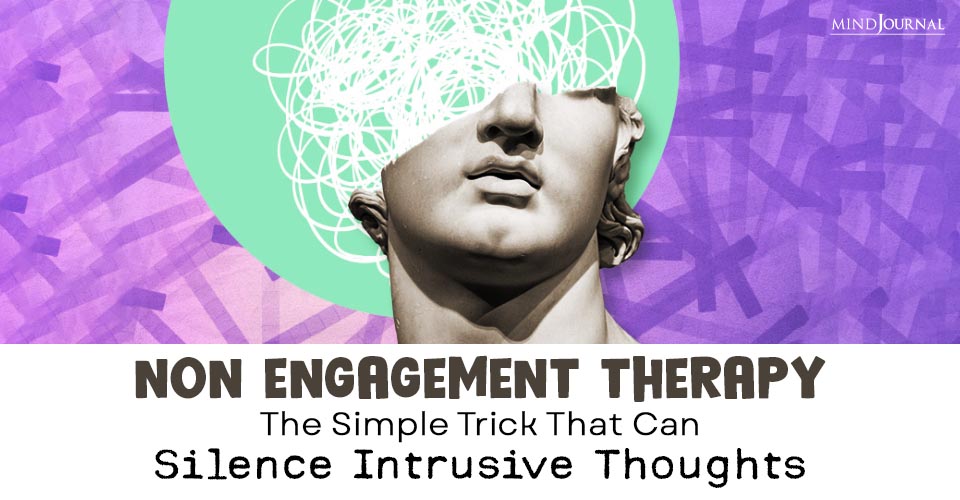
Non Engagement Therapy: The Simple Trick That Can Silence Intrusive Thoughts

Author : Clara Belle

Non Engagement Responses: 6 Ways How It Works Best

When you live with OCD or Anxiety, your mind can feel like a relentless war zone… There is a constant, exhausting urge to rush, to argue with the intrusive thoughts, fix the patterns, and negotiate with the fear.

But the most effective move you can make isn’t a counter-attack; it’s a withdrawal. Check out Non-Engagement Responses (NER) therapy that can be highly effective here.

What is the Non Engagement Responses Therapy Technique?

A Non Engagement Response is a neutral way to respond when an anxious thought or rumination peeks in. It focuses on disengagement. 

Imagine that your OCD or anxiety is a mental bully. Now in real life there would be no point talking back to a bully because it is your triggered reactions and fears that fuel them. Non Engagement technique pretty much follows the same approach.

If you keep doing this, gradually the attacker (which here, is your ruminating thoughts and urges) will back down. However, when you respond with an argument, you end up giving the attacker more energy to continue.

non engagement responses

At its core, the Non Engagement Responses are closely similar to the principles of Exposure and Response Prevention (ERP) Therapy. But the subtle shift in focus here is that your goal is not to eliminate your thoughts. It’s only to disengage from them.

How Does the Non Engagement Responses Treatment Work? 6 Key Principles

1. Your Mind Learns to Bend Instead of Break
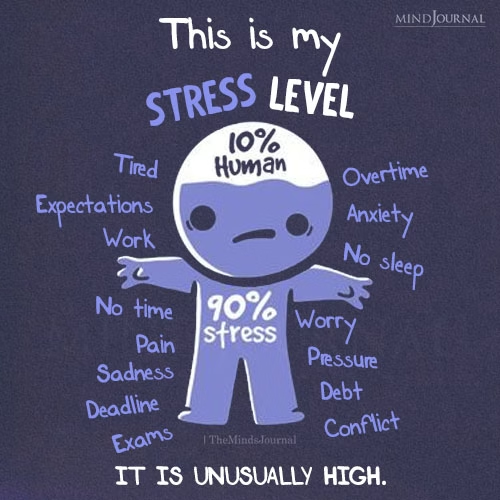
You become mentally more resilient rather than feeling mentally stuck. Instead of getting locked into one fearful thought, you get a psychological cognitive flexibility that lets your mind open up further. 

You understand that you don’t have to solve every discomfort immediately. You can just let them be. This gives your brain the ability to mould and bend rather than totally break. 

Your thoughts begin to feel less rigid and less threatening. When you’re able to sit with your discomfort without reacting, it can reduce your anxiety and ocd symptoms up to 50%.

2. You Stop Feeling Controlled by Your Urges

When you stop responding to urges, the urge to compulse gradually loses its grip on you. It feels difficult in the beginning. Your urges don’t completely disappear; they slowly weaken. 

However, the crucial thing it does is that each time you don’t act, your brain learns to note and treat this difference in actions from your side. 

Your brain works on a fixed wiring. As you weave into it the direction about those impulses not being necessary, your brain rewires itself. 

The moment you disengage, you stop feeding your own anxiety. This can then lead to a decrease in the frequency of obsessions. With time, the intensity and the frequency of your old urges and usual compulsions begin to drop. 

Read More Here: What Causes Anxiousness? 9 Factors That Lie At The Root Of Anxiety

3. You Notice More Freedom in Your Everyday Life

The Non Engagement Responses treatment improves your quality of life. Symptoms and urges tend to shrink down your real living world and cage it within your fears. 

Even if you know those fears don’t make sense, and the thoughts are intrusive, you cannot seem to break free. 

But with Non Engagement Responses, your focus begins to shift gradually towards the outer world again. It focuses on your instinctive values on the basis of which you live rather than fighting every thought. 

You start noticing life beyond your thoughts. In this way, you are able to expand not only your energy but also your time and attention span. 

4. You Learn to Hold Your Worries Without Reacting

The Non Engagement Responses treatment teaches you to make space where you can hold your worries. 

Instead of completely trying to eliminate discomfort, your brain gets the assurance that not every anxious feeling or intrusive thought is a real danger. 

For anxiety and OCD treatment, the restlessness isn’t rushed to escape; it’s made more manageable. You learn to see the rise and fall of anxiety on its own without feeling the need to constantly intervene.  

5. You Build Tolerance for Uncertainty (Without Realizing It)
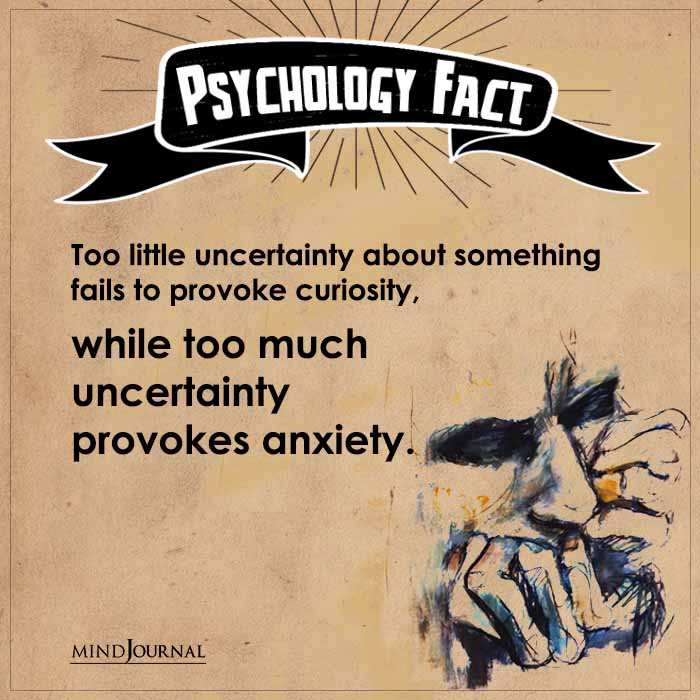
Anxiety and OCD basically sustains itself on the need for certainty by seeking constant reassurance. 

When you stop chasing and feeling a sense of desperation and urgency towards receiving that assurance, you slowly become more comfortable with not knowing.

Your ability to accept things increases, and you build “maybe, maybe not” OCD Non Engagement Responses towards what earlier would have felt unmanageable and unbearable.

Read More Here: From Genes to Brain Chemistry: What Are The Causes Of OCD?

6. You Start Living Alongside Thoughts, Not Inside Them

The Non Engagement Responses approach treats it like a “mental bully” or a game of playing “mental ping pong”. 

Once this separation happens from within yourself, it stops making your thoughts and urges define who you are.

You are able to reclaim your daily functioning by learning to coexist with their presence. Now you can put yourself out of participation in this game of solving endless, uncertain problems.

It is now your whole life that you are participating in. Not a game of mental rumination within your filtered fears.

Non Engagement Phrases When Your Intrusive Thoughts Trigger You

  • “I guess I’ll find out.” helps you accept uncertainty; not immediately jump to figuring out the ‘what if’
  • “Maybe, maybe not.”  acts like a neutral response to any apparently urgent question or worry
  • “That’s an interesting thought.” helps you acknowledge the thought without giving it any importance
  • “Moving right along.” shows your indifference to the thought and let’s you continue with your current activity
  • “That’s just the OCD/anxious thinking.” helps you label your intrusive thought and separate it from yourself 
  • “That’s just a thought happening, not a command.” helps you create a distance between the necessity of acting on them
  • “I’m allowing this thought to be here without fixing it.” helps you allow yourself to feel the  discomfort without compulsively seeking safety.

So, the bottom line is…

Non Engagement Responses are deliberate, short and often sarcastic replies to the mental bully that’s been living inside you in the form of OCD and anxiety. 

It neither asks you to argue with nor fix the intrusive thoughts and urges, nor does it ask you to suppress them. When you name them separately as OCD thoughts and symptoms, you already prevent them from defining your existence and learn to live with them side-by-side. 

The Non Engagement Responses OCD treatment removes the rule-like rigidity, on which the OCD structure thrives, and lets you come back to it even if you have at times engaged with the thought. 

It gradually tries to break your temporary relief structures so that you can learn to consciously have a better hold of what can give you actual relief.


Frequently Asked Questions

1. How effective is the Non Engagement Responses OCD treatment?

It is a highly effective treatment approach when used as a part of Exposure and Response Prevention therapy. It serves as a crucial component to break the OCD cycle. It lets you accept and acknowledge thoughts without engaging in compulsive rumination or reassurance-seeking, thus reducing the power of obsessions.

2. What are some other anxiety and OCD treatment options?

Besides the non engagement and ERP approaches, other closely linked options are the Cognitive Behavioral Therapy (CBT), Dialectical Behavioral Therapy (DBT), and Acceptance and Commitment Therapy (ACT).

anxiety and ocd treatment

Published On:

Last updated on:

Clara Belle

I'm Clara Belle, pursuing my graduation in English. My love for reading has taken me to different worlds of how people think and love and function. I find mental health and its matters really interesting. My writings explore my interests further. I write about relationships, personality types, mental health, and book reviews. Hope I could present something new to you today!

Disclaimer: The informational content on The Minds Journal have been created and reviewed by qualified mental health professionals. They are intended solely for educational and self-awareness purposes and should not be used as a substitute for professional medical advice, diagnosis, or treatment. If you are experiencing emotional distress or have concerns about your mental health, please seek help from a licensed mental health professional or healthcare provider.

Leave a Comment

Today's Horoscope

Daily Horoscope 28 April, 2026

Daily Horoscope 28 April, 2026: Prediction For Each Zodiac Sign

Let's find out what 28th April has in store for your zodiac!

Latest Quizzes

What Is My Core Wound Quiz? 10 Signs That Expose It!

What You Notice First in Someone Isn’t Random—Take This Quiz to Reveal Your Core Wound

What you notice first in others may quietly mirror your own needs that go unseen and unmet. Take this simple quiz to help you uncover the core wounds hidden beneath that actually shape you.

Latest Quotes

Human Psychology Facts: How These Cognitive Biases Quietly Shape Your Life

Human Psychology Facts: How These Cognitive Biases Quietly Shape Your Life

Human psychology facts show how your brain quietly edits reality. From the Pratfall Effect to the Halo Effect, these cognitive biases influence who you like, what you notice, and how confident you feel.

Readers Blog

Caption This Image and Selected Wisepicks – 26 April 2026

Caption This Image and Selected Wisepicks – 26 April 2026

Ready to unleash your inner wordsmith? ✨??☺️ Now’s your chance to show off your wit, charm, or sheer genius in just one line! Whether it’s laugh-out-loud funny or surprisingly deep, we want to hear it.Submit your funniest, wittiest, or most thought-provoking caption in the comments. We’ll pick 15+ winners to be featured on our website…

Latest Articles

Non Engagement Responses: 6 Ways How It Works Best

When you live with OCD or Anxiety, your mind can feel like a relentless war zone… There is a constant, exhausting urge to rush, to argue with the intrusive thoughts, fix the patterns, and negotiate with the fear.

But the most effective move you can make isn’t a counter-attack; it’s a withdrawal. Check out Non-Engagement Responses (NER) therapy that can be highly effective here.

What is the Non Engagement Responses Therapy Technique?

A Non Engagement Response is a neutral way to respond when an anxious thought or rumination peeks in. It focuses on disengagement. 

Imagine that your OCD or anxiety is a mental bully. Now in real life there would be no point talking back to a bully because it is your triggered reactions and fears that fuel them. Non Engagement technique pretty much follows the same approach.

If you keep doing this, gradually the attacker (which here, is your ruminating thoughts and urges) will back down. However, when you respond with an argument, you end up giving the attacker more energy to continue.

non engagement responses

At its core, the Non Engagement Responses are closely similar to the principles of Exposure and Response Prevention (ERP) Therapy. But the subtle shift in focus here is that your goal is not to eliminate your thoughts. It’s only to disengage from them.

How Does the Non Engagement Responses Treatment Work? 6 Key Principles

1. Your Mind Learns to Bend Instead of Break

You become mentally more resilient rather than feeling mentally stuck. Instead of getting locked into one fearful thought, you get a psychological cognitive flexibility that lets your mind open up further. 

You understand that you don’t have to solve every discomfort immediately. You can just let them be. This gives your brain the ability to mould and bend rather than totally break. 

Your thoughts begin to feel less rigid and less threatening. When you’re able to sit with your discomfort without reacting, it can reduce your anxiety and ocd symptoms up to 50%.

2. You Stop Feeling Controlled by Your Urges

When you stop responding to urges, the urge to compulse gradually loses its grip on you. It feels difficult in the beginning. Your urges don’t completely disappear; they slowly weaken. 

However, the crucial thing it does is that each time you don’t act, your brain learns to note and treat this difference in actions from your side. 

Your brain works on a fixed wiring. As you weave into it the direction about those impulses not being necessary, your brain rewires itself. 

The moment you disengage, you stop feeding your own anxiety. This can then lead to a decrease in the frequency of obsessions. With time, the intensity and the frequency of your old urges and usual compulsions begin to drop. 

Read More Here: What Causes Anxiousness? 9 Factors That Lie At The Root Of Anxiety

3. You Notice More Freedom in Your Everyday Life

The Non Engagement Responses treatment improves your quality of life. Symptoms and urges tend to shrink down your real living world and cage it within your fears. 

Even if you know those fears don’t make sense, and the thoughts are intrusive, you cannot seem to break free. 

But with Non Engagement Responses, your focus begins to shift gradually towards the outer world again. It focuses on your instinctive values on the basis of which you live rather than fighting every thought. 

You start noticing life beyond your thoughts. In this way, you are able to expand not only your energy but also your time and attention span. 

4. You Learn to Hold Your Worries Without Reacting

The Non Engagement Responses treatment teaches you to make space where you can hold your worries. 

Instead of completely trying to eliminate discomfort, your brain gets the assurance that not every anxious feeling or intrusive thought is a real danger. 

For anxiety and OCD treatment, the restlessness isn’t rushed to escape; it’s made more manageable. You learn to see the rise and fall of anxiety on its own without feeling the need to constantly intervene.  

5. You Build Tolerance for Uncertainty (Without Realizing It)

Anxiety and OCD basically sustains itself on the need for certainty by seeking constant reassurance. 

When you stop chasing and feeling a sense of desperation and urgency towards receiving that assurance, you slowly become more comfortable with not knowing.

Your ability to accept things increases, and you build “maybe, maybe not” OCD Non Engagement Responses towards what earlier would have felt unmanageable and unbearable.

Read More Here: From Genes to Brain Chemistry: What Are The Causes Of OCD?

6. You Start Living Alongside Thoughts, Not Inside Them

The Non Engagement Responses approach treats it like a “mental bully” or a game of playing “mental ping pong”. 

Once this separation happens from within yourself, it stops making your thoughts and urges define who you are.

You are able to reclaim your daily functioning by learning to coexist with their presence. Now you can put yourself out of participation in this game of solving endless, uncertain problems.

It is now your whole life that you are participating in. Not a game of mental rumination within your filtered fears.

Non Engagement Phrases When Your Intrusive Thoughts Trigger You

  • “I guess I’ll find out.” helps you accept uncertainty; not immediately jump to figuring out the ‘what if’
  • “Maybe, maybe not.”  acts like a neutral response to any apparently urgent question or worry
  • “That’s an interesting thought.” helps you acknowledge the thought without giving it any importance
  • “Moving right along.” shows your indifference to the thought and let’s you continue with your current activity
  • “That’s just the OCD/anxious thinking.” helps you label your intrusive thought and separate it from yourself 
  • “That’s just a thought happening, not a command.” helps you create a distance between the necessity of acting on them
  • “I’m allowing this thought to be here without fixing it.” helps you allow yourself to feel the  discomfort without compulsively seeking safety.

So, the bottom line is…

Non Engagement Responses are deliberate, short and often sarcastic replies to the mental bully that’s been living inside you in the form of OCD and anxiety. 

It neither asks you to argue with nor fix the intrusive thoughts and urges, nor does it ask you to suppress them. When you name them separately as OCD thoughts and symptoms, you already prevent them from defining your existence and learn to live with them side-by-side. 

The Non Engagement Responses OCD treatment removes the rule-like rigidity, on which the OCD structure thrives, and lets you come back to it even if you have at times engaged with the thought. 

It gradually tries to break your temporary relief structures so that you can learn to consciously have a better hold of what can give you actual relief.


Frequently Asked Questions

1. How effective is the Non Engagement Responses OCD treatment?

It is a highly effective treatment approach when used as a part of Exposure and Response Prevention therapy. It serves as a crucial component to break the OCD cycle. It lets you accept and acknowledge thoughts without engaging in compulsive rumination or reassurance-seeking, thus reducing the power of obsessions.

2. What are some other anxiety and OCD treatment options?

Besides the non engagement and ERP approaches, other closely linked options are the Cognitive Behavioral Therapy (CBT), Dialectical Behavioral Therapy (DBT), and Acceptance and Commitment Therapy (ACT).


anxiety and ocd treatment

Published On:

Last updated on:

Clara Belle

I'm Clara Belle, pursuing my graduation in English. My love for reading has taken me to different worlds of how people think and love and function. I find mental health and its matters really interesting. My writings explore my interests further. I write about relationships, personality types, mental health, and book reviews. Hope I could present something new to you today!

Leave a Comment

    Leave a Comment