Coping With Physical Anxiety Symptoms

Author : Dr. Jennifer Caspari

Coping With Physical Anxiety Symptoms

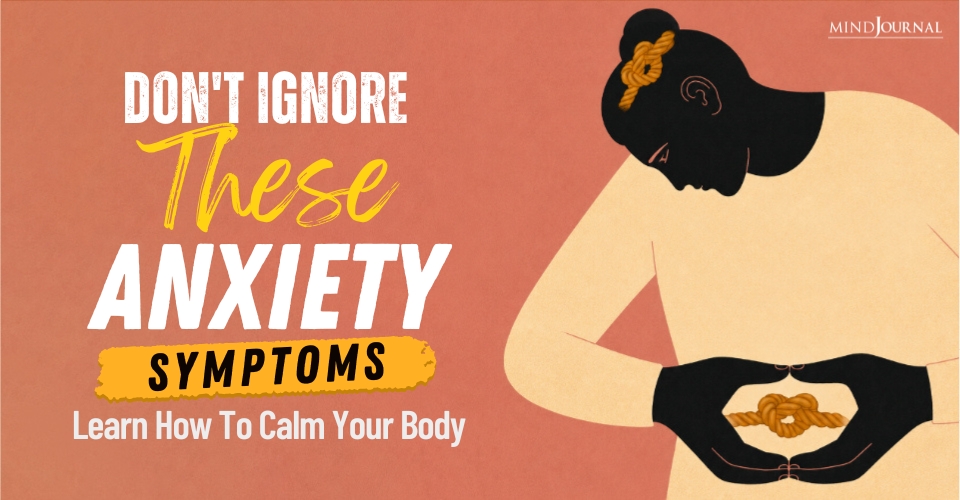
Dealing with physical anxiety symptoms can feel terrifying. Learn ways to regain control when your body reacts to stress or fear!

Feeling incapable is a symptom of anxiety, and not a fact of your body.

Key points

  • Experiencing strong and uncomfortable physical sensations is a common part of anxiety.
  • When anxious, you may feel like you don’t have control over your body and lose a sense of physical capability.
  • Taking action while anxious shows how capable you are. You are doing what is meaningful, even when it’s hard.

Experiencing strong and uncomfortable physical sensations is a common part of anxiety. Your heart may pound or race, you may feel tightness in your chest, dizziness, a dry mouth, or stomach upset. When these symptoms occur, it feels like you don’t have control over your body, and you may lose a sense of physical capability.

Over the past couple of months, I have experienced physical symptoms of anxiety when walking outside, something I have never felt before, and the symptoms have diminished my sense of capability. This has been a challenging experience, and as I work to build back my capability, I want to share effective strategies for coping with physical anxiety.

Read More Here: The Emotional Cost of Masking Anxiety In Our Daily Life

Coping With Physical Anxiety Symptoms

Acknowledge That You Are Safe

Often, when you experience physical anxiety, it is because your anxiety alarm is misfiring, telling you there is a threat or danger when you are actually safe. Feeling a sense of threat is frequently based on the idea that something bad could happen, not on an actual danger in the moment. For example, your heart may pound before talking in front of a group because the idea that the group may negatively judge you feels threatening. However, you are not in danger.

When strong physical signs of anxiety arise, such as a racing heart, shortness of breath, or muscle tremors, you may quickly think there is an impending threat, including possible physical collapse or incapability. However, in these moments, your body is not broken or incapable; your nervous system is simply highly sensitive and reactive. Your anxiety alarm is firing loudly, yet there is no fire. It is misfiring.

If you notice that you are saying things to yourself, such as “My body isn’t working” or “I can’t do this,” shift to saying, “My anxiety alarm is misfiring. There is no danger here. I am safe.”

Know That You Can Do Things While Anxious

Doing something with difficulty is not the same as being incapable. It is very true that taking action when anxious is difficult. Anxiety symptoms can make it much more challenging to engage in behaviors that are perhaps easy when not feeling anxious. However, doing something with difficulty is not the same as being incapable. Doing something while anxious shows you how capable you are. You are doing what is important to you, even when it’s hard.

Make Room for Your Symptoms

When experiencing very uncomfortable and unpleasant symptoms, it is natural to want them to go away. This can lead you to get into a tug-of-war with your symptoms, which amplifies them. The more you tell yourself, “I hate feeling this way,” or “I can’t feel this way,” the more intense the symptoms will be. Further, the more you pull against the symptoms, the more exhausted and incapable you will feel.

Practice dropping the rope in the tug-of-war with your symptoms, and shift to making room for your symptoms. You can do this by slowly breathing and imagining that your body is expanding and making more room for your symptoms. Just allow them to be present. You don’t have to push them away, and you don’t have to hug them. Just let them be.

Breathe

When physical anxiety symptoms make your body feel unsafe or unreliable, practice breathing and grounding skills to feel a bit calmer and more grounded. For example, breathe slowly and lengthen your exhale. Slowly inhale to a count of 3, and exhale to a count of 6. Or, practice the 54321 Grounding Skill by pausing and naming 5 things you can see, 4 things you can touch, 3 things you can hear, 2 things you can smell (or like the smell of), and 1 thing you can taste (or like the taste of).

Even though you can’t simply switch off anxiety symptoms, you can influence your physiological state and turn down the intensity of the symptoms.

Build Capability With Small Behaviors

Break activities into small pieces, and acknowledge wins. If your sense of capability feels low, start small. For example, if a 20-minute walk is too much, perhaps a five-minute walk is more doable, or you may simply want to spend a few minutes outside and feel the fresh air on your face. Small behaviors build up over time and strengthen your sense of capability. You are rebuilding capability through small, consistent behaviors, even when anxious. And acknowledge all you are doing. It is challenging work.

Read More Here: 6 ‘Guilty Pleasures’ You Don’t Have to Feel Guilty About

Find (and Repeat) What Makes You Feel Capable

Think about what helps you feel strong and capable, and repeat it. Is there a word, phrase, certain movement, or activity that allows you to feel a bit more confident and helps propel you forward? For example, you may simply say to yourself, “I am strong and capable,” or “I am capable even if I feel anxious,” or “Charge!” Perhaps you feel strong when standing up tall with your shoulders back and your head high. Of course, this may be a difficult posture to adopt when feeling anxious, and it is possible. Repeat what helps you reclaim your capability.

Remember, feeling incapable is a symptom of anxiety, and not a fact of your body.


Written by Jennifer Caspari, Ph.D
Originally Appeared on Psychology Today
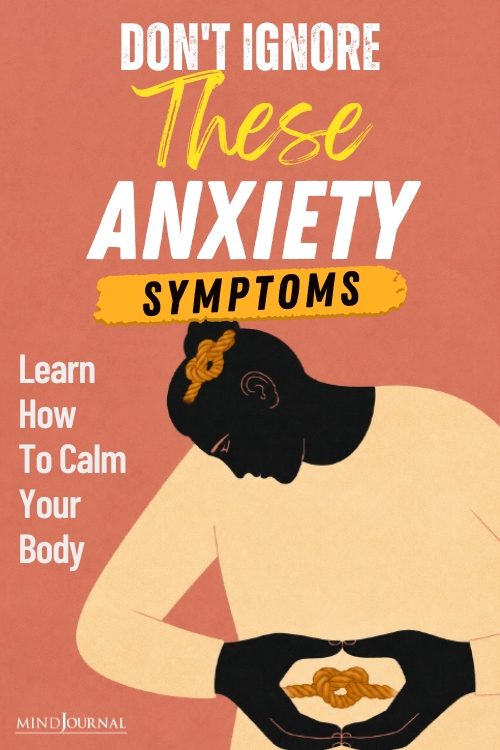
Coping With Physical Anxiety Symptoms

Published On:

Last updated on:

Dr. Jennifer Caspari

Jennifer Caspari, Ph.D., is a registered/licensed clinical psychologist working at Tall Tree Integrated Health in Vancouver, BC. Caspari has over fifteen years of experience as a clinical psychologist and specializes in general and health psychology, delivering evidence-based psychotherapies to adults experiencing a variety of presenting concerns. She earned her undergraduate degree in psychology from American University, a master’s degree in community counseling from George Washington University, and a Ph.D. in counseling psychology from the University of Denver. Prior to joining Tall Tree, Caspari worked at CBT Denver, the University of Colorado, within the Division of Hematology, and at VA medical centers in Washington, DC, and Portland, OR. She is the author of You Are More Than Your Body.

Disclaimer: The informational content on The Minds Journal have been created and reviewed by qualified mental health professionals. They are intended solely for educational and self-awareness purposes and should not be used as a substitute for professional medical advice, diagnosis, or treatment. If you are experiencing emotional distress or have concerns about your mental health, please seek help from a licensed mental health professional or healthcare provider.

Leave a Comment

Today's Horoscope

Daily Horoscope 20 May, 2026: Prediction For Each Zodiac Sign

Daily Horoscope 20 May, 2026: Prediction For Each Zodiac Sign

Curious about what the stars have planned for you today? Your daily horoscope for 20 May, 2026, reveals the influences below!

Latest Quizzes

What You See First May Expose Your “Blocked Inner Trauma” The Answer Might Shock You!

What You See First May Expose Your “Blocked Inner Trauma” — The Answer Might Shock You!

This viral image test claims the first thing you see may reveal your blocked inner trauma. Look closely… then read your result!

Latest Quotes

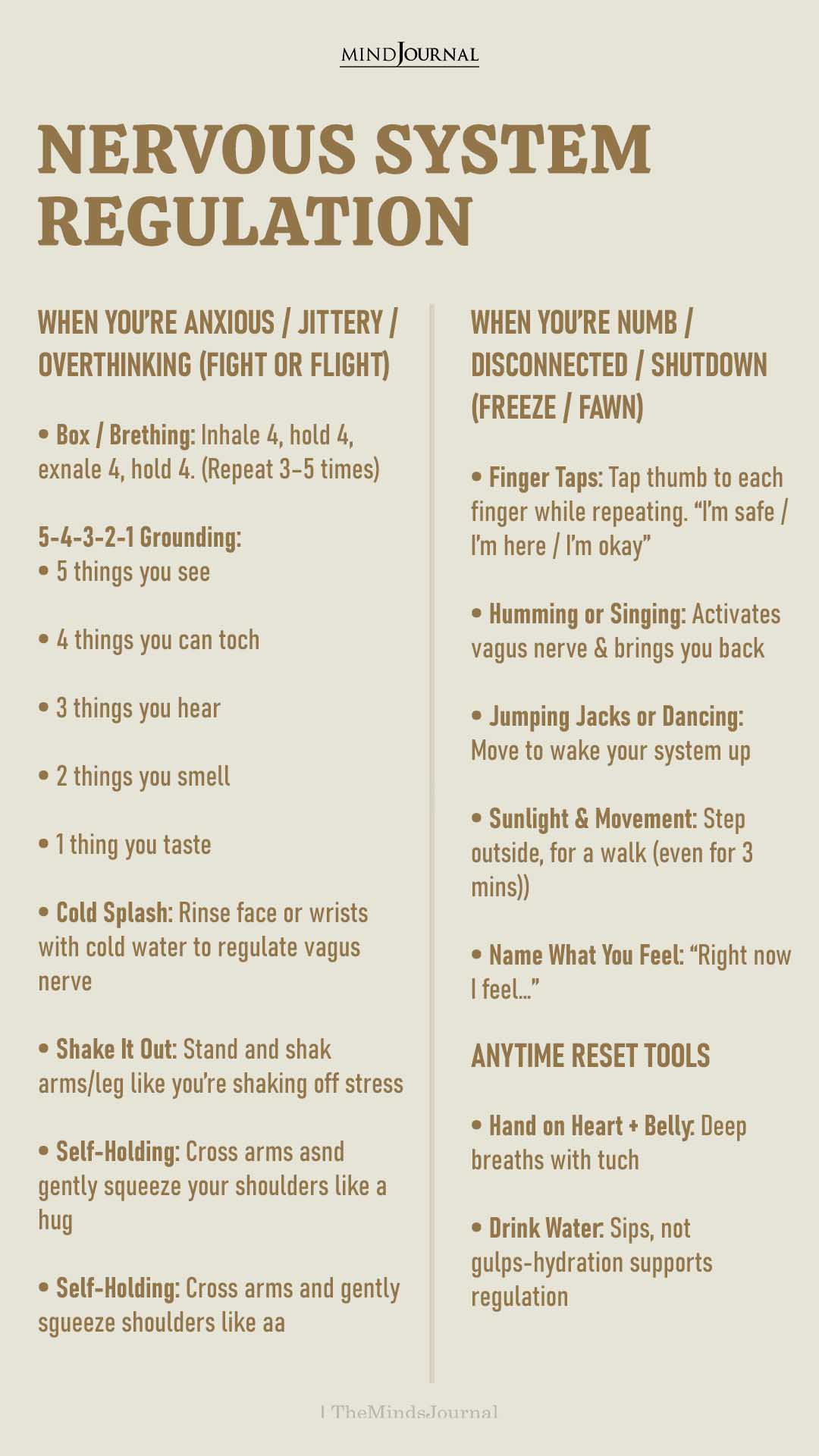
Nervous System Regulation: Simple Tools to Calm Anxiety and Reconnect With Your Body

Nervous System Regulation: Simple Tools to Calm Anxiety and Reconnect With Your Body

Nervous system regulation matters most when you feel anxious, numb, or stuck in overthinking. These simple grounding tools and breath practices help calm fight-or-flight and gently wake you from shutdown.

Readers Blog

Caption This Image and Selected Wisepicks – 17 May 2026

Caption This Image and Selected Wisepicks – 17 May 2026

Ready to unleash your inner wordsmith? ✨??☺️ Now’s your chance to show off your wit, charm, or sheer genius in just one line! Whether it’s laugh-out-loud funny or surprisingly deep, we want to hear it.Submit your funniest, wittiest, or most thought-provoking caption in the comments. We’ll pick 15+ winners to be featured on our website…

Latest Articles

Coping With Physical Anxiety Symptoms

Dealing with physical anxiety symptoms can feel terrifying. Learn ways to regain control when your body reacts to stress or fear!

Feeling incapable is a symptom of anxiety, and not a fact of your body.

Key points

  • Experiencing strong and uncomfortable physical sensations is a common part of anxiety.
  • When anxious, you may feel like you don’t have control over your body and lose a sense of physical capability.
  • Taking action while anxious shows how capable you are. You are doing what is meaningful, even when it’s hard.

Experiencing strong and uncomfortable physical sensations is a common part of anxiety. Your heart may pound or race, you may feel tightness in your chest, dizziness, a dry mouth, or stomach upset. When these symptoms occur, it feels like you don’t have control over your body, and you may lose a sense of physical capability.

Over the past couple of months, I have experienced physical symptoms of anxiety when walking outside, something I have never felt before, and the symptoms have diminished my sense of capability. This has been a challenging experience, and as I work to build back my capability, I want to share effective strategies for coping with physical anxiety.

Read More Here: The Emotional Cost of Masking Anxiety In Our Daily Life

Coping With Physical Anxiety Symptoms

Acknowledge That You Are Safe

Often, when you experience physical anxiety, it is because your anxiety alarm is misfiring, telling you there is a threat or danger when you are actually safe. Feeling a sense of threat is frequently based on the idea that something bad could happen, not on an actual danger in the moment. For example, your heart may pound before talking in front of a group because the idea that the group may negatively judge you feels threatening. However, you are not in danger.

When strong physical signs of anxiety arise, such as a racing heart, shortness of breath, or muscle tremors, you may quickly think there is an impending threat, including possible physical collapse or incapability. However, in these moments, your body is not broken or incapable; your nervous system is simply highly sensitive and reactive. Your anxiety alarm is firing loudly, yet there is no fire. It is misfiring.

If you notice that you are saying things to yourself, such as “My body isn’t working” or “I can’t do this,” shift to saying, “My anxiety alarm is misfiring. There is no danger here. I am safe.”

Know That You Can Do Things While Anxious

Doing something with difficulty is not the same as being incapable. It is very true that taking action when anxious is difficult. Anxiety symptoms can make it much more challenging to engage in behaviors that are perhaps easy when not feeling anxious. However, doing something with difficulty is not the same as being incapable. Doing something while anxious shows you how capable you are. You are doing what is important to you, even when it’s hard.

Make Room for Your Symptoms

When experiencing very uncomfortable and unpleasant symptoms, it is natural to want them to go away. This can lead you to get into a tug-of-war with your symptoms, which amplifies them. The more you tell yourself, “I hate feeling this way,” or “I can’t feel this way,” the more intense the symptoms will be. Further, the more you pull against the symptoms, the more exhausted and incapable you will feel.

Practice dropping the rope in the tug-of-war with your symptoms, and shift to making room for your symptoms. You can do this by slowly breathing and imagining that your body is expanding and making more room for your symptoms. Just allow them to be present. You don’t have to push them away, and you don’t have to hug them. Just let them be.

Breathe

When physical anxiety symptoms make your body feel unsafe or unreliable, practice breathing and grounding skills to feel a bit calmer and more grounded. For example, breathe slowly and lengthen your exhale. Slowly inhale to a count of 3, and exhale to a count of 6. Or, practice the 54321 Grounding Skill by pausing and naming 5 things you can see, 4 things you can touch, 3 things you can hear, 2 things you can smell (or like the smell of), and 1 thing you can taste (or like the taste of).

Even though you can’t simply switch off anxiety symptoms, you can influence your physiological state and turn down the intensity of the symptoms.

Build Capability With Small Behaviors

Break activities into small pieces, and acknowledge wins. If your sense of capability feels low, start small. For example, if a 20-minute walk is too much, perhaps a five-minute walk is more doable, or you may simply want to spend a few minutes outside and feel the fresh air on your face. Small behaviors build up over time and strengthen your sense of capability. You are rebuilding capability through small, consistent behaviors, even when anxious. And acknowledge all you are doing. It is challenging work.

Read More Here: 6 ‘Guilty Pleasures’ You Don’t Have to Feel Guilty About

Find (and Repeat) What Makes You Feel Capable

Think about what helps you feel strong and capable, and repeat it. Is there a word, phrase, certain movement, or activity that allows you to feel a bit more confident and helps propel you forward? For example, you may simply say to yourself, “I am strong and capable,” or “I am capable even if I feel anxious,” or “Charge!” Perhaps you feel strong when standing up tall with your shoulders back and your head high. Of course, this may be a difficult posture to adopt when feeling anxious, and it is possible. Repeat what helps you reclaim your capability.

Remember, feeling incapable is a symptom of anxiety, and not a fact of your body.


Written by Jennifer Caspari, Ph.D
Originally Appeared on Psychology Today

Coping With Physical Anxiety Symptoms

Published On:

Last updated on:

Dr. Jennifer Caspari

Jennifer Caspari, Ph.D., is a registered/licensed clinical psychologist working at Tall Tree Integrated Health in Vancouver, BC. Caspari has over fifteen years of experience as a clinical psychologist and specializes in general and health psychology, delivering evidence-based psychotherapies to adults experiencing a variety of presenting concerns. She earned her undergraduate degree in psychology from American University, a master’s degree in community counseling from George Washington University, and a Ph.D. in counseling psychology from the University of Denver. Prior to joining Tall Tree, Caspari worked at CBT Denver, the University of Colorado, within the Division of Hematology, and at VA medical centers in Washington, DC, and Portland, OR. She is the author of You Are More Than Your Body.

Leave a Comment

    Leave a Comment