
Americans Mental Health Resolutions Continue to Shape Daily Habits in 2026

Author : Jessica Taylor

Americans Mental Health Resolutions Continue to Shape Daily Habits in 2026

Mental health whether it be organizational introspection or personal proactivity continues to top Americans New Year resolutions far beyond the New Year, into 2026. 38 percent of Americans stated in the American Psychiatric Association’s Healthy Minds Poll to having at least one mental health resolution in motion heading into 2026 (up from 33 percent the year before) a huge jump, considering Americans mental health has been long settled as just another aspect of private life. The main enginer to propel Americans mental health into the categorical mainstream is, not surprisingly, America’s working age-adults, of which 58 percent of 18 34 year olds, compared to older peoples, stated to having a mental health goal in mind.

And so, this poll shows that Americans’ mental health resolutions reach well beyond common lifestyle shifts. We‘re talking about starting (or restarting) mental health treatment, creating regular exercise habits, developing mindfulness practices or meditation stops, protecting sleep, and cutting down on social media and news that make us feel anxious. Instead of focusing on weight loss or dollars saved, they seem to be realizing that minds and feelings help determine everything that matters-most importantly, their relationships and parenting, their jobs, and their art. To that degree, Americans mental health resolutions are a means of achieving other resolutions.

Of course, it‘s important to remember that this survey still suggests that even those who report not disliking or at least liking their “good” and “excellent” mental health could do better. While 63% of respondents report being in good mental health, over ¼ also report their mental health as “fair” or “poor,” and most are still reporting being “constantly worried about money, politics and what is happening in the world.” This good dose of humility about the state of the American‘s mental health can in turn diminish the stigma about seeking help by reminding everyone that they are not alone in having a hard time.

The specialists recommending coverage using the APA guidelines support a soft, nonpathological method to American mental health solutions. Instead of the all-or-nothing of running ten miles a day forever, they say offering little, attainable accomplishments that can be gradually built upon over the years. “That can be as easy as making one phone call, calling up one therapist,” says one provider. “Taking one brisk five-minute walk, having one tech-free evening every week.” If you miss a day or two, OK just pick up again.

To employers, schools and policy makers, we must see the sheer number of Americans in 2015 who made mental health resolutions as a rallying cry that emotional health is something we must do better at addressing as a nation. We need to increase everyone‘s ability to access affordable, culturally tailored mental health care; promote greater work/life integration; and foster safer environments for normalizing the realities of emotional life at home and at work. Hopefully, though, what we can take away from this is optimism: in a complex world, our small acts of kindness pausing to take a breath or a call, reaching out to another, taking time for reflection, do count. Making Americans’ mental health a priority isn‘t about fixing everything, everywhere, tomorrow; it‘s about showing ourselves compassion these 365 days a year.

Source: More Americans Plan Mental Health Resolutions Heading Into 2026

Published On:

Last updated on:

Jessica Taylor

Jessica Taylor is a staff writer for Minds Journal News, where she covers stories on mental health, wellness, and culture. With a background in communications and a keen interest in how everyday experiences shape our emotional lives, Jessica brings thoughtful perspectives to trending news and timeless issues alike. She enjoys connecting the dots between research and real life, making psychology accessible and engaging for readers.

Disclaimer: The informational content on The Minds Journal have been created and reviewed by qualified mental health professionals. They are intended solely for educational and self-awareness purposes and should not be used as a substitute for professional medical advice, diagnosis, or treatment. If you are experiencing emotional distress or have concerns about your mental health, please seek help from a licensed mental health professional or healthcare provider.

Leave a Comment

Today's Horoscope

Daily Horoscope 22 May, 2026: Prediction For Each Zodiac Sign

Daily Horoscope 22 May, 2026: Prediction For Each Zodiac Sign

Ready to know more? Here is your free horoscope and daily prediction for all 12 zodiac signs.

Latest Quizzes

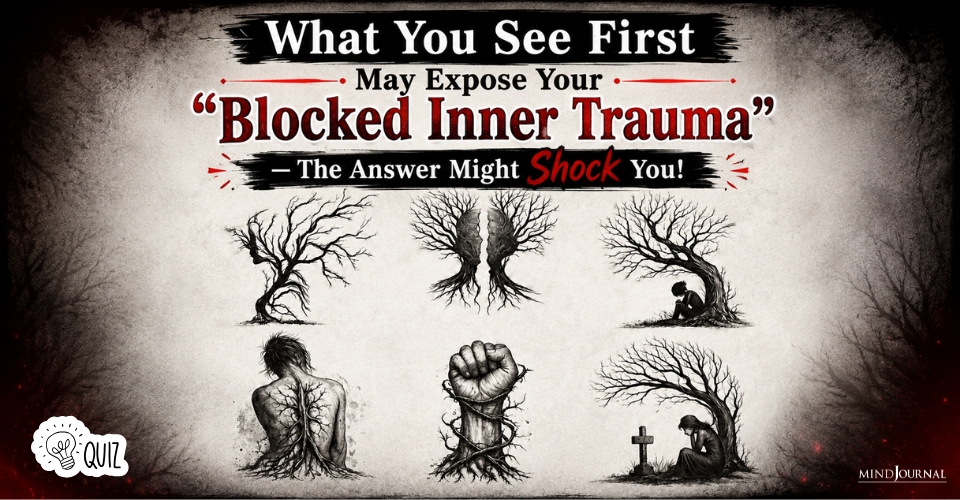
What You See First May Expose Your “Blocked Inner Trauma” The Answer Might Shock You!

What You See First May Expose Your “Blocked Inner Trauma” — The Answer Might Shock You!

This viral image test claims the first thing you see may reveal your blocked inner trauma. Look closely… then read your result!

Latest Quotes

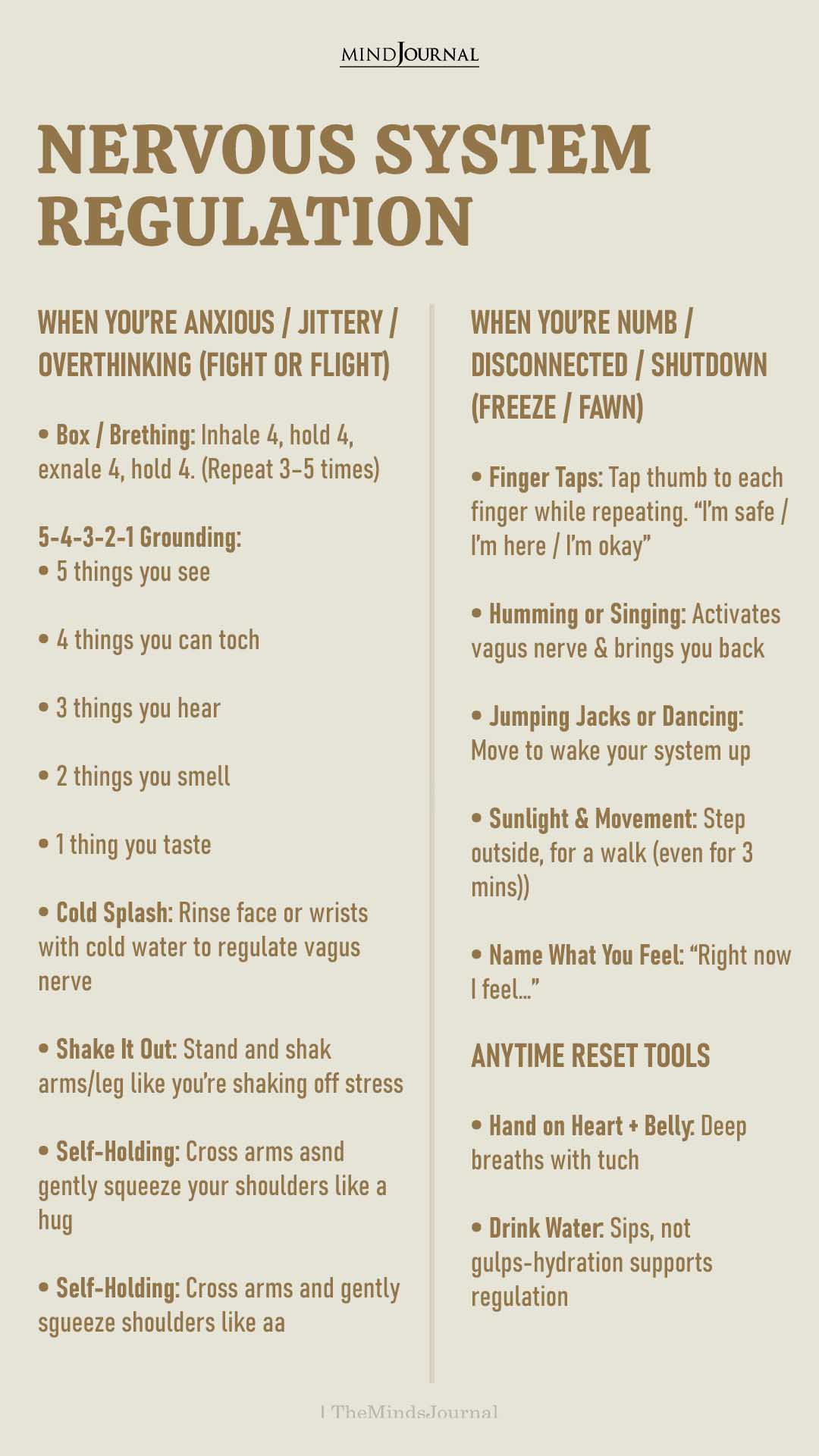
Nervous System Regulation: Simple Tools to Calm Anxiety and Reconnect With Your Body

Nervous System Regulation: Simple Tools to Calm Anxiety and Reconnect With Your Body

Nervous system regulation matters most when you feel anxious, numb, or stuck in overthinking. These simple grounding tools and breath practices help calm fight-or-flight and gently wake you from shutdown.

Readers Blog

Caption This Image and Selected Wisepicks – 17 May 2026

Caption This Image and Selected Wisepicks – 17 May 2026

Ready to unleash your inner wordsmith? ✨??☺️ Now’s your chance to show off your wit, charm, or sheer genius in just one line! Whether it’s laugh-out-loud funny or surprisingly deep, we want to hear it.Submit your funniest, wittiest, or most thought-provoking caption in the comments. We’ll pick 15+ winners to be featured on our website…

Latest Articles

Americans Mental Health Resolutions Continue to Shape Daily Habits in 2026

Mental health whether it be organizational introspection or personal proactivity continues to top Americans New Year resolutions far beyond the New Year, into 2026. 38 percent of Americans stated in the American Psychiatric Association’s Healthy Minds Poll to having at least one mental health resolution in motion heading into 2026 (up from 33 percent the year before) a huge jump, considering Americans mental health has been long settled as just another aspect of private life. The main enginer to propel Americans mental health into the categorical mainstream is, not surprisingly, America’s working age-adults, of which 58 percent of 18 34 year olds, compared to older peoples, stated to having a mental health goal in mind.

And so, this poll shows that Americans’ mental health resolutions reach well beyond common lifestyle shifts. We‘re talking about starting (or restarting) mental health treatment, creating regular exercise habits, developing mindfulness practices or meditation stops, protecting sleep, and cutting down on social media and news that make us feel anxious. Instead of focusing on weight loss or dollars saved, they seem to be realizing that minds and feelings help determine everything that matters-most importantly, their relationships and parenting, their jobs, and their art. To that degree, Americans mental health resolutions are a means of achieving other resolutions.

Of course, it‘s important to remember that this survey still suggests that even those who report not disliking or at least liking their “good” and “excellent” mental health could do better. While 63% of respondents report being in good mental health, over ¼ also report their mental health as “fair” or “poor,” and most are still reporting being “constantly worried about money, politics and what is happening in the world.” This good dose of humility about the state of the American‘s mental health can in turn diminish the stigma about seeking help by reminding everyone that they are not alone in having a hard time.

The specialists recommending coverage using the APA guidelines support a soft, nonpathological method to American mental health solutions. Instead of the all-or-nothing of running ten miles a day forever, they say offering little, attainable accomplishments that can be gradually built upon over the years. “That can be as easy as making one phone call, calling up one therapist,” says one provider. “Taking one brisk five-minute walk, having one tech-free evening every week.” If you miss a day or two, OK just pick up again.

To employers, schools and policy makers, we must see the sheer number of Americans in 2015 who made mental health resolutions as a rallying cry that emotional health is something we must do better at addressing as a nation. We need to increase everyone‘s ability to access affordable, culturally tailored mental health care; promote greater work/life integration; and foster safer environments for normalizing the realities of emotional life at home and at work. Hopefully, though, what we can take away from this is optimism: in a complex world, our small acts of kindness pausing to take a breath or a call, reaching out to another, taking time for reflection, do count. Making Americans’ mental health a priority isn‘t about fixing everything, everywhere, tomorrow; it‘s about showing ourselves compassion these 365 days a year.

Source: More Americans Plan Mental Health Resolutions Heading Into 2026

Published On:

Last updated on:

Jessica Taylor

Jessica Taylor is a staff writer for Minds Journal News, where she covers stories on mental health, wellness, and culture. With a background in communications and a keen interest in how everyday experiences shape our emotional lives, Jessica brings thoughtful perspectives to trending news and timeless issues alike. She enjoys connecting the dots between research and real life, making psychology accessible and engaging for readers.

Leave a Comment

    Leave a Comment