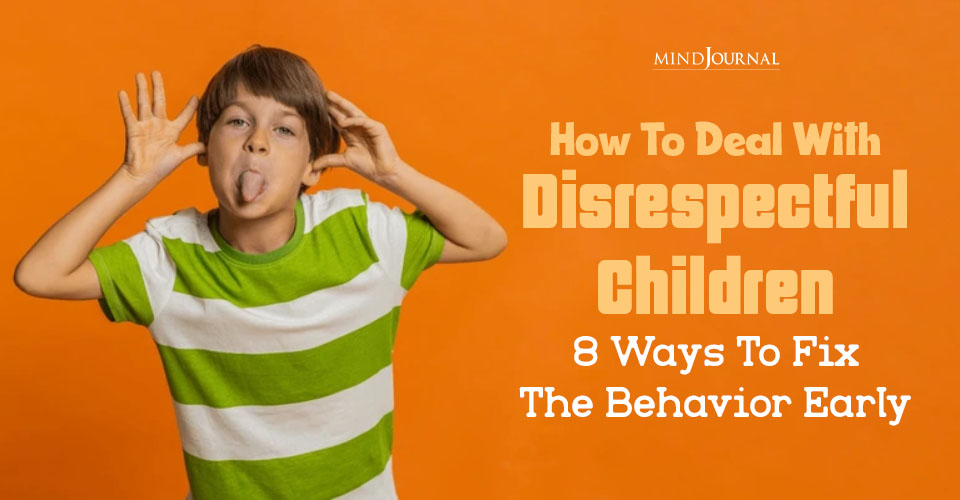
How To Deal With Disrespectful Children: 8 Ways To Fix The Behavior Early

Author : Clara Belle

How To Deal With Disrespectful Children: 8 Best Ways Exposed

Parenting styles have evolved rapidly, and approaches like gentle parenting have brought meaningful change. But alongside that shift, many parents are noticing something else… There are subtle yet growing signs of bad behavior in their children.

That’s when learning how to deal with disrespectful children becomes important. Because if it’s left unaddressed, it can quietly turn into patterns

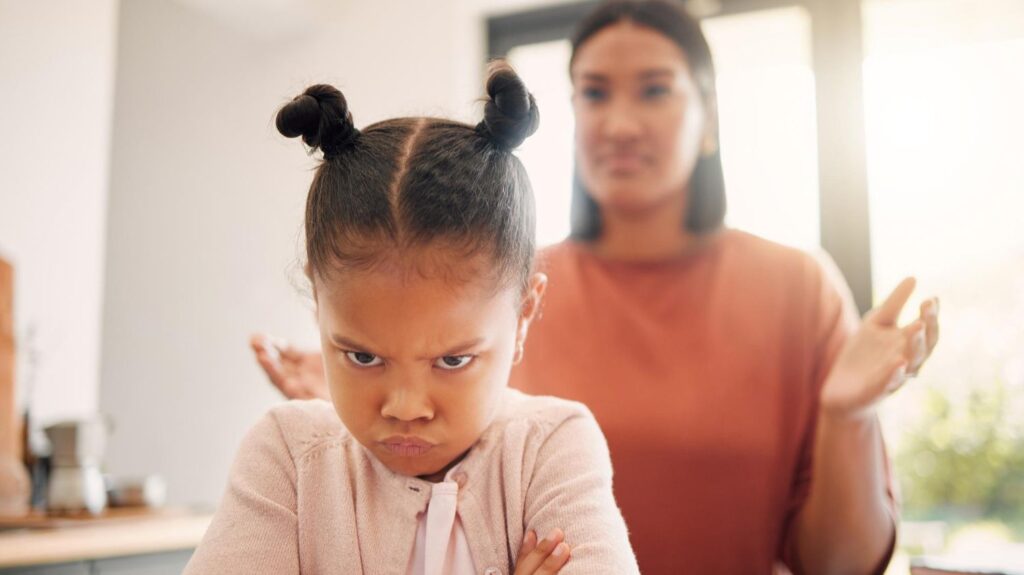
It doesn’t always look that serious. Sometimes, a child will snap, “I said wait,” or give a dismissive shrug in the middle of a conversation. That tone that is a little too impolite and doesn’t sit right.

You may overlook it once. But when it happens often, it means something more serious is going on, and that’s when you know it’s time to step in…

How To Deal With Disrespectful Kids: 8 Hacks In Dealing With Disrespectful Kids
how to deal with disrespectful children

1. You Need to Model the Respect You Expect

Your child learns a lot about how to speak, react, and treat others by watching you. 

When you talk down to them, label them as disrespectful kids, or assume the worst in small mistakes, it quietly teaches them to behave disrespectfully. 

Everyday situations, whether that’s how you respond when they spill something or when they mess up, can shape how they judge and speak to others. 

That’s why your tone needs to carry respect, even in frustration, so that it builds their understanding of how respect actually looks in real life. 

This can help you when you’re wondering what to do with disrespectful kids. 

Read More Here: Does Gentle Parenting Work?

2. You Can’t Keep Repeating Yourself Without Follow-Through

When you give instructions to your children but don’t follow through yourself, your words can slowly lose weight. Disrespectful kids to parents follow this pattern.

Over time, your child learns that they can ignore you without consequence. This instills the sense of disrespectful kids behavior indirectly.

Respect isn’t, thus, built by saying things louder or more often. It’s built when your actions can consistently match what you say. 

That consistency is what teaches your children to take you seriously. This is crucial in learning the ways for dealing with disrespectful kids. 

3. You Shouldn’t Dismiss Disrespect as “Just a Phase”
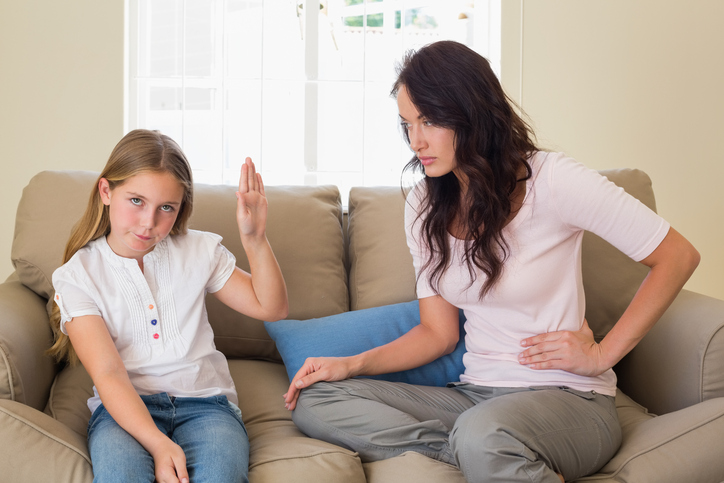
It’s easy to brush off those sharp replies or dismissive behavior as a temporary phase. But when it keeps happening repeatedly, it gradually becomes a pattern. 

What you allow without addressing it directly and properly tends to become normal. 

Recognizing the difference between occasional moodiness and consistently shown disrespect is important in learning how to deal with disrespectful children. 

It helps you step in before it becomes your kids’ default way of communicating.

4. You Need to Teach Them How to Listen, Not Just Respond

Listening doesn’t come automatically to children. It’s something your child can learn by watching you. 

When you give them your attention, make eye contact while talking to them, and acknowledge their thoughts, you’re actually showing them how real listening works, thereby learning the most important trick for how to deal with disrespectful children. 

They begin understanding that not every situation needs a reaction or an argument. Sometimes, respect shows up in the conversation by simply hearing the other person out.

5. You Have to Show Them What Empathy Looks Like

Your child doesn’t need you to be perfect; rather, they need you to be real. 

When you lose your temper and acknowledge it, or when you apologize for reacting unfairly, it teaches them accountability and helps you figure out how to deal with disrespectful children. 

They begin to understand that mistakes can happen, but it is owning them that matters. 

This builds empathy, which helps them see both their own actions and other people’s feelings more clearly.

Read More Here: 12 Positive Parenting Phrases To Affirm Good Behavior

6. You Need to Help Them Recognize Their Anger Early

A lot of the behaviors of disrespectful kids toward parents come from emotions the child doesn’t yet know how to manage. 

That’s why teaching them to notice signs like raised voices, clenched fists, or quick reactions gives them a chance to pause before things escalate. 

When they start understanding what they feel in the moment, they’re more likely to respond differently instead of reacting impulsively.

This can thus help you understand how to deal with disrespectful kids, from the parental perspective.

7. You Should Focus on Consequences, Not Power Struggles
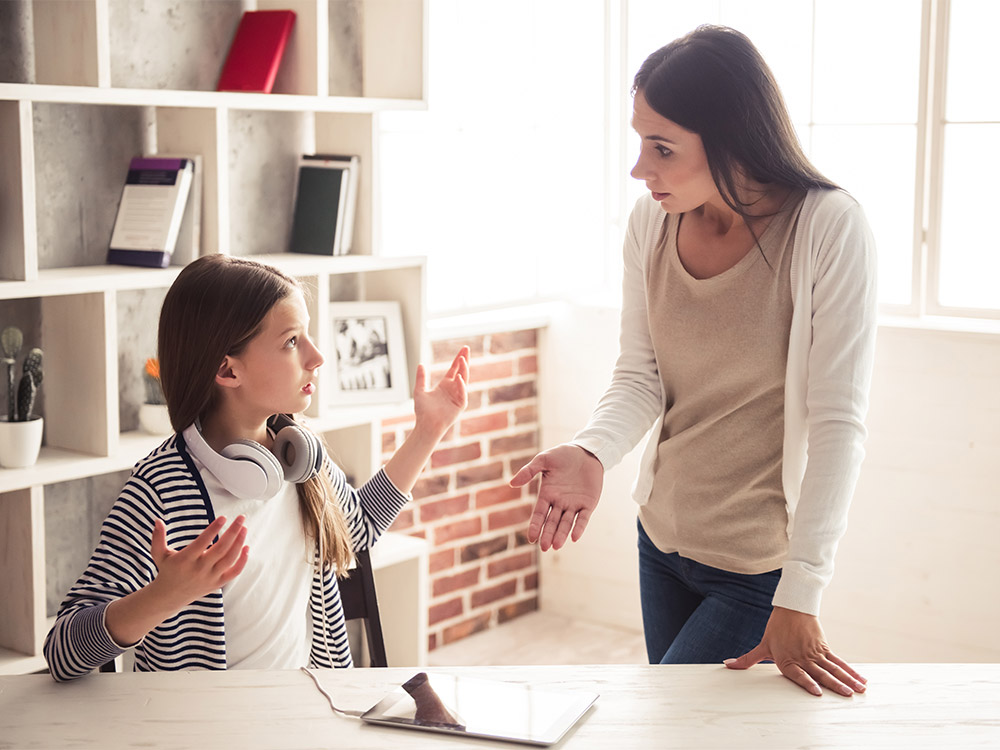
If you end up constantly threatening, trying to bribe, or arguing with your child, it can often turn discipline into a battle. 

Natural and logical consequences work differently by helping your child experience the result of their choices. 

It shows them the consequences of being disrespectful to parents without you having to enforce it on them.

Whether it’s feeling cold without a jacket or facing the outcome of a decision, these moments build real understanding in children. 

Over time, this reduces resistance and helps them think through their actions instead of trying to be pushing back against you.

8. You Shouldn’t Give Disrespect More Attention Than It Deserves

When every disrespectful moment turns into a long reaction, it can unintentionally reinforce the behavior and backfire on your intentions of practicing how to deal with disrespectful children. 

Kids may begin to connect that negative tone with getting immediate attention or control over the situation.

Not every instance needs a long and drawn-out response. When attention is more consistently given to respectful communication instead, it gradually has the power to shift what gets repeated.

So, the bottom line is…

Learning how to handle disrespectful kids isn’t something very tricky. It just needs consistency in following through the very simple steps. Kids look up to their parents as role models for their behaviors.

It might not seem highlighted, but the truth is, kids refrain from pursuing such things if their parents express disapproval against them. And express the proper logic behind such disapproval.

Hence, if you have started to wonder about what to do with disrespectful kids, it’s probably the right time to step in for a check. The sooner you model the desired behaviors, the sooner they adapt.


Frequently Asked Questions

1. How to handle disrespectful kids?

Handling disrespectful kids behavior often starts with staying consistent rather than intense emotional reactions. Clear boundaries with calm responses, and following them yourself, tend to shape how seriously your child takes you. Over time, the focus shifts from correcting every moment to changing the general pattern behind it.

2. What are some healthy discipling strategies that work?

Approaches that rely on natural or logical consequences tend to be more effective than threats or bribes as healthy discipling strategies. When disrespectful children experience the outcome of their actions, the lesson feels more real and easier to understand. Consistency and respectful communication create a longer-lasting behavioral change.

disrespectful kids

Published On:

Last updated on:

Clara Belle

I'm Clara Belle, pursuing my graduation in English. My love for reading has taken me to different worlds of how people think and love and function. I find mental health and its matters really interesting. My writings explore my interests further. I write about relationships, personality types, mental health, and book reviews. Hope I could present something new to you today!

Disclaimer: The informational content on The Minds Journal have been created and reviewed by qualified mental health professionals. They are intended solely for educational and self-awareness purposes and should not be used as a substitute for professional medical advice, diagnosis, or treatment. If you are experiencing emotional distress or have concerns about your mental health, please seek help from a licensed mental health professional or healthcare provider.

Leave a Comment

Today's Horoscope

Your Daily Horoscope 30 April, 2026: Free Guide

Daily Horoscope 30 April, 2026: Prediction For Each Zodiac Sign

Think of today’s daily prediction as a gentle nudge! Find your zodiac sign below...

Latest Quizzes

What Is My Core Wound Quiz? 10 Signs That Expose It!

What You Notice First in Someone Isn’t Random—Take This Quiz to Reveal Your Core Wound

What you notice first in others may quietly mirror your own needs that go unseen and unmet. Take this simple quiz to help you uncover the core wounds hidden beneath that actually shape you.

Latest Quotes

Human Psychology Facts: How These Cognitive Biases Quietly Shape Your Life

Human Psychology Facts: How These Cognitive Biases Quietly Shape Your Life

Human psychology facts show how your brain quietly edits reality. From the Pratfall Effect to the Halo Effect, these cognitive biases influence who you like, what you notice, and how confident you feel.

Readers Blog

Caption This Image and Selected Wisepicks – 26 April 2026

Caption This Image and Selected Wisepicks – 26 April 2026

Ready to unleash your inner wordsmith? ✨??☺️ Now’s your chance to show off your wit, charm, or sheer genius in just one line! Whether it’s laugh-out-loud funny or surprisingly deep, we want to hear it.Submit your funniest, wittiest, or most thought-provoking caption in the comments. We’ll pick 15+ winners to be featured on our website…

Latest Articles

How To Deal With Disrespectful Children: 8 Best Ways Exposed

Parenting styles have evolved rapidly, and approaches like gentle parenting have brought meaningful change. But alongside that shift, many parents are noticing something else… There are subtle yet growing signs of bad behavior in their children.

That’s when learning how to deal with disrespectful children becomes important. Because if it’s left unaddressed, it can quietly turn into patterns

It doesn’t always look that serious. Sometimes, a child will snap, “I said wait,” or give a dismissive shrug in the middle of a conversation. That tone that is a little too impolite and doesn’t sit right.

You may overlook it once. But when it happens often, it means something more serious is going on, and that’s when you know it’s time to step in…

How To Deal With Disrespectful Kids: 8 Hacks In Dealing With Disrespectful Kids

how to deal with disrespectful children

1. You Need to Model the Respect You Expect

Your child learns a lot about how to speak, react, and treat others by watching you. 

When you talk down to them, label them as disrespectful kids, or assume the worst in small mistakes, it quietly teaches them to behave disrespectfully. 

Everyday situations, whether that’s how you respond when they spill something or when they mess up, can shape how they judge and speak to others. 

That’s why your tone needs to carry respect, even in frustration, so that it builds their understanding of how respect actually looks in real life. 

This can help you when you’re wondering what to do with disrespectful kids. 

Read More Here: Does Gentle Parenting Work?

2. You Can’t Keep Repeating Yourself Without Follow-Through

When you give instructions to your children but don’t follow through yourself, your words can slowly lose weight. Disrespectful kids to parents follow this pattern.

Over time, your child learns that they can ignore you without consequence. This instills the sense of disrespectful kids behavior indirectly.

Respect isn’t, thus, built by saying things louder or more often. It’s built when your actions can consistently match what you say. 

That consistency is what teaches your children to take you seriously. This is crucial in learning the ways for dealing with disrespectful kids. 

3. You Shouldn’t Dismiss Disrespect as “Just a Phase”

It’s easy to brush off those sharp replies or dismissive behavior as a temporary phase. But when it keeps happening repeatedly, it gradually becomes a pattern. 

What you allow without addressing it directly and properly tends to become normal. 

Recognizing the difference between occasional moodiness and consistently shown disrespect is important in learning how to deal with disrespectful children. 

It helps you step in before it becomes your kids’ default way of communicating.

4. You Need to Teach Them How to Listen, Not Just Respond

Listening doesn’t come automatically to children. It’s something your child can learn by watching you. 

When you give them your attention, make eye contact while talking to them, and acknowledge their thoughts, you’re actually showing them how real listening works, thereby learning the most important trick for how to deal with disrespectful children. 

They begin understanding that not every situation needs a reaction or an argument. Sometimes, respect shows up in the conversation by simply hearing the other person out.

5. You Have to Show Them What Empathy Looks Like

Your child doesn’t need you to be perfect; rather, they need you to be real. 

When you lose your temper and acknowledge it, or when you apologize for reacting unfairly, it teaches them accountability and helps you figure out how to deal with disrespectful children. 

They begin to understand that mistakes can happen, but it is owning them that matters. 

This builds empathy, which helps them see both their own actions and other people’s feelings more clearly.

Read More Here: 12 Positive Parenting Phrases To Affirm Good Behavior

6. You Need to Help Them Recognize Their Anger Early

A lot of the behaviors of disrespectful kids toward parents come from emotions the child doesn’t yet know how to manage. 

That’s why teaching them to notice signs like raised voices, clenched fists, or quick reactions gives them a chance to pause before things escalate. 

When they start understanding what they feel in the moment, they’re more likely to respond differently instead of reacting impulsively.

This can thus help you understand how to deal with disrespectful kids, from the parental perspective.

7. You Should Focus on Consequences, Not Power Struggles

If you end up constantly threatening, trying to bribe, or arguing with your child, it can often turn discipline into a battle. 

Natural and logical consequences work differently by helping your child experience the result of their choices. 

It shows them the consequences of being disrespectful to parents without you having to enforce it on them.

Whether it’s feeling cold without a jacket or facing the outcome of a decision, these moments build real understanding in children. 

Over time, this reduces resistance and helps them think through their actions instead of trying to be pushing back against you.

8. You Shouldn’t Give Disrespect More Attention Than It Deserves

When every disrespectful moment turns into a long reaction, it can unintentionally reinforce the behavior and backfire on your intentions of practicing how to deal with disrespectful children. 

Kids may begin to connect that negative tone with getting immediate attention or control over the situation.

Not every instance needs a long and drawn-out response. When attention is more consistently given to respectful communication instead, it gradually has the power to shift what gets repeated.

So, the bottom line is…

Learning how to handle disrespectful kids isn’t something very tricky. It just needs consistency in following through the very simple steps. Kids look up to their parents as role models for their behaviors.

It might not seem highlighted, but the truth is, kids refrain from pursuing such things if their parents express disapproval against them. And express the proper logic behind such disapproval.

Hence, if you have started to wonder about what to do with disrespectful kids, it’s probably the right time to step in for a check. The sooner you model the desired behaviors, the sooner they adapt.


Frequently Asked Questions

1. How to handle disrespectful kids?

Handling disrespectful kids behavior often starts with staying consistent rather than intense emotional reactions. Clear boundaries with calm responses, and following them yourself, tend to shape how seriously your child takes you. Over time, the focus shifts from correcting every moment to changing the general pattern behind it.

2. What are some healthy discipling strategies that work?

Approaches that rely on natural or logical consequences tend to be more effective than threats or bribes as healthy discipling strategies. When disrespectful children experience the outcome of their actions, the lesson feels more real and easier to understand. Consistency and respectful communication create a longer-lasting behavioral change.


disrespectful kids

Published On:

Last updated on:

Clara Belle

I'm Clara Belle, pursuing my graduation in English. My love for reading has taken me to different worlds of how people think and love and function. I find mental health and its matters really interesting. My writings explore my interests further. I write about relationships, personality types, mental health, and book reviews. Hope I could present something new to you today!

Leave a Comment

    Leave a Comment