People Who Only Take From You: 11 Signs Of Toxic Takers In Relationships

Author : Christine B. L. Adams M.D.

There are certain people who only take from others, and choose to be entitled and arrogant about it for their whole lives. Such toxic takers or self centred people demand and expect too much from others, whilst doing nothing in return. This article is going to talk in detail about the signs of people who only take and give nothing back.

KEY POINTS

  • People who demand too much from others have high self-esteem with anxiety and are inept at self-care.
  • Takers experience a higher mortality rate than those in give-and-take irelationships.
  • Expecting too much from others is learned in early childhood. It becomes a fixed aspect of personality.

People who expect too much from others may be labelled narcissistic, expecting unstinting admiration and caretaking by others. The Oxford Learner’s Dictionary defines narcissism as “having an excessive preoccupation with oneself and one’s own needs… often at the expense of [understanding] others [needs].”

We may view such people as getting all the goodies in relationships because they call the shots and get their desires and needs met by others. But there are downsides for people who take too much from others in relationships. There are also other attributes that go along with being takers.

Related: 9 Tactics Through Which People Take Advantage Of You

People Who Only Take From You: 11 Signs Of Toxic Takers In Relationships

1. Arrogant Attitude

Takers arrogantly expect others to give to them as if this were the purpose of other people in relationships, cite Martin and Adams. They are not obsequious about accepting help. They are ungrateful. Rarely are they thankful for assistance.

They feel entitled to all they get from others, and they usually want more. They do not expect to reciprocate by giving to others. Their focus is only on receiving. This leaves their relationships lopsided.

2. Inflated Sense of Self-Worth

Somewhat paradoxically, people expecting to be gratified by others may have high self-esteem. They often believe they are wonderful people and highly accomplished, even though they may be ungifted and unskilled, with few endeavours even attempted, find Martin and Adams.

3. Focus on Personal Wants

People who excel at taking support from others are highly focused on personal desires, similar to a horse wearing blinders. They often have little perspective on what other people need or want.

According to Dambrun and Ricard, their happiness and emotional stability fluctuate and are not steady with this enduring personal focus.

People who only take

4. Little Consideration of Others

Blair finds that, often, self centred people have and demonstrate little empathy for others. This explains their lack of consideration for others’ needs and wants and their poor responsiveness to others’ distress.

5. Expect Others to Solve Their Problems

Takers are good at absolving themselves of agency in solving their own problems. Why try to fix something on your own when you can expect and get another person to step up and do it for you?

Related: 9 Types of Toxic People That Will Rob You Of Your Happiness

6. Assume Little Responsibility

Takers are often irresponsible and exhibit little responsibility, both for themselves and for others. They project responsibility onto other people who are especially good at taking up the slack for them.

For example, they may expect a spouse to be totally responsible for the children while they maintain a hands-off approach toward child-rearing.

7. Inept Feelings Toward Self-Care

Because self centred people are so good at eliciting care from others, they are lousy at self-care. They may feel anxious and inept at the idea of doing things that care for themselves.

8. Higher Mortality Rate

Chen et al. studied all-cause mortality risk in people “disproportionately receiving social support––[receiving] more social support than they gave.” They found higher mortality in this group when compared with people who both give and take emotional support.

They speculated that higher “support from others may leave individuals feeling indebted to and dependent on others…” Such “…low levels of perceived control…” are often linked to higher risk of many physical diseases, especially cardiovascular illnesses. Pathological emotional taking is hazardous to survival when compared with people having more balanced reciprocity in their relationships.

9. Relish Dependency on Others

People good at taking do not shun others’ help, nor are they independent in their self-directed actions. They like being in a dependent role in which others dispense emotional and physical care to them.

People who only take

10. Early Learning

Martin and Adams discovered that children demonstrated self-absorbed, taking traits by age three. Commonly, parents excessively catered to such children, both anticipating problems and solving problems the children encountered, instead of allowing children to problem-solve on their own.

These children manifest conduct problems at young ages—throwing tantrums and being aggressive when they do not get their way.

Related: How To Leave A Narcissist: 6 Powerful Hacks

11. Psychological and Psychiatric Disorders

Addictions can occur in helpless, self centred people who feel and act helpless in relationship—substance abuse, gambling, and sexual addictions. Carter et. al compared normative youth with young people who abused substances.

They discovered the substance abusers exhibited higher levels of narcissism, entitlement, and egocentrism. In extreme instances, according to Blair, psychopathy, with an extreme lack of empathy for others, can occur in a minority of narcissistic, pathological takers.

Check out her website to see more blogs, podcasts and articles. Also, don’t forget to check out her amazing book, Living on Automatic: How Emotional Conditioning Shapes Our Lives and Relationships.
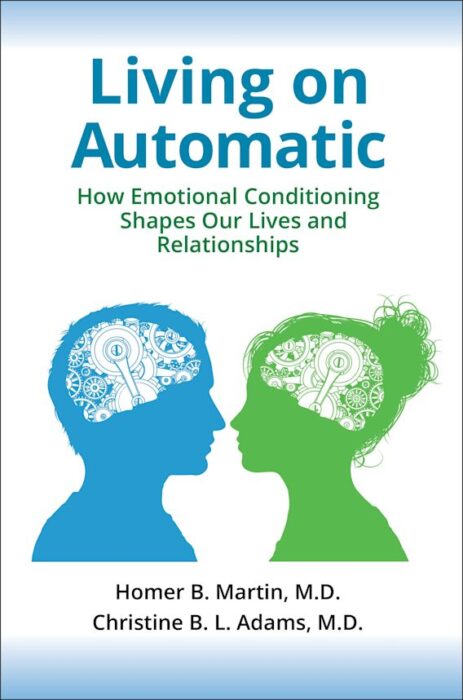
Living on Automatic: How Emotional Conditioning Shapes Our Lives and Relationships Book

References:

Blair, R.J.R. (2013) The neurobiology of psychopathic traits in youths. Nature Reviews Neuroscience. 14, 786-799.

Dambrun, M., Ricard, M. (2011) Self-Centeredness and Selflessness: A Theory of Self-Based Psychological Functioning and its Consequences for Happiness. Review of General Psychology, Vol. 15(2) 138-157.

Martin, H.B., Adams, C.B.L. (2018) Living on Automatic: How Emotional Conditioning Shapes Our Lives and Relationships, Praeger (now Bloomsbury).

The Oxford Learner’s Dictionary, Oxfordlearnersdictionary.com/us/definition/English/narcissism

Carter, R.R. et al. (2012) Addiction and “Generation Me:” Narcissistic and prosocial behaviors of adolescents with substance dependency disorder in comparison to normative adolescents, Alcohol Treat Q, 30(2): 163-178.

Written By Christine B. L. Adams M.D.
Originally Appeared On Psychology Today
toxic takers

Published On:

Last updated on:

Christine B. L. Adams M.D.

Dr. Christine Adams is responsible for bringing to the forefront the new concept of emotional conditioning and how it creates your personality and shapes your relationships throughout your life. She has been a child and adult psychiatrist for forty years and has helped thousands of people understand their relationship problems or failures. She is also co-author with Homer B. Martin, M.D., of the book, Living On Automatic: How Emotional Conditioning Shapes Our Lives and Relationships, which offers an exciting and groundbreaking new concept of how people relate to one another. Dr. Adams lives with her husband and currently teaches classes on personalities and relationships for The Veritas Society at Bellarmine University, Louisville, KY.

Disclaimer: The informational content on The Minds Journal have been created and reviewed by qualified mental health professionals. They are intended solely for educational and self-awareness purposes and should not be used as a substitute for professional medical advice, diagnosis, or treatment. If you are experiencing emotional distress or have concerns about your mental health, please seek help from a licensed mental health professional or healthcare provider.

Leave a Comment

Today's Horoscope

Your Daily Horoscope For 4 April, 2026: Free Predictions

Daily Horoscope 4 April, 2026: Prediction For Each Zodiac Sign

Look at your daily prediction and see what the stars have in store for your love life and your future!

Latest Quizzes

How Many Circles Do You See? A Simple Test of Thinking Style

How Many Circles Do You See? Your Answer Might Reveal Narcissistic Traits! 

Take a closer look at this simple image and discover what your circle count reveals about your thinking style, perception, and attention in this fun and engaging visual test.

Latest Quotes

Real Signs Your Body Is Actually in Good Health: How to Know You’re Truly Well

Real Signs Your Body Is Actually in Good Health: How to Know You’re Truly Well

Real signs your body is healthy don’t always show up on lab reports. From good sleep and clear skin to regular digestion and a stable mood, your body is constantly sending quiet signals of wellness.

Readers Blog

Caption This Image and Selected Wisepicks – 5 April 2026

Caption This Image and Selected Wisepicks – 5 April 2026

Ready to unleash your inner wordsmith? ✨??☺️ Now’s your chance to show off your wit, charm, or sheer genius in just one line! Whether it’s laugh-out-loud funny or surprisingly deep, we want to hear it.Submit your funniest, wittiest, or most thought-provoking caption in the comments. We’ll pick 15+ winners to be featured on our website…

Latest Articles

There are certain people who only take from others, and choose to be entitled and arrogant about it for their whole lives. Such toxic takers or self centred people demand and expect too much from others, whilst doing nothing in return. This article is going to talk in detail about the signs of people who only take and give nothing back.

KEY POINTS

  • People who demand too much from others have high self-esteem with anxiety and are inept at self-care.
  • Takers experience a higher mortality rate than those in give-and-take irelationships.
  • Expecting too much from others is learned in early childhood. It becomes a fixed aspect of personality.

People who expect too much from others may be labelled narcissistic, expecting unstinting admiration and caretaking by others. The Oxford Learner’s Dictionary defines narcissism as “having an excessive preoccupation with oneself and one’s own needs… often at the expense of [understanding] others [needs].”

We may view such people as getting all the goodies in relationships because they call the shots and get their desires and needs met by others. But there are downsides for people who take too much from others in relationships. There are also other attributes that go along with being takers.

Related: 9 Tactics Through Which People Take Advantage Of You

People Who Only Take From You: 11 Signs Of Toxic Takers In Relationships

1. Arrogant Attitude

Takers arrogantly expect others to give to them as if this were the purpose of other people in relationships, cite Martin and Adams. They are not obsequious about accepting help. They are ungrateful. Rarely are they thankful for assistance.

They feel entitled to all they get from others, and they usually want more. They do not expect to reciprocate by giving to others. Their focus is only on receiving. This leaves their relationships lopsided.

2. Inflated Sense of Self-Worth

Somewhat paradoxically, people expecting to be gratified by others may have high self-esteem. They often believe they are wonderful people and highly accomplished, even though they may be ungifted and unskilled, with few endeavours even attempted, find Martin and Adams.

3. Focus on Personal Wants

People who excel at taking support from others are highly focused on personal desires, similar to a horse wearing blinders. They often have little perspective on what other people need or want.

According to Dambrun and Ricard, their happiness and emotional stability fluctuate and are not steady with this enduring personal focus.

People who only take

4. Little Consideration of Others

Blair finds that, often, self centred people have and demonstrate little empathy for others. This explains their lack of consideration for others’ needs and wants and their poor responsiveness to others’ distress.

5. Expect Others to Solve Their Problems

Takers are good at absolving themselves of agency in solving their own problems. Why try to fix something on your own when you can expect and get another person to step up and do it for you?

Related: 9 Types of Toxic People That Will Rob You Of Your Happiness

6. Assume Little Responsibility

Takers are often irresponsible and exhibit little responsibility, both for themselves and for others. They project responsibility onto other people who are especially good at taking up the slack for them.

For example, they may expect a spouse to be totally responsible for the children while they maintain a hands-off approach toward child-rearing.

7. Inept Feelings Toward Self-Care

Because self centred people are so good at eliciting care from others, they are lousy at self-care. They may feel anxious and inept at the idea of doing things that care for themselves.

8. Higher Mortality Rate

Chen et al. studied all-cause mortality risk in people “disproportionately receiving social support––[receiving] more social support than they gave.” They found higher mortality in this group when compared with people who both give and take emotional support.

They speculated that higher “support from others may leave individuals feeling indebted to and dependent on others…” Such “…low levels of perceived control…” are often linked to higher risk of many physical diseases, especially cardiovascular illnesses. Pathological emotional taking is hazardous to survival when compared with people having more balanced reciprocity in their relationships.

9. Relish Dependency on Others

People good at taking do not shun others’ help, nor are they independent in their self-directed actions. They like being in a dependent role in which others dispense emotional and physical care to them.

People who only take

10. Early Learning

Martin and Adams discovered that children demonstrated self-absorbed, taking traits by age three. Commonly, parents excessively catered to such children, both anticipating problems and solving problems the children encountered, instead of allowing children to problem-solve on their own.

These children manifest conduct problems at young ages—throwing tantrums and being aggressive when they do not get their way.

Related: How To Leave A Narcissist: 6 Powerful Hacks

11. Psychological and Psychiatric Disorders

Addictions can occur in helpless, self centred people who feel and act helpless in relationship—substance abuse, gambling, and sexual addictions. Carter et. al compared normative youth with young people who abused substances.

They discovered the substance abusers exhibited higher levels of narcissism, entitlement, and egocentrism. In extreme instances, according to Blair, psychopathy, with an extreme lack of empathy for others, can occur in a minority of narcissistic, pathological takers.

Check out her website to see more blogs, podcasts and articles. Also, don’t forget to check out her amazing book, Living on Automatic: How Emotional Conditioning Shapes Our Lives and Relationships.

Living on Automatic: How Emotional Conditioning Shapes Our Lives and Relationships Book

References:

Blair, R.J.R. (2013) The neurobiology of psychopathic traits in youths. Nature Reviews Neuroscience. 14, 786-799.

Dambrun, M., Ricard, M. (2011) Self-Centeredness and Selflessness: A Theory of Self-Based Psychological Functioning and its Consequences for Happiness. Review of General Psychology, Vol. 15(2) 138-157.

Martin, H.B., Adams, C.B.L. (2018) Living on Automatic: How Emotional Conditioning Shapes Our Lives and Relationships, Praeger (now Bloomsbury).

The Oxford Learner’s Dictionary, Oxfordlearnersdictionary.com/us/definition/English/narcissism

Carter, R.R. et al. (2012) Addiction and “Generation Me:” Narcissistic and prosocial behaviors of adolescents with substance dependency disorder in comparison to normative adolescents, Alcohol Treat Q, 30(2): 163-178.

Written By Christine B. L. Adams M.D.
Originally Appeared On Psychology Today
toxic takers

Published On:

Last updated on:

Christine B. L. Adams M.D.

Dr. Christine Adams is responsible for bringing to the forefront the new concept of emotional conditioning and how it creates your personality and shapes your relationships throughout your life. She has been a child and adult psychiatrist for forty years and has helped thousands of people understand their relationship problems or failures. She is also co-author with Homer B. Martin, M.D., of the book, Living On Automatic: How Emotional Conditioning Shapes Our Lives and Relationships, which offers an exciting and groundbreaking new concept of how people relate to one another. Dr. Adams lives with her husband and currently teaches classes on personalities and relationships for The Veritas Society at Bellarmine University, Louisville, KY.

Leave a Comment

    Leave a Comment