What Is Fawning Behavior? Understanding The Fawn Response To Trauma

Author : Irina Hope

In distressing situations, our bodies and minds activate the fight-or-flight response. But thereโ€™s a lesser-known survival strategy: the fawn response to trauma. 

What Is The Fawn Response To Trauma?

It involves appeasing or placating attackers, offering a unique perspective on how we navigate threatening circumstances. It is closely tied to trauma and can have profound effects on our behavior and relationships

In this article, we will discuss what is the fawning response, its characteristics, its relationship to the fight-flight-freeze response, and strategies for healing.

Read more here: Warning Signs Of Unresolved Trauma: Recognizing The Invisible Scars

The Four Fs: Fight Flight Fawn Freeze

When our brains perceive a threat, our sympathetic nervous system takes over, and we may experience any combination of the four F responses: fight flight fawn freeze

Understanding the four Fs is crucial to comprehending the fawn response to trauma and its implications.

  • Fightย 

The fight response, one of the four F responses to threat, involves reacting with aggression to defend oneself or others.

When faced with a perceived danger or attack, individuals exhibiting the fight response may exhibit confrontational behavior, engaging in physical or verbal aggression as a means of protecting themselves or those they care about.

This instinctual reaction is a primal defense mechanism aimed at asserting control and warding off potential harm.

While the fight response can be adaptive in certain situations, it is essential to consider the context and potential consequences before resorting to aggression as a means of self-preservation.

  • Flightย 

The flight response is an instinctual desire to escape or avoid distressing situations, either physically or symbolically. It involves seeking safety by removing oneself from the source of threat or discomfort.

Whether through physical withdrawal or finding distractions, the flight response serves as a self-protective mechanism. However, it is important to address underlying issues and develop healthier coping strategies for long-term well-being.

  • Fawnย 

The fawn response, referred to as the fawning trauma response, emerges as a defensive mechanism when individuals attempt to safeguard themselves from harm by appeasing or placating their attacker.

This response is characterized by engaging in people-pleasing behaviors, being excessively agreeable, and prioritizing the needs of others above their own well-being.

Individuals exhibiting the fawn response may constantly seek approval, struggle with setting boundaries, and have difficulty asserting their own needs.

  • Freeze

When individuals are faced with an overwhelming threat, the freeze response is triggered as a natural defense mechanism.

During the freeze response, people may experience dissociation, a state of disconnection from their surroundings or themselves.

They may also feel spaced out or mentally detached. This response can manifest as feeling disconnected from oneโ€™s body, having difficulty focusing or engaging with the present moment, or experiencing a sense of numbness.

The freeze response is an instinctual reaction that aims to minimize the perception of danger by immobilizing the body and mind.

Read more here: 8 Types Of Childhood Trauma And How To Defeat And Heal From Them

What Is Fawning Behavior?

Coined by psychotherapist Pete Walker, fawning behavior or the fawning response to trauma is observed in individuals who have experienced complex trauma, particularly in childhood. It often manifests as a defense mechanism against emotional or physical abuse. 

People who exhibit fawning behavior may display characteristics such as people-pleasing, excessive reliance on others, difficulty setting boundaries, and struggling with decision-making without external validation.

Now that we know what is fawning behavior, letโ€™s find the origin of fawning.

The Origins Of Fawning:

Fawning behavior serves two primary purposes

1. Protection 

The fawn response to trauma helps individuals safeguard themselves or others from physical or emotional harm during traumatic events. By appeasing the perpetrator, they increase their chances of avoiding harm.

2. Emotional Connection 

Fawning behavior can also aim to establish or enhance emotional connections with the perpetrator. In cases where caregivers are abusive, the fawning trauma response may be an attempt to secure attachment or mitigate the severity of the abuse.

The Pitfalls Of Fawning:

While fawning may be adaptive in the context of trauma, it can have detrimental effects when it becomes an automatic response to everyday stressors. 

Continually prioritizing the needs of others and neglecting oneโ€™s own well-being can lead to difficulties in establishing personal boundaries and forming a coherent identity. 

Fawning behavior may also contribute to feeling unsafe in relationships and perpetuate a cycle of unhealthy interactions.

Read more here: 6 Stages Of Healing For Survivors Of Childhood Family Trauma

How Can You Heal The Fawning Trauma Response?

If you find yourself frequently engaging in fawning behavior, especially as a response to everyday stressors, it may indicate a need for healing. Here are some strategies that can help address the fawning response and promote healing.
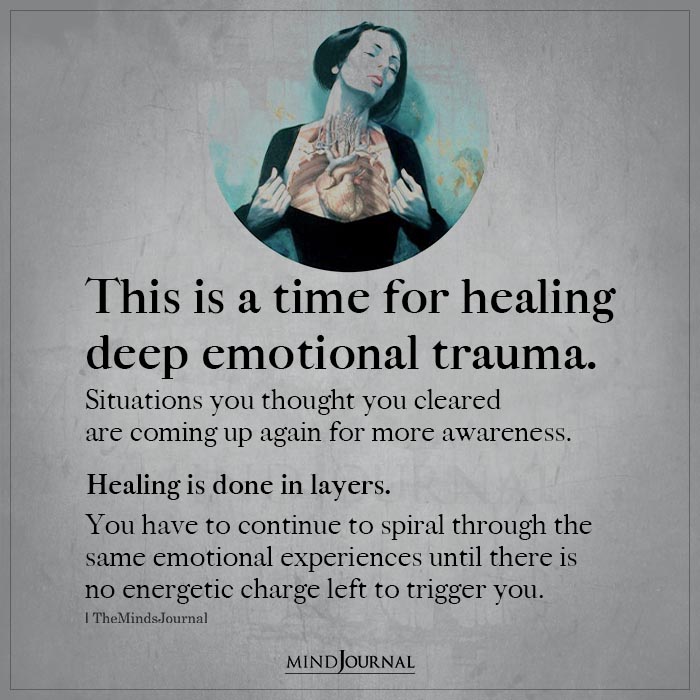
With patience and some strategies you can heal fawn response to trauma

1. Seek Professional Support 

Seek guidance from a trauma-informed professional who can provide appropriate support and therapies such as eye movement desensitization and reprocessing (EMDR), exposure therapy, and trauma-focused cognitive-behavioral therapy (CBT). 

These evidence-based therapies can effectively address trauma-related symptoms and help in healing the fawning response to trauma.

2. Establish Healthy Boundaries 

Working with a therapist or independently, focus on setting healthy boundaries and learning to prioritize your own needs. Recognize that saying no is not selfish but an essential aspect of self-care.

3. Practice Self-Compassion 

Cultivate self-compassion by acknowledging the impact of past trauma on your behavior and emotions. Treat yourself with kindness and understanding as you navigate the healing journey.

Understanding the fawn response to trauma, also known as fawning behavior, is crucial for individuals who have experienced complex trauma. 

Recognizing the fawning response and seeking healing is essential for establishing healthy boundaries, reclaiming autonomy, and fostering self-care. 

With the support of trauma-informed professionals and evidence-based therapies, individuals can embark on a journey of healing, finding resilience, and moving towards a more empowered and authentic way of being. 

Remember, the fawning trauma response is a survival mechanism, but it is possible to heal and live a life free from the shackles of past trauma.


Frequently Asked Questions

1. What is the fawn response?

The fawn response is a survival strategy observed in individuals facing threatening or abusive situations. It involves attempting to appease or placate the attacker to protect oneself from harm. This response is characterized by people-pleasing, excessive agreeableness, and prioritizing the needs of others over oneโ€™s own.

2. What is fawning behavior?

Fawning behavior, also known as the fawn response, refers to a pattern of appeasement and people-pleasing exhibited by individuals in response to perceived threats or trauma. It involves prioritizing the needs and desires of others, being excessively agreeable, and seeking external validation to maintain a sense of safety and avoid conflict or harm.

3. What is fawning?

Fawning refers to the act of trying to please or appease others as a response to perceived threats or trauma. It involves prioritizing the needs and desires of others over oneโ€™s own, being excessively agreeable, and seeking validation or approval from others to maintain a sense of safety.


Published On:

Last updated on:

Disclaimer: The informational content on The Minds Journal have been created and reviewed by qualified mental health professionals. They are intended solely for educational and self-awareness purposes and should not be used as a substitute for professional medical advice, diagnosis, or treatment. If you are experiencing emotional distress or have concerns about your mental health, please seek help from a licensed mental health professional or healthcare provider.

Leave a Comment

Today's Horoscope

Weekly Horoscope PART one

Weekly Horoscope 15 March to 21 March 2026

Read your zodiac signโ€™s prediction to understand the energy surrounding you and how to make the most of the days ahead!

Latest Quizzes

Interesting Finger Personality Test: 4 Finger Lines

Finger Personality Test: Join Your Fingers And Reveal A Hidden Personality Secret!

Look closely at your finger lines. Which pattern do you see? This personality test might surprise you!

Latest Quotes

How Men Show Love Through Actions (Male Psychology in Relationships)

How Men Show Love Through Actions (Male Psychology in Relationships)

Male psychology in relationships shows that men express love through presence, protection, and peace more than poetry. Decode his actions so you can see how deeply he actually cares.

Readers Blog

Caption This Image and Selected Wisepicks โ€“ 8 March 2026

Caption This Image and Selected Wisepicks โ€“ 8 March 2026

Provide a creative, relevant caption for the picture below and get selected and featured with your name and caption.  Selected Wisepicks We have selected 11 comments as Wisepicks from our Facebook, Facebook Group and Instagram as on 15 March 2026 Lou Angelique Heruela Listen to your inner child,not the angry voices in your mind. Bloom…

Latest Articles

In distressing situations, our bodies and minds activate the fight-or-flight response. But thereโ€™s a lesser-known survival strategy: the fawn response to trauma. 

What Is The Fawn Response To Trauma?

It involves appeasing or placating attackers, offering a unique perspective on how we navigate threatening circumstances. It is closely tied to trauma and can have profound effects on our behavior and relationships

In this article, we will discuss what is the fawning response, its characteristics, its relationship to the fight-flight-freeze response, and strategies for healing.

Read more here: Warning Signs Of Unresolved Trauma: Recognizing The Invisible Scars

The Four Fs: Fight Flight Fawn Freeze

When our brains perceive a threat, our sympathetic nervous system takes over, and we may experience any combination of the four F responses: fight flight fawn freeze

Understanding the four Fs is crucial to comprehending the fawn response to trauma and its implications.

  • Fightย 

The fight response, one of the four F responses to threat, involves reacting with aggression to defend oneself or others.

When faced with a perceived danger or attack, individuals exhibiting the fight response may exhibit confrontational behavior, engaging in physical or verbal aggression as a means of protecting themselves or those they care about.

This instinctual reaction is a primal defense mechanism aimed at asserting control and warding off potential harm.

While the fight response can be adaptive in certain situations, it is essential to consider the context and potential consequences before resorting to aggression as a means of self-preservation.

  • Flightย 

The flight response is an instinctual desire to escape or avoid distressing situations, either physically or symbolically. It involves seeking safety by removing oneself from the source of threat or discomfort.

Whether through physical withdrawal or finding distractions, the flight response serves as a self-protective mechanism. However, it is important to address underlying issues and develop healthier coping strategies for long-term well-being.

  • Fawnย 

The fawn response, referred to as the fawning trauma response, emerges as a defensive mechanism when individuals attempt to safeguard themselves from harm by appeasing or placating their attacker.

This response is characterized by engaging in people-pleasing behaviors, being excessively agreeable, and prioritizing the needs of others above their own well-being.

Individuals exhibiting the fawn response may constantly seek approval, struggle with setting boundaries, and have difficulty asserting their own needs.

  • Freeze

When individuals are faced with an overwhelming threat, the freeze response is triggered as a natural defense mechanism.

During the freeze response, people may experience dissociation, a state of disconnection from their surroundings or themselves.

They may also feel spaced out or mentally detached. This response can manifest as feeling disconnected from oneโ€™s body, having difficulty focusing or engaging with the present moment, or experiencing a sense of numbness.

The freeze response is an instinctual reaction that aims to minimize the perception of danger by immobilizing the body and mind.

Read more here: 8 Types Of Childhood Trauma And How To Defeat And Heal From Them

What Is Fawning Behavior?

Coined by psychotherapist Pete Walker, fawning behavior or the fawning response to trauma is observed in individuals who have experienced complex trauma, particularly in childhood. It often manifests as a defense mechanism against emotional or physical abuse. 

People who exhibit fawning behavior may display characteristics such as people-pleasing, excessive reliance on others, difficulty setting boundaries, and struggling with decision-making without external validation.

Now that we know what is fawning behavior, letโ€™s find the origin of fawning.

The Origins Of Fawning:

Fawning behavior serves two primary purposes

1. Protection 

The fawn response to trauma helps individuals safeguard themselves or others from physical or emotional harm during traumatic events. By appeasing the perpetrator, they increase their chances of avoiding harm.

2. Emotional Connection 

Fawning behavior can also aim to establish or enhance emotional connections with the perpetrator. In cases where caregivers are abusive, the fawning trauma response may be an attempt to secure attachment or mitigate the severity of the abuse.

The Pitfalls Of Fawning:

While fawning may be adaptive in the context of trauma, it can have detrimental effects when it becomes an automatic response to everyday stressors. 

Continually prioritizing the needs of others and neglecting oneโ€™s own well-being can lead to difficulties in establishing personal boundaries and forming a coherent identity. 

Fawning behavior may also contribute to feeling unsafe in relationships and perpetuate a cycle of unhealthy interactions.

Read more here: 6 Stages Of Healing For Survivors Of Childhood Family Trauma

How Can You Heal The Fawning Trauma Response?

If you find yourself frequently engaging in fawning behavior, especially as a response to everyday stressors, it may indicate a need for healing. Here are some strategies that can help address the fawning response and promote healing.

With patience and some strategies you can heal fawn response to trauma

1. Seek Professional Support 

Seek guidance from a trauma-informed professional who can provide appropriate support and therapies such as eye movement desensitization and reprocessing (EMDR), exposure therapy, and trauma-focused cognitive-behavioral therapy (CBT). 

These evidence-based therapies can effectively address trauma-related symptoms and help in healing the fawning response to trauma.

2. Establish Healthy Boundaries 

Working with a therapist or independently, focus on setting healthy boundaries and learning to prioritize your own needs. Recognize that saying no is not selfish but an essential aspect of self-care.

3. Practice Self-Compassion 

Cultivate self-compassion by acknowledging the impact of past trauma on your behavior and emotions. Treat yourself with kindness and understanding as you navigate the healing journey.

Understanding the fawn response to trauma, also known as fawning behavior, is crucial for individuals who have experienced complex trauma. 

Recognizing the fawning response and seeking healing is essential for establishing healthy boundaries, reclaiming autonomy, and fostering self-care. 

With the support of trauma-informed professionals and evidence-based therapies, individuals can embark on a journey of healing, finding resilience, and moving towards a more empowered and authentic way of being. 

Remember, the fawning trauma response is a survival mechanism, but it is possible to heal and live a life free from the shackles of past trauma.


Frequently Asked Questions

1. What is the fawn response?

The fawn response is a survival strategy observed in individuals facing threatening or abusive situations. It involves attempting to appease or placate the attacker to protect oneself from harm. This response is characterized by people-pleasing, excessive agreeableness, and prioritizing the needs of others over oneโ€™s own.

2. What is fawning behavior?

Fawning behavior, also known as the fawn response, refers to a pattern of appeasement and people-pleasing exhibited by individuals in response to perceived threats or trauma. It involves prioritizing the needs and desires of others, being excessively agreeable, and seeking external validation to maintain a sense of safety and avoid conflict or harm.

3. What is fawning?

Fawning refers to the act of trying to please or appease others as a response to perceived threats or trauma. It involves prioritizing the needs and desires of others over oneโ€™s own, being excessively agreeable, and seeking validation or approval from others to maintain a sense of safety.


Published On:

Last updated on:

Irina Hope

Leave a Comment

    Leave a Comment