What’s Your Coping Style? How to Manage Stress the Right Way

Author : Scott Dust, Ph.D.

What’s your coping style?
To properly manage stress, start by assessing your coping tendencies.


The last two months of the year can be stressful. It’s important to get your coping plan in order.

For many cultures, November and December are considered the holiday season. Although important to reconnect with loved ones, this time of year also comes with lots of extra activities that take their toll on our time and energy.


Add COVID-19 to the mix, and we’re also having heated discussions on how to safely conduct get-togethers, or whether to gather at all.

The time is right to reevaluate whether you are coping appropriately.

Stress Ruins Every day

There are different coping styles. This post will help you self-assess and self-reflect on whether you’re doing it right.


But first, consider taking my assessment, “What Is Your Coping Style?”

This free, nine-question assessment will automatically generate your scores and a comparison to your peers.

3 Different Coping Styles

1. Problem-Focused Coping

Problem-focused coping entails attempting to solve the source of the problem. The goal is to stop the stressor altogether.

The challenge, though, is that engaging in such behaviors can be hard, time-consuming, and even introduce new types of stress. Thus, problem-focused coping is one of the productive coping styles, long-term fix, but it takes effort.

Examples

  • Taking stock of the situation and coming up with a plan.
  • Focusing one’s efforts and attention on doing things that improve the situation.
  • Seeking out resources (e.g., people, processes, services) that can help solve the issue at hand.

Read Signs You Use Busyness As A Coping Mechanism (& How To Slow Down)


2. Emotion-Focused Coping

Emotion-focused coping entails managing the emotions associated with the situation. The goal is to minimize the negative physiological and psychological reactions stemming from the stressor.

The challenge here is that emotions can be hard to control. It’s worth the effort, though, because you’ll be more successful at problem-focused coping when you’re emotionally balanced.

Emotion-focused coping is not a long-term fix, because it doesn’t solve the source of the problem, but it’s an important part of the coping process.

Examples

  • Seeking out social support by finding someone to talk to about how you’re feeling.
  • Pinpointing, out loud or in writing, exactly what emotions you’re feeling.
  • Reminding yourself that you’ll be okay, things could be worse, or that you should be appreciative of what you have.
  • Reappraising the stressor as an opportunity to learn, grow, or develop.

Read Coping Mechanism of the Zodiacs: How Each Sign Tries To Escape Reality

3. Avoidance-Focused Coping

Avoidance-focused coping entails distancing oneself from the stressor or the feelings of stress. This is an unproductive form of coping styles. Unfortunately, people do it all the time.

Distracting ourselves from how we are feeling, or refusing to think through how to make things better, only delays the stressor. When it does resurface, it’s typically worse.  


Examples

  • Distracting yourself with something pleasurable, like entertainment (e.g., social media), sleep, or substances (e.g., drugs, alcohol).
  • Convincing yourself that everything will be fine and work itself out.
  • Acting as though nothing really happened.
  • Telling yourself you’ll deal with it when the time is right.

Read How To Prevent Burnout: 13 Signs You’re On The Edge
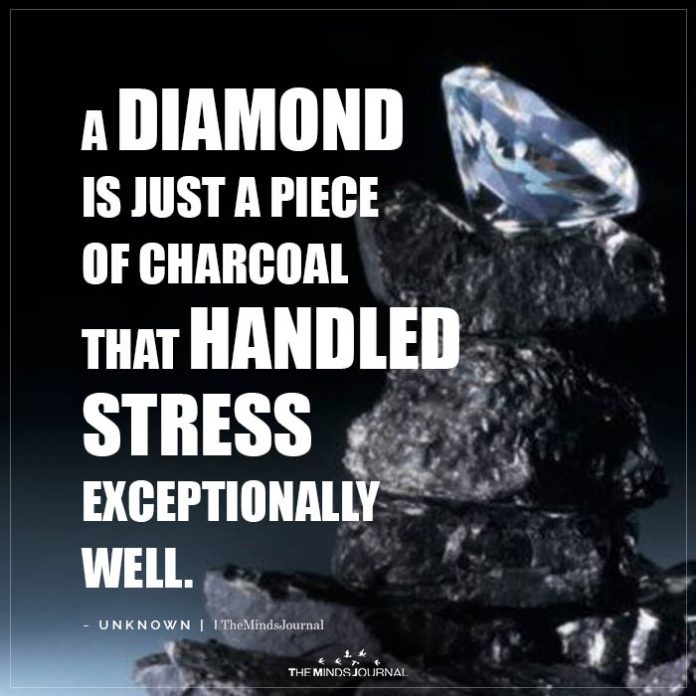
A Diamond Is Just A Piece Of Charcoal That Handled Stress

The Right Way to Cope with Stress

Given what we know about stress and coping styles, here’s what you should or shouldn’t be doing:

  • Don’t avoid stress. If you’re experiencing stress, your brain and your body are trying to tell you something. Avoidance-focused coping doesn’t work.
  • Express your emotions. Seek out people or mechanisms (e.g., journaling, meditation) that allow you to acknowledge and accept your feelings. Emotion-focused coping is part of being human. Let it happen.
  • Start getting organized. Outline the problem, start brainstorming ideas, talk to others to get new perspectives, and then get to work. When it doesn’t work out as planned, iterate, and try again. Problem-focused coping is the primary solution to long-term stress reduction.

References

Visit www.scottdust.com for more free resources for human capital enthusiasts, including a free E-book titled “A Field Guide to Human Capital Assessments.”


Written by: Scott Dust
Originally appeared on Psychology Today
Republished with permission.
what is your coping style pin


Published On:

Last updated on:

Scott Dust, Ph.D.

Scott Dust, Ph.D., is the Dr. John F. Mee Endowed Assistant Professor of Management at the Farmer School of Business, Miami University (Oxford, OH) and the Chief Research Officer at Cloverleaf, a technology company whose goal is to create amazing teams. His teaching, writing, and consulting focus on evidence-based perspectives for leading oneself (i.e., self-leadership) and others. His research on leadership, leader-follower relationships, power, and influence has appeared in several journals, including the Journal of Applied Psychology, Journal of Organizational Behavior, Leadership Quarterly, and Human Relations, and he is on the Editorial Board of the Journal of Organizational Behavior and Group and Organization Management. Scott is also the creator of an email newsletter titled Resources for Human Capital Enthusiasts, which focuses on providing evidence-based insights and timely perspectives on trends in human capital management.

Disclaimer: The informational content on The Minds Journal have been created and reviewed by qualified mental health professionals. They are intended solely for educational and self-awareness purposes and should not be used as a substitute for professional medical advice, diagnosis, or treatment. If you are experiencing emotional distress or have concerns about your mental health, please seek help from a licensed mental health professional or healthcare provider.

Leave a Comment

Today's Horoscope

Free Daily Horoscope 26 March For 12 Zodiac Signs

Daily Horoscope 26 March, 2026: Prediction For Each Zodiac Sign

Today is less about dramatic changes and more about small emotional shifts that can create long-term impact. Check your free horoscope for more insights!

Latest Quizzes

Image Personality Test: Which Woman Reveals Your True Self?

Which Woman Are You? A Personality Test That Reveals Your True Inner Nature

This personality test reveals your true self based on the woman you choose. Simple, fun, and surprisingly accurate!

Latest Quotes

Manipulative Tactics in Relationships: Gaslighting, Love Bombing, and Emotional Control

Manipulative Tactics in Relationships: Gaslighting, Love Bombing, and Emotional Control

Manipulative tactics in relationships often start subtly—gaslighting, love bombing, guilt trips, or mixed signals. Once you recognize these emotional manipulation patterns, you can protect your mental health and step away from toxic dynamics.

Readers Blog

Caption This Image and Selected Wisepicks – 22 March 2026

Caption This Image and Selected Wisepicks – 22 March 2026

Ready to unleash your inner wordsmith? ✨??☺️ Now’s your chance to show off your wit, charm, or sheer genius in just one line! Whether it’s laugh-out-loud funny or surprisingly deep, we want to hear it.Submit your funniest, wittiest, or most thought-provoking caption in the comments. We’ll pick 15+ winners to be featured on our website…

Latest Articles

What’s your coping style?
To properly manage stress, start by assessing your coping tendencies.


The last two months of the year can be stressful. It’s important to get your coping plan in order.

For many cultures, November and December are considered the holiday season. Although important to reconnect with loved ones, this time of year also comes with lots of extra activities that take their toll on our time and energy.


Add COVID-19 to the mix, and we’re also having heated discussions on how to safely conduct get-togethers, or whether to gather at all.

The time is right to reevaluate whether you are coping appropriately.

Stress Ruins Every day

There are different coping styles. This post will help you self-assess and self-reflect on whether you’re doing it right.


But first, consider taking my assessment, “What Is Your Coping Style?”

This free, nine-question assessment will automatically generate your scores and a comparison to your peers.

3 Different Coping Styles

1. Problem-Focused Coping

Problem-focused coping entails attempting to solve the source of the problem. The goal is to stop the stressor altogether.

The challenge, though, is that engaging in such behaviors can be hard, time-consuming, and even introduce new types of stress. Thus, problem-focused coping is one of the productive coping styles, long-term fix, but it takes effort.

Examples

  • Taking stock of the situation and coming up with a plan.
  • Focusing one’s efforts and attention on doing things that improve the situation.
  • Seeking out resources (e.g., people, processes, services) that can help solve the issue at hand.

Read Signs You Use Busyness As A Coping Mechanism (& How To Slow Down)


2. Emotion-Focused Coping

Emotion-focused coping entails managing the emotions associated with the situation. The goal is to minimize the negative physiological and psychological reactions stemming from the stressor.

The challenge here is that emotions can be hard to control. It’s worth the effort, though, because you’ll be more successful at problem-focused coping when you’re emotionally balanced.

Emotion-focused coping is not a long-term fix, because it doesn’t solve the source of the problem, but it’s an important part of the coping process.

Examples

  • Seeking out social support by finding someone to talk to about how you’re feeling.
  • Pinpointing, out loud or in writing, exactly what emotions you’re feeling.
  • Reminding yourself that you’ll be okay, things could be worse, or that you should be appreciative of what you have.
  • Reappraising the stressor as an opportunity to learn, grow, or develop.

Read Coping Mechanism of the Zodiacs: How Each Sign Tries To Escape Reality

3. Avoidance-Focused Coping

Avoidance-focused coping entails distancing oneself from the stressor or the feelings of stress. This is an unproductive form of coping styles. Unfortunately, people do it all the time.

Distracting ourselves from how we are feeling, or refusing to think through how to make things better, only delays the stressor. When it does resurface, it’s typically worse.  


Examples

  • Distracting yourself with something pleasurable, like entertainment (e.g., social media), sleep, or substances (e.g., drugs, alcohol).
  • Convincing yourself that everything will be fine and work itself out.
  • Acting as though nothing really happened.
  • Telling yourself you’ll deal with it when the time is right.

Read How To Prevent Burnout: 13 Signs You’re On The Edge

A Diamond Is Just A Piece Of Charcoal That Handled Stress

The Right Way to Cope with Stress

Given what we know about stress and coping styles, here’s what you should or shouldn’t be doing:

  • Don’t avoid stress. If you’re experiencing stress, your brain and your body are trying to tell you something. Avoidance-focused coping doesn’t work.
  • Express your emotions. Seek out people or mechanisms (e.g., journaling, meditation) that allow you to acknowledge and accept your feelings. Emotion-focused coping is part of being human. Let it happen.
  • Start getting organized. Outline the problem, start brainstorming ideas, talk to others to get new perspectives, and then get to work. When it doesn’t work out as planned, iterate, and try again. Problem-focused coping is the primary solution to long-term stress reduction.

References

Visit www.scottdust.com for more free resources for human capital enthusiasts, including a free E-book titled “A Field Guide to Human Capital Assessments.”


Written by: Scott Dust
Originally appeared on Psychology Today
Republished with permission.
what is your coping style pin


Published On:

Last updated on:

Scott Dust, Ph.D.

Scott Dust, Ph.D., is the Dr. John F. Mee Endowed Assistant Professor of Management at the Farmer School of Business, Miami University (Oxford, OH) and the Chief Research Officer at Cloverleaf, a technology company whose goal is to create amazing teams. His teaching, writing, and consulting focus on evidence-based perspectives for leading oneself (i.e., self-leadership) and others. His research on leadership, leader-follower relationships, power, and influence has appeared in several journals, including the Journal of Applied Psychology, Journal of Organizational Behavior, Leadership Quarterly, and Human Relations, and he is on the Editorial Board of the Journal of Organizational Behavior and Group and Organization Management. Scott is also the creator of an email newsletter titled Resources for Human Capital Enthusiasts, which focuses on providing evidence-based insights and timely perspectives on trends in human capital management.

Leave a Comment

    Leave a Comment