
The Importance Of An Ordinary Day

Author : Ira Bedzow Ph.D

Ordinary Moments: Life Is Mostly Weekdays: 2 Clear Points

Life is lived mostly in ordinary moments, not in major achievements.

Key points

  • We chase success as outcomes but overlook how we actually spend our days.
  • Flourishing comes from aligning daily actions with values, not achievements.

When students, or professionals, sit down across from me for what I call a โ€œFlourishing Chat,โ€ which is a mix between life, professional, and health coaching, they rarely begin with a crisis. More often they say something like, โ€œI know what I want to doโ€ฆ I just donโ€™t feel that great about it.โ€

They describe futures that sound impressive: consulting, medicine, law, leadership roles at major companies. The plans are polished. The rรฉsumรฉs are strong. From the outside, everything looks ready to go.

Then I ask a different question: โ€œWhat would your ordinary Tuesday look like at this job?โ€ I donโ€™t want to know about the title on their business cards or their starting salary. I want them to tell me what time theyโ€™ll wake up, who they will spend their days with, what kinds of problems they will solve, what their evenings feel like when they come home tired.
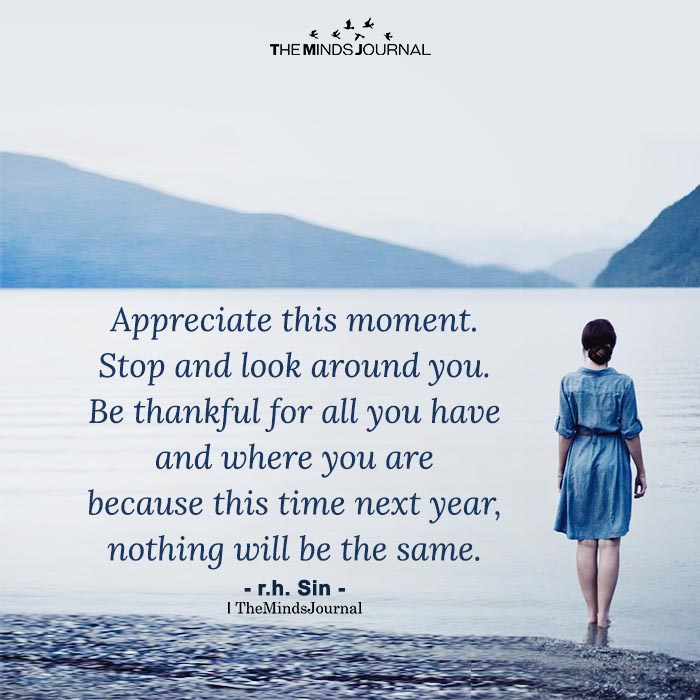
Life is lived mostly in ordinary moments

At this point in the conversation, every time, students, and sometimes even professionals, canโ€™t answer my questions. The conversation turns into silence. They have thought about what role they want, but they havenโ€™t yet thought about what the role entails โ€“ or how it fits with the activities they like to do and the people they care about.

Read More Here: Urgency Culture Is Impeding Our Ability To Live Well

We are taught early to think of success as a possession. We accumulate credentials, milestones, promotions, and recognition. We pursue outcomes that can be measured and displayed. Yet even if we mark our life journey with milestones, most of our time travelling will be in the everyday steps we take along our way.

How we travel will not only determine which path we take, it will also determine which milestones are worth marking.

The philosopher Aristotle distinguished between external goods โ€“ wealth, status, honor โ€“ and what he called eudaimonia, which is what today we call flourishing or living a good life rooted in activity rather than possession. Flourishing isnโ€™t something you own; itโ€™s something you do โ€“ consistently and as a way that speaks to your gifts and identity. It is a way of living that aligns oneโ€™s actions with oneโ€™s character and in accord with their values.

When I talk about this type of flourishing, most people agree that it sounds nice in theory. Yet when it comes to making personal and professional decisions about their lives, they often revert to their old habits of choosing the path that looks most successful from the outside rather than one they can get excited about actually living day to day.

I see this tension regularly with students who feel pulled toward careers they are not sure they will enjoy, but I also see it with professionals at almost every stage of their career. Ambition is framed as climbing a ladder rather than finding better ways to act on oneโ€™s values so that you can have greater impact on oneself and others. Success is an external metric rather than an internal measure of alignment.

This isnโ€™t anyoneโ€™s fault. Our culture reinforces the idea that success happens at the finish line. Social media compresses lives into highlight reels: the graduation photo, the new job announcement, the promotion. We see the trophies, not the ordinary weekday mornings that make up a life.

Ordinary Moments: Life Is Mostly Weekdays

I learned this lesson myself early in my career. Like many ambitious young professionals, I believed that hard work meant sacrificing the present so that future happiness could eventually arrive. Like the lesson of the famous โ€œmarshmallow test,โ€ I thought it demonstrated the capacity to achieve success: A noble ability to endure now so I can enjoy later.

While endurance is an important ability โ€“ and it is important to put in the time to become great at what we do โ€“ it is equally important to consider what we are enduring for. Is it to achieve for the sake of achievement, or is it to be able to successfully accomplish the things we truly care about doing?

Psychologists sometimes talk about the โ€œarrival fallacy,โ€ which is the belief that reaching a certain goal will bring lasting fulfillment. The problem is that achieving these goals rarely transforms daily life in the ways we expect. We adapt quickly. We keep running on that โ€œhedonic treadmill.โ€ New pressures replace old ones. The future we imagined becomes simply the new normal.

Meanwhile, the real question remains unanswered: Do I actually like how I spend my days?

This is why, in these flourishing chats, I push my conversation partners toward the details โ€“ towards painting as complete a picture as they can. Not because I want to discourage ambition, but because ambition is healthier when it is grounded in reality and in self-reflection.

โ€œWhat are you doing from nine to five?โ€
โ€œWho are you talking to?โ€
โ€œWhat parts of the work energize you and what parts drain you?โ€

These questions shift the frame. They ask us to stop seeing success as something you possess and to start seeing it as something you practice. They ask us to pay attention to the details of how we live our days.

This perspective doesnโ€™t make decisions easier. In fact, it can make them harder, because we now have to think beyond external validation and ask ourselves what actually sustains us. We must be honest about tradeoffs we are willing to make and have the courage to choose paths that may not look impressive from other peopleโ€™s vantage points.

Read More Here: Why Gen Z Feel Less Happy Even As Society Gets Richer

Yet, taking this view of success also offers something liberating, because now our everyday isnโ€™t a means to a few momentary milestones. Life is embraced through the ordinary days we spend living it.


Written by Ira Bedzow, Ph.D. 
Originally Appeared on Psychology Today
ordinary days

Published On:

Last updated on:

Ira Bedzow Ph.D

Ira Bedzow, Ph.D., is an associate professor at the Emory University School of Medicine and the executive director of the Emory Purpose Project.

Disclaimer: The informational content on The Minds Journal have been created and reviewed by qualified mental health professionals. They are intended solely for educational and self-awareness purposes and should not be used as a substitute for professional medical advice, diagnosis, or treatment. If you are experiencing emotional distress or have concerns about your mental health, please seek help from a licensed mental health professional or healthcare provider.

Leave a Comment

Today's Horoscope

Daily Horoscope 29 April 2026: Prediction for Zodiac Signs

Daily Horoscope 29 April, 2026: Prediction For Each Zodiac Sign

The energy today feels softer than usual.

Latest Quizzes

What Is My Core Wound Quiz? 10 Signs That Expose It!

What You Notice First in Someone Isnโ€™t Randomโ€”Take This Quiz to Reveal Your Core Wound

What you notice first in others may quietly mirror your own needs that go unseen and unmet. Take this simple quiz to help you uncover the core wounds hidden beneath that actually shape you.

Latest Quotes

Human Psychology Facts: How These Cognitive Biases Quietly Shape Your Life

Human Psychology Facts: How These Cognitive Biases Quietly Shape Your Life

Human psychology facts show how your brain quietly edits reality. From the Pratfall Effect to the Halo Effect, these cognitive biases influence who you like, what you notice, and how confident you feel.

Readers Blog

Caption This Image and Selected Wisepicks โ€“ 26 April 2026

Caption This Image and Selected Wisepicks โ€“ 26 April 2026

Ready to unleash your inner wordsmith? โœจ??โ˜บ๏ธ Nowโ€™s your chance to show off your wit, charm, or sheer genius in just one line! Whether itโ€™s laugh-out-loud funny or surprisingly deep, we want to hear it.Submit your funniest, wittiest, or most thought-provoking caption in the comments. Weโ€™ll pick 15+ winners to be featured on our website…

Latest Articles

Ordinary Moments: Life Is Mostly Weekdays: 2 Clear Points

Life is lived mostly in ordinary moments, not in major achievements.

Key points

  • We chase success as outcomes but overlook how we actually spend our days.
  • Flourishing comes from aligning daily actions with values, not achievements.

When students, or professionals, sit down across from me for what I call a โ€œFlourishing Chat,โ€ which is a mix between life, professional, and health coaching, they rarely begin with a crisis. More often they say something like, โ€œI know what I want to doโ€ฆ I just donโ€™t feel that great about it.โ€

They describe futures that sound impressive: consulting, medicine, law, leadership roles at major companies. The plans are polished. The rรฉsumรฉs are strong. From the outside, everything looks ready to go.

Then I ask a different question: โ€œWhat would your ordinary Tuesday look like at this job?โ€ I donโ€™t want to know about the title on their business cards or their starting salary. I want them to tell me what time theyโ€™ll wake up, who they will spend their days with, what kinds of problems they will solve, what their evenings feel like when they come home tired.

Life is lived mostly in ordinary moments

At this point in the conversation, every time, students, and sometimes even professionals, canโ€™t answer my questions. The conversation turns into silence. They have thought about what role they want, but they havenโ€™t yet thought about what the role entails โ€“ or how it fits with the activities they like to do and the people they care about.

Read More Here: Urgency Culture Is Impeding Our Ability To Live Well

We are taught early to think of success as a possession. We accumulate credentials, milestones, promotions, and recognition. We pursue outcomes that can be measured and displayed. Yet even if we mark our life journey with milestones, most of our time travelling will be in the everyday steps we take along our way.

How we travel will not only determine which path we take, it will also determine which milestones are worth marking.

The philosopher Aristotle distinguished between external goods โ€“ wealth, status, honor โ€“ and what he called eudaimonia, which is what today we call flourishing or living a good life rooted in activity rather than possession. Flourishing isnโ€™t something you own; itโ€™s something you do โ€“ consistently and as a way that speaks to your gifts and identity. It is a way of living that aligns oneโ€™s actions with oneโ€™s character and in accord with their values.

When I talk about this type of flourishing, most people agree that it sounds nice in theory. Yet when it comes to making personal and professional decisions about their lives, they often revert to their old habits of choosing the path that looks most successful from the outside rather than one they can get excited about actually living day to day.

I see this tension regularly with students who feel pulled toward careers they are not sure they will enjoy, but I also see it with professionals at almost every stage of their career. Ambition is framed as climbing a ladder rather than finding better ways to act on oneโ€™s values so that you can have greater impact on oneself and others. Success is an external metric rather than an internal measure of alignment.

This isnโ€™t anyoneโ€™s fault. Our culture reinforces the idea that success happens at the finish line. Social media compresses lives into highlight reels: the graduation photo, the new job announcement, the promotion. We see the trophies, not the ordinary weekday mornings that make up a life.

Ordinary Moments: Life Is Mostly Weekdays

I learned this lesson myself early in my career. Like many ambitious young professionals, I believed that hard work meant sacrificing the present so that future happiness could eventually arrive. Like the lesson of the famous โ€œmarshmallow test,โ€ I thought it demonstrated the capacity to achieve success: A noble ability to endure now so I can enjoy later.

While endurance is an important ability โ€“ and it is important to put in the time to become great at what we do โ€“ it is equally important to consider what we are enduring for. Is it to achieve for the sake of achievement, or is it to be able to successfully accomplish the things we truly care about doing?

Psychologists sometimes talk about the โ€œarrival fallacy,โ€ which is the belief that reaching a certain goal will bring lasting fulfillment. The problem is that achieving these goals rarely transforms daily life in the ways we expect. We adapt quickly. We keep running on that โ€œhedonic treadmill.โ€ New pressures replace old ones. The future we imagined becomes simply the new normal.

Meanwhile, the real question remains unanswered: Do I actually like how I spend my days?

This is why, in these flourishing chats, I push my conversation partners toward the details โ€“ towards painting as complete a picture as they can. Not because I want to discourage ambition, but because ambition is healthier when it is grounded in reality and in self-reflection.

โ€œWhat are you doing from nine to five?โ€
โ€œWho are you talking to?โ€
โ€œWhat parts of the work energize you and what parts drain you?โ€

These questions shift the frame. They ask us to stop seeing success as something you possess and to start seeing it as something you practice. They ask us to pay attention to the details of how we live our days.

This perspective doesnโ€™t make decisions easier. In fact, it can make them harder, because we now have to think beyond external validation and ask ourselves what actually sustains us. We must be honest about tradeoffs we are willing to make and have the courage to choose paths that may not look impressive from other peopleโ€™s vantage points.

Read More Here: Why Gen Z Feel Less Happy Even As Society Gets Richer

Yet, taking this view of success also offers something liberating, because now our everyday isnโ€™t a means to a few momentary milestones. Life is embraced through the ordinary days we spend living it.


Written by Ira Bedzow, Ph.D. 
Originally Appeared on Psychology Today
ordinary days

Published On:

Last updated on:

Ira Bedzow Ph.D

Ira Bedzow, Ph.D., is an associate professor at the Emory University School of Medicine and the executive director of the Emory Purpose Project.

Leave a Comment

    Leave a Comment