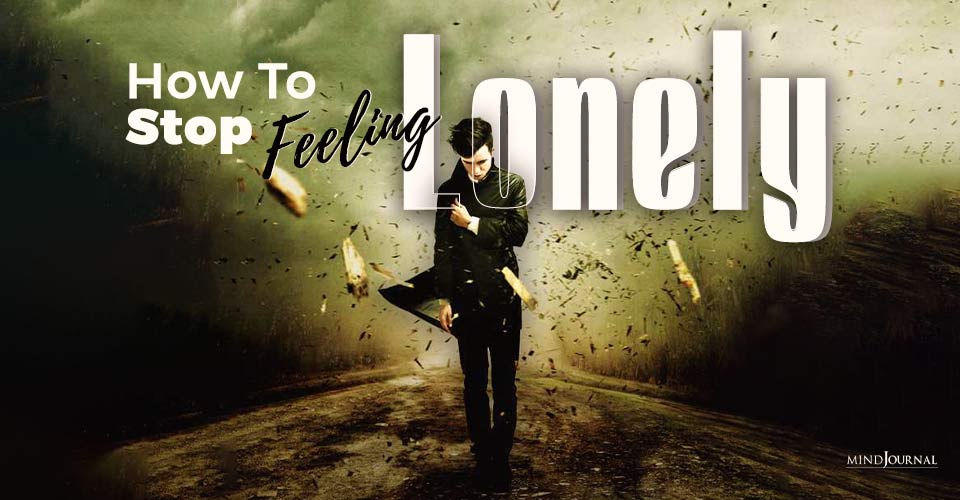
The Dilemma Of Loneliness: How To Stop Feeling Lonely

Author : Diana Raab Ph.D.

There’s a difference between loneliness and solitude. Over the past few months, so many inquiries and articles have landed on my desk about loneliness that I’m beginning to wonder if it’s an epidemic.


Much of this has to do with the isolation associated with technological connections and the increased use of social media.

Sometimes it’s just easier to text someone than it is to get in your car and drive to have a cup of coffee or tea, but in the long run, feelings of loneliness might result. Further, in addition to the aging population and many elders living alone, many others are choosing to live alone, thus increasing incidences of loneliness.


Loneliness is not just about being alone, though, but rather, it is about a state of mind. Being lonely is about feeling disconnected from those around you, whether from an interpersonal or universal standpoint. Those who are lonely feel empty and drained.

Solitude, on the other hand, can be restorative and healing. Some individuals—such as surfers, bikers, artists, and writers—require solitude in order to do what they love. In fact, it has been said that creativity and solitude go hand in hand. In her 1929 diary, author Virginia Woolf claimed that feelings of loneliness instilled her with a sense of wisdom and creativity.
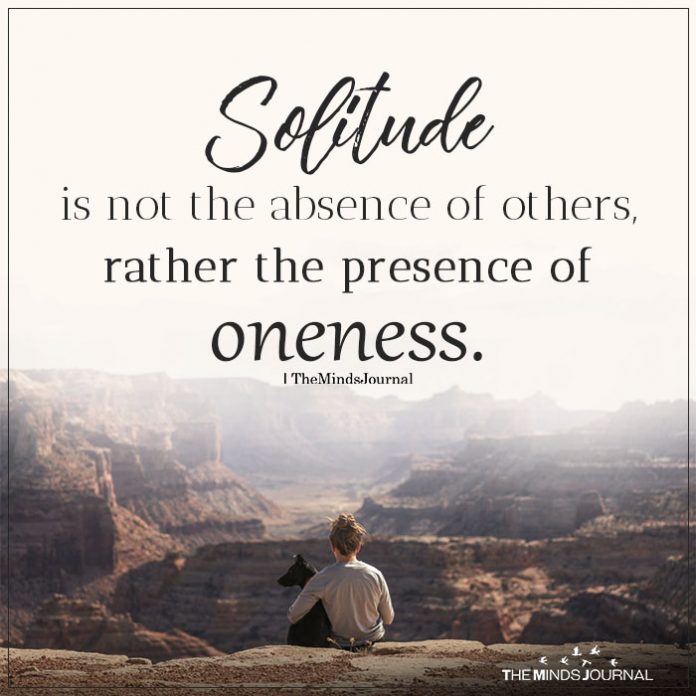
solitude

Humans are social creatures, and in order to be happy, we need to establish some intimate bonds with others, but the challenge is to find a balance between solitude and socialization. We need both.


Related: Why Sleeping Is The Easiest (And Hardest) Part Of Living With Depression

Studies have revealed that those who experience excessive loneliness are more prone to sleep disorders, high levels of stress hormones, inflammation, heart disease, respiratory disease, cancer, and gastrointestinal problems. Recent statistics have shown that while obesity is a major health risk, there are greater risks: loneliness and social isolation.

Loneliness Is As Lethal As Smoking 15 Cigarettes Per Day

A study conducted by Julianne Holt-Lundstad at Brigham Young University found that isolation may increase the risk of premature death by up to 50 percent. These statistics are quite important in view of our aging population. In fact, an AARP loneliness study stated that 42.6 million adults over the age of 45 suffer from chronic loneliness, and these numbers will no doubt rise in the years to come.

Loneliness Is Contagious, Non-lonely People Who Hang Out With

Some claim that there are different types of loneliness. In her Psychology Today article “Seven Types of Loneliness, and Why it Matters,” Gretchen Rubin said that for the most part, loneliness fits in one of the following categories: new-situation loneliness, feeling-different loneliness, no-sweetheart/love loneliness, no-animal loneliness, no-time-for-the-self loneliness, untrustworthy-friends loneliness, and quiet-presence loneliness.

There are times when we simply want to be alone, and perhaps other times when we do not… but don’t know how to change the situation.
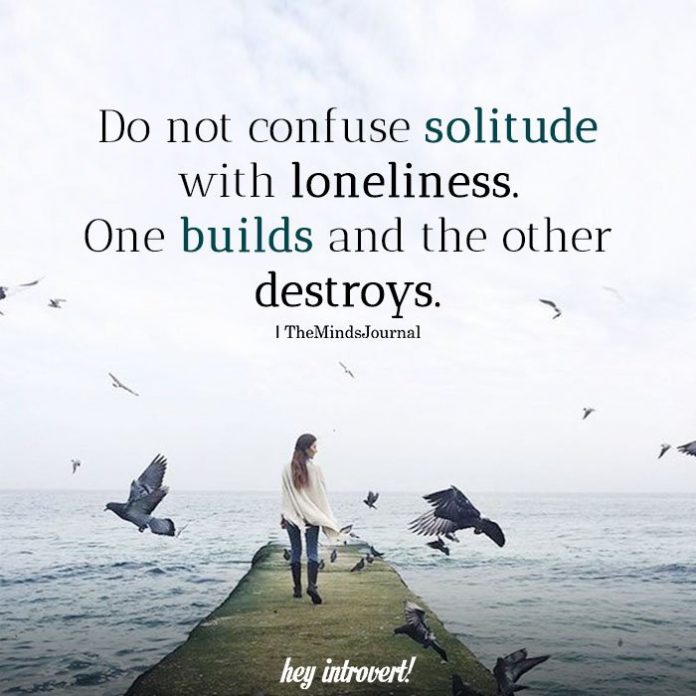
loneliness and solitude

Here Are Some Ways To Fend Off Feelings Of Loneliness:

· Join groups with like-minded people.


· Reach out to those in need.

· Talk to strangers in stores or other places you frequent.

· Consider engaging in a creative activity that involves others.

· Plan a coffee or lunch with friends every week.

· Write a letter to someone you’ve lost touch with.

· Consider adopting or fostering a pet or volunteering at an animal shelter.

· Call an emotional listening hotline—for example 1-800-931-4616.


Related: How to Stop Being an Emotionally Repressed Person: Crying Therapy

Please share this article with anyone who you may think will find it valuable and helpful.


References
Laing, O. (2016). The Lonely City: Adventures in the Art of Being Alone. New York, NY: Picador.
Latson, J. (2018). “The Cure for Disconnection.” Psychology Today. March/April. Vol. 51. No. 2. pp. 42–51.
Maitland, S. (2018). "How to Be Alone: Thoughts on Being Alone.” Flow Magazine. Issue 24, pp. 108–110.
Rubin, Gretchen. (2017). Psychology Today. “7 Types of Loneliness: And Why it Matters.” February 27.

Written by: Diana Raab, MFA, Ph.D
Originally appeared on:Psychology Today
Republished with permission 
loneliness pin


Published On:

Last updated on:

Disclaimer: The informational content on The Minds Journal have been created and reviewed by qualified mental health professionals. They are intended solely for educational and self-awareness purposes and should not be used as a substitute for professional medical advice, diagnosis, or treatment. If you are experiencing emotional distress or have concerns about your mental health, please seek help from a licensed mental health professional or healthcare provider.

Leave a Comment

Today's Horoscope

Your Daily Horoscope For 4 April, 2026: Free Predictions

Daily Horoscope 4 April, 2026: Prediction For Each Zodiac Sign

Look at your daily prediction and see what the stars have in store for your love life and your future!

Latest Quizzes

How Many Circles Do You See? A Simple Test of Thinking Style

How Many Circles Do You See? Your Answer Might Reveal Narcissistic Traits! 

Take a closer look at this simple image and discover what your circle count reveals about your thinking style, perception, and attention in this fun and engaging visual test.

Latest Quotes

Real Signs Your Body Is Actually in Good Health: How to Know You’re Truly Well

Real Signs Your Body Is Actually in Good Health: How to Know You’re Truly Well

Real signs your body is healthy don’t always show up on lab reports. From good sleep and clear skin to regular digestion and a stable mood, your body is constantly sending quiet signals of wellness.

Readers Blog

Caption This Image and Selected Wisepicks – 5 April 2026

Caption This Image and Selected Wisepicks – 5 April 2026

Ready to unleash your inner wordsmith? ✨??☺️ Now’s your chance to show off your wit, charm, or sheer genius in just one line! Whether it’s laugh-out-loud funny or surprisingly deep, we want to hear it.Submit your funniest, wittiest, or most thought-provoking caption in the comments. We’ll pick 15+ winners to be featured on our website…

Latest Articles

There’s a difference between loneliness and solitude. Over the past few months, so many inquiries and articles have landed on my desk about loneliness that I’m beginning to wonder if it’s an epidemic.


Much of this has to do with the isolation associated with technological connections and the increased use of social media.

Sometimes it’s just easier to text someone than it is to get in your car and drive to have a cup of coffee or tea, but in the long run, feelings of loneliness might result. Further, in addition to the aging population and many elders living alone, many others are choosing to live alone, thus increasing incidences of loneliness.


Loneliness is not just about being alone, though, but rather, it is about a state of mind. Being lonely is about feeling disconnected from those around you, whether from an interpersonal or universal standpoint. Those who are lonely feel empty and drained.

Solitude, on the other hand, can be restorative and healing. Some individuals—such as surfers, bikers, artists, and writers—require solitude in order to do what they love. In fact, it has been said that creativity and solitude go hand in hand. In her 1929 diary, author Virginia Woolf claimed that feelings of loneliness instilled her with a sense of wisdom and creativity.

solitude

Humans are social creatures, and in order to be happy, we need to establish some intimate bonds with others, but the challenge is to find a balance between solitude and socialization. We need both.


Related: Why Sleeping Is The Easiest (And Hardest) Part Of Living With Depression

Studies have revealed that those who experience excessive loneliness are more prone to sleep disorders, high levels of stress hormones, inflammation, heart disease, respiratory disease, cancer, and gastrointestinal problems. Recent statistics have shown that while obesity is a major health risk, there are greater risks: loneliness and social isolation.

Loneliness Is As Lethal As Smoking 15 Cigarettes Per Day

A study conducted by Julianne Holt-Lundstad at Brigham Young University found that isolation may increase the risk of premature death by up to 50 percent. These statistics are quite important in view of our aging population. In fact, an AARP loneliness study stated that 42.6 million adults over the age of 45 suffer from chronic loneliness, and these numbers will no doubt rise in the years to come.

Loneliness Is Contagious, Non-lonely People Who Hang Out With

Some claim that there are different types of loneliness. In her Psychology Today article “Seven Types of Loneliness, and Why it Matters,” Gretchen Rubin said that for the most part, loneliness fits in one of the following categories: new-situation loneliness, feeling-different loneliness, no-sweetheart/love loneliness, no-animal loneliness, no-time-for-the-self loneliness, untrustworthy-friends loneliness, and quiet-presence loneliness.

There are times when we simply want to be alone, and perhaps other times when we do not… but don’t know how to change the situation.

loneliness and solitude

Here Are Some Ways To Fend Off Feelings Of Loneliness:

· Join groups with like-minded people.


· Reach out to those in need.

· Talk to strangers in stores or other places you frequent.

· Consider engaging in a creative activity that involves others.

· Plan a coffee or lunch with friends every week.

· Write a letter to someone you’ve lost touch with.

· Consider adopting or fostering a pet or volunteering at an animal shelter.

· Call an emotional listening hotline—for example 1-800-931-4616.


Related: How to Stop Being an Emotionally Repressed Person: Crying Therapy

Please share this article with anyone who you may think will find it valuable and helpful.


References
Laing, O. (2016). The Lonely City: Adventures in the Art of Being Alone. New York, NY: Picador.
Latson, J. (2018). “The Cure for Disconnection.” Psychology Today. March/April. Vol. 51. No. 2. pp. 42–51.
Maitland, S. (2018). "How to Be Alone: Thoughts on Being Alone.” Flow Magazine. Issue 24, pp. 108–110.
Rubin, Gretchen. (2017). Psychology Today. “7 Types of Loneliness: And Why it Matters.” February 27.

Written by: Diana Raab, MFA, Ph.D
Originally appeared on:Psychology Today
Republished with permission 
loneliness pin


Published On:

Last updated on:

Diana Raab Ph.D.

Leave a Comment

    Leave a Comment