Recognizing Behavioral Red Flags: Signs of Being Stuck in a Stress Response

Author :

In a world marked by incessant demands and pressures, the human nervous system is often thrust into a state of heightened alertness, triggering various stress responses. Therapist Rebekah Ballagh sheds light on the intricate workings of the nervous system, delineating how chronic stress can manifest through behavioral red flags indicative of being stuck in a stress response.

Understanding the Signs of Stuck in a Stress Response:

Ballagh elucidates the four primary stress responses ingrained within the human nervous system: flight, fight, freeze, and fawn. While these responses are adaptive mechanisms designed to safeguard individuals in times of danger, Ballagh emphasizes that they were intended as short-term solutions.

However, in the face of chronic stress, the nervous system can become ensnared in a perpetual state of alertness, eliciting a cascade of behavioral red flags.

Procrastination and Decision-Making:
Chronic stress can manifest through procrastination and decision-making delays, as individuals grapple with an overwhelming inability to prioritize tasks.

Ballagh underscores the detrimental impact of chronic stress on cognitive functioning, highlighting how it impairs individuals’ capacity to make timely and effective decisions, exacerbating feelings of overwhelm and anxiety.

Heightened Irritability and Agitation:
The prolonged activation of the stress response can manifest through heightened irritability and agitation, attributed to elevated cortisol levels impacting mood regulation.

Ballagh underscores the profound impact of chronic stress on emotional well-being, emphasizing the need for proactive strategies to mitigate its detrimental effects on mental health.

Social Withdrawal and Isolation:
Contrary to the innate human need for social connection and belongingness, individuals entrenched in a chronic stress response may exhibit tendencies towards social withdrawal and isolation.

Ballagh elucidates how the pervasive sense of overwhelm and anxiety can compel individuals to retreat into solitude, further exacerbating feelings of loneliness and disconnection.

Escapist Behaviors:
Ballagh sheds light on the coping mechanisms employed by individuals grappling with overwhelming situations, often resorting to escapist behaviors as a means of avoidance.

Whether through excessive consumption of entertainment or indulgence in substance use, these behaviors serve as temporary reprieves from the burdens of chronic stress, albeit at the expense of long-term well-being.

Navigating the Complexities of Chronic Stress:
As individuals navigate the labyrinth of chronic stress, Ballagh emphasizes the importance of cultivating self-awareness and resilience in identifying and addressing behavioral red flags.

From prioritizing self-care practices to seeking professional support, Ballagh underscores the multitude of strategies available for mitigating the detrimental effects of chronic stress on mental and emotional well-being.

In closing, Ballagh offers a message of hope and empowerment, encouraging individuals to recognize the behavioral red flags indicative of being stuck in a stress response and take proactive steps towards healing and resilience.

By fostering self-awareness and embracing supportive strategies, individuals can navigate the complexities of chronic stress with courage and fortitude, reclaiming a sense of balance and well-being amidst life’s challenges.


Published On:

Last updated on:

Disclaimer: The informational content on The Minds Journal have been created and reviewed by qualified mental health professionals. They are intended solely for educational and self-awareness purposes and should not be used as a substitute for professional medical advice, diagnosis, or treatment. If you are experiencing emotional distress or have concerns about your mental health, please seek help from a licensed mental health professional or healthcare provider.

Leave a Comment

Today's Horoscope

Daily Horoscope 22 May, 2026: Prediction For Each Zodiac Sign

Daily Horoscope 22 May, 2026: Prediction For Each Zodiac Sign

Ready to know more? Here is your free horoscope and daily prediction for all 12 zodiac signs.

Latest Quizzes

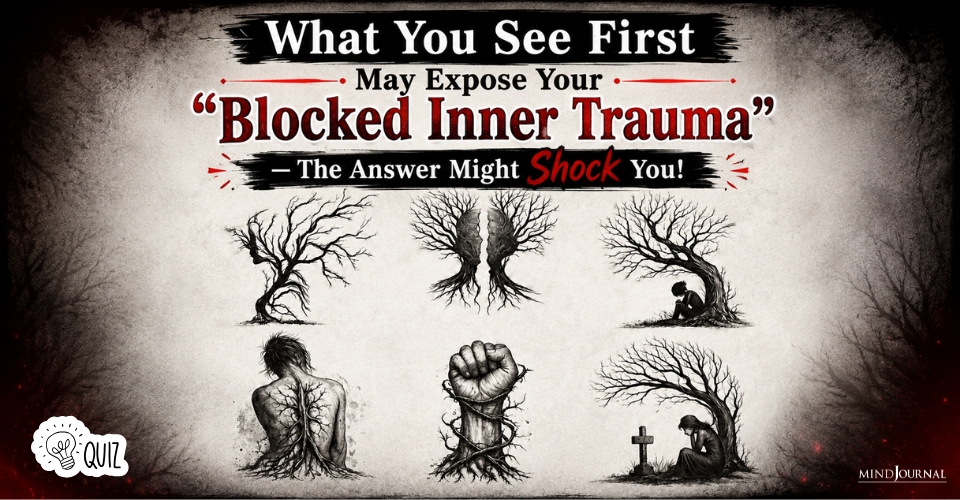
What You See First May Expose Your “Blocked Inner Trauma” The Answer Might Shock You!

What You See First May Expose Your “Blocked Inner Trauma” — The Answer Might Shock You!

This viral image test claims the first thing you see may reveal your blocked inner trauma. Look closely… then read your result!

Latest Quotes

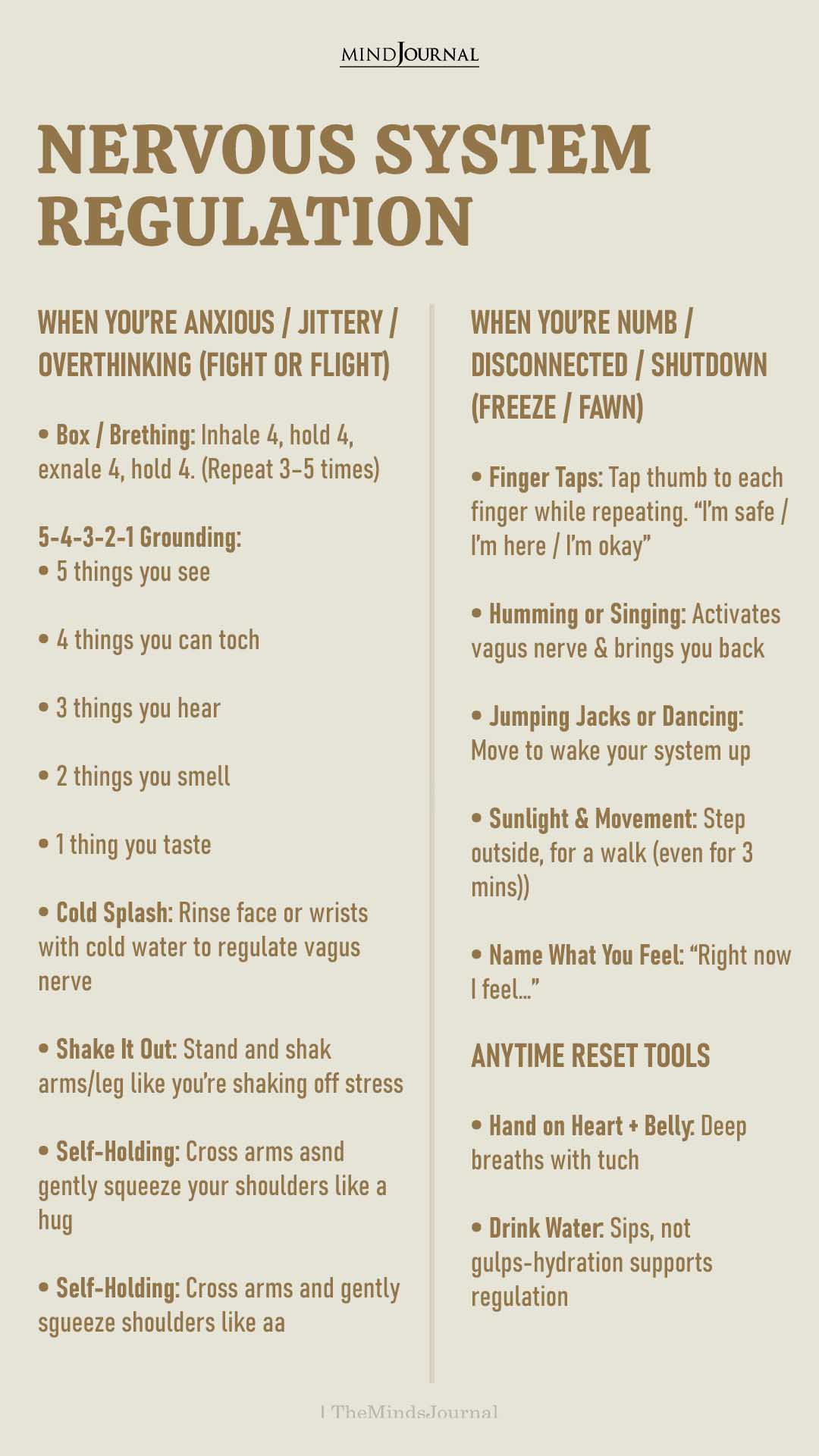
Nervous System Regulation: Simple Tools to Calm Anxiety and Reconnect With Your Body

Nervous System Regulation: Simple Tools to Calm Anxiety and Reconnect With Your Body

Nervous system regulation matters most when you feel anxious, numb, or stuck in overthinking. These simple grounding tools and breath practices help calm fight-or-flight and gently wake you from shutdown.

Readers Blog

Caption This Image and Selected Wisepicks – 17 May 2026

Caption This Image and Selected Wisepicks – 17 May 2026

Ready to unleash your inner wordsmith? ✨??☺️ Now’s your chance to show off your wit, charm, or sheer genius in just one line! Whether it’s laugh-out-loud funny or surprisingly deep, we want to hear it.Submit your funniest, wittiest, or most thought-provoking caption in the comments. We’ll pick 15+ winners to be featured on our website…

Latest Articles

In a world marked by incessant demands and pressures, the human nervous system is often thrust into a state of heightened alertness, triggering various stress responses. Therapist Rebekah Ballagh sheds light on the intricate workings of the nervous system, delineating how chronic stress can manifest through behavioral red flags indicative of being stuck in a stress response.

Understanding the Signs of Stuck in a Stress Response:

Ballagh elucidates the four primary stress responses ingrained within the human nervous system: flight, fight, freeze, and fawn. While these responses are adaptive mechanisms designed to safeguard individuals in times of danger, Ballagh emphasizes that they were intended as short-term solutions.

However, in the face of chronic stress, the nervous system can become ensnared in a perpetual state of alertness, eliciting a cascade of behavioral red flags.

Procrastination and Decision-Making:
Chronic stress can manifest through procrastination and decision-making delays, as individuals grapple with an overwhelming inability to prioritize tasks.

Ballagh underscores the detrimental impact of chronic stress on cognitive functioning, highlighting how it impairs individuals’ capacity to make timely and effective decisions, exacerbating feelings of overwhelm and anxiety.

Heightened Irritability and Agitation:
The prolonged activation of the stress response can manifest through heightened irritability and agitation, attributed to elevated cortisol levels impacting mood regulation.

Ballagh underscores the profound impact of chronic stress on emotional well-being, emphasizing the need for proactive strategies to mitigate its detrimental effects on mental health.

Social Withdrawal and Isolation:
Contrary to the innate human need for social connection and belongingness, individuals entrenched in a chronic stress response may exhibit tendencies towards social withdrawal and isolation.

Ballagh elucidates how the pervasive sense of overwhelm and anxiety can compel individuals to retreat into solitude, further exacerbating feelings of loneliness and disconnection.

Escapist Behaviors:
Ballagh sheds light on the coping mechanisms employed by individuals grappling with overwhelming situations, often resorting to escapist behaviors as a means of avoidance.

Whether through excessive consumption of entertainment or indulgence in substance use, these behaviors serve as temporary reprieves from the burdens of chronic stress, albeit at the expense of long-term well-being.

Navigating the Complexities of Chronic Stress:
As individuals navigate the labyrinth of chronic stress, Ballagh emphasizes the importance of cultivating self-awareness and resilience in identifying and addressing behavioral red flags.

From prioritizing self-care practices to seeking professional support, Ballagh underscores the multitude of strategies available for mitigating the detrimental effects of chronic stress on mental and emotional well-being.

In closing, Ballagh offers a message of hope and empowerment, encouraging individuals to recognize the behavioral red flags indicative of being stuck in a stress response and take proactive steps towards healing and resilience.

By fostering self-awareness and embracing supportive strategies, individuals can navigate the complexities of chronic stress with courage and fortitude, reclaiming a sense of balance and well-being amidst life’s challenges.

Published On:

Last updated on:

Leave a Comment

    Leave a Comment