
Why Financial Stress Is Quietly Affecting Your Mental Health

Author : Charlotte Smith

Why Financial Stress Is Quietly Affecting Your Mental Health

The Hidden Weight You Carry Every Day

There’s a kind of exhaustion that sleep doesn’t fix.

It shows up late at night when your mind won’t slow down, or in the middle of an ordinary day when something just feels off. On the surface, everything might look fine. You’re going through your routine, getting things done, staying functional. But underneath it all, there’s a quiet weight you carry with you.

For many people, that weight is tied to money.

Not just how much you have, but the constant uncertainty around it. The small mental calculations you make without realizing. The hesitation before spending. The guilt that sometimes follows. The comparisons that creep in when you see how others seem to be doing.

Financial stress doesn’t always look dramatic. It’s not always about crisis or collapse. Sometimes, it’s much quieter than that. It’s the background noise in your mind that never fully goes away.

And over time, that noise starts to affect you more than you realize.

When Money Stress Spreads Into Everything

Money stress has a way of spreading into different parts of your life. It doesn’t stay contained. It shows up in your thoughts, your decisions, and even your mood. You might find yourself overthinking things that used to feel simple, or avoiding situations that make you uncomfortable, like checking your balance or planning ahead.

What makes it even harder is how subtle the cycle can be. You start worrying about money, and that worry drains your energy. With less energy, even small decisions feel heavier. And when decisions feel harder, the stress only grows.

It’s not just about the numbers. It’s about how much mental effort it takes to manage them.

That’s why more people are starting to pay attention not only to their finances, but to how they interact with them. There’s a growing awareness that complexity itself can be a source of stress. When things feel confusing or unpredictable, your mind stays on edge.

In response, some people are choosing to simplify. They’re looking for ways to reduce friction in their daily lives, including how they manage their money. This might mean automating certain tasks or moving toward more straightforward systems like online banks, where things feel clearer and easier to navigate.

Because sometimes the problem isn’t just financial pressure. It’s the feeling that managing it is harder than it needs to be.

The Need for Control and Stability

At its core, a lot of financial stress comes down to a sense of control, or the lack of it. When you’re unsure where your money is going, or when unexpected expenses disrupt your plans, it creates a feeling of instability. And that’s something your mind reacts to immediately.

People naturally feel calmer when things are predictable. When you understand what’s happening and what to expect, it’s easier to relax. But when your financial situation feels unclear or constantly shifting, your mind stays in a low-level state of tension.

It’s not always intense anxiety. Sometimes it’s just a subtle unease that never fully leaves.

Living in that state day after day can be draining in ways that are hard to explain. You might not even connect it directly to money at first. It just feels like you’re always a little tired, a little distracted, a little overwhelmed.

Why Simpler Systems Feel Like Relief

This is part of why there’s been a noticeable shift toward simpler ways of living. People are starting to recognize how much unnecessary complexity adds to their stress. Not just in their schedules or environments, but in the systems they rely on every day.

Simplifying doesn’t mean giving up control. In many ways, it’s the opposite. It’s about creating a structure that feels manageable. It’s about removing the extra layers that make things harder to deal with.

When it comes to finances, even small changes can make a difference. Making things more visible, more organized, or more automatic can reduce the mental load. It doesn’t solve everything overnight, but it creates a sense of steadiness.

And that steadiness matters more than we often admit.

The Emotional Side of Money

A big part of this process is also emotional. For many people, money is tied to deeper beliefs about themselves. It’s easy to fall into patterns of self-criticism, to think you’re doing something wrong or that you should be further along.

Thoughts like “I’m bad with money” or “I’ll never get ahead” can become so familiar that they start to feel true.

But they’re not facts. They’re learned responses, shaped by experiences, expectations, and pressure. And like any pattern, they can change over time.

Improving your relationship with money doesn’t require perfection. It doesn’t mean having everything figured out. It starts with awareness. With noticing how you think and feel, and giving yourself a bit more understanding in the process.

When you begin to shift that perspective, even slightly, it changes the way you approach things. Instead of avoiding or reacting, you start engaging with more clarity.

And that can ease a surprising amount of stress.

Peace Comes From What Supports You

We often think of mental health as something purely internal, something that exists only in thoughts and emotions. But the reality is, your daily life plays a big role in how you feel. The systems you rely on, the habits you build, and the way things are structured around you all matter.

Peace isn’t just about mindset. It’s also about how manageable your life feels.

Sometimes, feeling better doesn’t come from a big realization or a dramatic change. It comes from making things a little simpler. A little clearer. A little easier to handle.

Because when your environment supports you instead of overwhelming you, your mind has more space to rest.

And for many people, that’s what they’ve been needing all along. Not perfection. Not complete control. Just the sense that things are no longer as heavy as they once felt.

Published On:

Last updated on:

Disclaimer: The informational content on The Minds Journal have been created and reviewed by qualified mental health professionals. They are intended solely for educational and self-awareness purposes and should not be used as a substitute for professional medical advice, diagnosis, or treatment. If you are experiencing emotional distress or have concerns about your mental health, please seek help from a licensed mental health professional or healthcare provider.

Leave a Comment

Today's Horoscope

Your Daily Horoscope 30 April, 2026: Free Guide

Daily Horoscope 30 April, 2026: Prediction For Each Zodiac Sign

Think of today’s daily prediction as a gentle nudge! Find your zodiac sign below...

Latest Quizzes

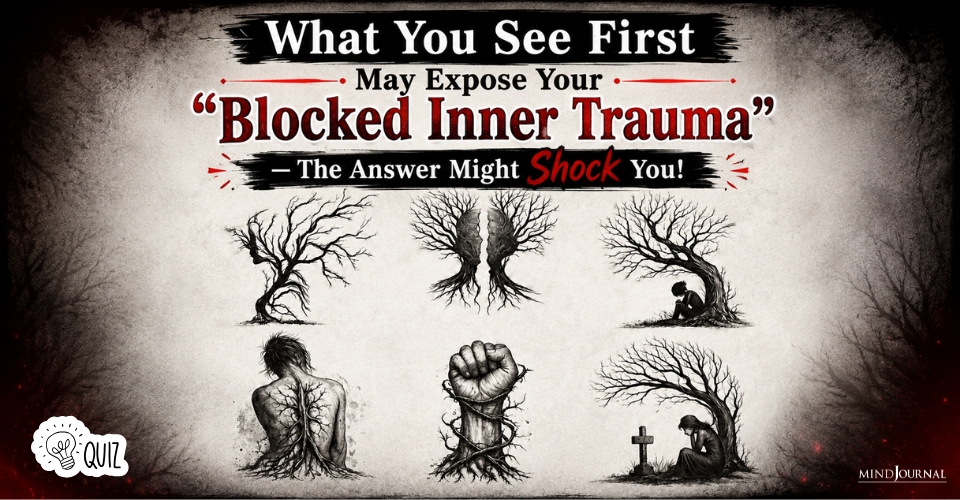
What Is My Core Wound Quiz? 10 Signs That Expose It!

What You Notice First in Someone Isn’t Random—Take This Quiz to Reveal Your Core Wound

What you notice first in others may quietly mirror your own needs that go unseen and unmet. Take this simple quiz to help you uncover the core wounds hidden beneath that actually shape you.

Latest Quotes

Human Psychology Facts: How These Cognitive Biases Quietly Shape Your Life

Human Psychology Facts: How These Cognitive Biases Quietly Shape Your Life

Human psychology facts show how your brain quietly edits reality. From the Pratfall Effect to the Halo Effect, these cognitive biases influence who you like, what you notice, and how confident you feel.

Readers Blog

Caption This Image and Selected Wisepicks – 26 April 2026

Caption This Image and Selected Wisepicks – 26 April 2026

Ready to unleash your inner wordsmith? ✨??☺️ Now’s your chance to show off your wit, charm, or sheer genius in just one line! Whether it’s laugh-out-loud funny or surprisingly deep, we want to hear it.Submit your funniest, wittiest, or most thought-provoking caption in the comments. We’ll pick 15+ winners to be featured on our website…

Latest Articles

Why Financial Stress Is Quietly Affecting Your Mental Health

The Hidden Weight You Carry Every Day

There’s a kind of exhaustion that sleep doesn’t fix.

It shows up late at night when your mind won’t slow down, or in the middle of an ordinary day when something just feels off. On the surface, everything might look fine. You’re going through your routine, getting things done, staying functional. But underneath it all, there’s a quiet weight you carry with you.

For many people, that weight is tied to money.

Not just how much you have, but the constant uncertainty around it. The small mental calculations you make without realizing. The hesitation before spending. The guilt that sometimes follows. The comparisons that creep in when you see how others seem to be doing.

Financial stress doesn’t always look dramatic. It’s not always about crisis or collapse. Sometimes, it’s much quieter than that. It’s the background noise in your mind that never fully goes away.

And over time, that noise starts to affect you more than you realize.

When Money Stress Spreads Into Everything

Money stress has a way of spreading into different parts of your life. It doesn’t stay contained. It shows up in your thoughts, your decisions, and even your mood. You might find yourself overthinking things that used to feel simple, or avoiding situations that make you uncomfortable, like checking your balance or planning ahead.

What makes it even harder is how subtle the cycle can be. You start worrying about money, and that worry drains your energy. With less energy, even small decisions feel heavier. And when decisions feel harder, the stress only grows.

It’s not just about the numbers. It’s about how much mental effort it takes to manage them.

That’s why more people are starting to pay attention not only to their finances, but to how they interact with them. There’s a growing awareness that complexity itself can be a source of stress. When things feel confusing or unpredictable, your mind stays on edge.

In response, some people are choosing to simplify. They’re looking for ways to reduce friction in their daily lives, including how they manage their money. This might mean automating certain tasks or moving toward more straightforward systems like online banks, where things feel clearer and easier to navigate.

Because sometimes the problem isn’t just financial pressure. It’s the feeling that managing it is harder than it needs to be.

The Need for Control and Stability

At its core, a lot of financial stress comes down to a sense of control, or the lack of it. When you’re unsure where your money is going, or when unexpected expenses disrupt your plans, it creates a feeling of instability. And that’s something your mind reacts to immediately.

People naturally feel calmer when things are predictable. When you understand what’s happening and what to expect, it’s easier to relax. But when your financial situation feels unclear or constantly shifting, your mind stays in a low-level state of tension.

It’s not always intense anxiety. Sometimes it’s just a subtle unease that never fully leaves.

Living in that state day after day can be draining in ways that are hard to explain. You might not even connect it directly to money at first. It just feels like you’re always a little tired, a little distracted, a little overwhelmed.

Why Simpler Systems Feel Like Relief

This is part of why there’s been a noticeable shift toward simpler ways of living. People are starting to recognize how much unnecessary complexity adds to their stress. Not just in their schedules or environments, but in the systems they rely on every day.

Simplifying doesn’t mean giving up control. In many ways, it’s the opposite. It’s about creating a structure that feels manageable. It’s about removing the extra layers that make things harder to deal with.

When it comes to finances, even small changes can make a difference. Making things more visible, more organized, or more automatic can reduce the mental load. It doesn’t solve everything overnight, but it creates a sense of steadiness.

And that steadiness matters more than we often admit.

The Emotional Side of Money

A big part of this process is also emotional. For many people, money is tied to deeper beliefs about themselves. It’s easy to fall into patterns of self-criticism, to think you’re doing something wrong or that you should be further along.

Thoughts like “I’m bad with money” or “I’ll never get ahead” can become so familiar that they start to feel true.

But they’re not facts. They’re learned responses, shaped by experiences, expectations, and pressure. And like any pattern, they can change over time.

Improving your relationship with money doesn’t require perfection. It doesn’t mean having everything figured out. It starts with awareness. With noticing how you think and feel, and giving yourself a bit more understanding in the process.

When you begin to shift that perspective, even slightly, it changes the way you approach things. Instead of avoiding or reacting, you start engaging with more clarity.

And that can ease a surprising amount of stress.

Peace Comes From What Supports You

We often think of mental health as something purely internal, something that exists only in thoughts and emotions. But the reality is, your daily life plays a big role in how you feel. The systems you rely on, the habits you build, and the way things are structured around you all matter.

Peace isn’t just about mindset. It’s also about how manageable your life feels.

Sometimes, feeling better doesn’t come from a big realization or a dramatic change. It comes from making things a little simpler. A little clearer. A little easier to handle.

Because when your environment supports you instead of overwhelming you, your mind has more space to rest.

And for many people, that’s what they’ve been needing all along. Not perfection. Not complete control. Just the sense that things are no longer as heavy as they once felt.

Published On:

Last updated on:

Charlotte Smith

Leave a Comment

    Leave a Comment