
Mindful Money: Taking Control of Your Spending Behavior

Author : Linda Greyman

Spending money has become easier than ever. A few taps on a phone, a late-night scroll through social media, or a quick stop at a store can quietly turn into purchases that barely feel noticeable in the moment. Over time, though, those small decisions can shape financial stress, savings goals, and the overall relationship someone has with money.

That does not mean every unnecessary purchase comes from carelessness. Spending habits are often tied to emotions, routines, convenience, and even exhaustion. Becoming more mindful about money is less about strict restriction and more about understanding why certain spending patterns happen in the first place.

Pay Attention to Where Your Money Goes Each Week

One of the most effective ways to become more aware of spending behavior is to simply start paying attention to where money actually goes. Many people have a general sense of their larger bills but overlook the smaller purchases that happen throughout the week because they feel routine in the moment.

Coffee runs, delivery fees, online subscriptions, impulse purchases, and convenience spending can seem minor individually. Together, though, they often reveal patterns that are easy to miss when finances are viewed only at the monthly level. Small purchases repeated regularly can add up faster than expected.

Tracking spending does not need to become overly detailed or stressful. Even taking a few minutes at the end of the week to review purchases can create more awareness. The goal is not to judge every expense but to understand what daily habits are quietly shaping the budget.

For many people, this step alone changes how they think about money. Once spending becomes more visible, financial decisions tend to feel more intentional instead of automatic.

Recognize the Patterns Behind Impulsive Spending

Impulse spending rarely happens randomly. In many cases, there is a pattern underneath it, even if it is not immediately obvious. Some people spend more when they feel stressed or overwhelmed. Others spend out of boredom, convenience, or the desire for a quick emotional reward after a difficult day.

Learning to control your spending habits often starts with noticing the situations, emotions, or routines that quietly influence financial decisions every day.

For example, someone may realize they tend to shop online late at night when they are mentally drained, or spend more on takeout during stressful workweeks because cooking feels exhausting. These habits are not necessarily about irresponsibility. They are often connected to emotional comfort or routine behavior.

Recognizing those patterns creates an opportunity to pause before spending becomes automatic. That pause may only last a few seconds, though over time it can change the way financial decisions are made.

Create Spending Limits That Feel Realistic

One reason budgets often fail is because they are built around restrictions instead of sustainability. Extremely rigid spending rules can feel motivating at first, though they are often difficult to maintain in everyday life.

A more realistic approach usually works better in the long run. Instead of trying to eliminate every non-essential purchase, it can help to create boundaries that still leave room for enjoyment and flexibility.

For example, someone who enjoys eating out may decide to limit restaurant spending to certain days rather than cutting it out entirely. Another person may choose to pause unnecessary online shopping for a month without restricting every personal purchase.

The goal is not perfection. It is creating habits that feel manageable enough to continue consistently. Financial progress tends to happen more steadily when people stop treating budgeting like punishment.

Reduce Small Financial Habits That Add Up Quietly

Many financial habits become expensive not because of one large purchase, but because of repetition. Small expenses often blend into everyday life so naturally that they stop feeling noticeable after a while.

It can help to review recurring costs and routine purchases, especially the ones that no longer add much value. Examples may include:

  • Unused app subscriptions,
  • Delivery or service fees,
  • Multiple streaming platforms,
  • Small online impulse purchases,
  • Automatic renewals for services no longer used.

Asking, “Am I still getting enough value from this?” can make those habits easier to spot. In many cases, people continue paying for things they barely use simply because the charge has become familiar.

Making small adjustments in these areas does not require a complete lifestyle overhaul. Even reducing a few recurring expenses can create more financial breathing room over time and help spending feel more aligned with actual priorities.

Build Healthier Financial Decisions Through Consistency

Financial habits usually do not change overnight. Most people build spending patterns gradually, which means healthier financial decisions often develop the same way.

Small actions repeated consistently tend to have a stronger long-term effect than dramatic changes that only last a short time. Something as simple as waiting a day before making a non-essential purchase can slowly reduce impulse spending and encourage more thoughtful decisions.

It also helps to recognize progress instead of focusing only on mistakes. Everyone overspends sometimes. Becoming more mindful with money is not about getting everything right all the time. It is about building awareness and making slightly better decisions more often.

Over time, those smaller decisions begin shaping a different relationship with money. Spending starts to feel more intentional, financial stress may become easier to manage, and the sense of constantly reacting to purchases often begins to fade.

Creating a More Intentional Relationship With Money

Mindful spending is not about deprivation or removing every enjoyable purchase from life. It is about understanding how daily habits, emotions, and routines influence financial choices over time.

The more awareness someone builds around their spending behavior, the easier it becomes to make decisions that align with what actually matters to them. That process rarely happens perfectly, and it does not need to.

Small shifts in awareness often create meaningful change gradually. Over time, those changes can lead to a healthier and more balanced relationship with money overall.

Published On:

Last updated on:

Disclaimer: The informational content on The Minds Journal have been created and reviewed by qualified mental health professionals. They are intended solely for educational and self-awareness purposes and should not be used as a substitute for professional medical advice, diagnosis, or treatment. If you are experiencing emotional distress or have concerns about your mental health, please seek help from a licensed mental health professional or healthcare provider.

Leave a Comment

Today's Horoscope

Daily Horoscope 22 May, 2026: Prediction For Each Zodiac Sign

Daily Horoscope 22 May, 2026: Prediction For Each Zodiac Sign

Ready to know more? Here is your free horoscope and daily prediction for all 12 zodiac signs.

Latest Quizzes

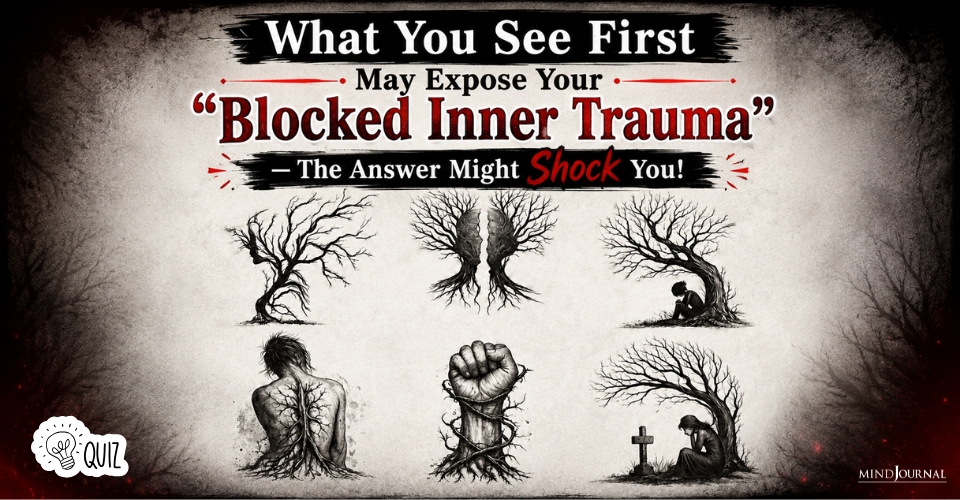
What You See First May Expose Your “Blocked Inner Trauma” The Answer Might Shock You!

What You See First May Expose Your “Blocked Inner Trauma” — The Answer Might Shock You!

This viral image test claims the first thing you see may reveal your blocked inner trauma. Look closely… then read your result!

Latest Quotes

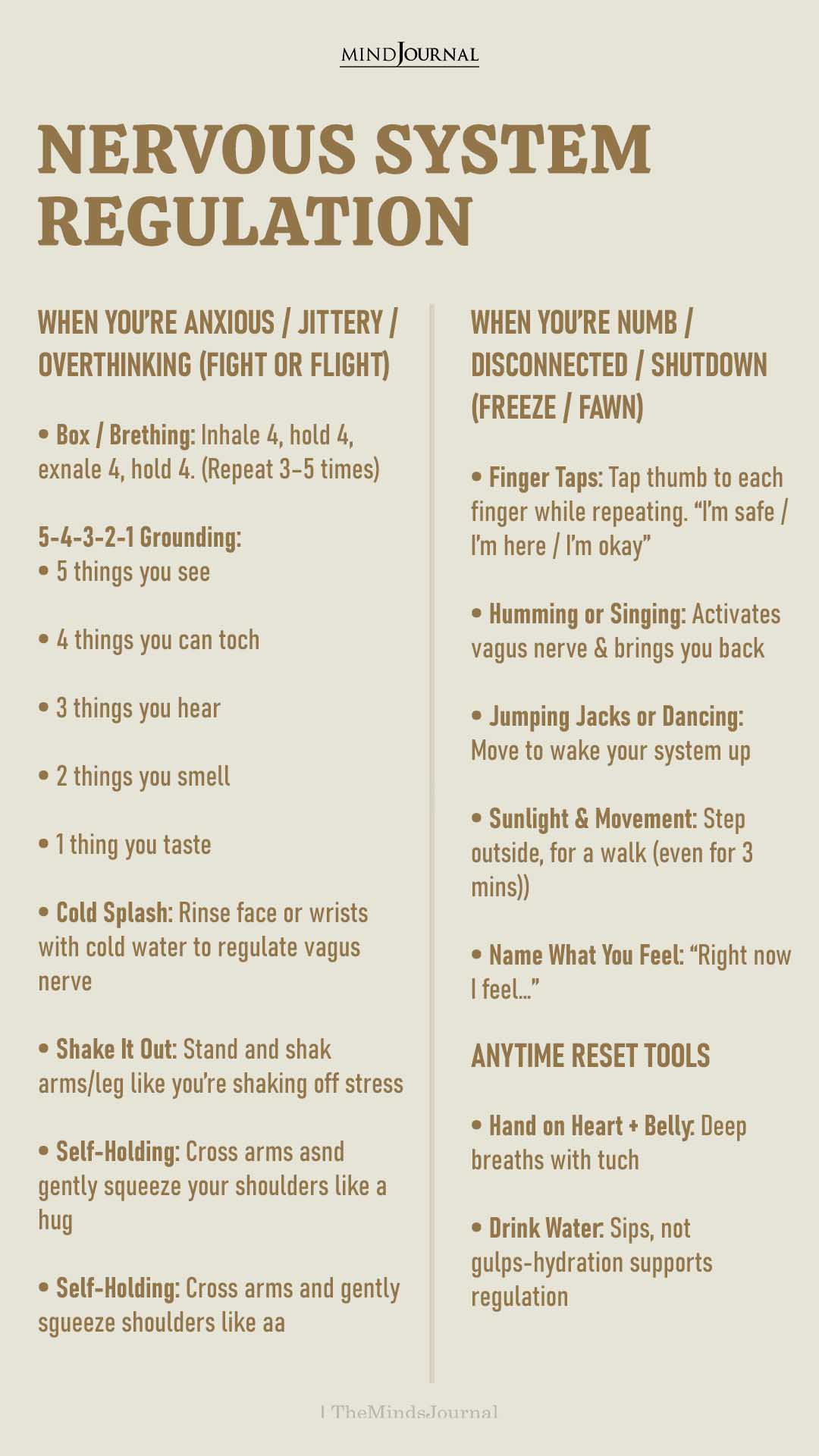
Nervous System Regulation: Simple Tools to Calm Anxiety and Reconnect With Your Body

Nervous System Regulation: Simple Tools to Calm Anxiety and Reconnect With Your Body

Nervous system regulation matters most when you feel anxious, numb, or stuck in overthinking. These simple grounding tools and breath practices help calm fight-or-flight and gently wake you from shutdown.

Readers Blog

Caption This Image and Selected Wisepicks – 17 May 2026

Caption This Image and Selected Wisepicks – 17 May 2026

Ready to unleash your inner wordsmith? ✨??☺️ Now’s your chance to show off your wit, charm, or sheer genius in just one line! Whether it’s laugh-out-loud funny or surprisingly deep, we want to hear it.Submit your funniest, wittiest, or most thought-provoking caption in the comments. We’ll pick 15+ winners to be featured on our website…

Latest Articles

Spending money has become easier than ever. A few taps on a phone, a late-night scroll through social media, or a quick stop at a store can quietly turn into purchases that barely feel noticeable in the moment. Over time, though, those small decisions can shape financial stress, savings goals, and the overall relationship someone has with money.

That does not mean every unnecessary purchase comes from carelessness. Spending habits are often tied to emotions, routines, convenience, and even exhaustion. Becoming more mindful about money is less about strict restriction and more about understanding why certain spending patterns happen in the first place.

Pay Attention to Where Your Money Goes Each Week

One of the most effective ways to become more aware of spending behavior is to simply start paying attention to where money actually goes. Many people have a general sense of their larger bills but overlook the smaller purchases that happen throughout the week because they feel routine in the moment.

Coffee runs, delivery fees, online subscriptions, impulse purchases, and convenience spending can seem minor individually. Together, though, they often reveal patterns that are easy to miss when finances are viewed only at the monthly level. Small purchases repeated regularly can add up faster than expected.

Tracking spending does not need to become overly detailed or stressful. Even taking a few minutes at the end of the week to review purchases can create more awareness. The goal is not to judge every expense but to understand what daily habits are quietly shaping the budget.

For many people, this step alone changes how they think about money. Once spending becomes more visible, financial decisions tend to feel more intentional instead of automatic.

Recognize the Patterns Behind Impulsive Spending

Impulse spending rarely happens randomly. In many cases, there is a pattern underneath it, even if it is not immediately obvious. Some people spend more when they feel stressed or overwhelmed. Others spend out of boredom, convenience, or the desire for a quick emotional reward after a difficult day.

Learning to control your spending habits often starts with noticing the situations, emotions, or routines that quietly influence financial decisions every day.

For example, someone may realize they tend to shop online late at night when they are mentally drained, or spend more on takeout during stressful workweeks because cooking feels exhausting. These habits are not necessarily about irresponsibility. They are often connected to emotional comfort or routine behavior.

Recognizing those patterns creates an opportunity to pause before spending becomes automatic. That pause may only last a few seconds, though over time it can change the way financial decisions are made.

Create Spending Limits That Feel Realistic

One reason budgets often fail is because they are built around restrictions instead of sustainability. Extremely rigid spending rules can feel motivating at first, though they are often difficult to maintain in everyday life.

A more realistic approach usually works better in the long run. Instead of trying to eliminate every non-essential purchase, it can help to create boundaries that still leave room for enjoyment and flexibility.

For example, someone who enjoys eating out may decide to limit restaurant spending to certain days rather than cutting it out entirely. Another person may choose to pause unnecessary online shopping for a month without restricting every personal purchase.

The goal is not perfection. It is creating habits that feel manageable enough to continue consistently. Financial progress tends to happen more steadily when people stop treating budgeting like punishment.

Reduce Small Financial Habits That Add Up Quietly

Many financial habits become expensive not because of one large purchase, but because of repetition. Small expenses often blend into everyday life so naturally that they stop feeling noticeable after a while.

It can help to review recurring costs and routine purchases, especially the ones that no longer add much value. Examples may include:

  • Unused app subscriptions,
  • Delivery or service fees,
  • Multiple streaming platforms,
  • Small online impulse purchases,
  • Automatic renewals for services no longer used.

Asking, “Am I still getting enough value from this?” can make those habits easier to spot. In many cases, people continue paying for things they barely use simply because the charge has become familiar.

Making small adjustments in these areas does not require a complete lifestyle overhaul. Even reducing a few recurring expenses can create more financial breathing room over time and help spending feel more aligned with actual priorities.

Build Healthier Financial Decisions Through Consistency

Financial habits usually do not change overnight. Most people build spending patterns gradually, which means healthier financial decisions often develop the same way.

Small actions repeated consistently tend to have a stronger long-term effect than dramatic changes that only last a short time. Something as simple as waiting a day before making a non-essential purchase can slowly reduce impulse spending and encourage more thoughtful decisions.

It also helps to recognize progress instead of focusing only on mistakes. Everyone overspends sometimes. Becoming more mindful with money is not about getting everything right all the time. It is about building awareness and making slightly better decisions more often.

Over time, those smaller decisions begin shaping a different relationship with money. Spending starts to feel more intentional, financial stress may become easier to manage, and the sense of constantly reacting to purchases often begins to fade.

Creating a More Intentional Relationship With Money

Mindful spending is not about deprivation or removing every enjoyable purchase from life. It is about understanding how daily habits, emotions, and routines influence financial choices over time.

The more awareness someone builds around their spending behavior, the easier it becomes to make decisions that align with what actually matters to them. That process rarely happens perfectly, and it does not need to.

Small shifts in awareness often create meaningful change gradually. Over time, those changes can lead to a healthier and more balanced relationship with money overall.

Published On:

Last updated on:

Linda Greyman

Leave a Comment

    Leave a Comment