How To Recover From A Toxic Relationship? 6 Helpful Ways

Author : Andrea Schneider

Are you trying to recover from a toxic relationship? And finding peace from it seems challenging? Then here are 6 ways to recover from a toxic relationship.


When a person is reeling in the aftermath of a toxic relationship, there are a number of steps towards finding inner peace that can help the survivor to transcend emotional pain.

It is inevitable that most people will encounter toxic people in either work, family, friendship or romantic relationships. The abusive person need not have a full-blown diagnosis of NPD (Narcissistic Personality Disorder) or psychopathy to cause emotional harm.


Just possessing a few of the traits of pathological Cluster B personality disorders can render any contact with such a person equating to emotional harm and pain (Brown, 2009).

The good news is that once armed with information about how to protect oneself from deceptive, toxic people, healthy individuals develop a discerning shield in terms of their intimate relationships.

And in circumstances where a survivor has unfortunately been blindsided by a malignant narcissist or another toxic person, there is hope for healing and finding balance and good health.


I want to emphasize that experiencing a toxic relationship with an abuser is traumatic for the survivor. In the aftermath of narcissistic (or psychopathic) abuse, individuals can experience depression, anxiety, PTSD, C-PTSD (complex-PTSD), somatic pain, and panic attacks.  
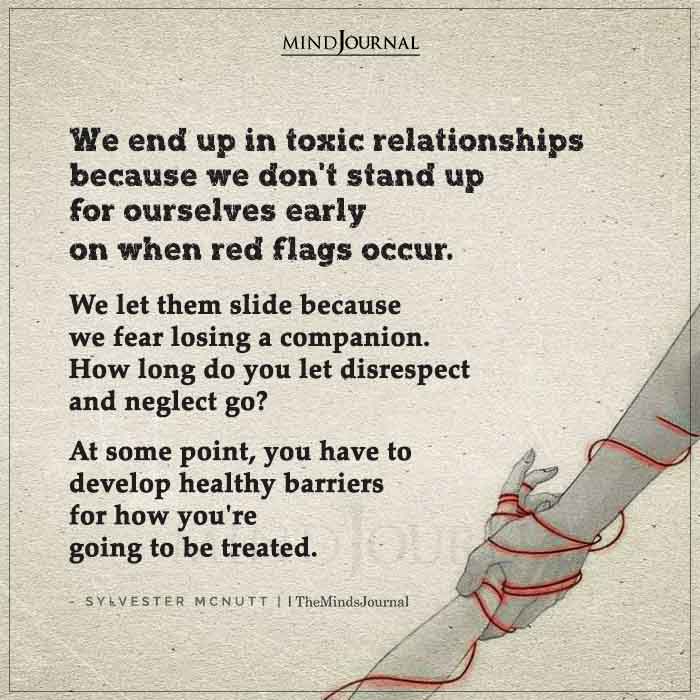
How To Recover From A Toxic Relationship?

Being in the force field of a pathological abuser for any length of time (but especially during chronic, long-term circumstances) results in psychological harm for the survivor.

With that, it is imperative that the survivor seek out and obtain qualified psychotherapy with a licensed mental health professional who is trained in trauma-informed care and who knows about narcissistic/psychopathic abuse.

Life coaching by survivors can be very beneficial as well, to provide validation and confirmation. However, because recovery from toxic relationships can feel like you are emerging from the Dark Side with a complex constellation of clinical concerns.

Because of that, you require recovery with a clinician (psychotherapist) who understands the delicate interplay of trauma, healing from abusive relationships and has the training to provide such interventions.
recover from a toxic relationship

If someone you are working with claims to be able to “treat” these clinical concerns, and they are not, in fact, a licensed clinician, they are practicing unethically and illegally, and out of their scope. Buyer beware.


The good news is that there is a growing number of therapists who are trained in this specialty. Look for a trauma-informed, strengths-focused, empowering clinician to help you in your recovery.

The following are some suggestions for survivors that I provide for my clients in my own private practice. In the aftermath of abuse in a toxic relationship, survivors need and deserve inner peace and healing.

6 Ways To Recover From A Toxic Relationship

1. As mentioned above, connect with a qualified helping professional who can address the very intricate and specific nuances of C-PTSD, depression, anxiety, etc.

Healing will take some time, and the traumatic grief resulting from the toxic relationship requires an “unpacking” that is multi-layered in the presence of a caring, empathic, non-judgmental specialist (In some circumstances telehealth consultation may be appropriate for individuals who are geographically far from specialists).

Read Complex-PTSD: Recovery In Psychotherapy For Survivors Of Narcissistic Abuse

In-person trauma-informed clinicians can also provide EMDR (Eye Movement Desensitization and Reprocessing) interventions which help the brain to release how trauma is encoded.

Trauma-informed clinicians may practice other interventions such as the Emotional Freedom Technique, somatic experiencing, mindfulness-based cognitive behavioral therapy and/or expressive arts.

You need to research and inquire how your trauma-informed clinician approaches trauma release and integrating wellness into the treatment plan.


2. Surround yourself with caring and authentic others in your tribe – these people may be family, friends, colleagues, helping professionals, acquaintances.

Part of the healing in the aftermath of a toxic relationship is continuing to experience safety and belonging in healthy circles of support.

For people who do not have family or friends nearby, it is especially imperative to seek out qualified helping professionals who can serve in the form of a “safe holding environment” (Winnicott, 1973) as the survivor is building her tribe of caring others.

A word about online forums: some may be helpful, but many are not supervised by trained professionals. Some forums are magnets for cyberstalkers and trolls. Again, buyer beware. An in-person support group facilitated by a trained clinician and specific to healing from toxic relationships is ideal. Barring that, online support groups supervised and facilitated by trained and empowering professionals would be an alternative.

3. Go No Contact with any abusive person.

recover from a toxic relationship

If you share children or have to work with this individual, you can do Limited Contact, whereby your only communication is either strictly related to parenting (in which case you can use computer software like Family Wizard that is monitored by your attorney/the courts) or in the case of work, keep conversation and communication strictly for business purposes and with a witness/second party present.

Read DARVO Tactics: How Narcissists Resort To Playing The Victim


Ideally and optimally for complete healing, at minimum Limited Contact (and only in the circumstances mentioned), and in all other cases, absolutely No Contact. With No Contact, that’s when healing really begins. The toxic forcefield of the abuser is removed/unshackled, and the survivor has the opportunity to thrive again.


4. Practice supreme self-care.

Taking care of oneself is not selfish. Self-care practices that are vital to healing and target all aspects of health: physical, emotional, social, spiritual, and mental. This includes:

  • Exercise: At least 30 minutes daily, preferably in the sun and in nature. If you live in a cold climate, getting outside is still important (snow-shoeing, cross-country skiing, etc). Studies show that immersing oneself in nature has multiple mental health benefits, particularly hiking (Bratman, 2015).
    Exercise lifts serotonin and endorphins, which are feel-good chemicals our body and mind need to operate smoothly and without depression or anxiety. Twenty minutes of sunshine/day lifts Vitamin D in our bodies (a deficit of this vitamin can result in depression).
  • Physiological release of pent up tension from trauma: In the form of yoga, meditation, journaling, kick-boxing, massage. Studies show that our bodies hold trauma; we must physiologically release trauma in a healthy way (van der Kolk, 2015).
  • Connect with spiritual affiliation, whether that is in an organized religious institution or as a solo practitioner – having a sense of peace from a Higher Power, through prayer, reiki, meditation, nature, etc can have a very beneficial impact on the healing journey.
  • Expressive arts release- One of the key mechanisms in releasing trauma is expressing the “felt” pain in a sensory manner (Malchiodi, 2015). Locate a trained trauma-informed expressive arts practitioner to help you with this component of healing.
    (Side note: coloring books are not art therapy. They can be very helpful with mindfulness, but they are NOT a substitute for expressive arts trauma-informed therapy.)
  • Good nutrition and sleep hygiene – Studies show we must have at least 5 consecutive (without interruption) hours of sleep to have a complete sleep cycle.
    When that is disrupted (for whatever reason but often by insomnia where trauma is concerned), depression and anxiety result due to plummeting serotonin levels. Tackling excellent sleep is imperative for healing. Some individuals may need to consult with a health practitioner about possible options for melatonin or sleeping aids (temporarily), stress reduction exercises before sleep, etc.
    Good nutrition is equally important. You don’t need to purchase expensive supplements to nourish your body with good nutrition. Studies show that omega-3 fish oil is excellent in protecting the brain against depression and anxiety (among other wonderful benefits) (Kendall-Tackett, 2014).
    Research healthy meals that are abundant in fiber, protein, fruits, and veggies. Remember to drink ample water, reduce (or eliminate) caffeine and alcohol consumption.

Related: 5 Powerful Self-Care Tips for Abuse and Trauma Survivors

5. Routines are important.

The brain needs time to work through the trauma, cognitive dissonance, anxiety/depression after having been in a toxic relationship. Therefore, giving your brain ample time to be bathed in logic and creative expression is key to providing relief for the intensity of emotions in the aftermath of trauma.

For example, if you find you are ruminating over an abusive relationship, it will be helpful to problem-solve with your therapist a list of logical or creative actions you can take to get your mind off being stuck on flashbacks.

Some suggestions may include, keeping your regular routine in place (for work, etc). Keep the brain focused on logical activities that require getting out of the emotional brain (sometimes a crossword puzzle or Words with Friends can zap you back into logical thinking and reasoning).


Some of my clients like to do projects that help them with mindfulness, like crafting, knitting, playing a musical instrument, or just “puttering” around the house with various organizing or cleaning projects.

6. Keep a journal for when intrusive thoughts surface because they will.

You will need help dismantling the cognitive dissonance associated with psychological abuse– by a trauma-informed therapist.

Alternatively, Zen Doodle or a sketch pad can be used as a visual journal in expressing and releasing any intrusive thoughts. As well, give yourself permission to grieve the traumatic loss of someone who betrayed you.

Therapy will be important to guide you through traumatic loss, walking through the stages of grief, and healing the traumas associated with that connection.

Read Writing as Meditation: How to Enter the Flow State Through Journaling

Healing takes time and is multi-layered. The above are only a few suggestions on the pathway to healing. So much of the work is done in therapy sessions and in homework assignments as you heal from trauma.


Again, I emphasize the importance of working with a trained trauma-informed, strengths-focused clinician, nuanced in narcissistic/psychopathic abuse recovery.

We are out there. We love helping people heal. It is an honor and privilege to bear witness to the healing my clients go through. I have seen the most courageous and fierce survivors rise from the ashes and emerge, soaring again in good health, inner peace, and wellness. So can you. Begin today!

If you want to know more about finding peace after a toxic relationship, then check out this video below:


Contributed by Andrea Schneider, MSW, LCSW


Finding Peace After A Toxic Relationship
Recover From Toxic Relationship pin


Published On:

Last updated on:

Andrea Schneider

Andrea Schneider, MSW, LCSW is a licensed clinical social worker in private practice in San Dimas, CA. She received her MSW from the University of Michigan (the top-ranked social work program in the country) and her B.A. in Psychology from UCLA (#2 in the country).

Disclaimer: The informational content on The Minds Journal have been created and reviewed by qualified mental health professionals. They are intended solely for educational and self-awareness purposes and should not be used as a substitute for professional medical advice, diagnosis, or treatment. If you are experiencing emotional distress or have concerns about your mental health, please seek help from a licensed mental health professional or healthcare provider.

Leave a Comment

Today's Horoscope

Daily Horoscope 24 March, 2026: Free Predictions

Daily Horoscope 24 March, 2026: Prediction For Each Zodiac Sign

24th March 2026 could bring new beginnings and emotional clarity for all 12 signs! See what your daily horoscope reveals!

Latest Quizzes

Free Vase Personality Test: 3 Options; Choose A Vase

Vase Personality Test: Your First Pick Reveals Your Main Character Trait

Take a moment, look closely, and pick an object that represents you.

Latest Quotes

Maybe The Reason We’re Exhausted: Doing Too Much That’s Not Really Us

Maybe The Reason We’re Exhausted: Doing Too Much That’s Not Really Us

Maybe the reason you’re exhausted isn’t overwork—it’s living out of alignment with who you really are. Discover how quiet burnout builds when your daily life clashes with your values.

Readers Blog

Caption This Image and Selected Wisepicks – 22 March 2026

Caption This Image and Selected Wisepicks – 22 March 2026

Ready to unleash your inner wordsmith? ✨??☺️ Now’s your chance to show off your wit, charm, or sheer genius in just one line! Whether it’s laugh-out-loud funny or surprisingly deep, we want to hear it.Submit your funniest, wittiest, or most thought-provoking caption in the comments. We’ll pick 15+ winners to be featured on our website…

Latest Articles

Are you trying to recover from a toxic relationship? And finding peace from it seems challenging? Then here are 6 ways to recover from a toxic relationship.


When a person is reeling in the aftermath of a toxic relationship, there are a number of steps towards finding inner peace that can help the survivor to transcend emotional pain.

It is inevitable that most people will encounter toxic people in either work, family, friendship or romantic relationships. The abusive person need not have a full-blown diagnosis of NPD (Narcissistic Personality Disorder) or psychopathy to cause emotional harm.


Just possessing a few of the traits of pathological Cluster B personality disorders can render any contact with such a person equating to emotional harm and pain (Brown, 2009).

The good news is that once armed with information about how to protect oneself from deceptive, toxic people, healthy individuals develop a discerning shield in terms of their intimate relationships.

And in circumstances where a survivor has unfortunately been blindsided by a malignant narcissist or another toxic person, there is hope for healing and finding balance and good health.


I want to emphasize that experiencing a toxic relationship with an abuser is traumatic for the survivor. In the aftermath of narcissistic (or psychopathic) abuse, individuals can experience depression, anxiety, PTSD, C-PTSD (complex-PTSD), somatic pain, and panic attacks.  

How To Recover From A Toxic Relationship?

Being in the force field of a pathological abuser for any length of time (but especially during chronic, long-term circumstances) results in psychological harm for the survivor.

With that, it is imperative that the survivor seek out and obtain qualified psychotherapy with a licensed mental health professional who is trained in trauma-informed care and who knows about narcissistic/psychopathic abuse.

Life coaching by survivors can be very beneficial as well, to provide validation and confirmation. However, because recovery from toxic relationships can feel like you are emerging from the Dark Side with a complex constellation of clinical concerns.

Because of that, you require recovery with a clinician (psychotherapist) who understands the delicate interplay of trauma, healing from abusive relationships and has the training to provide such interventions.

recover from a toxic relationship

If someone you are working with claims to be able to “treat” these clinical concerns, and they are not, in fact, a licensed clinician, they are practicing unethically and illegally, and out of their scope. Buyer beware.


The good news is that there is a growing number of therapists who are trained in this specialty. Look for a trauma-informed, strengths-focused, empowering clinician to help you in your recovery.

The following are some suggestions for survivors that I provide for my clients in my own private practice. In the aftermath of abuse in a toxic relationship, survivors need and deserve inner peace and healing.

6 Ways To Recover From A Toxic Relationship

1. As mentioned above, connect with a qualified helping professional who can address the very intricate and specific nuances of C-PTSD, depression, anxiety, etc.

Healing will take some time, and the traumatic grief resulting from the toxic relationship requires an “unpacking” that is multi-layered in the presence of a caring, empathic, non-judgmental specialist (In some circumstances telehealth consultation may be appropriate for individuals who are geographically far from specialists).

Read Complex-PTSD: Recovery In Psychotherapy For Survivors Of Narcissistic Abuse

In-person trauma-informed clinicians can also provide EMDR (Eye Movement Desensitization and Reprocessing) interventions which help the brain to release how trauma is encoded.

Trauma-informed clinicians may practice other interventions such as the Emotional Freedom Technique, somatic experiencing, mindfulness-based cognitive behavioral therapy and/or expressive arts.

You need to research and inquire how your trauma-informed clinician approaches trauma release and integrating wellness into the treatment plan.


2. Surround yourself with caring and authentic others in your tribe – these people may be family, friends, colleagues, helping professionals, acquaintances.

Part of the healing in the aftermath of a toxic relationship is continuing to experience safety and belonging in healthy circles of support.

For people who do not have family or friends nearby, it is especially imperative to seek out qualified helping professionals who can serve in the form of a “safe holding environment” (Winnicott, 1973) as the survivor is building her tribe of caring others.

A word about online forums: some may be helpful, but many are not supervised by trained professionals. Some forums are magnets for cyberstalkers and trolls. Again, buyer beware. An in-person support group facilitated by a trained clinician and specific to healing from toxic relationships is ideal. Barring that, online support groups supervised and facilitated by trained and empowering professionals would be an alternative.

3. Go No Contact with any abusive person.

recover from a toxic relationship

If you share children or have to work with this individual, you can do Limited Contact, whereby your only communication is either strictly related to parenting (in which case you can use computer software like Family Wizard that is monitored by your attorney/the courts) or in the case of work, keep conversation and communication strictly for business purposes and with a witness/second party present.

Read DARVO Tactics: How Narcissists Resort To Playing The Victim


Ideally and optimally for complete healing, at minimum Limited Contact (and only in the circumstances mentioned), and in all other cases, absolutely No Contact. With No Contact, that’s when healing really begins. The toxic forcefield of the abuser is removed/unshackled, and the survivor has the opportunity to thrive again.


4. Practice supreme self-care.

Taking care of oneself is not selfish. Self-care practices that are vital to healing and target all aspects of health: physical, emotional, social, spiritual, and mental. This includes:

  • Exercise: At least 30 minutes daily, preferably in the sun and in nature. If you live in a cold climate, getting outside is still important (snow-shoeing, cross-country skiing, etc). Studies show that immersing oneself in nature has multiple mental health benefits, particularly hiking (Bratman, 2015).
    Exercise lifts serotonin and endorphins, which are feel-good chemicals our body and mind need to operate smoothly and without depression or anxiety. Twenty minutes of sunshine/day lifts Vitamin D in our bodies (a deficit of this vitamin can result in depression).
  • Physiological release of pent up tension from trauma: In the form of yoga, meditation, journaling, kick-boxing, massage. Studies show that our bodies hold trauma; we must physiologically release trauma in a healthy way (van der Kolk, 2015).
  • Connect with spiritual affiliation, whether that is in an organized religious institution or as a solo practitioner – having a sense of peace from a Higher Power, through prayer, reiki, meditation, nature, etc can have a very beneficial impact on the healing journey.
  • Expressive arts release- One of the key mechanisms in releasing trauma is expressing the “felt” pain in a sensory manner (Malchiodi, 2015). Locate a trained trauma-informed expressive arts practitioner to help you with this component of healing.
    (Side note: coloring books are not art therapy. They can be very helpful with mindfulness, but they are NOT a substitute for expressive arts trauma-informed therapy.)
  • Good nutrition and sleep hygiene – Studies show we must have at least 5 consecutive (without interruption) hours of sleep to have a complete sleep cycle.
    When that is disrupted (for whatever reason but often by insomnia where trauma is concerned), depression and anxiety result due to plummeting serotonin levels. Tackling excellent sleep is imperative for healing. Some individuals may need to consult with a health practitioner about possible options for melatonin or sleeping aids (temporarily), stress reduction exercises before sleep, etc.
    Good nutrition is equally important. You don’t need to purchase expensive supplements to nourish your body with good nutrition. Studies show that omega-3 fish oil is excellent in protecting the brain against depression and anxiety (among other wonderful benefits) (Kendall-Tackett, 2014).
    Research healthy meals that are abundant in fiber, protein, fruits, and veggies. Remember to drink ample water, reduce (or eliminate) caffeine and alcohol consumption.

Related: 5 Powerful Self-Care Tips for Abuse and Trauma Survivors

5. Routines are important.

The brain needs time to work through the trauma, cognitive dissonance, anxiety/depression after having been in a toxic relationship. Therefore, giving your brain ample time to be bathed in logic and creative expression is key to providing relief for the intensity of emotions in the aftermath of trauma.

For example, if you find you are ruminating over an abusive relationship, it will be helpful to problem-solve with your therapist a list of logical or creative actions you can take to get your mind off being stuck on flashbacks.

Some suggestions may include, keeping your regular routine in place (for work, etc). Keep the brain focused on logical activities that require getting out of the emotional brain (sometimes a crossword puzzle or Words with Friends can zap you back into logical thinking and reasoning).


Some of my clients like to do projects that help them with mindfulness, like crafting, knitting, playing a musical instrument, or just “puttering” around the house with various organizing or cleaning projects.

6. Keep a journal for when intrusive thoughts surface because they will.

You will need help dismantling the cognitive dissonance associated with psychological abuse– by a trauma-informed therapist.

Alternatively, Zen Doodle or a sketch pad can be used as a visual journal in expressing and releasing any intrusive thoughts. As well, give yourself permission to grieve the traumatic loss of someone who betrayed you.

Therapy will be important to guide you through traumatic loss, walking through the stages of grief, and healing the traumas associated with that connection.

Read Writing as Meditation: How to Enter the Flow State Through Journaling

Healing takes time and is multi-layered. The above are only a few suggestions on the pathway to healing. So much of the work is done in therapy sessions and in homework assignments as you heal from trauma.


Again, I emphasize the importance of working with a trained trauma-informed, strengths-focused clinician, nuanced in narcissistic/psychopathic abuse recovery.

We are out there. We love helping people heal. It is an honor and privilege to bear witness to the healing my clients go through. I have seen the most courageous and fierce survivors rise from the ashes and emerge, soaring again in good health, inner peace, and wellness. So can you. Begin today!

If you want to know more about finding peace after a toxic relationship, then check out this video below:


Contributed by Andrea Schneider, MSW, LCSW


Finding Peace After A Toxic Relationship
Recover From Toxic Relationship pin


Published On:

Last updated on:

Andrea Schneider

Andrea Schneider, MSW, LCSW is a licensed clinical social worker in private practice in San Dimas, CA. She received her MSW from the University of Michigan (the top-ranked social work program in the country) and her B.A. in Psychology from UCLA (#2 in the country).

Leave a Comment

    Leave a Comment