SAMHSA Mental Health Grants Boost Community Care Nationwide in 2026

Author : Jessica Taylor

SAMHSA Mental Health Grants Boost Community Care Nationwide in 2026

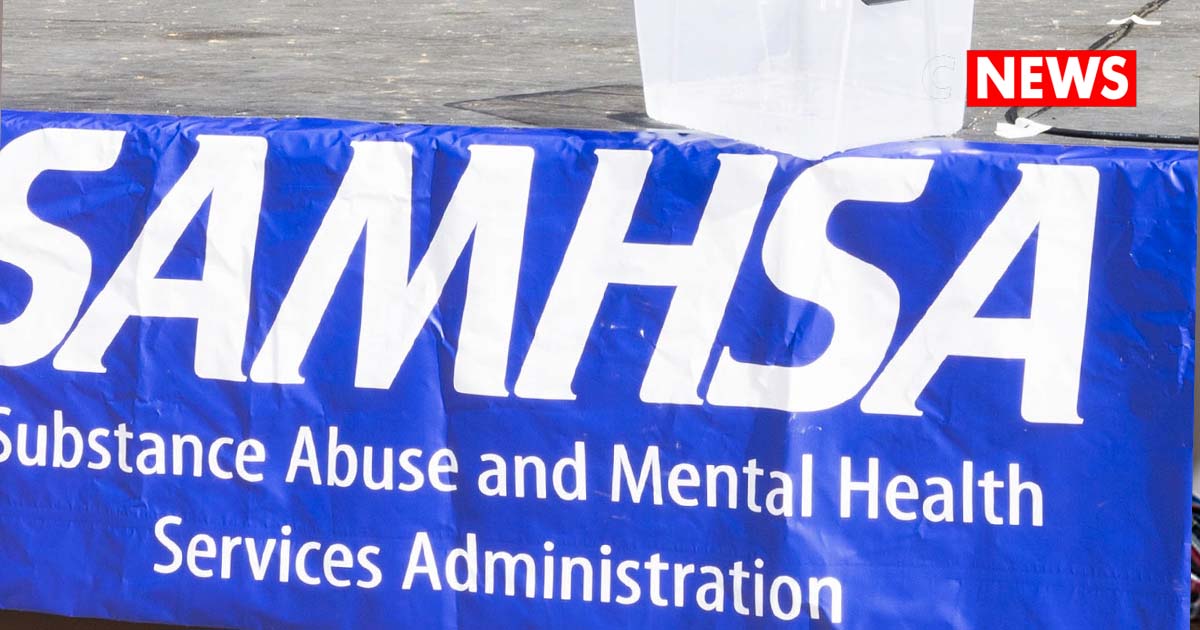
Newly reinvigorated by the injection of SAMHSA mental health funding into the community system in 2025, U.S. Mental Health Care is continuing to change. After months of uncertainty due to prospective federal cuts and organizational restructuring, the U.S. will receive $800 million in SAMHSA Mental Health Grants in order to finance numerous programs that offer community treatment, prevention, and recovery services.

The new SAMHSA Mental Health Grants represent more than just a line in the budget for frontline service providers; these grants represent either the funding necessary to keep programs open and provide help to individuals in crisis, or the loss of programs and the ability to assist those individuals.

The availability of SAMHSA Mental Health Grants provides community-based programs with the necessary funding to keep outpatient clinics open, keep crisis stabilization units operating, extend services from the clinic to schools and provide additional supports (wrap around services) for those individuals who have serious mental disorders and/or co-occurring substance use disorders. Staff that were preparing for layoffs are feeling a sense of relief and renewed purpose at the confirmation of these grants.

Advocates of policy reform feel that the SAMHSA Mental Health Grants are especially important for some of the most vulnerable communities, including rural communities, tribal nations, and low-income neighborhoods, who have limited access to private insurance and are facing substantial shortages of mental health providers.

These grants provide funding for mobile crisis teams and peer support specialists as well as models of culturally appropriate care that can assist individuals where they need assistance. If individuals require assistance from SAMHSA funded mental health programmes, they most likely will not be able to access those services.

While these grants continue to provide assistance to communities in need of assistance, experts believe that short-term infusions of funding may not be sufficient. In addition, federal funding for behavioural health continues to be challenged by significant structural impediments, as SAMHSA’s funding may be folded into a new “Administration for a Healthy America” that raises concerns about long-term viability, accountability, and the overall focus of attention that the Administration or SAMHSA provides to behavioural health. SAMHSA mental health programme advocates are urging Congress to guarantee that mental health programme funding is treated by SAMHSA as a fundamental component of the nation’s safety net.

For people and families, the impact of the SAMHSA-funded mental health programme is both small and profound: a crisis bed is available for an individual experiencing suicidal ideation, a therapist who speaks their primary language will guide them through the process of recovery, a support group provides no-judgement access to peer support, and a youth service provides assistance before a youth has to be hospitalized. For a country where 20% of the adult population experiences a mental illness, maintaining funding through SAMHSA for mental health programmes is essentially a lifeline for individuals.

Source: U.S. Department of Health and Human Services – SAMHSA Funding News.

Published On:

Last updated on:

Jessica Taylor

Jessica Taylor is a staff writer for Minds Journal News, where she covers stories on mental health, wellness, and culture. With a background in communications and a keen interest in how everyday experiences shape our emotional lives, Jessica brings thoughtful perspectives to trending news and timeless issues alike. She enjoys connecting the dots between research and real life, making psychology accessible and engaging for readers.

Disclaimer: The informational content on The Minds Journal have been created and reviewed by qualified mental health professionals. They are intended solely for educational and self-awareness purposes and should not be used as a substitute for professional medical advice, diagnosis, or treatment. If you are experiencing emotional distress or have concerns about your mental health, please seek help from a licensed mental health professional or healthcare provider.

Leave a Comment

Today's Horoscope

Weekly Horoscope 26 April To 2 May 2026

Weekly Horoscope 26 April To 2 May 2026

The stars are aligning differently this week, bringing emotional clarity, unexpected shifts in love, and powerful inner growth. Check your zodiac below!

Latest Quizzes

What Is My Core Wound Quiz? 10 Signs That Expose It!

What You Notice First in Someone Isn’t Random—Take This Quiz to Reveal Your Core Wound

What you notice first in others may quietly mirror your own needs that go unseen and unmet. Take this simple quiz to help you uncover the core wounds hidden beneath that actually shape you.

Latest Quotes

Human Psychology Facts: How These Cognitive Biases Quietly Shape Your Life

Human Psychology Facts: How These Cognitive Biases Quietly Shape Your Life

Human psychology facts show how your brain quietly edits reality. From the Pratfall Effect to the Halo Effect, these cognitive biases influence who you like, what you notice, and how confident you feel.

Readers Blog

Caption This Image and Selected Wisepicks – 26 April 2026

Caption This Image and Selected Wisepicks – 26 April 2026

Ready to unleash your inner wordsmith? ✨??☺️ Now’s your chance to show off your wit, charm, or sheer genius in just one line! Whether it’s laugh-out-loud funny or surprisingly deep, we want to hear it.Submit your funniest, wittiest, or most thought-provoking caption in the comments. We’ll pick 15+ winners to be featured on our website…

Latest Articles

SAMHSA Mental Health Grants Boost Community Care Nationwide in 2026

Newly reinvigorated by the injection of SAMHSA mental health funding into the community system in 2025, U.S. Mental Health Care is continuing to change. After months of uncertainty due to prospective federal cuts and organizational restructuring, the U.S. will receive $800 million in SAMHSA Mental Health Grants in order to finance numerous programs that offer community treatment, prevention, and recovery services.

The new SAMHSA Mental Health Grants represent more than just a line in the budget for frontline service providers; these grants represent either the funding necessary to keep programs open and provide help to individuals in crisis, or the loss of programs and the ability to assist those individuals.

The availability of SAMHSA Mental Health Grants provides community-based programs with the necessary funding to keep outpatient clinics open, keep crisis stabilization units operating, extend services from the clinic to schools and provide additional supports (wrap around services) for those individuals who have serious mental disorders and/or co-occurring substance use disorders. Staff that were preparing for layoffs are feeling a sense of relief and renewed purpose at the confirmation of these grants.

Advocates of policy reform feel that the SAMHSA Mental Health Grants are especially important for some of the most vulnerable communities, including rural communities, tribal nations, and low-income neighborhoods, who have limited access to private insurance and are facing substantial shortages of mental health providers.

These grants provide funding for mobile crisis teams and peer support specialists as well as models of culturally appropriate care that can assist individuals where they need assistance. If individuals require assistance from SAMHSA funded mental health programmes, they most likely will not be able to access those services.

While these grants continue to provide assistance to communities in need of assistance, experts believe that short-term infusions of funding may not be sufficient. In addition, federal funding for behavioural health continues to be challenged by significant structural impediments, as SAMHSA’s funding may be folded into a new “Administration for a Healthy America” that raises concerns about long-term viability, accountability, and the overall focus of attention that the Administration or SAMHSA provides to behavioural health. SAMHSA mental health programme advocates are urging Congress to guarantee that mental health programme funding is treated by SAMHSA as a fundamental component of the nation’s safety net.

For people and families, the impact of the SAMHSA-funded mental health programme is both small and profound: a crisis bed is available for an individual experiencing suicidal ideation, a therapist who speaks their primary language will guide them through the process of recovery, a support group provides no-judgement access to peer support, and a youth service provides assistance before a youth has to be hospitalized. For a country where 20% of the adult population experiences a mental illness, maintaining funding through SAMHSA for mental health programmes is essentially a lifeline for individuals.

Source: U.S. Department of Health and Human Services – SAMHSA Funding News.

Published On:

Last updated on:

Jessica Taylor

Jessica Taylor is a staff writer for Minds Journal News, where she covers stories on mental health, wellness, and culture. With a background in communications and a keen interest in how everyday experiences shape our emotional lives, Jessica brings thoughtful perspectives to trending news and timeless issues alike. She enjoys connecting the dots between research and real life, making psychology accessible and engaging for readers.

Leave a Comment

    Leave a Comment