
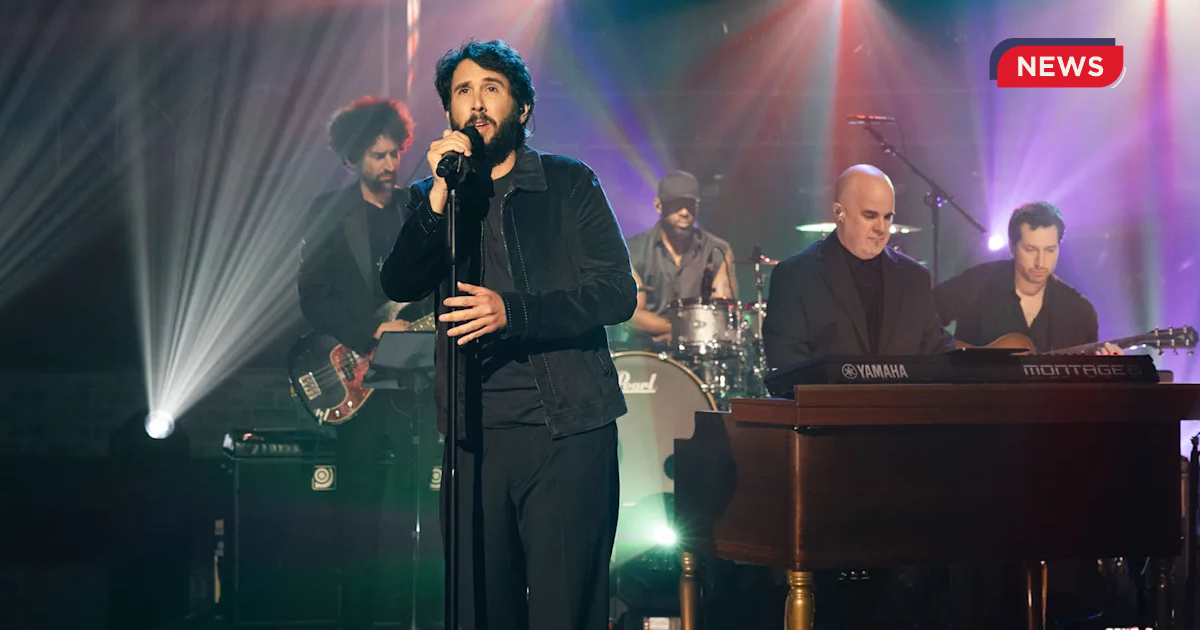
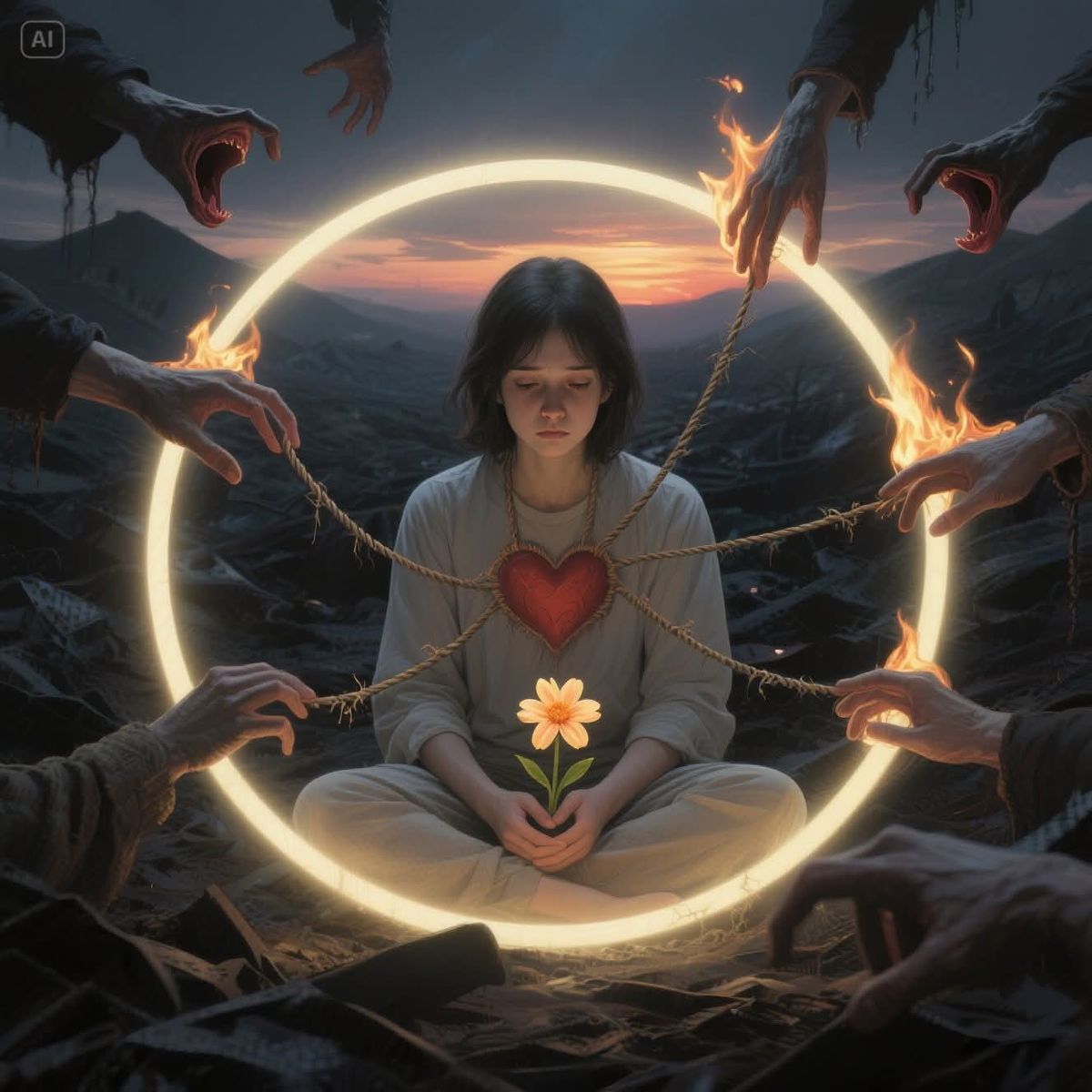
Music and mental health are central to an intimate interview with the starsingersongwriter Josh Grobanwho candidly shares his experience of how success gave his craft the “liability” of threat to his physical and mental health. In this feature, Groban talks about his journey of release, empowerment and conflict that started with a fivetimes platinum debut album and international recognition and were coupled with corrosive pressure, su bversion and an overwhelming dilemma: “I could smile on stage but then cry on the way home.”
Groban confesses that even as a kid, he had shyness, mood swings and what he terms later in life as ADHD (Hyper mode, crash mode). Things intensified with fame and the pressures that come along with it; both praise and criticism cut you to the bone and the image the world saw of him(the romantic crooner, sex symbol) wasn‘t necessarily what he saw himself as. Eventually music and health started to be associated more with depression and burnout rather than happiness:
The writer chronicles a time between his 20s and 30s where he was overwhelmed by more profound issues concerning his mental wellness. There were times that he was unsure whether to be happy about every day and live with a “12yearold mindset”, despite a life of touring, processing the pubic gaze, and life as an adult. There were times he would have a perfect day of performing, but subsequently go into a depression, and he even had to go on medication at the lowest point in his life. For a lot of artists, who share this story, music and mental health are fiercely connected with their lives so much so, the thing that can give a person everything in life, can also take everything away.
Throughout the process, Groban was able to begin reconnecting with healthy relationships to music and with mental health. He was able to establish healthy boundaries and to ask for help, and to create a distinction between how he received things and who he is. While he continues to experience stage fright and vulnerability, he is comfortable naming his fear and asking for what he needs, instead of powering through. It appears that this has led him back to the passion and creative energy that initially inspired him to get into music.
For the reader, particularly the creative and performer, this can be a shockingly honest reminder that music and mental health are not opposite poles where art constantly heals; art can be soothing but it can also be stressful; giving away your gift can be a joyful revealing or an exposing burden. Groban’s honesty can help shatter the notion that to be successful is to be happy, or that if you aren’t happy you’re ungrateful. Indeed, Groban’s own career openness points to the idea that ones mental health may be an essential part of caring for ones art.
Source: Josh Groban looks back: ‘Music became a liability to my mental health’




Leave a Comment