
Mental Health Grants Cut Then Restored in 24 Hours of Chaos

Author : Jessica Taylor

Mental Health Grants Cut Then Restored in 24 Hours of Chaos

When billions of mental health grants and addiction funding were abruptly cut off on January 2026, it shocked the country’s safety net of programs. The immediate reaction from the mental health community was chaos and fear. Clinics, nonprofit agencies and hospitals that rely on mental health grants from the Substance Abuse and Mental Health Services Administration (SAMHSA) were left feeling like the ground had dropped out from under them. Staff spent the day calling patients, freezing their acceptance of new clients, and preparing for layoffs, unsure of whether they would see mental health grants again.

NPR reported that hundreds of mental health grants were terminated by the Trump administration on January 13, ending Supported Mental Health Programs to provide crisis services; community clinics; treatment for addictions, and more. In just a few hours after the grants were ended, organizations across the country began sounding the alarms on the impact of losing their mental health grants, stating that if they lost access to these funds, they would have to close their programs or cut back on treatment services available to individuals in crisis. With no word from SAMHSA when to expect the return of these funds, families and service providers were left in a state of fear, asking what would happen to people on waiting lists for services if providers lost access to their mental health grants overnight.

Confidence in bipartisan pressure quickly mounted as well as from both sides of the political spectrum with both House and Senate Democrats and Republicans contacting the White House and HHS regarding cutting mental health grant funding in the middle of a public health emergency as being irresponsible and deadly, as well as expressing concern about the pressure of restoring mental health grant funding providing roughly $2 billion dollars in funding to support the funding. While mental health advocates rejoiced, they also made it clear that such abrupt changes in federal mental health funding would never occur again, and they demonstrated how fragile the funding system was for mental health grants.

Experts warn that although the federal grants have all been restored, the interim action has created a greater lack of trust and confidence in the system for many, and most direct providers of care report that they have to plan for disasters all the time, as they never know from one year to next if their mental health grants will continue to be funded. This uncertainty and instability have a detrimental effect on staffing, continuity of care, and long-term planning as those who provide care in underserved areas, where grant-funded care is essential, must work through the use of funding to allocate the money they need for providing the services until the next funding cycle is completed.

For those receiving care, clients, families, case managers, the issue regarding receiving mental health grant funding is not a policy-based issue but rather an issue of who will provide them with care next month, whether they will be able to see their doctor before they die from an overdose tonight, and whether they can call a local crisis response team.

Source 1: APA Services – “New Policies Affecting Access to Mental Health Care”

Source 2: NPR – “24 hours of chaos as mental health grants are slashed then restored

Published On:

Last updated on:

Jessica Taylor

Jessica Taylor is a staff writer for Minds Journal News, where she covers stories on mental health, wellness, and culture. With a background in communications and a keen interest in how everyday experiences shape our emotional lives, Jessica brings thoughtful perspectives to trending news and timeless issues alike. She enjoys connecting the dots between research and real life, making psychology accessible and engaging for readers.

Disclaimer: The informational content on The Minds Journal have been created and reviewed by qualified mental health professionals. They are intended solely for educational and self-awareness purposes and should not be used as a substitute for professional medical advice, diagnosis, or treatment. If you are experiencing emotional distress or have concerns about your mental health, please seek help from a licensed mental health professional or healthcare provider.

Leave a Comment

Today's Horoscope

Daily Horoscope 22 May, 2026: Prediction For Each Zodiac Sign

Daily Horoscope 22 May, 2026: Prediction For Each Zodiac Sign

Ready to know more? Here is your free horoscope and daily prediction for all 12 zodiac signs.

Latest Quizzes

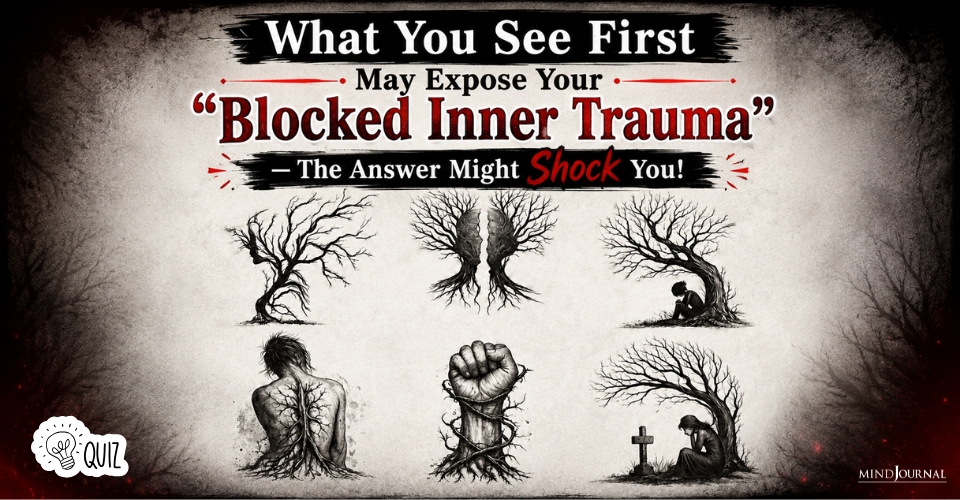
What You See First May Expose Your “Blocked Inner Trauma” The Answer Might Shock You!

What You See First May Expose Your “Blocked Inner Trauma” — The Answer Might Shock You!

This viral image test claims the first thing you see may reveal your blocked inner trauma. Look closely… then read your result!

Latest Quotes

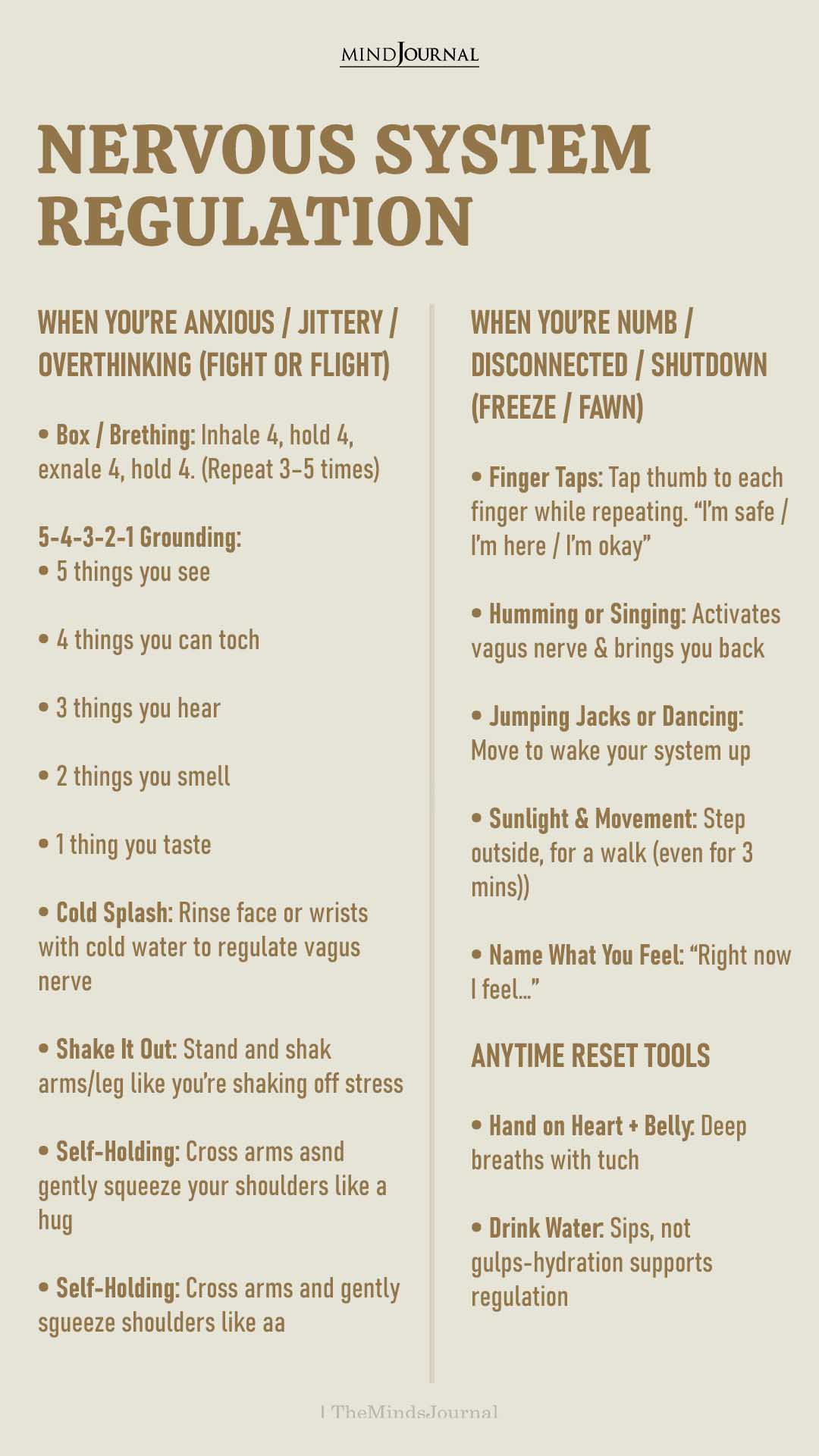
Nervous System Regulation: Simple Tools to Calm Anxiety and Reconnect With Your Body

Nervous System Regulation: Simple Tools to Calm Anxiety and Reconnect With Your Body

Nervous system regulation matters most when you feel anxious, numb, or stuck in overthinking. These simple grounding tools and breath practices help calm fight-or-flight and gently wake you from shutdown.

Readers Blog

Caption This Image and Selected Wisepicks – 17 May 2026

Caption This Image and Selected Wisepicks – 17 May 2026

Ready to unleash your inner wordsmith? ✨??☺️ Now’s your chance to show off your wit, charm, or sheer genius in just one line! Whether it’s laugh-out-loud funny or surprisingly deep, we want to hear it.Submit your funniest, wittiest, or most thought-provoking caption in the comments. We’ll pick 15+ winners to be featured on our website…

Latest Articles

Mental Health Grants Cut Then Restored in 24 Hours of Chaos

When billions of mental health grants and addiction funding were abruptly cut off on January 2026, it shocked the country’s safety net of programs. The immediate reaction from the mental health community was chaos and fear. Clinics, nonprofit agencies and hospitals that rely on mental health grants from the Substance Abuse and Mental Health Services Administration (SAMHSA) were left feeling like the ground had dropped out from under them. Staff spent the day calling patients, freezing their acceptance of new clients, and preparing for layoffs, unsure of whether they would see mental health grants again.

NPR reported that hundreds of mental health grants were terminated by the Trump administration on January 13, ending Supported Mental Health Programs to provide crisis services; community clinics; treatment for addictions, and more. In just a few hours after the grants were ended, organizations across the country began sounding the alarms on the impact of losing their mental health grants, stating that if they lost access to these funds, they would have to close their programs or cut back on treatment services available to individuals in crisis. With no word from SAMHSA when to expect the return of these funds, families and service providers were left in a state of fear, asking what would happen to people on waiting lists for services if providers lost access to their mental health grants overnight.

Confidence in bipartisan pressure quickly mounted as well as from both sides of the political spectrum with both House and Senate Democrats and Republicans contacting the White House and HHS regarding cutting mental health grant funding in the middle of a public health emergency as being irresponsible and deadly, as well as expressing concern about the pressure of restoring mental health grant funding providing roughly $2 billion dollars in funding to support the funding. While mental health advocates rejoiced, they also made it clear that such abrupt changes in federal mental health funding would never occur again, and they demonstrated how fragile the funding system was for mental health grants.

Experts warn that although the federal grants have all been restored, the interim action has created a greater lack of trust and confidence in the system for many, and most direct providers of care report that they have to plan for disasters all the time, as they never know from one year to next if their mental health grants will continue to be funded. This uncertainty and instability have a detrimental effect on staffing, continuity of care, and long-term planning as those who provide care in underserved areas, where grant-funded care is essential, must work through the use of funding to allocate the money they need for providing the services until the next funding cycle is completed.

For those receiving care, clients, families, case managers, the issue regarding receiving mental health grant funding is not a policy-based issue but rather an issue of who will provide them with care next month, whether they will be able to see their doctor before they die from an overdose tonight, and whether they can call a local crisis response team.

Source 1: APA Services – “New Policies Affecting Access to Mental Health Care”

Source 2: NPR – “24 hours of chaos as mental health grants are slashed then restored

Published On:

Last updated on:

Jessica Taylor

Jessica Taylor is a staff writer for Minds Journal News, where she covers stories on mental health, wellness, and culture. With a background in communications and a keen interest in how everyday experiences shape our emotional lives, Jessica brings thoughtful perspectives to trending news and timeless issues alike. She enjoys connecting the dots between research and real life, making psychology accessible and engaging for readers.

Leave a Comment

    Leave a Comment