Digital Mental Health Trends Reshape How Americans Get Care

Author : Jessica Taylor

Digital Mental Health Trends Reshape How Americans Get Care

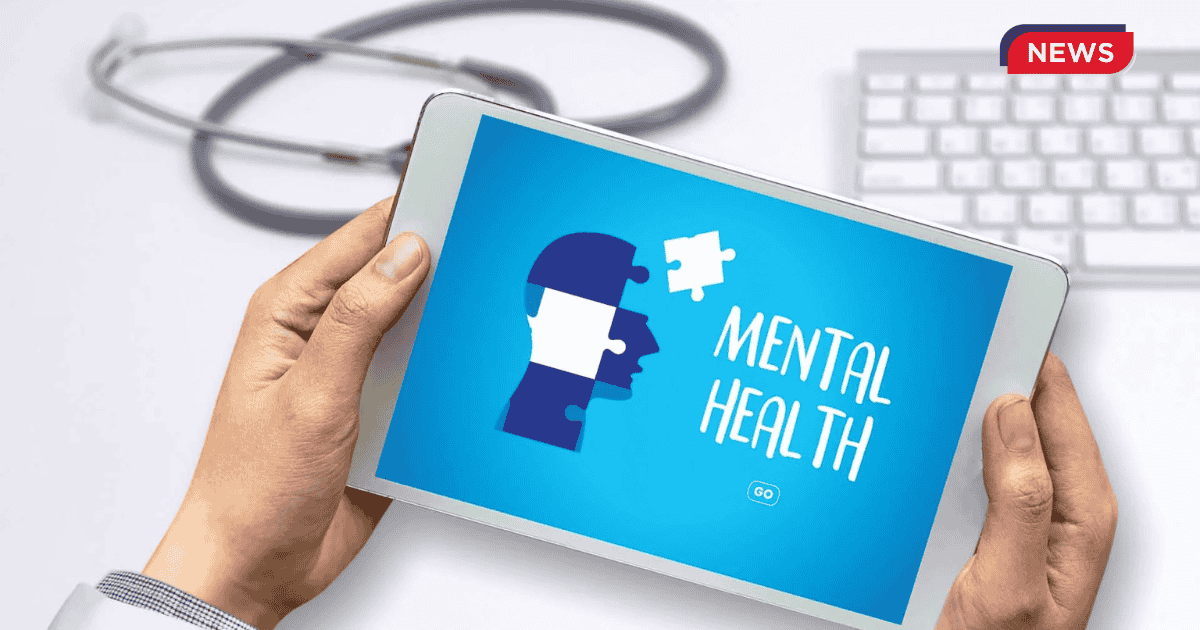
Americans now have a new avenue of access to mental health care through online-based services, as companies that deliver predominantly non-physical products get into offering virtual mental health care which has transitioned from being a niche product to a standard product by 2026. The size of the U.S. digital mental health marketplace recently exceeded $9 billion (USD) and is expected to grow more than five times to more than $45 billion by 2035. The potential of growth is being driven by 3 primary forces: increasing numbers of consumers requesting services, developed experience with telehealth by both insurers and consumers, and advances in technology related to Artificial Intelligence (AI) and mobile access.

On a clinical level, digital resources such as online video therapy sessions, secure use of messaging, and mobile application-based cognitive behavioral therapy (CBT) are redefining the way patients are able to interact with their care provider by creating blurred lines between traditional clinical sessions and daily life. In 2025, more than 62% of total telehealth claims submitted to insurance companies were for claims relating to mental health conditions, demonstrating that digital mental health has been integrated into the primary method of delivering mental health care rather than an adjunct to traditional mental health care. Digital mental health will allow patients to remain engaged in their treatment while performing day-to-day duties including work, caregiving for others, and commuting, as well as engaging in their illness and symptom management.

Employers are embracing digital mental health as part of a broad wellness strategy. The inclusion of virtual therapy and coaching apps in corporate benefit plans is common practice now. Digital mental health has become an important aspect of retention and performance, as well as being nice to do. With these services, employees can receive supports without having to wait extended periods for a service or seeking a local resource.

Digital mental health will not solve all problems, according to experts. The ability to access high-speed internet, have a private space and be digitally literate are differentials among who can take maximum advantage of the digital mental health services offered. The rules to licensure, as well as insurance coverages, impact who can use which platforms and see which providers. Equity must be a primary design principle of digital mental health, not a secondary consideration, according to advocates.

With the development of AI powered chatbots, predictive analytics and wearables; digital mental health will continue its expansion. The development of these tools will permit early identification of behaviours and risk; assist individuals with coping strategies at the moment; assist service providers with richer data related to individuals’ sleep, emotional state and behaviours. However, clinicians advise that taking actions with digital mental health must have a human component to them; technology should deliver empathy, not replace it. Digital mental health will be able to help those who are looking for it if implemented in a logical manner.

Source 1: Grow Therapy – “8 mental health trends driving change in U.S. care in 2026”

Source 2: Towards Healthcare – “U.S. Digital Mental Health Market Evolving Wellness Needs

Published On:

Last updated on:

Jessica Taylor

Jessica Taylor is a staff writer for Minds Journal News, where she covers stories on mental health, wellness, and culture. With a background in communications and a keen interest in how everyday experiences shape our emotional lives, Jessica brings thoughtful perspectives to trending news and timeless issues alike. She enjoys connecting the dots between research and real life, making psychology accessible and engaging for readers.

Disclaimer: The informational content on The Minds Journal have been created and reviewed by qualified mental health professionals. They are intended solely for educational and self-awareness purposes and should not be used as a substitute for professional medical advice, diagnosis, or treatment. If you are experiencing emotional distress or have concerns about your mental health, please seek help from a licensed mental health professional or healthcare provider.

Leave a Comment

Today's Horoscope

Your Daily Horoscope 30 April, 2026: Free Guide

Daily Horoscope 30 April, 2026: Prediction For Each Zodiac Sign

Think of today’s daily prediction as a gentle nudge! Find your zodiac sign below...

Latest Quizzes

What Is My Core Wound Quiz? 10 Signs That Expose It!

What You Notice First in Someone Isn’t Random—Take This Quiz to Reveal Your Core Wound

What you notice first in others may quietly mirror your own needs that go unseen and unmet. Take this simple quiz to help you uncover the core wounds hidden beneath that actually shape you.

Latest Quotes

Human Psychology Facts: How These Cognitive Biases Quietly Shape Your Life

Human Psychology Facts: How These Cognitive Biases Quietly Shape Your Life

Human psychology facts show how your brain quietly edits reality. From the Pratfall Effect to the Halo Effect, these cognitive biases influence who you like, what you notice, and how confident you feel.

Readers Blog

Caption This Image and Selected Wisepicks – 26 April 2026

Caption This Image and Selected Wisepicks – 26 April 2026

Ready to unleash your inner wordsmith? ✨??☺️ Now’s your chance to show off your wit, charm, or sheer genius in just one line! Whether it’s laugh-out-loud funny or surprisingly deep, we want to hear it.Submit your funniest, wittiest, or most thought-provoking caption in the comments. We’ll pick 15+ winners to be featured on our website…

Latest Articles

Digital Mental Health Trends Reshape How Americans Get Care

Americans now have a new avenue of access to mental health care through online-based services, as companies that deliver predominantly non-physical products get into offering virtual mental health care which has transitioned from being a niche product to a standard product by 2026. The size of the U.S. digital mental health marketplace recently exceeded $9 billion (USD) and is expected to grow more than five times to more than $45 billion by 2035. The potential of growth is being driven by 3 primary forces: increasing numbers of consumers requesting services, developed experience with telehealth by both insurers and consumers, and advances in technology related to Artificial Intelligence (AI) and mobile access.

On a clinical level, digital resources such as online video therapy sessions, secure use of messaging, and mobile application-based cognitive behavioral therapy (CBT) are redefining the way patients are able to interact with their care provider by creating blurred lines between traditional clinical sessions and daily life. In 2025, more than 62% of total telehealth claims submitted to insurance companies were for claims relating to mental health conditions, demonstrating that digital mental health has been integrated into the primary method of delivering mental health care rather than an adjunct to traditional mental health care. Digital mental health will allow patients to remain engaged in their treatment while performing day-to-day duties including work, caregiving for others, and commuting, as well as engaging in their illness and symptom management.

Employers are embracing digital mental health as part of a broad wellness strategy. The inclusion of virtual therapy and coaching apps in corporate benefit plans is common practice now. Digital mental health has become an important aspect of retention and performance, as well as being nice to do. With these services, employees can receive supports without having to wait extended periods for a service or seeking a local resource.

Digital mental health will not solve all problems, according to experts. The ability to access high-speed internet, have a private space and be digitally literate are differentials among who can take maximum advantage of the digital mental health services offered. The rules to licensure, as well as insurance coverages, impact who can use which platforms and see which providers. Equity must be a primary design principle of digital mental health, not a secondary consideration, according to advocates.

With the development of AI powered chatbots, predictive analytics and wearables; digital mental health will continue its expansion. The development of these tools will permit early identification of behaviours and risk; assist individuals with coping strategies at the moment; assist service providers with richer data related to individuals’ sleep, emotional state and behaviours. However, clinicians advise that taking actions with digital mental health must have a human component to them; technology should deliver empathy, not replace it. Digital mental health will be able to help those who are looking for it if implemented in a logical manner.

Source 1: Grow Therapy – “8 mental health trends driving change in U.S. care in 2026”

Source 2: Towards Healthcare – “U.S. Digital Mental Health Market Evolving Wellness Needs

Published On:

Last updated on:

Jessica Taylor

Jessica Taylor is a staff writer for Minds Journal News, where she covers stories on mental health, wellness, and culture. With a background in communications and a keen interest in how everyday experiences shape our emotional lives, Jessica brings thoughtful perspectives to trending news and timeless issues alike. She enjoys connecting the dots between research and real life, making psychology accessible and engaging for readers.

Leave a Comment

    Leave a Comment