Adult Sleep Coaching Mental Health New Trend Aims to Calm Night‑Time Anxiety

Author : Jessica Taylor

Adult Sleep Coaching Mental Health New Trend Aims to Calm Night‑Time Anxiety

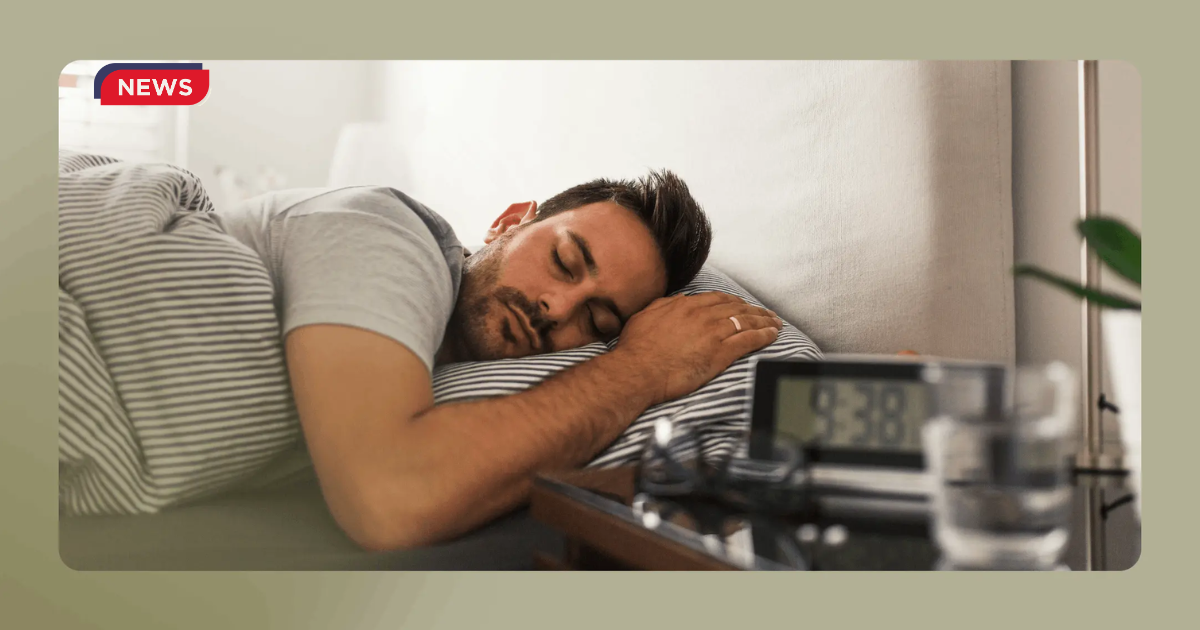
Adult sleep coaching mental health support is on the rise as more people seek one‑on‑one help for insomnia, racing thoughts, and fear about how bad sleep is affecting their minds and bodies. A Guardian feature profiles “Thorsten,” who is not a classic insomniac but suddenly found himself waking at 4:30 a.m. every few weeks, unable to fall back asleep. After days of this pattern, he would make mistakes at work, become irritable at home, and worry about the long‑term mental and physical consequences of his disrupted rest. Like many, he had tried to fix the problem alone by devouring online tips.

The article shows how adult sleep coaching mental health work differs from generic internet advice. Rather than throwing every strategy at the problem—blue‑light blocking, supplements, early morning routines—sleep coaches help clients untangle habits, beliefs, and stressors driving their patterns. They look at caffeine timing, screen use, work hours, and especially the anxiety that builds around “failing” to sleep, which can itself fuel wakefulness. For people like Thorsten, whose lives become structured around trying to guarantee a perfect night, that anxiety can be as disruptive as the initial sleep issue.

Adult sleep coaching mental health approaches often include elements of cognitive‑behavioral therapy for insomnia (CBT‑I), a well‑researched method that targets unhelpful thoughts and behaviors around sleep. Coaches may also encourage clients to broaden their focus from chasing eight flawless hours to cultivating a calmer relationship with rest—accepting some variability and learning strategies to function on less sleep without panicking. This reframing can lower night‑time pressure, which paradoxically makes it easier to drift off.

The feature notes that adult sleep coaching mental health services are not regulated in the same way as medical care, so quality can vary. Some coaches have clinical backgrounds; others do not. Experts recommend that people with complex conditions—such as sleep apnea, severe depression, or trauma—see a doctor or psychologist, potentially combining medical treatment with coaching. For milder cases tied to stress and lifestyle, a skilled coach can still offer structure and accountability that self‑help alone may not provide.

For readers, the rise of adult sleep coaching mental health services reflects a broader trend: people are recognizing how deeply sleep and mental health intertwine. Chronic sleep disruption can worsen anxiety, depression, and cognitive difficulties; in turn, mental health challenges can sabotage sleep. Seeking help—whether from a clinician or coach—is not a sign of weakness or vanity, but a practical step toward feeling more stable, patient, and clear‑headed during the day. The underlying message of the article is reassuring: if your nights feel out of control, you do not have to navigate them alone.

Source: ‘We cut through the online ocean of advice’: the rise of adult sleep coaching

Published On:

Last updated on:

Jessica Taylor

Jessica Taylor is a staff writer for Minds Journal News, where she covers stories on mental health, wellness, and culture. With a background in communications and a keen interest in how everyday experiences shape our emotional lives, Jessica brings thoughtful perspectives to trending news and timeless issues alike. She enjoys connecting the dots between research and real life, making psychology accessible and engaging for readers.

Disclaimer: The informational content on The Minds Journal have been created and reviewed by qualified mental health professionals. They are intended solely for educational and self-awareness purposes and should not be used as a substitute for professional medical advice, diagnosis, or treatment. If you are experiencing emotional distress or have concerns about your mental health, please seek help from a licensed mental health professional or healthcare provider.

Leave a Comment

Today's Horoscope

Daily Horoscope 28 April, 2026

Daily Horoscope 28 April, 2026: Prediction For Each Zodiac Sign

Let's find out what 28th April has in store for your zodiac!

Latest Quizzes

What Is My Core Wound Quiz? 10 Signs That Expose It!

What You Notice First in Someone Isn’t Random—Take This Quiz to Reveal Your Core Wound

What you notice first in others may quietly mirror your own needs that go unseen and unmet. Take this simple quiz to help you uncover the core wounds hidden beneath that actually shape you.

Latest Quotes

Human Psychology Facts: How These Cognitive Biases Quietly Shape Your Life

Human Psychology Facts: How These Cognitive Biases Quietly Shape Your Life

Human psychology facts show how your brain quietly edits reality. From the Pratfall Effect to the Halo Effect, these cognitive biases influence who you like, what you notice, and how confident you feel.

Readers Blog

Caption This Image and Selected Wisepicks – 26 April 2026

Caption This Image and Selected Wisepicks – 26 April 2026

Ready to unleash your inner wordsmith? ✨??☺️ Now’s your chance to show off your wit, charm, or sheer genius in just one line! Whether it’s laugh-out-loud funny or surprisingly deep, we want to hear it.Submit your funniest, wittiest, or most thought-provoking caption in the comments. We’ll pick 15+ winners to be featured on our website…

Latest Articles

Adult Sleep Coaching Mental Health New Trend Aims to Calm Night‑Time Anxiety

Adult sleep coaching mental health support is on the rise as more people seek one‑on‑one help for insomnia, racing thoughts, and fear about how bad sleep is affecting their minds and bodies. A Guardian feature profiles “Thorsten,” who is not a classic insomniac but suddenly found himself waking at 4:30 a.m. every few weeks, unable to fall back asleep. After days of this pattern, he would make mistakes at work, become irritable at home, and worry about the long‑term mental and physical consequences of his disrupted rest. Like many, he had tried to fix the problem alone by devouring online tips.

The article shows how adult sleep coaching mental health work differs from generic internet advice. Rather than throwing every strategy at the problem—blue‑light blocking, supplements, early morning routines—sleep coaches help clients untangle habits, beliefs, and stressors driving their patterns. They look at caffeine timing, screen use, work hours, and especially the anxiety that builds around “failing” to sleep, which can itself fuel wakefulness. For people like Thorsten, whose lives become structured around trying to guarantee a perfect night, that anxiety can be as disruptive as the initial sleep issue.

Adult sleep coaching mental health approaches often include elements of cognitive‑behavioral therapy for insomnia (CBT‑I), a well‑researched method that targets unhelpful thoughts and behaviors around sleep. Coaches may also encourage clients to broaden their focus from chasing eight flawless hours to cultivating a calmer relationship with rest—accepting some variability and learning strategies to function on less sleep without panicking. This reframing can lower night‑time pressure, which paradoxically makes it easier to drift off.

The feature notes that adult sleep coaching mental health services are not regulated in the same way as medical care, so quality can vary. Some coaches have clinical backgrounds; others do not. Experts recommend that people with complex conditions—such as sleep apnea, severe depression, or trauma—see a doctor or psychologist, potentially combining medical treatment with coaching. For milder cases tied to stress and lifestyle, a skilled coach can still offer structure and accountability that self‑help alone may not provide.

For readers, the rise of adult sleep coaching mental health services reflects a broader trend: people are recognizing how deeply sleep and mental health intertwine. Chronic sleep disruption can worsen anxiety, depression, and cognitive difficulties; in turn, mental health challenges can sabotage sleep. Seeking help—whether from a clinician or coach—is not a sign of weakness or vanity, but a practical step toward feeling more stable, patient, and clear‑headed during the day. The underlying message of the article is reassuring: if your nights feel out of control, you do not have to navigate them alone.

Source: ‘We cut through the online ocean of advice’: the rise of adult sleep coaching

Published On:

Last updated on:

Jessica Taylor

Jessica Taylor is a staff writer for Minds Journal News, where she covers stories on mental health, wellness, and culture. With a background in communications and a keen interest in how everyday experiences shape our emotional lives, Jessica brings thoughtful perspectives to trending news and timeless issues alike. She enjoys connecting the dots between research and real life, making psychology accessible and engaging for readers.

Leave a Comment

    Leave a Comment