8 Simple Mindfulness Practices That Help You Switch Off Brain Fog

Author : Clara Belle

8 Best Mindfulness Practices To Hack Your Brain!

What if I told you that youโ€™ve been using only a fraction of your mind this whole time? But what is actually stopping you from unlocking your brainโ€™s full potential today?  I have a few secrets that I can lend you. And no. It’s not some rocket science or unique hacks, but simple mindfulness practices that can do wonders.

When you hear about mindfulness practices, two things come to mind first – meditation and journaling. Itโ€™s the same with me. But these techniques will help refocus your mind, and invite calm into your day. Are you ready to try them out?
mindfulness practices

How to Practice Mindfulness? 8 Unique Mindfulness Practices

1. When Your Mind Spirals, Use This 5-4-3-2-1 Grounding Trick
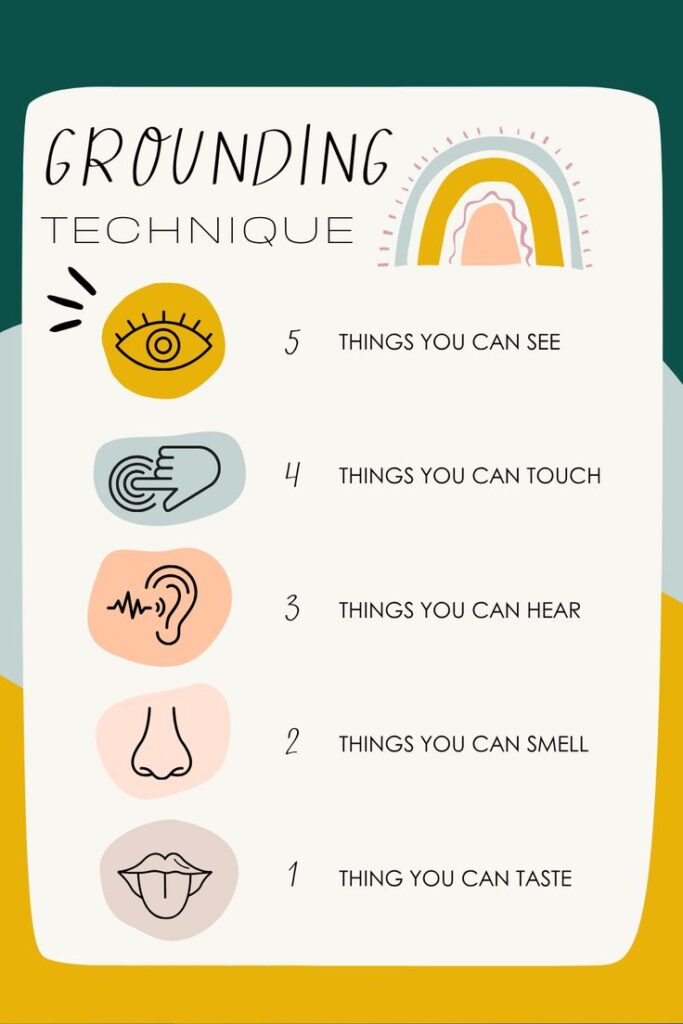
The next time something triggers you, practice the 5-4-3-2-1 sensory grounding technique.

Whether it’s annoyance, anger or even a peek of your insecurities, don’t respond to it immediately. Try to identify and count 5 things you can see, 4 things you can touch, 3 sounds you can hear, 2 things you smell and 1 that you can taste. 

This is not to suppress or calm yourself forcefully, but to not just act yet with the first response. As you use these 5 senses, it reduces your acute anxiety and helps you redirect your attention to the present moment. 

This tiny gap teaches your brain to differentiate between you and your actions. It separates you from your first reactions. 

Over time, you become more mindful. Your impulsive pathways weaken. Your self-control strengthens. 

2. Slow Down Your Mind With The โ€œTangerineโ€ Savoring Experience 

Pick a small object, for example, a tangerine. Then you start to examine it using all your senses. 

But not in the usual way. You need to go deeper to notice the texture, the vibrant color, the smell, and then slowly peel it. Here, the goal remains to focus entirely on the experience. 

It helps you hear the faintest background sound, observe the smallest change in texture under your fingers, and help you notice a smell thatโ€™s barely there. 

This deep concentration on a single, minor object rewires the brain to focus. It trains your attention to pick up the subtleties, not merely the obvious factors. Thus, it ends up reducing your need for constant multitasking.

3. Turn Your Daily Walk Into a Mindfulness Reset
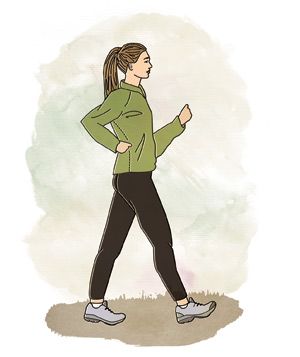
Mindful walking is another of the unique practices that sound quite simple. It basically involves focusing on the physical sensations of walking. For example, the contact of your feet with the ground, the movement of your muscles, and even your breath. 

When youโ€™re walking slowly and deliberately for a few minutes, it can reduce your stress, enhance your mood, improve your focus, and also help you connect with your surroundings.

In this way, you are, gradually, brought back to your emotional presence. It soothes your mind to develop emotional clarity and breaks the emotional chaos.

Read More Here: How To Pass On The Value Of Presence And Mindfulness Across Generations?

4. Reset Your Nervous System With Deep Belly Breathing
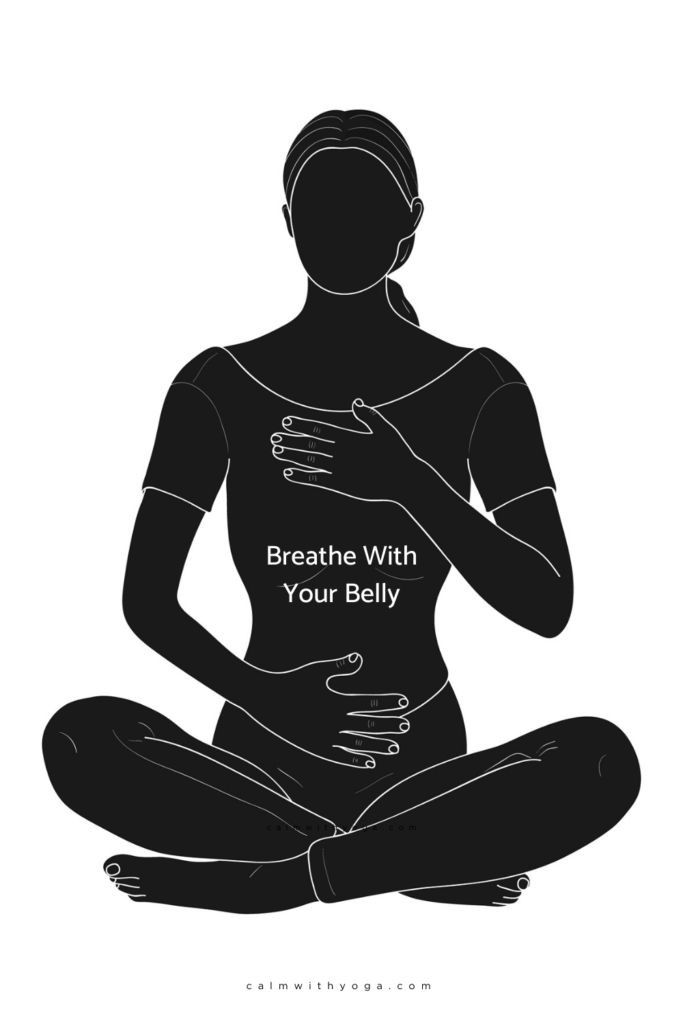
This mindfulness practice is also known as diaphragmatic breathing. Here, you engage your diaphragm, the dome-shaped muscle at the base of your lungs, so that you can breathe more efficiently. 

The usual shallow chest breathing can often accompany stress. But deep belly breathing involves drawing air deep into the lungs so that the abdomen can expand but the chest can remain still in comparison.

It helps you become more mindful as it stimulates the Vagus Nerve. It activates your relaxation responses better by shifting your body from a fight-or-flight state to a rest-and-digest state. It consciously reduces the cortisol level, blood pressure rate and even that of the heart.

5. Turn Your Emotions Into Colors (And Watch Them Shift)
There will be moments of heavy emotions from time to time. So then, it is only natural that you’ll hear yourself saying โ€œI feel badโ€ or โ€œI feel offโ€. 

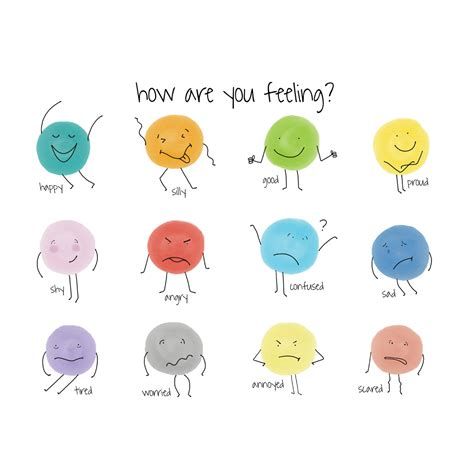
But you can combine that with these mindfulness exercises, too. Start assigning a color to your emotions or feelings.

For instance, a heavy red shade for when you’re feeling angry or frustrated. A dull grey one for when the seasonal sadness or a general feeling of apathy kicks in. A static yellow when things start to take a better turn. 

Then ask yourself whether the color has shifted in the last hour.

This makes your emotions feel fluid. It helps you be mindful of feeling it as well as knowing that it’s not permanent.

6. Break Your Autopilot With One Small Change Today

Change one of your tiny habits daily. For instance, if you take a particular route to your work, try to explore a different one. Intentionally plan out some time beforehand so that you can carry it on. 

Sit in a different spot than where you sit regularly. Try to work with your non-dominant hand. Stare out the window and see if you can visualize things more intricately and intently. You might spot differences from what you usually come across. It could be a new flowering branch of a plant, the new blooming smell, or even different vehicle sounds from what you have heard on most days. 

You don’t have to do it all on the same day. But with such tiny changes, it breaks the autopilot mode of the brain. It forces awareness into you.

Awareness and alertness require your conscious effort. Hence, this strengthens connectivity between neurons and builds new neural pathways.

Read More Here: 5 Signs Youโ€™re On Autopilot: Wisey Review And Life-Tracking Insights

7. Get Out of Your Head With This Physical Reality Check

A “whatโ€™s touching me?” check is a sensory mindfulness practice that can pull you out of racing thoughts. It anchors you in your present moment by focusing on your physical sensations itself. It is often used to calm the nervous system which helps you affirm that you are safe.

For this, first settle down and take a breath. The sensory checks can then be done. Start noticing the pressure of your body resting on the chair, or the floor, or the bed. Try to feel the weight of your body and then the fabric of your clothes. 

Then go in a little bit deeper and notice the hair brushing against your face, or the feeling of the cold or hot hair on your skin. Such physical sensations present you with the reality checks of the moment.

When you let yourself be present with these factual truths, even in small doses, it does a crucial thing. It rewires self-awareness way faster than overthinking ever could.

8. Body Scan Meditation: Scan Your Body, Calm Your Mind

Body scan meditation is a mindfulness practice where you are mentally scanning your body from head to toe, generally guided by audio. It helps you increase your awareness of physical sensations, emotions, and tensions without judgment. 

Often performed while lying down, this technique helps bridge the mind-body connection. It reduces stress and relaxes physical tension by encouraging a state of, “being” rather than “doing”.

You can then begin to notice even the tiniest of sensations like warmth, a tingling, or even some pain or tightness. Itโ€™s natural for your mind to wander but with a body scan meditation running, you get gently anchored to your present focus and bodily sensations. 

Once you come face-to-face with those, you have reached the core of what these mindfulness techniques try to give you.

So, the bottom line isโ€ฆ

Mindfulness exercises arenโ€™t about becoming peaceful all the time. Itโ€™s about becoming aware enough so that you can choose differently depending upon what actually suits your needs.

Mindfulness practices have the ability to physically restructure the brain. This process is known as neuroplasticity. It strengthens the neural circuits which are associated with attention and emotional regulation. 

In this way, it ends up shrinking the amygdala or the brain’s fear center. 

And these tiny, almost โ€œunnoticeableโ€ shifts youโ€™re bringing within yourself? These are exactly what change how your brain is wired – quietly, steadily, for real.


Frequently Asked Questions

1. Do the mindfulness techniques work if Iโ€™m not able to be consistent?

Yes, it does. Because this isnโ€™t about perfect routines. Even if you are doing one of the mindfulness practices in a real moment when youโ€™re triggered, avoiding, or spiraling, it is enough to start rewiring the way your brain responds. Consistency helps, but awareness in the moment is crucial.

2. What if I try mindfulness activities and feel nothing or even worse at first?

Thatโ€™s quite normal. Youโ€™re not numbing or distracting yourself anymore. Youโ€™re now noticing with your mindfulness practices. And it can feel uncomfortable before it begins to feel relieving. It doesnโ€™t mean it’s working. It means youโ€™re finally seeing what was already there.

mindfulness exercises

Published On:

Last updated on:

Clara Belle

I'm Clara Belle, pursuing my graduation in English. My love for reading has taken me to different worlds of how people think and love and function. I find mental health and its matters really interesting. My writings explore my interests further. I write about relationships, personality types, mental health, and book reviews. Hope I could present something new to you today!

Disclaimer: The informational content on The Minds Journal have been created and reviewed by qualified mental health professionals. They are intended solely for educational and self-awareness purposes and should not be used as a substitute for professional medical advice, diagnosis, or treatment. If you are experiencing emotional distress or have concerns about your mental health, please seek help from a licensed mental health professional or healthcare provider.

Leave a Comment

Today's Horoscope

Daily Horoscope 29 April 2026: Prediction for Zodiac Signs

Daily Horoscope 29 April, 2026: Prediction For Each Zodiac Sign

The energy today feels softer than usual.

Latest Quizzes

What Is My Core Wound Quiz? 10 Signs That Expose It!

What You Notice First in Someone Isnโ€™t Randomโ€”Take This Quiz to Reveal Your Core Wound

What you notice first in others may quietly mirror your own needs that go unseen and unmet. Take this simple quiz to help you uncover the core wounds hidden beneath that actually shape you.

Latest Quotes

Human Psychology Facts: How These Cognitive Biases Quietly Shape Your Life

Human Psychology Facts: How These Cognitive Biases Quietly Shape Your Life

Human psychology facts show how your brain quietly edits reality. From the Pratfall Effect to the Halo Effect, these cognitive biases influence who you like, what you notice, and how confident you feel.

Readers Blog

Caption This Image and Selected Wisepicks โ€“ 26 April 2026

Caption This Image and Selected Wisepicks โ€“ 26 April 2026

Ready to unleash your inner wordsmith? โœจ??โ˜บ๏ธ Nowโ€™s your chance to show off your wit, charm, or sheer genius in just one line! Whether itโ€™s laugh-out-loud funny or surprisingly deep, we want to hear it.Submit your funniest, wittiest, or most thought-provoking caption in the comments. Weโ€™ll pick 15+ winners to be featured on our website…

Latest Articles

8 Best Mindfulness Practices To Hack Your Brain!

What if I told you that youโ€™ve been using only a fraction of your mind this whole time? But what is actually stopping you from unlocking your brainโ€™s full potential today?  I have a few secrets that I can lend you. And no. It’s not some rocket science or unique hacks, but simple mindfulness practices that can do wonders.

When you hear about mindfulness practices, two things come to mind first – meditation and journaling. Itโ€™s the same with me. But these techniques will help refocus your mind, and invite calm into your day. Are you ready to try them out?

mindfulness practices

How to Practice Mindfulness? 8 Unique Mindfulness Practices

1. When Your Mind Spirals, Use This 5-4-3-2-1 Grounding Trick

The next time something triggers you, practice the 5-4-3-2-1 sensory grounding technique.

Whether it’s annoyance, anger or even a peek of your insecurities, don’t respond to it immediately. Try to identify and count 5 things you can see, 4 things you can touch, 3 sounds you can hear, 2 things you smell and 1 that you can taste. 

This is not to suppress or calm yourself forcefully, but to not just act yet with the first response. As you use these 5 senses, it reduces your acute anxiety and helps you redirect your attention to the present moment. 

This tiny gap teaches your brain to differentiate between you and your actions. It separates you from your first reactions. 

Over time, you become more mindful. Your impulsive pathways weaken. Your self-control strengthens. 

2. Slow Down Your Mind With The โ€œTangerineโ€ Savoring Experience 

Pick a small object, for example, a tangerine. Then you start to examine it using all your senses. 

But not in the usual way. You need to go deeper to notice the texture, the vibrant color, the smell, and then slowly peel it. Here, the goal remains to focus entirely on the experience. 

It helps you hear the faintest background sound, observe the smallest change in texture under your fingers, and help you notice a smell thatโ€™s barely there. 

This deep concentration on a single, minor object rewires the brain to focus. It trains your attention to pick up the subtleties, not merely the obvious factors. Thus, it ends up reducing your need for constant multitasking.

3. Turn Your Daily Walk Into a Mindfulness Reset

Mindful walking is another of the unique practices that sound quite simple. It basically involves focusing on the physical sensations of walking. For example, the contact of your feet with the ground, the movement of your muscles, and even your breath. 

When youโ€™re walking slowly and deliberately for a few minutes, it can reduce your stress, enhance your mood, improve your focus, and also help you connect with your surroundings.

In this way, you are, gradually, brought back to your emotional presence. It soothes your mind to develop emotional clarity and breaks the emotional chaos.

Read More Here: How To Pass On The Value Of Presence And Mindfulness Across Generations?

4. Reset Your Nervous System With Deep Belly Breathing

This mindfulness practice is also known as diaphragmatic breathing. Here, you engage your diaphragm, the dome-shaped muscle at the base of your lungs, so that you can breathe more efficiently. 

The usual shallow chest breathing can often accompany stress. But deep belly breathing involves drawing air deep into the lungs so that the abdomen can expand but the chest can remain still in comparison.

It helps you become more mindful as it stimulates the Vagus Nerve. It activates your relaxation responses better by shifting your body from a fight-or-flight state to a rest-and-digest state. It consciously reduces the cortisol level, blood pressure rate and even that of the heart.

5. Turn Your Emotions Into Colors (And Watch Them Shift)

There will be moments of heavy emotions from time to time. So then, it is only natural that you’ll hear yourself saying โ€œI feel badโ€ or โ€œI feel offโ€. 

But you can combine that with these mindfulness exercises, too. Start assigning a color to your emotions or feelings.

For instance, a heavy red shade for when you’re feeling angry or frustrated. A dull grey one for when the seasonal sadness or a general feeling of apathy kicks in. A static yellow when things start to take a better turn. 

Then ask yourself whether the color has shifted in the last hour.

This makes your emotions feel fluid. It helps you be mindful of feeling it as well as knowing that it’s not permanent.

6. Break Your Autopilot With One Small Change Today

Change one of your tiny habits daily. For instance, if you take a particular route to your work, try to explore a different one. Intentionally plan out some time beforehand so that you can carry it on. 

Sit in a different spot than where you sit regularly. Try to work with your non-dominant hand. Stare out the window and see if you can visualize things more intricately and intently. You might spot differences from what you usually come across. It could be a new flowering branch of a plant, the new blooming smell, or even different vehicle sounds from what you have heard on most days. 

You don’t have to do it all on the same day. But with such tiny changes, it breaks the autopilot mode of the brain. It forces awareness into you.

Awareness and alertness require your conscious effort. Hence, this strengthens connectivity between neurons and builds new neural pathways.

Read More Here: 5 Signs Youโ€™re On Autopilot: Wisey Review And Life-Tracking Insights

7. Get Out of Your Head With This Physical Reality Check

A “whatโ€™s touching me?” check is a sensory mindfulness practice that can pull you out of racing thoughts. It anchors you in your present moment by focusing on your physical sensations itself. It is often used to calm the nervous system which helps you affirm that you are safe.

For this, first settle down and take a breath. The sensory checks can then be done. Start noticing the pressure of your body resting on the chair, or the floor, or the bed. Try to feel the weight of your body and then the fabric of your clothes. 

Then go in a little bit deeper and notice the hair brushing against your face, or the feeling of the cold or hot hair on your skin. Such physical sensations present you with the reality checks of the moment.

When you let yourself be present with these factual truths, even in small doses, it does a crucial thing. It rewires self-awareness way faster than overthinking ever could.

8. Body Scan Meditation: Scan Your Body, Calm Your Mind

Body scan meditation is a mindfulness practice where you are mentally scanning your body from head to toe, generally guided by audio. It helps you increase your awareness of physical sensations, emotions, and tensions without judgment. 

Often performed while lying down, this technique helps bridge the mind-body connection. It reduces stress and relaxes physical tension by encouraging a state of, “being” rather than “doing”.

You can then begin to notice even the tiniest of sensations like warmth, a tingling, or even some pain or tightness. Itโ€™s natural for your mind to wander but with a body scan meditation running, you get gently anchored to your present focus and bodily sensations. 

Once you come face-to-face with those, you have reached the core of what these mindfulness techniques try to give you.

So, the bottom line isโ€ฆ

Mindfulness exercises arenโ€™t about becoming peaceful all the time. Itโ€™s about becoming aware enough so that you can choose differently depending upon what actually suits your needs.

Mindfulness practices have the ability to physically restructure the brain. This process is known as neuroplasticity. It strengthens the neural circuits which are associated with attention and emotional regulation. 

In this way, it ends up shrinking the amygdala or the brain’s fear center. 

And these tiny, almost โ€œunnoticeableโ€ shifts youโ€™re bringing within yourself? These are exactly what change how your brain is wired – quietly, steadily, for real.


Frequently Asked Questions

1. Do the mindfulness techniques work if Iโ€™m not able to be consistent?

Yes, it does. Because this isnโ€™t about perfect routines. Even if you are doing one of the mindfulness practices in a real moment when youโ€™re triggered, avoiding, or spiraling, it is enough to start rewiring the way your brain responds. Consistency helps, but awareness in the moment is crucial.

2. What if I try mindfulness activities and feel nothing or even worse at first?

Thatโ€™s quite normal. Youโ€™re not numbing or distracting yourself anymore. Youโ€™re now noticing with your mindfulness practices. And it can feel uncomfortable before it begins to feel relieving. It doesnโ€™t mean it’s working. It means youโ€™re finally seeing what was already there.


mindfulness exercises

Published On:

Last updated on:

Clara Belle

I'm Clara Belle, pursuing my graduation in English. My love for reading has taken me to different worlds of how people think and love and function. I find mental health and its matters really interesting. My writings explore my interests further. I write about relationships, personality types, mental health, and book reviews. Hope I could present something new to you today!

Leave a Comment

    Leave a Comment