
Is Your Kid Glued To The Screens? Try This 6-Step Rescue Plan

Author : Daisy Simon

How To Break Screen Addiction in Kids: 7 Best Steps

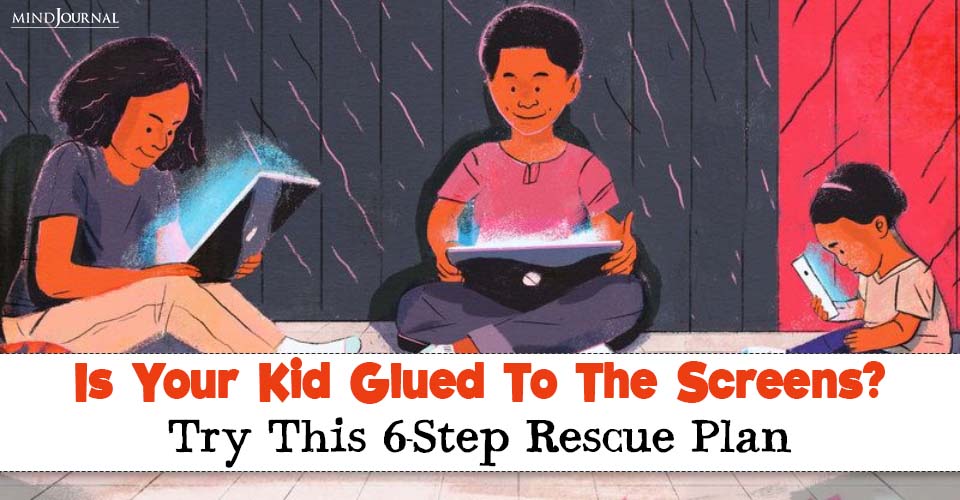
Youโ€™ve probably seen this play out more times than youโ€™d like. Your child says, โ€œJust five more minutes,โ€ and suddenly an hour disappears. Meals get cold, and the outside world feelsโ€ฆ less interesting to them than a glowing screen… That’s why we’re helping you with a rescue plan for screen addiction in kids.

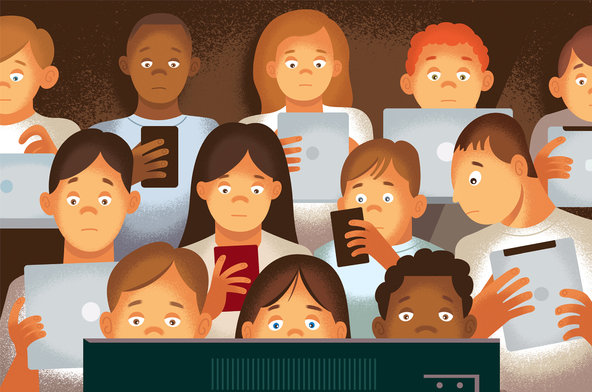
This habit is normalized in most households, and that’s why attention, connection, and balance are something children NEED more than ever!

So don’t let your children turn into zombies who only snap back to life when you turn off the Wi-Fi. Check out how to stop screen addiction and replace it with healthier habits.
Screen Addiction In Kids

Read More Here: Technology Addiction Art: 25 Satirical Illustrations Depicting The Grim Reality

Signs of Screen Addiction In Kids You Should Watch For

Early awareness makes a big difference. Look out for:

  • Getting angry when devices are taken away
  • Not wanting to do hobbies or play outside anymore
  • Trouble sleeping (staying up late and waking up tired)
  • Always needing stimulation
  • Withdrawing from family or friends

Don’t panic! If you notice these, itโ€™s time to gently reset habits and try helping children with screen addiction.

How To Break Screen Addiction in Kids

1. Understand What the Screen Is Replacing

The screen isn’t always the problem. Sometimes it’s a sign of something deeper than normal:

Consider thinking about the following:

  • Is my child trying to stay away from something?
  • Do they feel lonely or like they’re not connected?
  • Are they feeling too much pressure from school, friends, and expectations?

For example:

A child who plays video games for hours on end might be trying to get away from failure or stress in other areas of their life.

Other than saying, “Stop playing,” Say things like: “I’ve seen you spend a lot of time on this. What do you like about it?

This one question can lead you to places you didn’t know about.

2. Let Boredom Do Its Job (Donโ€™t Interrupt It)

Kids and screen addiction often grow when every free second is filled with instant entertainment. Most parents fear hearing: โ€œIโ€™m bored.โ€ But boredom is where creativity begins.

If you resist the urge to solve boredom immediately, something interesting happens. After the initial complaints, children begin to explore, drawing, building, inventing games, or even just thinking.

This is a crucial step in reducing kids and screen addiction, because it rebuilds their ability to engage with the real world without constant digital input.

3. Donโ€™t Just Remove Screens, Outcompete Them

Simply taking screens away often leads to frustration, resistance, or even secrecy. Screens are engaging for a reason, theyโ€™re fast, colorful, and rewarding. If real life feels dull in comparison, children will always gravitate back.

So instead of removing screens, upgrade real life.

Example swaps:

Replace mobile games with a โ€œfamily game nightโ€ (with small rewards)
Replace random YouTube with โ€œchoose-your-movie Fridayโ€
Replace scrolling with a mini adventure (even a walk with a goal like spotting 5 new things)

This is one of the most effective ways of helping children with screen addictionโ€”because youโ€™re not taking joy away, youโ€™re redirecting it.

4. Use The โ€œScreen Budgetโ€ Rule

Think of screens like pocket money. Unlimited access creates dependency and poor habits. Controlled access builds awareness.

Instead, give a daily or weekly screen budget.

Example: Your child gets 1.5 hours/day. They can spend it however they wantโ€”but once itโ€™s gone, itโ€™s gone.

This teaches:

  • Decision-making
  • Self-control
  • Awareness of time

A powerful step in helping children with screen addiction.

5. Design Your Home With โ€œNo-Screen Zones.โ€

Constantly reminding children to โ€œput the phone awayโ€ can be exhausting. Instead, let your environment do some of the work. When certain spaces are naturally screen-free, the need for repeated rules decreases.

This is a quiet but strong way to stop teen screen addiction from spreading into every part of life.

Example:

Dining table – for conversations
Bedroom – for sleep
Study area – for focus

If phones arenโ€™t allowed in the bedroom, late-night scrolling disappears without daily fights.

6. The Mirror Trick: Start With Your Own Screen Habits

Wondering how to stop screen addiction in kids? Children absorb behavior far more deeply than instructions. If they constantly see you scrolling through your phone, checking notifications mid-conversation, or multitasking with a screen, they begin to see that as normal adult behavior.

Telling them to โ€œuse screens lessโ€ while doing the opposite yourself creates a gap they quickly notice. Instead, create a daily โ€œno-device family ritualโ€, even 30 minutes counts. No phones, no TV, just interaction. Over time, this quietly resets expectations without arguments.
Read More Here: FAFO Parenting: Is This Tough-Love Trend Teaching Kids Real-Life Lessons?

Closing Thoughts

Screens are not the enemy, theyโ€™re part of modern life. But without boundaries, they can quietly take over. By making small, intentional changes in daily habits, you can shift your childโ€™s relationship with screens without constant conflict.

So, what are your thoughts on how to break screen addiction? Write to us in the comments below!


Frequently Asked Questions (FAQs)

How to stop screen addiction?

If you want to get rid of kids or teen screen addiction implement a digital detox by setting time limits,

How does screen addiction affect the brain?

Excessive screen time can negatively impact your brain by disrupting sleep, reducing attention span, weakening memory, and increasing anxiety.


kids and screen addiction

Published On:

Last updated on:

Daisy Simon

Iโ€™m Daisy Simon, member of the Editorial Team at Minds Journal, who loves exploring the cultural zeitgeist through cinema, and pop culture. I hold a degree in Sociology and I write on topics like lifestyle, relationships, feminism, mental health, and how they all connect to the world we live in today. My goal is to spark honest conversations that people can relate to and help us better understand the challenges and ideas shaping our generation.

Disclaimer: The informational content on The Minds Journal have been created and reviewed by qualified mental health professionals. They are intended solely for educational and self-awareness purposes and should not be used as a substitute for professional medical advice, diagnosis, or treatment. If you are experiencing emotional distress or have concerns about your mental health, please seek help from a licensed mental health professional or healthcare provider.

Leave a Comment

Today's Horoscope

Weekly Horoscope 26 April To 2 May 2026

Weekly Horoscope 26 April To 2 May 2026

The stars are aligning differently this week, bringing emotional clarity, unexpected shifts in love, and powerful inner growth. Check your zodiac below!

Latest Quizzes

What Is My Core Wound Quiz? 10 Signs That Expose It!

What You Notice First in Someone Isnโ€™t Randomโ€”Take This Quiz to Reveal Your Core Wound

What you notice first in others may quietly mirror your own needs that go unseen and unmet. Take this simple quiz to help you uncover the core wounds hidden beneath that actually shape you.

Latest Quotes

Human Psychology Facts: How These Cognitive Biases Quietly Shape Your Life

Human Psychology Facts: How These Cognitive Biases Quietly Shape Your Life

Human psychology facts show how your brain quietly edits reality. From the Pratfall Effect to the Halo Effect, these cognitive biases influence who you like, what you notice, and how confident you feel.

Readers Blog

Caption This Image and Selected Wisepicks โ€“ 26 April 2026

Caption This Image and Selected Wisepicks โ€“ 26 April 2026

Ready to unleash your inner wordsmith? โœจ??โ˜บ๏ธ Nowโ€™s your chance to show off your wit, charm, or sheer genius in just one line! Whether itโ€™s laugh-out-loud funny or surprisingly deep, we want to hear it.Submit your funniest, wittiest, or most thought-provoking caption in the comments. Weโ€™ll pick 15+ winners to be featured on our website…

Latest Articles

How To Break Screen Addiction in Kids: 7 Best Steps

Youโ€™ve probably seen this play out more times than youโ€™d like. Your child says, โ€œJust five more minutes,โ€ and suddenly an hour disappears. Meals get cold, and the outside world feelsโ€ฆ less interesting to them than a glowing screen… That’s why we’re helping you with a rescue plan for screen addiction in kids.

This habit is normalized in most households, and that’s why attention, connection, and balance are something children NEED more than ever!

So don’t let your children turn into zombies who only snap back to life when you turn off the Wi-Fi. Check out how to stop screen addiction and replace it with healthier habits.

Screen Addiction In Kids

Read More Here: Technology Addiction Art: 25 Satirical Illustrations Depicting The Grim Reality

Signs of Screen Addiction In Kids You Should Watch For

Early awareness makes a big difference. Look out for:

  • Getting angry when devices are taken away
  • Not wanting to do hobbies or play outside anymore
  • Trouble sleeping (staying up late and waking up tired)
  • Always needing stimulation
  • Withdrawing from family or friends

Don’t panic! If you notice these, itโ€™s time to gently reset habits and try helping children with screen addiction.

How To Break Screen Addiction in Kids

1. Understand What the Screen Is Replacing

The screen isn’t always the problem. Sometimes it’s a sign of something deeper than normal:

Consider thinking about the following:

  • Is my child trying to stay away from something?
  • Do they feel lonely or like they’re not connected?
  • Are they feeling too much pressure from school, friends, and expectations?

For example:

A child who plays video games for hours on end might be trying to get away from failure or stress in other areas of their life.

Other than saying, “Stop playing,” Say things like: “I’ve seen you spend a lot of time on this. What do you like about it?

This one question can lead you to places you didn’t know about.

2. Let Boredom Do Its Job (Donโ€™t Interrupt It)

Kids and screen addiction often grow when every free second is filled with instant entertainment. Most parents fear hearing: โ€œIโ€™m bored.โ€ But boredom is where creativity begins.

If you resist the urge to solve boredom immediately, something interesting happens. After the initial complaints, children begin to explore, drawing, building, inventing games, or even just thinking.

This is a crucial step in reducing kids and screen addiction, because it rebuilds their ability to engage with the real world without constant digital input.

3. Donโ€™t Just Remove Screens, Outcompete Them

Simply taking screens away often leads to frustration, resistance, or even secrecy. Screens are engaging for a reason, theyโ€™re fast, colorful, and rewarding. If real life feels dull in comparison, children will always gravitate back.

So instead of removing screens, upgrade real life.

Example swaps:

Replace mobile games with a โ€œfamily game nightโ€ (with small rewards)
Replace random YouTube with โ€œchoose-your-movie Fridayโ€
Replace scrolling with a mini adventure (even a walk with a goal like spotting 5 new things)

This is one of the most effective ways of helping children with screen addictionโ€”because youโ€™re not taking joy away, youโ€™re redirecting it.

4. Use The โ€œScreen Budgetโ€ Rule

Think of screens like pocket money. Unlimited access creates dependency and poor habits. Controlled access builds awareness.

Instead, give a daily or weekly screen budget.

Example: Your child gets 1.5 hours/day. They can spend it however they wantโ€”but once itโ€™s gone, itโ€™s gone.

This teaches:

  • Decision-making
  • Self-control
  • Awareness of time

A powerful step in helping children with screen addiction.

5. Design Your Home With โ€œNo-Screen Zones.โ€

Constantly reminding children to โ€œput the phone awayโ€ can be exhausting. Instead, let your environment do some of the work. When certain spaces are naturally screen-free, the need for repeated rules decreases.

This is a quiet but strong way to stop teen screen addiction from spreading into every part of life.

Example:

Dining table – for conversations
Bedroom – for sleep
Study area – for focus

If phones arenโ€™t allowed in the bedroom, late-night scrolling disappears without daily fights.

6. The Mirror Trick: Start With Your Own Screen Habits

Wondering how to stop screen addiction in kids? Children absorb behavior far more deeply than instructions. If they constantly see you scrolling through your phone, checking notifications mid-conversation, or multitasking with a screen, they begin to see that as normal adult behavior.

Telling them to โ€œuse screens lessโ€ while doing the opposite yourself creates a gap they quickly notice. Instead, create a daily โ€œno-device family ritualโ€, even 30 minutes counts. No phones, no TV, just interaction. Over time, this quietly resets expectations without arguments.

Read More Here: FAFO Parenting: Is This Tough-Love Trend Teaching Kids Real-Life Lessons?

Closing Thoughts

Screens are not the enemy, theyโ€™re part of modern life. But without boundaries, they can quietly take over. By making small, intentional changes in daily habits, you can shift your childโ€™s relationship with screens without constant conflict.

So, what are your thoughts on how to break screen addiction? Write to us in the comments below!


Frequently Asked Questions (FAQs)

How to stop screen addiction?

If you want to get rid of kids or teen screen addiction implement a digital detox by setting time limits,

How does screen addiction affect the brain?

Excessive screen time can negatively impact your brain by disrupting sleep, reducing attention span, weakening memory, and increasing anxiety.


kids and screen addiction

Published On:

Last updated on:

Daisy Simon

Iโ€™m Daisy Simon, member of the Editorial Team at Minds Journal, who loves exploring the cultural zeitgeist through cinema, and pop culture. I hold a degree in Sociology and I write on topics like lifestyle, relationships, feminism, mental health, and how they all connect to the world we live in today. My goal is to spark honest conversations that people can relate to and help us better understand the challenges and ideas shaping our generation.

Leave a Comment

    Leave a Comment