Gen Z and Millennials Embrace Earlier Bedtimes, Prioritizing Sleep for Better Health

Author :

In recent years, there has been a noticeable shift in the sleeping habits of younger adults, with Gen Z and millennials increasingly prioritizing the importance of a good night’s rest.

According to a report by the Wall Street Journal, adults aged 18 to 34 are going to bed earlier and sleeping longer, reflecting a growing awareness of the benefits of adequate sleep for overall health and well-being.

Data from an analysis of over 2 million Sleep Number smart-bed customers revealed that adults in the 18-34 age group went to bed at an average time of 10:06 p.m. in January, compared to 10:18 p.m. in January 2023. This trend indicates a significant shift towards earlier bedtimes among younger adults.

Gen Z and Millennials Are Going To Bed Early

Emma Kraft, a 19-year-old junior at the University of California, Berkeley, highlighted this cultural shift, stating, “All of a sudden, it’s so much cooler and way more accepted to sleep early, and everyone has just adapted.” Kraft aims to be asleep by 9:30 p.m. every night, emphasizing the importance of getting at least nine hours of shut-eye for optimal well-being.

This trend isn’t just about going to bed earlier; it’s also about sleeping for longer durations. According to an analysis of American Time Use Survey data by RentCafe, adults in their 20s slept an average of nine hours and 28 minutes in 2022, marking an 8% increase from 2010.

This shift towards longer sleep durations reflects a growing recognition of the role sleep plays in maintaining physical and mental health.

While the Centers for Disease Control and Prevention recommend adults aim for at least seven hours of sleep per night, many individuals, particularly younger adults, are finding they need more than that to function optimally.

Kelly Baskin, 32, shared her experience, stating, “I always thought that made me look lazy and I tried to fight it.” However, after witnessing peers prioritize sleep on social media, Baskin now aims for eight to nine hours of sleep each night.

Despite the benefits of prioritizing sleep, some experts caution against becoming overly obsessed with sleep. John Winkelman, chief of the sleep disorders clinical research program at Massachusetts General Hospital, warns against becoming “neurotic” about sleep.

While promoting the importance of consistent bedtime routines and adequate sleep, Winkelman emphasizes that not everyone needs to adhere to early bedtimes unless required by their schedules.

In conclusion, the trend of Gen Z and millennials embracing earlier bedtimes and longer sleep durations reflects a growing recognition of the importance of sleep for overall health and well-being.

While prioritizing sleep can offer numerous benefits, it’s essential to strike a balance and avoid becoming overly fixated on sleep habits. As younger adults continue to prioritize rest and rejuvenation, they are setting a positive example for promoting better sleep habits across all age groups.



Published On:

Last updated on:

Disclaimer: The informational content on The Minds Journal have been created and reviewed by qualified mental health professionals. They are intended solely for educational and self-awareness purposes and should not be used as a substitute for professional medical advice, diagnosis, or treatment. If you are experiencing emotional distress or have concerns about your mental health, please seek help from a licensed mental health professional or healthcare provider.

Leave a Comment

Today's Horoscope

Daily Horoscope 22 May, 2026: Prediction For Each Zodiac Sign

Daily Horoscope 22 May, 2026: Prediction For Each Zodiac Sign

Ready to know more? Here is your free horoscope and daily prediction for all 12 zodiac signs.

Latest Quizzes

What You See First May Expose Your “Blocked Inner Trauma” The Answer Might Shock You!

What You See First May Expose Your “Blocked Inner Trauma” — The Answer Might Shock You!

This viral image test claims the first thing you see may reveal your blocked inner trauma. Look closely… then read your result!

Latest Quotes

Nervous System Regulation: Simple Tools to Calm Anxiety and Reconnect With Your Body

Nervous System Regulation: Simple Tools to Calm Anxiety and Reconnect With Your Body

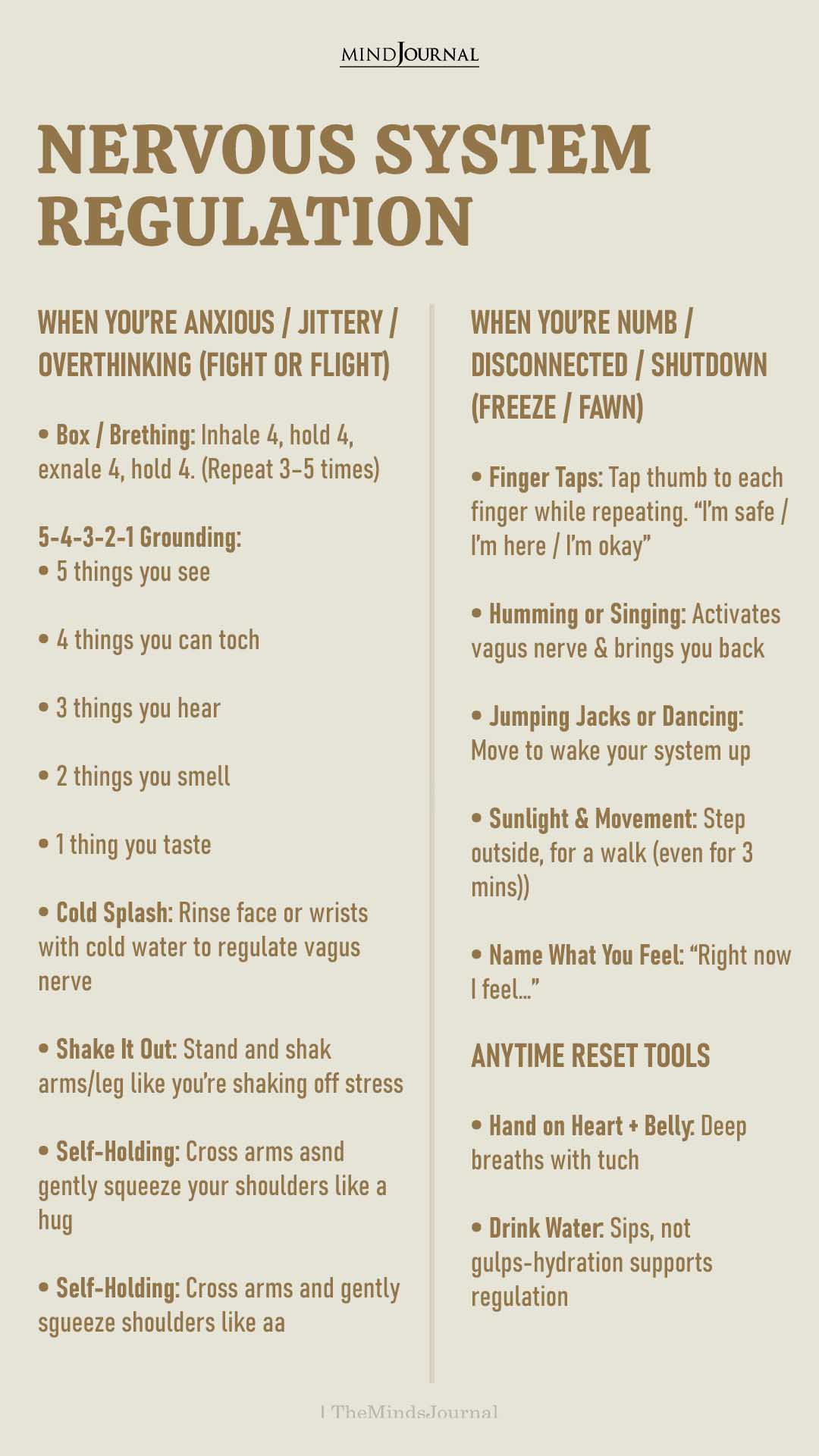
Nervous system regulation matters most when you feel anxious, numb, or stuck in overthinking. These simple grounding tools and breath practices help calm fight-or-flight and gently wake you from shutdown.

Readers Blog

Caption This Image and Selected Wisepicks – 17 May 2026

Caption This Image and Selected Wisepicks – 17 May 2026

Ready to unleash your inner wordsmith? ✨??☺️ Now’s your chance to show off your wit, charm, or sheer genius in just one line! Whether it’s laugh-out-loud funny or surprisingly deep, we want to hear it.Submit your funniest, wittiest, or most thought-provoking caption in the comments. We’ll pick 15+ winners to be featured on our website…

Latest Articles

In recent years, there has been a noticeable shift in the sleeping habits of younger adults, with Gen Z and millennials increasingly prioritizing the importance of a good night’s rest.

According to a report by the Wall Street Journal, adults aged 18 to 34 are going to bed earlier and sleeping longer, reflecting a growing awareness of the benefits of adequate sleep for overall health and well-being.

Data from an analysis of over 2 million Sleep Number smart-bed customers revealed that adults in the 18-34 age group went to bed at an average time of 10:06 p.m. in January, compared to 10:18 p.m. in January 2023. This trend indicates a significant shift towards earlier bedtimes among younger adults.

Gen Z and Millennials Are Going To Bed Early

Emma Kraft, a 19-year-old junior at the University of California, Berkeley, highlighted this cultural shift, stating, “All of a sudden, it’s so much cooler and way more accepted to sleep early, and everyone has just adapted.” Kraft aims to be asleep by 9:30 p.m. every night, emphasizing the importance of getting at least nine hours of shut-eye for optimal well-being.

This trend isn’t just about going to bed earlier; it’s also about sleeping for longer durations. According to an analysis of American Time Use Survey data by RentCafe, adults in their 20s slept an average of nine hours and 28 minutes in 2022, marking an 8% increase from 2010.

This shift towards longer sleep durations reflects a growing recognition of the role sleep plays in maintaining physical and mental health.

While the Centers for Disease Control and Prevention recommend adults aim for at least seven hours of sleep per night, many individuals, particularly younger adults, are finding they need more than that to function optimally.

Kelly Baskin, 32, shared her experience, stating, “I always thought that made me look lazy and I tried to fight it.” However, after witnessing peers prioritize sleep on social media, Baskin now aims for eight to nine hours of sleep each night.

Despite the benefits of prioritizing sleep, some experts caution against becoming overly obsessed with sleep. John Winkelman, chief of the sleep disorders clinical research program at Massachusetts General Hospital, warns against becoming “neurotic” about sleep.

While promoting the importance of consistent bedtime routines and adequate sleep, Winkelman emphasizes that not everyone needs to adhere to early bedtimes unless required by their schedules.

In conclusion, the trend of Gen Z and millennials embracing earlier bedtimes and longer sleep durations reflects a growing recognition of the importance of sleep for overall health and well-being.

While prioritizing sleep can offer numerous benefits, it’s essential to strike a balance and avoid becoming overly fixated on sleep habits. As younger adults continue to prioritize rest and rejuvenation, they are setting a positive example for promoting better sleep habits across all age groups.


Published On:

Last updated on:

Leave a Comment

    Leave a Comment