
Decoding the Gut-Mind Connection: Leaky Gut Linked to Depressive Disorders

Author :

Major Depressive Disorder (MDD) stands as a global driver of disability, impacting millions worldwide. The intricate interplay between the leaky gut microbiome and stress-related responses in depressed individuals has become a focal point of research. A groundbreaking study published in the journal Genes explores the nexus between a leaky gut, depressive disorders, and the metabolites originating from the gut microbiota.

Unraveling the Leaky Gut Puzzle

The intestinal epithelial barrier acts as a shield, preventing the intrusion of toxins and pathogens into the gastrointestinal lumen. However, stress-induced events can compromise this barrier, leading to a leaky gut, subsequently elevating the risk of gastrointestinal issues and depressive disorders.

Factors such as pollution and the consumption of contaminants in food, like pesticides, also contribute to disturbed gut permeability and alterations in the gut microbiome.

Metabolites and the Butyrate Connection

Among the short-chain fatty acids (SCFAs), butyrate plays a pivotal role in maintaining gastrointestinal health. Disruptions in the integrity of the gut-blood barrier mediated by butyrate have been linked to depressive disorders. The recent study delves into how metabolites derived from the gut microbiota can influence and exacerbate these conditions.

Maternal Diet, Environmental Contaminants, and Depression Risk

The maternal diet during gestation emerges as a crucial factor influencing the neurological development of offspring by shaping the gut microbiome.

Modern unhealthy diets may induce maternal dysbiosis, reducing the presence of butyrate-producing bacteria and, subsequently, lowering neuroactive metabolite levels in maternal milk. This cascade effect increases the likelihood of anxiety- and depression-like behaviors in the offspring.

Exposure to environmental contaminants, particularly pesticides, is identified as a contributor to depressive disorders. Pesticides, such as glyphosate, can adversely impact neurodevelopment and neuroplasticity, crossing the placental barrier and affecting the fetal gut microbiome.

Therapeutic Avenues: Probiotics and Fecal Microbiota Transplantation (FMT)

FMT, involving the transfer of fecal matter from a healthy donor to a recipient, has proven effective in experimentally-induced models of depressive disorders.

The study highlights the role of specific bacteria, such as Butyrivibrio and Faecalibacterium, abundant in the gastrointestinal tract, in the effectiveness of FMT in mitigating Major Depressive Disorder (MDD).

Probiotics utilize epigenetic mechanisms to modulate the host immune response and maintain intestinal homeostasis. Clostridium butyricum, a bacterium known for its high butyrate secretion, has demonstrated efficacy in alleviating depression-like behaviors in mouse models.

Natural Remedies and Pharmaceuticals: A Holistic Approach

Herbal medicine and polyphenols emerge as potential candidates for modifying bacterial community structures and distributions, offering promise in alleviating depression-like behaviors.

Compounds like crocetin, found in saffron, have demonstrated antidepressant effects by influencing specific bacterial populations.

Antipsychotic drugs, by replenishing butyrate-producing bacteria levels, showcase effectiveness in mitigating depressive disorders. Psychotropic drugs, including certain antidepressants, can induce antidepressant effects by modulating gut bacteria composition and function, as well as influencing intestinal permeability.

Challenges and Future Directions

While medications targeting the microbiome hold therapeutic potential, further research is essential to comprehend how bioactive metabolites from gut microorganisms influence human physiology during depression.

Challenges lie in the heterogeneity of microbiome composition across diverse populations and geographical regions. Future studies need to encompass varied populations and developmental periods to address this diversity.

As research unravels the intricate connections between the gut and mental health, the potential for novel therapeutic interventions targeting the microbiome offers a beacon of hope for individuals grappling with depressive disorders.

The journey to translate these discoveries into effective treatments continues, holding the promise of transforming mental health care.



Published On:

Last updated on:

Disclaimer: The informational content on The Minds Journal have been created and reviewed by qualified mental health professionals. They are intended solely for educational and self-awareness purposes and should not be used as a substitute for professional medical advice, diagnosis, or treatment. If you are experiencing emotional distress or have concerns about your mental health, please seek help from a licensed mental health professional or healthcare provider.

Leave a Comment

Today's Horoscope

Daily Horoscope 22 May, 2026: Prediction For Each Zodiac Sign

Daily Horoscope 22 May, 2026: Prediction For Each Zodiac Sign

Ready to know more? Here is your free horoscope and daily prediction for all 12 zodiac signs.

Latest Quizzes

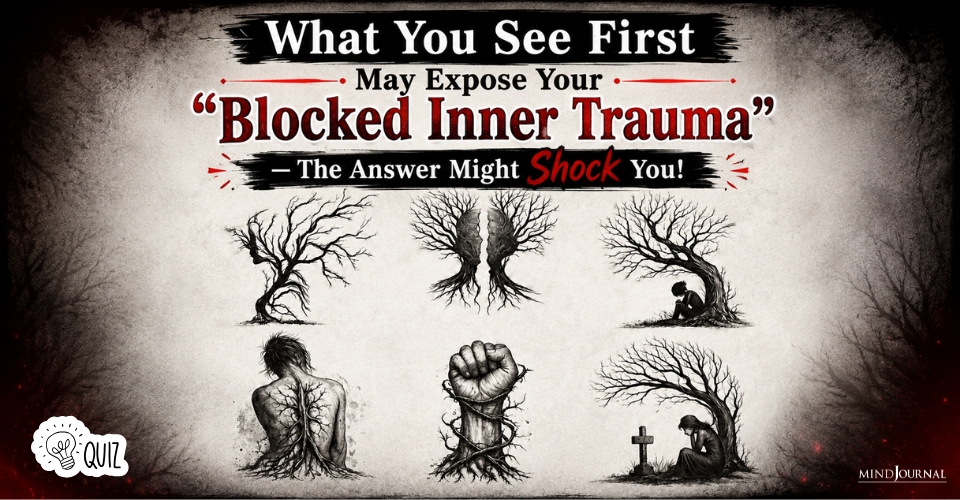
What You See First May Expose Your “Blocked Inner Trauma” The Answer Might Shock You!

What You See First May Expose Your “Blocked Inner Trauma” — The Answer Might Shock You!

This viral image test claims the first thing you see may reveal your blocked inner trauma. Look closely… then read your result!

Latest Quotes

Nervous System Regulation: Simple Tools to Calm Anxiety and Reconnect With Your Body

Nervous System Regulation: Simple Tools to Calm Anxiety and Reconnect With Your Body

Nervous system regulation matters most when you feel anxious, numb, or stuck in overthinking. These simple grounding tools and breath practices help calm fight-or-flight and gently wake you from shutdown.

Readers Blog

Caption This Image and Selected Wisepicks – 17 May 2026

Caption This Image and Selected Wisepicks – 17 May 2026

Ready to unleash your inner wordsmith? ✨??☺️ Now’s your chance to show off your wit, charm, or sheer genius in just one line! Whether it’s laugh-out-loud funny or surprisingly deep, we want to hear it.Submit your funniest, wittiest, or most thought-provoking caption in the comments. We’ll pick 15+ winners to be featured on our website…

Latest Articles

Major Depressive Disorder (MDD) stands as a global driver of disability, impacting millions worldwide. The intricate interplay between the leaky gut microbiome and stress-related responses in depressed individuals has become a focal point of research. A groundbreaking study published in the journal Genes explores the nexus between a leaky gut, depressive disorders, and the metabolites originating from the gut microbiota.

Unraveling the Leaky Gut Puzzle

The intestinal epithelial barrier acts as a shield, preventing the intrusion of toxins and pathogens into the gastrointestinal lumen. However, stress-induced events can compromise this barrier, leading to a leaky gut, subsequently elevating the risk of gastrointestinal issues and depressive disorders.

Factors such as pollution and the consumption of contaminants in food, like pesticides, also contribute to disturbed gut permeability and alterations in the gut microbiome.

Metabolites and the Butyrate Connection

Among the short-chain fatty acids (SCFAs), butyrate plays a pivotal role in maintaining gastrointestinal health. Disruptions in the integrity of the gut-blood barrier mediated by butyrate have been linked to depressive disorders. The recent study delves into how metabolites derived from the gut microbiota can influence and exacerbate these conditions.

Maternal Diet, Environmental Contaminants, and Depression Risk

The maternal diet during gestation emerges as a crucial factor influencing the neurological development of offspring by shaping the gut microbiome.

Modern unhealthy diets may induce maternal dysbiosis, reducing the presence of butyrate-producing bacteria and, subsequently, lowering neuroactive metabolite levels in maternal milk. This cascade effect increases the likelihood of anxiety- and depression-like behaviors in the offspring.

Exposure to environmental contaminants, particularly pesticides, is identified as a contributor to depressive disorders. Pesticides, such as glyphosate, can adversely impact neurodevelopment and neuroplasticity, crossing the placental barrier and affecting the fetal gut microbiome.

Therapeutic Avenues: Probiotics and Fecal Microbiota Transplantation (FMT)

FMT, involving the transfer of fecal matter from a healthy donor to a recipient, has proven effective in experimentally-induced models of depressive disorders.

The study highlights the role of specific bacteria, such as Butyrivibrio and Faecalibacterium, abundant in the gastrointestinal tract, in the effectiveness of FMT in mitigating Major Depressive Disorder (MDD).

Probiotics utilize epigenetic mechanisms to modulate the host immune response and maintain intestinal homeostasis. Clostridium butyricum, a bacterium known for its high butyrate secretion, has demonstrated efficacy in alleviating depression-like behaviors in mouse models.

Natural Remedies and Pharmaceuticals: A Holistic Approach

Herbal medicine and polyphenols emerge as potential candidates for modifying bacterial community structures and distributions, offering promise in alleviating depression-like behaviors.

Compounds like crocetin, found in saffron, have demonstrated antidepressant effects by influencing specific bacterial populations.

Antipsychotic drugs, by replenishing butyrate-producing bacteria levels, showcase effectiveness in mitigating depressive disorders. Psychotropic drugs, including certain antidepressants, can induce antidepressant effects by modulating gut bacteria composition and function, as well as influencing intestinal permeability.

Challenges and Future Directions

While medications targeting the microbiome hold therapeutic potential, further research is essential to comprehend how bioactive metabolites from gut microorganisms influence human physiology during depression.

Challenges lie in the heterogeneity of microbiome composition across diverse populations and geographical regions. Future studies need to encompass varied populations and developmental periods to address this diversity.

As research unravels the intricate connections between the gut and mental health, the potential for novel therapeutic interventions targeting the microbiome offers a beacon of hope for individuals grappling with depressive disorders.

The journey to translate these discoveries into effective treatments continues, holding the promise of transforming mental health care.

Published On:

Last updated on:

Leave a Comment

    Leave a Comment