Ban on Popular Snacks Due to Cancer-Causing Chemicals Spark Concern

Author :

Amid growing concerns over the presence of cancer-causing chemicals in popular snacks and candies, several US states are considering bans on popular snacks. Cereals like Lucky Charms and Froot Loops, candies such as Skittles and M&M’s, and snacks like Flamin’ Hot Cheetos and Doritos are among the products under scrutiny.

The move follows California’s implementation of the “Skittles Ban,” targeting chemicals like brominated vegetable oil, potassium bromate, propylparaben, and red dye No. 3. These substances, already banned in most of Europe, have been linked to health risks including cancer and kidney issues.

New York lawmakers have introduced bills to ban additional chemicals like titanium dioxide, BHA, and azodicarbonamide (ADA). Similarly, politicians in Pennsylvania are advocating for bans on food colorings like Red 40, Yellow 5, Yellow 6, Blue 1, and Blue 2. Other states such as Illinois, New Jersey, and Missouri are also considering similar measures.

The proposed bans aim to address concerns about the adverse effects of these chemicals, which include hyperactivity, behavioral problems in children, and increased cancer risk. Studies have linked certain food dyes to alterations in brain chemistry, specifically impacting dopamine levels responsible for pleasure and reward sensations.

The FDA has proposed a federal ban on brominated vegetable oil, citing its potential harm to the nervous system. California is also targeting another chemical, Green 3, associated with hyperactivity. The ultimate goal of these bans is to encourage companies to reformulate their products to eliminate harmful ingredients.

While proponents argue that such measures are necessary to protect public health, critics view the approach as patchwork and state-specific. Additionally, some states are pushing back against these bans, highlighting the complexities surrounding food regulation and consumer safety.

As debates over food safety continue, the potential impact of these proposed bans on both consumers and the food industry remains a topic of ongoing discussion.



Published On:

Last updated on:

Disclaimer: The informational content on The Minds Journal have been created and reviewed by qualified mental health professionals. They are intended solely for educational and self-awareness purposes and should not be used as a substitute for professional medical advice, diagnosis, or treatment. If you are experiencing emotional distress or have concerns about your mental health, please seek help from a licensed mental health professional or healthcare provider.

Leave a Comment

Today's Horoscope

Daily Horoscope 22 May, 2026: Prediction For Each Zodiac Sign

Daily Horoscope 22 May, 2026: Prediction For Each Zodiac Sign

Ready to know more? Here is your free horoscope and daily prediction for all 12 zodiac signs.

Latest Quizzes

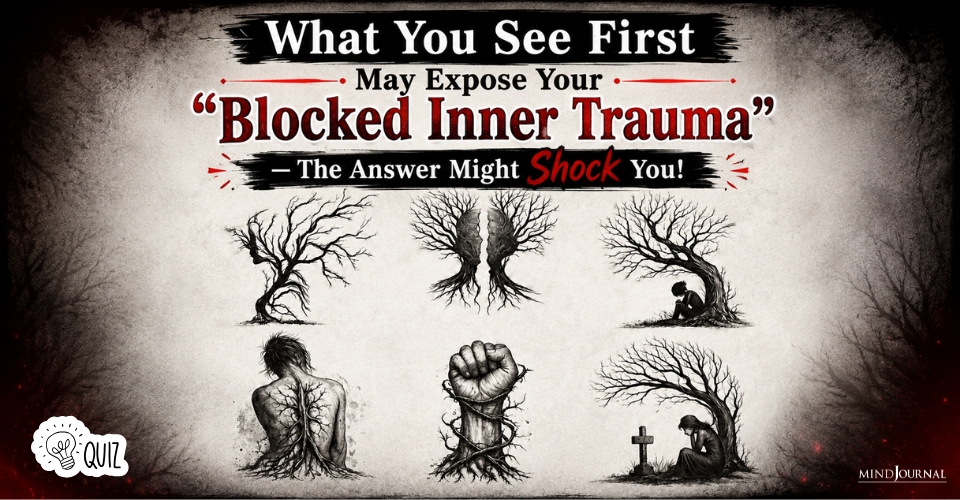
What You See First May Expose Your “Blocked Inner Trauma” The Answer Might Shock You!

What You See First May Expose Your “Blocked Inner Trauma” — The Answer Might Shock You!

This viral image test claims the first thing you see may reveal your blocked inner trauma. Look closely… then read your result!

Latest Quotes

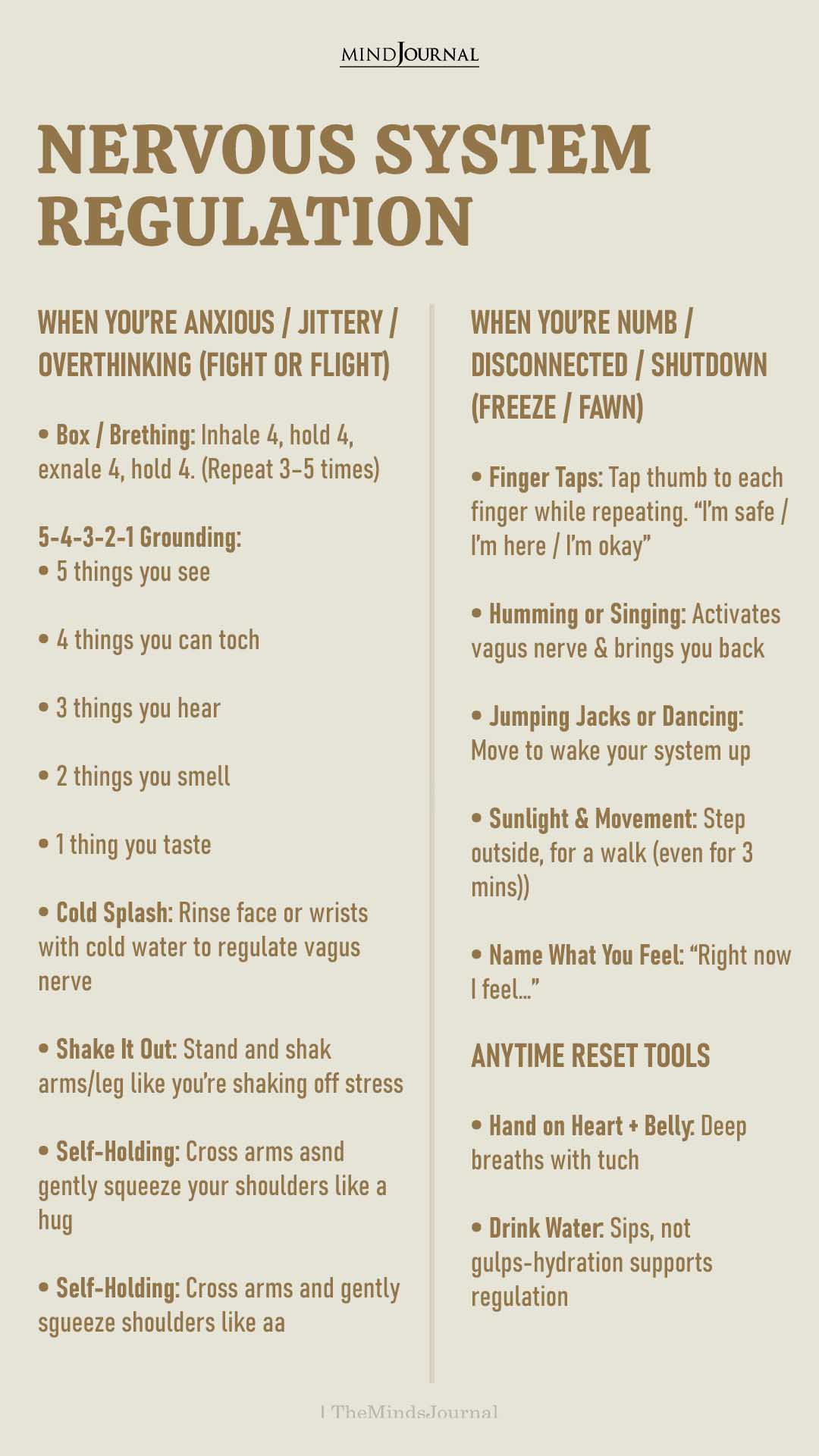
Nervous System Regulation: Simple Tools to Calm Anxiety and Reconnect With Your Body

Nervous System Regulation: Simple Tools to Calm Anxiety and Reconnect With Your Body

Nervous system regulation matters most when you feel anxious, numb, or stuck in overthinking. These simple grounding tools and breath practices help calm fight-or-flight and gently wake you from shutdown.

Readers Blog

Caption This Image and Selected Wisepicks – 17 May 2026

Caption This Image and Selected Wisepicks – 17 May 2026

Ready to unleash your inner wordsmith? ✨??☺️ Now’s your chance to show off your wit, charm, or sheer genius in just one line! Whether it’s laugh-out-loud funny or surprisingly deep, we want to hear it.Submit your funniest, wittiest, or most thought-provoking caption in the comments. We’ll pick 15+ winners to be featured on our website…

Latest Articles

Amid growing concerns over the presence of cancer-causing chemicals in popular snacks and candies, several US states are considering bans on popular snacks. Cereals like Lucky Charms and Froot Loops, candies such as Skittles and M&M’s, and snacks like Flamin’ Hot Cheetos and Doritos are among the products under scrutiny.

The move follows California’s implementation of the “Skittles Ban,” targeting chemicals like brominated vegetable oil, potassium bromate, propylparaben, and red dye No. 3. These substances, already banned in most of Europe, have been linked to health risks including cancer and kidney issues.

New York lawmakers have introduced bills to ban additional chemicals like titanium dioxide, BHA, and azodicarbonamide (ADA). Similarly, politicians in Pennsylvania are advocating for bans on food colorings like Red 40, Yellow 5, Yellow 6, Blue 1, and Blue 2. Other states such as Illinois, New Jersey, and Missouri are also considering similar measures.

The proposed bans aim to address concerns about the adverse effects of these chemicals, which include hyperactivity, behavioral problems in children, and increased cancer risk. Studies have linked certain food dyes to alterations in brain chemistry, specifically impacting dopamine levels responsible for pleasure and reward sensations.

The FDA has proposed a federal ban on brominated vegetable oil, citing its potential harm to the nervous system. California is also targeting another chemical, Green 3, associated with hyperactivity. The ultimate goal of these bans is to encourage companies to reformulate their products to eliminate harmful ingredients.

While proponents argue that such measures are necessary to protect public health, critics view the approach as patchwork and state-specific. Additionally, some states are pushing back against these bans, highlighting the complexities surrounding food regulation and consumer safety.

As debates over food safety continue, the potential impact of these proposed bans on both consumers and the food industry remains a topic of ongoing discussion.

Published On:

Last updated on:

Leave a Comment

    Leave a Comment