9 Types of Rest Your Nervous System Actually Needs

Author : Daisy Simon

9 Types of Rest Your Nervous System Actually Needs

Most people think they need more sleep when they’re exhausted, but that’s only one piece of the puzzle. Sometimes your body is tired from overstimulation, or your nervous system just needs a quiet moment.

And understanding the different types of rest can help you stop treating burnout with only ‘sleep’ and start giving yourself what you actually need.

And when you identify what your mind and nervous system are actually lacking, healing becomes much more intentional.

So, check out the 9 types of rest your body and mind may be craving…
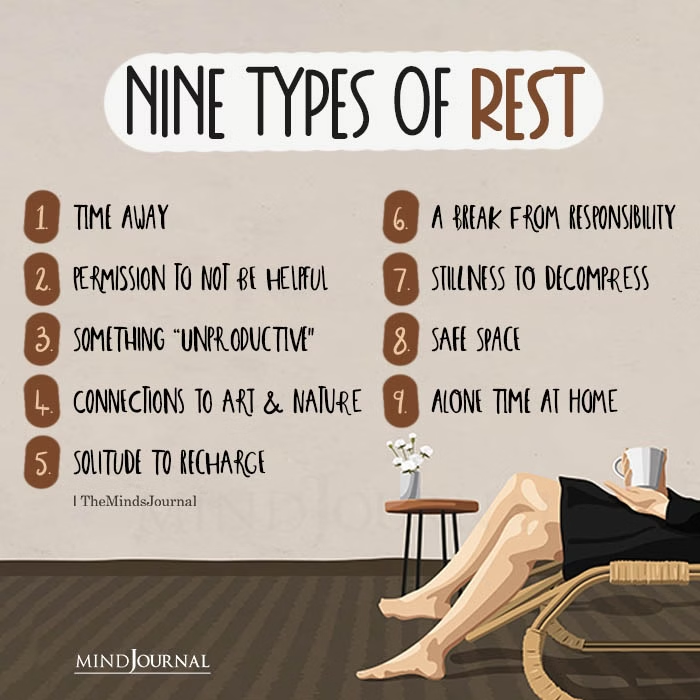
9 Types of Rest Your Nervous System Actually Needs

The 9 Types of Rest That Truly Restores You

1. Spend Time Offline

Your brain is processing information almost every second of the day, from endless notifications, scrolling, messages, and information. This kind of overload quietly increases anxiety, mental fatigue, irritability, and emotional exhaustion.

Constant digital stimulation keeps the nervous system alert even when the body is technically resting. Spending time offline creates mental and sensory rest by reducing noise, comparison, and overstimulation.

Even a short break from screens can help your mind feel calmer and more present.

Read More Here: 6 โ€˜Guilty Pleasuresโ€™ You Donโ€™t Have to Feel Guilty About

2. Try Breathing Exercises

Stress changes the way we breathe. Many people spend entire days breathing shallowly without realizing it.

Simple breathing exercises signal safety to the nervous system and help release tension stored in the body. This is one of the most effective forms of mindful rest because it reconnects you to the present moment.

Mindfulness techniques like box breathing, slow exhalations, or deep diaphragmatic breathing can instantly reduce feelings of overwhelm.

3. Do Something โ€œUnproductive.โ€

Not every moment of your life needs to create results. One of the most healing types of rest is allowing yourself to enjoy something simply because it feels good, without turning it into work, content, or achievement.

People watching at a cafe, lying in bed without guilt, gazing at the clouds, listening to music, painting badly, laughing with friends, or doing absolutely nothing can restore parts of you that productivity never reaches.

4. Be In A Safe Space

The nervous system cannot fully relax in environments where it constantly feels anxious, judged, or emotionally unsafe.

Real rest sometimes means being around people who allow you to exhale emotionally. Spaces where you do not need to perform, explain yourself, or stay emotionally guarded become deeply restorative.

Safety itself is healing.

5. Take A Walk Outside

Nature regulates the nervous system in ways many people underestimate.

Fresh air, sunlight, movement, and exposure to natural environments can reduce stress hormones and improve emotional clarity. A simple nature walk or touching grass creates physical, mental, and creative rest all at once.

Sometimes clarity comes after movement, not overthinking.

Read More Here: 8 โ€œNormalโ€ Habits That Arenโ€™t Normal For Your Body

6. Break The Routine

The mind becomes emotionally drained when every day feels repetitive and mechanical. Among the different types of rest, breaking routine does not require a dramatic change.

All you need to do is try a new cafรฉ, rearrange your space, explore somewhere unfamiliar, or change your schedule slightly to help restore curiosity and emotional energy. This reminds the brain that life is not meant to feel robotic.

7. Get Restful Sleep

Yes, sleep still matters. It helps restore the body, and it’s not laziness. Sometimes, it’s necessary for healing.

Physical rest remains essential for recovery, emotional regulation, memory, immune function, and nervous system repair. But sleep alone cannot solve every form of exhaustion. This is why some people sleep for eight hours and still wake up emotionally drained.

And other forms of rest restore the parts of you that sleep cannot reach.

8. Meditation

Meditation is not about โ€œemptying your mind.โ€ It’s one of the most powerful mindfulness techniques because it teaches your body how to slow down without guilt

It is about slowing down enough to observe your thoughts without being consumed by them. It creates a space between you and the constant noise inside your mind.

Even a few minutes of stillness can help reduce emotional overload, calm anxious thoughts, and regulate the nervous system.

9. Journaling

When thoughts become heavier, they stay trapped internally. Journaling is emotional rest that gives emotions somewhere to go.

Writing your thoughts down helps release mental clutter that your nervous system may be carrying silently. It allows emotions to move instead of staying trapped internally.

You do not need perfect words. Sometimes the act of expressing what you feel is restorative on its own.

How This Will Help You Recover From Burnout?

  • Reduce overthinking
  • Organize emotional confusion
  • Release stress
  • Increase self-awareness
  • Help process difficult experiences

Read More Here: 7 Things Lonely People Do Without Realizing Theyโ€™re Emotionally Isolated

True healing happens when you stop forcing yourself to survive on empty… but the real question is: are you willing to give yourself the kind of rest your nervous system is actually asking for?

Tell us your thoughts in the comments below!


9 Types of Rest Your Nervous System Actually Needs Pin 1
9 Types of Rest Your Nervous System Actually Needs Pin 2

Published On:

Last updated on:

Daisy Simon

Iโ€™m Daisy Simon, member of the Editorial Team at Minds Journal, who loves exploring the cultural zeitgeist through cinema, and pop culture. I hold a degree in Sociology and I write on topics like lifestyle, relationships, feminism, mental health, and how they all connect to the world we live in today. My goal is to spark honest conversations that people can relate to and help us better understand the challenges and ideas shaping our generation.

Disclaimer: The informational content on The Minds Journal have been created and reviewed by qualified mental health professionals. They are intended solely for educational and self-awareness purposes and should not be used as a substitute for professional medical advice, diagnosis, or treatment. If you are experiencing emotional distress or have concerns about your mental health, please seek help from a licensed mental health professional or healthcare provider.

Leave a Comment

Today's Horoscope

Daily Horoscope 27 May, 2026 Prediction For Each Zodiac Sign

Daily Horoscope 27 May, 2026: Prediction For Each Zodiac Sign

Today feels like a good day to pause, reflect, and listen to the part of you that already knows what comes next.

Latest Quizzes

Fun Chair Personality Test: 9 Options Reveal Your Secrets?

This Chair Personality Test Reveals What People Secretly Notice About You

Look at the picture given above and pick a chair that you would like to sit on. Now read below the interpretation of your selection!

Latest Quotes

Nervous System Regulation: Simple Tools to Calm Anxiety and Reconnect With Your Body

Nervous System Regulation: Simple Tools to Calm Anxiety and Reconnect With Your Body

Nervous system regulation matters most when you feel anxious, numb, or stuck in overthinking. These simple grounding tools and breath practices help calm fight-or-flight and gently wake you from shutdown.

Readers Blog

Caption This Image and Selected Wisepicks โ€“ 17 May 2026

Caption This Image and Selected Wisepicks โ€“ 17 May 2026

Ready to unleash your inner wordsmith? โœจ??โ˜บ๏ธ Nowโ€™s your chance to show off your wit, charm, or sheer genius in just one line! Whether itโ€™s laugh-out-loud funny or surprisingly deep, we want to hear it.Submit your funniest, wittiest, or most thought-provoking caption in the comments. Weโ€™ll pick 10+ winners to be featured on our website…

Latest Articles

9 Types of Rest Your Nervous System Actually Needs

Most people think they need more sleep when they’re exhausted, but that’s only one piece of the puzzle. Sometimes your body is tired from overstimulation, or your nervous system just needs a quiet moment.

And understanding the different types of rest can help you stop treating burnout with only ‘sleep’ and start giving yourself what you actually need.

And when you identify what your mind and nervous system are actually lacking, healing becomes much more intentional.

So, check out the 9 types of rest your body and mind may be craving…

9 Types of Rest Your Nervous System Actually Needs

The 9 Types of Rest That Truly Restores You

1. Spend Time Offline

Your brain is processing information almost every second of the day, from endless notifications, scrolling, messages, and information. This kind of overload quietly increases anxiety, mental fatigue, irritability, and emotional exhaustion.

Constant digital stimulation keeps the nervous system alert even when the body is technically resting. Spending time offline creates mental and sensory rest by reducing noise, comparison, and overstimulation.

Even a short break from screens can help your mind feel calmer and more present.

Read More Here: 6 โ€˜Guilty Pleasuresโ€™ You Donโ€™t Have to Feel Guilty About

2. Try Breathing Exercises

Stress changes the way we breathe. Many people spend entire days breathing shallowly without realizing it.

Simple breathing exercises signal safety to the nervous system and help release tension stored in the body. This is one of the most effective forms of mindful rest because it reconnects you to the present moment.

Mindfulness techniques like box breathing, slow exhalations, or deep diaphragmatic breathing can instantly reduce feelings of overwhelm.

3. Do Something โ€œUnproductive.โ€

Not every moment of your life needs to create results. One of the most healing types of rest is allowing yourself to enjoy something simply because it feels good, without turning it into work, content, or achievement.

People watching at a cafe, lying in bed without guilt, gazing at the clouds, listening to music, painting badly, laughing with friends, or doing absolutely nothing can restore parts of you that productivity never reaches.

4. Be In A Safe Space

The nervous system cannot fully relax in environments where it constantly feels anxious, judged, or emotionally unsafe.

Real rest sometimes means being around people who allow you to exhale emotionally. Spaces where you do not need to perform, explain yourself, or stay emotionally guarded become deeply restorative.

Safety itself is healing.

5. Take A Walk Outside

Nature regulates the nervous system in ways many people underestimate.

Fresh air, sunlight, movement, and exposure to natural environments can reduce stress hormones and improve emotional clarity. A simple nature walk or touching grass creates physical, mental, and creative rest all at once.

Sometimes clarity comes after movement, not overthinking.

Read More Here: 8 โ€œNormalโ€ Habits That Arenโ€™t Normal For Your Body

6. Break The Routine

The mind becomes emotionally drained when every day feels repetitive and mechanical. Among the different types of rest, breaking routine does not require a dramatic change.

All you need to do is try a new cafรฉ, rearrange your space, explore somewhere unfamiliar, or change your schedule slightly to help restore curiosity and emotional energy. This reminds the brain that life is not meant to feel robotic.

7. Get Restful Sleep

Yes, sleep still matters. It helps restore the body, and it’s not laziness. Sometimes, it’s necessary for healing.

Physical rest remains essential for recovery, emotional regulation, memory, immune function, and nervous system repair. But sleep alone cannot solve every form of exhaustion. This is why some people sleep for eight hours and still wake up emotionally drained.

And other forms of rest restore the parts of you that sleep cannot reach.

8. Meditation

Meditation is not about โ€œemptying your mind.โ€ It’s one of the most powerful mindfulness techniques because it teaches your body how to slow down without guilt

It is about slowing down enough to observe your thoughts without being consumed by them. It creates a space between you and the constant noise inside your mind.

Even a few minutes of stillness can help reduce emotional overload, calm anxious thoughts, and regulate the nervous system.

9. Journaling

When thoughts become heavier, they stay trapped internally. Journaling is emotional rest that gives emotions somewhere to go.

Writing your thoughts down helps release mental clutter that your nervous system may be carrying silently. It allows emotions to move instead of staying trapped internally.

You do not need perfect words. Sometimes the act of expressing what you feel is restorative on its own.

How This Will Help You Recover From Burnout?

  • Reduce overthinking
  • Organize emotional confusion
  • Release stress
  • Increase self-awareness
  • Help process difficult experiences

Read More Here: 7 Things Lonely People Do Without Realizing Theyโ€™re Emotionally Isolated

True healing happens when you stop forcing yourself to survive on empty… but the real question is: are you willing to give yourself the kind of rest your nervous system is actually asking for?

Tell us your thoughts in the comments below!


9 Types of Rest Your Nervous System Actually Needs Pin 1
9 Types of Rest Your Nervous System Actually Needs Pin 2

Published On:

Last updated on:

Daisy Simon

Iโ€™m Daisy Simon, member of the Editorial Team at Minds Journal, who loves exploring the cultural zeitgeist through cinema, and pop culture. I hold a degree in Sociology and I write on topics like lifestyle, relationships, feminism, mental health, and how they all connect to the world we live in today. My goal is to spark honest conversations that people can relate to and help us better understand the challenges and ideas shaping our generation.

Leave a Comment

Leave a Comment