8 Emotional Scars That Point To Trauma From Narcissistic Abuse

Author : Alexandra Hall

Trauma From Narcissistic Abuse: 8 Emotional Scars

Trauma from narcissistic abuse can feel like emotional whiplash. One minute you are on the other side of being love-bombed like there’s no tomorrow; the very next, you are questioning everything.

You are questioning your worth, your sanity, your memory – everything. If you have ever been caught in this cycle, you know very well that this kind of trauma doesn’t break your heart, it shakes your sense of self.

But no matter how much they might try to convince you, you are not crazy, you are not weak, and you are definitely not alone.

Today, we are going to talk about the effects of narcissistic abuse, psychological trauma from narcissistic abuse and the best ways for healing after narcissistic abuse.

Related: How Long Does It Take To Recover From Narcissistic Abuse? 6 Things You Can Do To Heal

What Is Narcissistic Abuse? (And Why It Messes With You So Much)

Narcissistic abuse isnโ€™t about the occasional bad fight or annoying partner. Itโ€™s a pattern of manipulation, gaslighting, emotional blackmail, and control – usually served with a smile.

A narcissist knows how to charm, and they just love to win. They will lift you up just to drop you, repeatedly. And that’s not even the scariest part. The scariest thing is that they will convince you that you are the problem, not them.

Be it a partner, a parent, a friend, or even your boss – the effects of narcissistic abuse can leave scars that are hard to explain, but impossible to ignore.

If you are wondering why you are still affected by them, this is why.

Trauma from narcissistic abuse

Now, let’s talk about the signs of trauma from narcissistic abuse.

8 Painful Truths About Trauma from Narcissistic Abuse

1. You donโ€™t trust yourself anymore.

You find yourself asking, โ€œDid that really happen the way I remember it?โ€ Or maybe you say sorry for all those things that you did not do. This is gaslighting at work.

Narcissists are masters at rewriting history, and your brain starts to adapt by doubting everything, even your own gut. Itโ€™s exhausting. And itโ€™s not your fault.

2. You flinch at kindness.

A compliment? Suspicious. A genuine โ€œHow are you?โ€ Feels like a setup. When you have been emotionally played over and over again, real affection starts to feel foreign and abnormal, and sometimes even dangerous.

Trauma from narcissistic abuse teaches your nervous system that love = manipulation. But guess what? That wiring can be untangled, slowly and gently.

3. You are always on edge.

When it comes to psychological trauma from narcissistic abuse, this is one of the most heartbreaking signs.

You are constantly waiting for the next mood swing to hit, the next jab, the next “Well, I didn’t mean it like that.” The heartbreaking thing is even though they are not a part of your life anymore, your body is still stuck on high alert.

This constant state of hypervigilance isnโ€™t you being dramatic – itโ€™s your trauma doing it’s job: trying to keep you safe.

4. You struggle to feel anything at all.

Some days, itโ€™s like someone turned the volume down on your emotions. Numb. Disconnected. You go through the motions, but joy feels muted.

You are not being lazy or indifferent, it’s simply your brain trying to protect you from emotional overload. You survived by shutting down. Now you are slowly learning how to feel again.

Related: The One Thing In Narcissistic Abuse Recovery That Victims Never Regret

5. You blame yourself for everything.

This is one of the major effects of narcissistic abuse. You tell yourself things like, “Maybe I did overreact” or, “He’s right, I am bit too sensitive.”

If this sounds familiar, know this very important thing – narcissists are experts at conditioning you to believe that YOU are the problem, not THEM.

That voice in your head – the one thatโ€™s always tearing you down – well, itโ€™s not really yours. Itโ€™s a leftover echo. And you can learn to turn it off.

6. You have isolated yourself from everyone, and you don’t know who to trust.

Narcissists often cut you off from friends and family. Now, you feel like you are drifting, with no one to talk to who gets it. Even when you try to open up, the words feel too messy.

You might even miss the narcissist because at least that chaos was familiar. This loneliness? Itโ€™s all a part of the detox process.

7. You can’t sleep or you always feel exhausted.

One of the major signs of trauma from narcissistic abuse is that rest also doesn’t feel restful anymore. Your brain keeps replaying old fights or imaginary scenarios at 3am.

Or maybe, just maybe, your body is done for good; you feel tired all the time, no matter how much you sleep. The painful thing about trauma is that trauma doesn’t clock out at bedtime.

However, with the right sort of tools, your body can remember how to rest in the truest sense.

Trauma from narcissistic abuse

8. You still hope that they will come back to you.

Even if you know they were toxic, a small part of you still waits for that text. That apology. That magical version of them you saw in the beginning. This is known as trauma bonding.

And trauma bonding can be really addictive. It’s not weakness, it’s chemistry. But you have the power to break that cycle and choose peace over the dreaded emotional rollercoaster.

Okay, now that we know the signs of trauma from narcissistic abuse, let’s talk about how to recover from narcissistic abuse.

How To Recover From Narcissistic Abuse?

1. Trauma-Informed Therapy (Talk Therapy, but deeper).

Not all therapy is created equal. For narcissistic abuse recovery, itโ€™s crucial to work with a trauma-informed therapist who understands emotional manipulation, gaslighting, and complex trauma (C-PTSD).

Why? They will help you unpack the abuse safely and gently.

Look for:

  • C-PTSD specialists
  • Therapists trained in abuse recovery
  • Someone who wonโ€™t dismiss your experience as just โ€œrelationship issuesโ€

Related: Why Recovery From Narcissistic Abuse Is Slow and Painful

2. Learn about narcissistic abuse.

Having a good amount of knowledge about narcissistic abuse, it stops feeling like a personal failure. It doesn’t just empower you, it also frees you from shame and guilt.

So, if you want to recover from narcissistic abuse, read books, listen to podcasts, or follow mental health accounts.

3. Go no contact (or Gray Rock if you can’t).

When it comes to healing after narcissistic abuse, this is the best thing you can do. Block them. Mute them. Donโ€™t respond. No contact is hard, but itโ€™s the fastest way to clear the fog.

If you have to stay in touch (co-parenting, family), use the Gray Rock method; so try to stay neutral, boring, and donโ€™t give emotional reactions. This is not pettiness, it’s self-protection.

4. Be unapologetically kind to yourself.

When you choose self-compassion, instead of beating yourself up for “staying too long” or “not seeing the signs”, that is when you life starts to change.

What you needed back then was survival. What you need now is kindness. Speak to yourself like someone who deserves love and care, because you do.

5. Explore holistic healing modalities.

These can beautifully complement therapy and help you reconnect with your body and soul:

  • Yoga for trauma release
  • Breathwork for nervous system regulation
  • Reiki or energy healing for emotional rebalancing
  • Meditation and grounding for inner calm and clarity

Holistic doesnโ€™t mean โ€œwooโ€, it means addressing the whole you.

6. Explore group therapy or support circles.

Sometimes the most healing thing is realizing: It wasnโ€™t just me. Group therapy (led by a professional) or peer support groups for narcissistic abuse survivors can be incredibly validating.

You learn, connect, and feel less isolated. Check local directories or look for virtual trauma recovery communities.
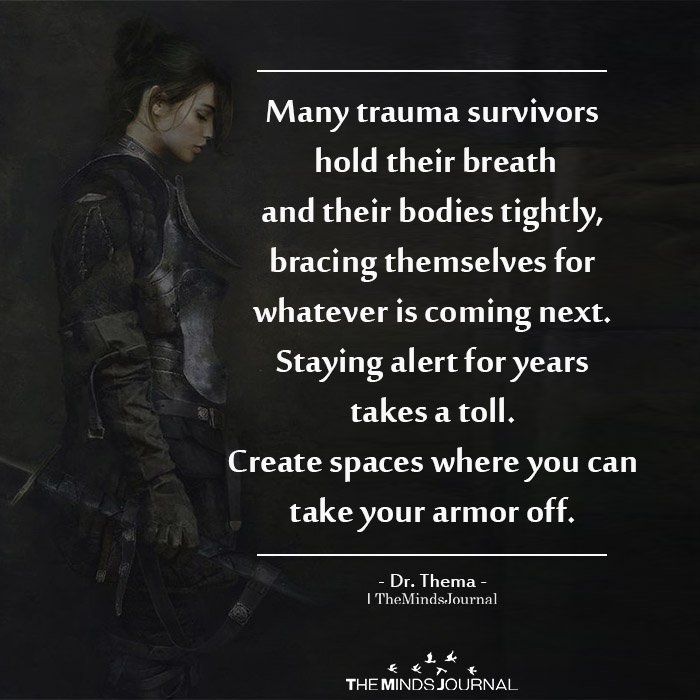
Trauma from narcissistic abuse

Takeaway

Youโ€™re not broken, youโ€™re healing from the effects of narcissistic abuse.

Trauma from narcissistic abuse can feel like a storm that never ends. But the truth is, youโ€™ve already survived the worst part. Now itโ€™s about gently rebuilding. Piece by piece. Day by day. Not for anyone else, but for you.

When it comes to narcissistic abuse recovery, you donโ€™t need to be perfect, you just need to keep choosing yourself, even on the days itโ€™s hard. Especially on the days itโ€™s hard.

Related: Are You The Scapegoat In A Narcissistic Family? 8 Scapegoat Roles

And that? Thatโ€™s the beginning of freedom.


effects of narcissistic abuse
signs of trauma from narcissistic abuse

Published On:

Last updated on:

Alexandra Hall

Iโ€™m Alexandra Hall, a journalism grad whoโ€™s endlessly curious about the inner workings of the human heart and mind. I write about relationships, psychology, spirituality, mental health, and books, weaving insight with empathy. If itโ€™s raw, real, and thought-provoking, itโ€™s probably on my radar.

Disclaimer: The informational content on The Minds Journal have been created and reviewed by qualified mental health professionals. They are intended solely for educational and self-awareness purposes and should not be used as a substitute for professional medical advice, diagnosis, or treatment. If you are experiencing emotional distress or have concerns about your mental health, please seek help from a licensed mental health professional or healthcare provider.

Leave a Comment

Today's Horoscope

Weekly Horoscope PART one

Weekly Horoscope 15 March to 21 March 2026

Read your zodiac signโ€™s prediction to understand the energy surrounding you and how to make the most of the days ahead!

Latest Quizzes

Interesting Finger Personality Test: 4 Finger Lines

Finger Personality Test: Join Your Fingers And Reveal A Hidden Personality Secret!

Look closely at your finger lines. Which pattern do you see? This personality test might surprise you!

Latest Quotes

How Men Show Love Through Actions (Male Psychology in Relationships)

How Men Show Love Through Actions (Male Psychology in Relationships)

Male psychology in relationships shows that men express love through presence, protection, and peace more than poetry. Decode his actions so you can see how deeply he actually cares.

Readers Blog

Caption This Image and Selected Wisepicks โ€“ 15 March 2026

Caption This Image and Selected Wisepicks โ€“ 15 March 2026

Ready to unleash your inner wordsmith? โœจ??โ˜บ๏ธ Nowโ€™s your chance to show off your wit, charm, or sheer genius in just one line! Whether itโ€™s laugh-out-loud funny or surprisingly deep, we want to hear it.Submit your funniest, wittiest, or most thought-provoking caption in the comments. Weโ€™ll pick 15+ winners to be featured on our website…

Latest Articles

Trauma From Narcissistic Abuse: 8 Emotional Scars

Trauma from narcissistic abuse can feel like emotional whiplash. One minute you are on the other side of being love-bombed like there’s no tomorrow; the very next, you are questioning everything.

You are questioning your worth, your sanity, your memory – everything. If you have ever been caught in this cycle, you know very well that this kind of trauma doesn’t break your heart, it shakes your sense of self.

But no matter how much they might try to convince you, you are not crazy, you are not weak, and you are definitely not alone.

Today, we are going to talk about the effects of narcissistic abuse, psychological trauma from narcissistic abuse and the best ways for healing after narcissistic abuse.

Related: How Long Does It Take To Recover From Narcissistic Abuse? 6 Things You Can Do To Heal

What Is Narcissistic Abuse? (And Why It Messes With You So Much)

Narcissistic abuse isnโ€™t about the occasional bad fight or annoying partner. Itโ€™s a pattern of manipulation, gaslighting, emotional blackmail, and control – usually served with a smile.

A narcissist knows how to charm, and they just love to win. They will lift you up just to drop you, repeatedly. And that’s not even the scariest part. The scariest thing is that they will convince you that you are the problem, not them.

Be it a partner, a parent, a friend, or even your boss – the effects of narcissistic abuse can leave scars that are hard to explain, but impossible to ignore.

If you are wondering why you are still affected by them, this is why.

Trauma from narcissistic abuse

Now, let’s talk about the signs of trauma from narcissistic abuse.

8 Painful Truths About Trauma from Narcissistic Abuse

1. You donโ€™t trust yourself anymore.

You find yourself asking, โ€œDid that really happen the way I remember it?โ€ Or maybe you say sorry for all those things that you did not do. This is gaslighting at work.

Narcissists are masters at rewriting history, and your brain starts to adapt by doubting everything, even your own gut. Itโ€™s exhausting. And itโ€™s not your fault.

2. You flinch at kindness.

A compliment? Suspicious. A genuine โ€œHow are you?โ€ Feels like a setup. When you have been emotionally played over and over again, real affection starts to feel foreign and abnormal, and sometimes even dangerous.

Trauma from narcissistic abuse teaches your nervous system that love = manipulation. But guess what? That wiring can be untangled, slowly and gently.

3. You are always on edge.

When it comes to psychological trauma from narcissistic abuse, this is one of the most heartbreaking signs.

You are constantly waiting for the next mood swing to hit, the next jab, the next “Well, I didn’t mean it like that.” The heartbreaking thing is even though they are not a part of your life anymore, your body is still stuck on high alert.

This constant state of hypervigilance isnโ€™t you being dramatic – itโ€™s your trauma doing it’s job: trying to keep you safe.

4. You struggle to feel anything at all.

Some days, itโ€™s like someone turned the volume down on your emotions. Numb. Disconnected. You go through the motions, but joy feels muted.

You are not being lazy or indifferent, it’s simply your brain trying to protect you from emotional overload. You survived by shutting down. Now you are slowly learning how to feel again.

Related: The One Thing In Narcissistic Abuse Recovery That Victims Never Regret

5. You blame yourself for everything.

This is one of the major effects of narcissistic abuse. You tell yourself things like, “Maybe I did overreact” or, “He’s right, I am bit too sensitive.”

If this sounds familiar, know this very important thing – narcissists are experts at conditioning you to believe that YOU are the problem, not THEM.

That voice in your head – the one thatโ€™s always tearing you down – well, itโ€™s not really yours. Itโ€™s a leftover echo. And you can learn to turn it off.

6. You have isolated yourself from everyone, and you don’t know who to trust.

Narcissists often cut you off from friends and family. Now, you feel like you are drifting, with no one to talk to who gets it. Even when you try to open up, the words feel too messy.

You might even miss the narcissist because at least that chaos was familiar. This loneliness? Itโ€™s all a part of the detox process.

7. You can’t sleep or you always feel exhausted.

One of the major signs of trauma from narcissistic abuse is that rest also doesn’t feel restful anymore. Your brain keeps replaying old fights or imaginary scenarios at 3am.

Or maybe, just maybe, your body is done for good; you feel tired all the time, no matter how much you sleep. The painful thing about trauma is that trauma doesn’t clock out at bedtime.

However, with the right sort of tools, your body can remember how to rest in the truest sense.

Trauma from narcissistic abuse

8. You still hope that they will come back to you.

Even if you know they were toxic, a small part of you still waits for that text. That apology. That magical version of them you saw in the beginning. This is known as trauma bonding.

And trauma bonding can be really addictive. It’s not weakness, it’s chemistry. But you have the power to break that cycle and choose peace over the dreaded emotional rollercoaster.

Okay, now that we know the signs of trauma from narcissistic abuse, let’s talk about how to recover from narcissistic abuse.

How To Recover From Narcissistic Abuse?

1. Trauma-Informed Therapy (Talk Therapy, but deeper).

Not all therapy is created equal. For narcissistic abuse recovery, itโ€™s crucial to work with a trauma-informed therapist who understands emotional manipulation, gaslighting, and complex trauma (C-PTSD).

Why? They will help you unpack the abuse safely and gently.

Look for:

  • C-PTSD specialists
  • Therapists trained in abuse recovery
  • Someone who wonโ€™t dismiss your experience as just โ€œrelationship issuesโ€

Related: Why Recovery From Narcissistic Abuse Is Slow and Painful

2. Learn about narcissistic abuse.

Having a good amount of knowledge about narcissistic abuse, it stops feeling like a personal failure. It doesn’t just empower you, it also frees you from shame and guilt.

So, if you want to recover from narcissistic abuse, read books, listen to podcasts, or follow mental health accounts.

3. Go no contact (or Gray Rock if you can’t).

When it comes to healing after narcissistic abuse, this is the best thing you can do. Block them. Mute them. Donโ€™t respond. No contact is hard, but itโ€™s the fastest way to clear the fog.

If you have to stay in touch (co-parenting, family), use the Gray Rock method; so try to stay neutral, boring, and donโ€™t give emotional reactions. This is not pettiness, it’s self-protection.

4. Be unapologetically kind to yourself.

When you choose self-compassion, instead of beating yourself up for “staying too long” or “not seeing the signs”, that is when you life starts to change.

What you needed back then was survival. What you need now is kindness. Speak to yourself like someone who deserves love and care, because you do.

5. Explore holistic healing modalities.

These can beautifully complement therapy and help you reconnect with your body and soul:

  • Yoga for trauma release
  • Breathwork for nervous system regulation
  • Reiki or energy healing for emotional rebalancing
  • Meditation and grounding for inner calm and clarity

Holistic doesnโ€™t mean โ€œwooโ€, it means addressing the whole you.

6. Explore group therapy or support circles.

Sometimes the most healing thing is realizing: It wasnโ€™t just me. Group therapy (led by a professional) or peer support groups for narcissistic abuse survivors can be incredibly validating.

You learn, connect, and feel less isolated. Check local directories or look for virtual trauma recovery communities.

Trauma from narcissistic abuse

Takeaway

Youโ€™re not broken, youโ€™re healing from the effects of narcissistic abuse.

Trauma from narcissistic abuse can feel like a storm that never ends. But the truth is, youโ€™ve already survived the worst part. Now itโ€™s about gently rebuilding. Piece by piece. Day by day. Not for anyone else, but for you.

When it comes to narcissistic abuse recovery, you donโ€™t need to be perfect, you just need to keep choosing yourself, even on the days itโ€™s hard. Especially on the days itโ€™s hard.

Related: Are You The Scapegoat In A Narcissistic Family? 8 Scapegoat Roles

And that? Thatโ€™s the beginning of freedom.


effects of narcissistic abuse
signs of trauma from narcissistic abuse

Published On:

Last updated on:

Alexandra Hall

Iโ€™m Alexandra Hall, a journalism grad whoโ€™s endlessly curious about the inner workings of the human heart and mind. I write about relationships, psychology, spirituality, mental health, and books, weaving insight with empathy. If itโ€™s raw, real, and thought-provoking, itโ€™s probably on my radar.

Leave a Comment

    Leave a Comment