
What Nobody Warns You About Depression Recovery_ It’s Not Linear, and That’s Okay

Author : Linda Greyman

Woman looking down in the mirror with sadness

Depression is common, serious, and deeply personal. Around 280 million people live with depression worldwide. That is about 5% of adults. It is also reported more often among women than men. In the United States, 21 million adults had a major depressive episode in 2021. That was 8.3% of all U.S. adults. Among adults aged 18 to 25, the number was much higher, at 18.6%. But numbers only tell part of the story. Depression can affect sleep, energy, appetite, focus, and relationships. It manifests in subtle signs that are easily masked, and can also change how you see yourself. Depression recovery can feel confusing because healing rarely moves in one clear direction. Some days feel easier. Other days feel heavy again. And still, uneven progress can be real progress.

Why healing can feel slow and confusing

Progress is not always loud. Sometimes, it is quiet. You may:

  • eat breakfast more often
  • answer one message
  • shower earlier than usual
  • cry less often

When you feel disconnected from your emotions, these changes can look small. However, when you are finding a way out of depression-induced numbness, they matter.

Depression can affect:

  • sleep
  • appetite
  • energy
  • concentration
  • self-worth

A major depressive episode usually means at least two weeks of low mood or loss of interest, along with other symptoms. So, it makes sense that recovery also affects many areas.

And what about brain fog? It can feel scary. You may think, “Am I slipping back?” Not always. Focus problems do not predict relapse in a simple way. So, one symptom should not define your whole progress. Look at patterns. Not one hard day.

What recovery really means beyond feeling better

Feeling better matters. Of course it does. But recovery is not only about fewer symptoms. It can also mean coping better, asking for help sooner, or functioning more steadily.

Recent research from Japan looked at 53 psychiatric inpatients with mood disorders. The study was connected to Kurume University School of Medicine in Fukuoka. Patients were assessed when they entered treatment and again when they left. Researchers looked at depressive symptoms, resilience, self-compassion, and loneliness.

More than 90% improved in depressive symptoms. However, only about 70% improved in resilience. That detail matters. Why? Because someone may feel less low, yet still feel fragile. They may smile more, but still feel lonely. They may function better, but still doubt themselves.

So, recovery is not one thing. It includes:

  • mood
  • connection
  • confidence
  • daily stability
Woman reflecting by the window during depression recovery

When setbacks feel like backsliding

A setback can feel brutal. It can make you think, “I am back where I started.” But are you really? Usually, no.

A hard week can happen when life asks more from you than you can give. Sometimes, it follows emotional strain. Sometimes, it comes after poor sleep, conflict, loss, or too many responsibilities at once.

Even positive steps can feel heavy at first. Returning to work, school, family life, or social plans can bring pressure too. That does not mean your progress disappeared. It means your mind and body may need a slower pace.

There are also different terms for different experiences.

  • Response means symptoms improve.
  • Remission means symptoms become minimal or absent.
  • Recovery means remission stays stable for longer.
  • Relapse means symptoms return before recovery feels stable.
  • Recurrence means a new episode happens later.

Still, you do not need perfect terms to take yourself seriously. Watch for patterns. Losing interest, sleeping much more, feeling hopeless, social isolation, or struggling with basic tasks deserve attention.

Why feeling better can feel scary

This is one thing many people do not expect. Feeling better can feel strange. Sometimes, even frightening.

You may worry that the good days will disappear or feel guilty for improving. You may also wonder why joy still feels distant, even when sadness feels lighter. That part matters. Healing is not only about reducing symptoms. It’s also about rebuilding emotional well-being.

Anhedonia, or reduced ability to feel joy, affects nearly 90% of people with major depression. So, you may function again and still struggle to feel pleasure.

That does not mean you are doing recovery wrong. Start small. Keep one routine. Meet one safe person. Rest without guilt. Slow still, counts.

What helps when treatment needs time

Treatment can take time. That can feel frustrating, especially when you want relief now. Understandable.

Care may include small self-care rituals, talking therapies, medication, or a mix of support. The right plan often depends on how severe the symptoms are and how long they have lasted. For mild depression, guided self-help, exercise, and talking therapies may help. Guided self-help often includes six to eight sessions.

For many people, therapy is more structured than they expect.

  • Cognitive behavioral therapy often lasts around eight to sixteen sessions.
  • Interpersonal therapy may also last eight to sixteen sessions.
  • Behavioral activation may involve twelve to sixteen sessions.

For moderate or severe depression, therapy and antidepressants may work better together than either option alone.

So, needing changes does not mean treatment failed. It may mean the plan needs review, time, or extra support.

Small daily signs that still count

Small actions can feel almost pointless during depression. But they are not pointless. They are signals. They show your system is trying.

Behavioral activation focuses on the link between activity and mood. It can help when depression leads to withdrawal. This does not mean forcing yourself into huge changes. It means noticing what is possible today.

  • Drink water.
  • Eat one real meal.
  • Take prescribed medicine as directed.
  • Step outside for five minutes.
  • Write one honest sentence.
  • Keep one appointment.
  • Text one safe person.

Simple? Yes. Easy? Not always. You can also track patterns of your behavior. Notice:

  • sleep
  • meals
  • movement
  • social contact
  • screen time

These markers may help notice changes, but they cannot replace proper care. Tracking should support you, not judge you.

Two women holding hands during emotional support

Support matters more than silent strength

Depression often pushes people inward. It can make silence feel safer. Shame can whisper that you are a burden. But support is not weakness. It is part of healing.

Depression can be shaped by social, psychological, and biological factors. Stress, unemployment, bereavement, and trauma can increase risk. Then depression can create more stress. It can affect work, relationships, routines, and confidence. So, trying to handle everything alone can become exhausting.

Support does not need to be dramatic. Someone can bring food. Someone can send a check-in message, or sit quietly nearby and help with appointments. Loved ones can help by listening without judgment. They can avoid forced positivity and offer specific help instead of vague advice. And if someone feels unsafe, immediate support matters. Crisis lines and emergency services exist for that reason.

You are allowed to heal at your own pace

Healing from depression is not a simple, steady path. It can include better sleep than poor focus. Or hope, then fear. It can include fewer symptoms, while loneliness takes longer to lift. That does not mean you are failing. It means healing has several parts. Depression recovery is not about proving strength every day. It is about noticing small signs and staying connected to care. It is also about understanding setbacks with more kindness. Progress may be quiet and uneven. It may arrive in small daily actions before it feels obvious. So, let progress be measured in honest steps. A steadier life can still grow slowly.

Published On:

Last updated on:

Disclaimer: The informational content on The Minds Journal have been created and reviewed by qualified mental health professionals. They are intended solely for educational and self-awareness purposes and should not be used as a substitute for professional medical advice, diagnosis, or treatment. If you are experiencing emotional distress or have concerns about your mental health, please seek help from a licensed mental health professional or healthcare provider.

Leave a Comment

Today's Horoscope

Latest Quizzes

Fist Personality Test: 3 Interesting Styles Reveal Traits

The Way You Make A Fist Reveals Your True Personality Quirks

Close your hand and notice your thumb. Is it outside, wrapped over your fingers, or tucked inside? Find out what your fist reveals about your personality!

Latest Quotes

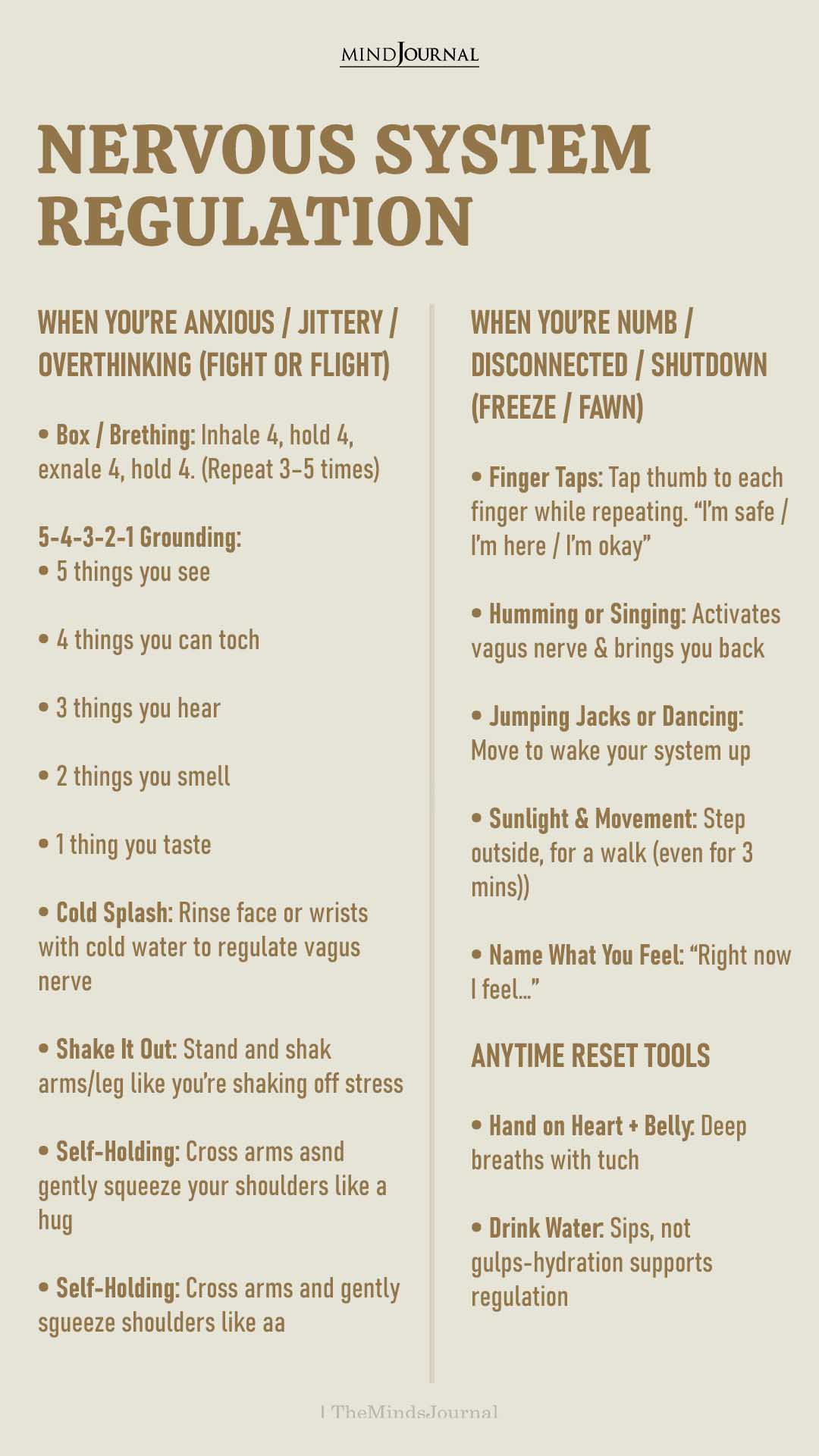
Nervous System Regulation: Simple Tools to Calm Anxiety and Reconnect With Your Body

Nervous System Regulation: Simple Tools to Calm Anxiety and Reconnect With Your Body

Nervous system regulation matters most when you feel anxious, numb, or stuck in overthinking. These simple grounding tools and breath practices help calm fight-or-flight and gently wake you from shutdown.

Readers Blog

Caption This Image and Selected Wisepicks – 17 May 2026

Caption This Image and Selected Wisepicks – 17 May 2026

Ready to unleash your inner wordsmith? ✨??☺️ Now’s your chance to show off your wit, charm, or sheer genius in just one line! Whether it’s laugh-out-loud funny or surprisingly deep, we want to hear it.Submit your funniest, wittiest, or most thought-provoking caption in the comments. We’ll pick 15+ winners to be featured on our website…

Latest Articles

Woman looking down in the mirror with sadness

Depression is common, serious, and deeply personal. Around 280 million people live with depression worldwide. That is about 5% of adults. It is also reported more often among women than men. In the United States, 21 million adults had a major depressive episode in 2021. That was 8.3% of all U.S. adults. Among adults aged 18 to 25, the number was much higher, at 18.6%. But numbers only tell part of the story. Depression can affect sleep, energy, appetite, focus, and relationships. It manifests in subtle signs that are easily masked, and can also change how you see yourself. Depression recovery can feel confusing because healing rarely moves in one clear direction. Some days feel easier. Other days feel heavy again. And still, uneven progress can be real progress.

Why healing can feel slow and confusing

Progress is not always loud. Sometimes, it is quiet. You may:

  • eat breakfast more often
  • answer one message
  • shower earlier than usual
  • cry less often

When you feel disconnected from your emotions, these changes can look small. However, when you are finding a way out of depression-induced numbness, they matter.

Depression can affect:

  • sleep
  • appetite
  • energy
  • concentration
  • self-worth

A major depressive episode usually means at least two weeks of low mood or loss of interest, along with other symptoms. So, it makes sense that recovery also affects many areas.

And what about brain fog? It can feel scary. You may think, “Am I slipping back?” Not always. Focus problems do not predict relapse in a simple way. So, one symptom should not define your whole progress. Look at patterns. Not one hard day.

What recovery really means beyond feeling better

Feeling better matters. Of course it does. But recovery is not only about fewer symptoms. It can also mean coping better, asking for help sooner, or functioning more steadily.

Recent research from Japan looked at 53 psychiatric inpatients with mood disorders. The study was connected to Kurume University School of Medicine in Fukuoka. Patients were assessed when they entered treatment and again when they left. Researchers looked at depressive symptoms, resilience, self-compassion, and loneliness.

More than 90% improved in depressive symptoms. However, only about 70% improved in resilience. That detail matters. Why? Because someone may feel less low, yet still feel fragile. They may smile more, but still feel lonely. They may function better, but still doubt themselves.

So, recovery is not one thing. It includes:

  • mood
  • connection
  • confidence
  • daily stability
Woman reflecting by the window during depression recovery

When setbacks feel like backsliding

A setback can feel brutal. It can make you think, “I am back where I started.” But are you really? Usually, no.

A hard week can happen when life asks more from you than you can give. Sometimes, it follows emotional strain. Sometimes, it comes after poor sleep, conflict, loss, or too many responsibilities at once.

Even positive steps can feel heavy at first. Returning to work, school, family life, or social plans can bring pressure too. That does not mean your progress disappeared. It means your mind and body may need a slower pace.

There are also different terms for different experiences.

  • Response means symptoms improve.
  • Remission means symptoms become minimal or absent.
  • Recovery means remission stays stable for longer.
  • Relapse means symptoms return before recovery feels stable.
  • Recurrence means a new episode happens later.

Still, you do not need perfect terms to take yourself seriously. Watch for patterns. Losing interest, sleeping much more, feeling hopeless, social isolation, or struggling with basic tasks deserve attention.

Why feeling better can feel scary

This is one thing many people do not expect. Feeling better can feel strange. Sometimes, even frightening.

You may worry that the good days will disappear or feel guilty for improving. You may also wonder why joy still feels distant, even when sadness feels lighter. That part matters. Healing is not only about reducing symptoms. It’s also about rebuilding emotional well-being.

Anhedonia, or reduced ability to feel joy, affects nearly 90% of people with major depression. So, you may function again and still struggle to feel pleasure.

That does not mean you are doing recovery wrong. Start small. Keep one routine. Meet one safe person. Rest without guilt. Slow still, counts.

What helps when treatment needs time

Treatment can take time. That can feel frustrating, especially when you want relief now. Understandable.

Care may include small self-care rituals, talking therapies, medication, or a mix of support. The right plan often depends on how severe the symptoms are and how long they have lasted. For mild depression, guided self-help, exercise, and talking therapies may help. Guided self-help often includes six to eight sessions.

For many people, therapy is more structured than they expect.

  • Cognitive behavioral therapy often lasts around eight to sixteen sessions.
  • Interpersonal therapy may also last eight to sixteen sessions.
  • Behavioral activation may involve twelve to sixteen sessions.

For moderate or severe depression, therapy and antidepressants may work better together than either option alone.

So, needing changes does not mean treatment failed. It may mean the plan needs review, time, or extra support.

Small daily signs that still count

Small actions can feel almost pointless during depression. But they are not pointless. They are signals. They show your system is trying.

Behavioral activation focuses on the link between activity and mood. It can help when depression leads to withdrawal. This does not mean forcing yourself into huge changes. It means noticing what is possible today.

  • Drink water.
  • Eat one real meal.
  • Take prescribed medicine as directed.
  • Step outside for five minutes.
  • Write one honest sentence.
  • Keep one appointment.
  • Text one safe person.

Simple? Yes. Easy? Not always. You can also track patterns of your behavior. Notice:

  • sleep
  • meals
  • movement
  • social contact
  • screen time

These markers may help notice changes, but they cannot replace proper care. Tracking should support you, not judge you.

Two women holding hands during emotional support

Support matters more than silent strength

Depression often pushes people inward. It can make silence feel safer. Shame can whisper that you are a burden. But support is not weakness. It is part of healing.

Depression can be shaped by social, psychological, and biological factors. Stress, unemployment, bereavement, and trauma can increase risk. Then depression can create more stress. It can affect work, relationships, routines, and confidence. So, trying to handle everything alone can become exhausting.

Support does not need to be dramatic. Someone can bring food. Someone can send a check-in message, or sit quietly nearby and help with appointments. Loved ones can help by listening without judgment. They can avoid forced positivity and offer specific help instead of vague advice. And if someone feels unsafe, immediate support matters. Crisis lines and emergency services exist for that reason.

You are allowed to heal at your own pace

Healing from depression is not a simple, steady path. It can include better sleep than poor focus. Or hope, then fear. It can include fewer symptoms, while loneliness takes longer to lift. That does not mean you are failing. It means healing has several parts. Depression recovery is not about proving strength every day. It is about noticing small signs and staying connected to care. It is also about understanding setbacks with more kindness. Progress may be quiet and uneven. It may arrive in small daily actions before it feels obvious. So, let progress be measured in honest steps. A steadier life can still grow slowly.
Published On:

Last updated on:

Linda Greyman

Leave a Comment

    Leave a Comment