10 Mantras for Managing Emotionally Challenging Situations

Author : Susan Heitler Ph.D.

Managing emotionally challenging situations can be hard, no doubt. Draining and heartbreaking even. But dealing with tough and emotionally challenging situations IS possible, as long as you know how to go about it in the right way. These principles can help you stay sane in difficult circumstances.


From time to time, everyone faces challenging situations that evoke negative emotions. One such situation with which I often work in my clinical psychology practice is parental alienation, that is, the phenomenon of one parent attempting to turn the children against the other parent. The examples in this article are from folks facing that particular challenge.

Other upsetting situations that people face might be a failing business, difficult work colleagues, financial problems, marital hostilities, friendship disappointments, parenting problems, painful illness—the list goes on and on.


Related: Parental Alienation Syndrome: What Is It, And Who Does It?

The 10 Mantras for Managing Emotionally Difficult Situations

I write elsewhere about self-help techniques to deal with feeling down (depression), worried (anxiety), mad (anger), and addictive habits. By contrast, the 10 mantras below offer guidelines for staying effective vis-a-vis a broad range of tough emotions from feelings of stress to feeling upset to feeling desperate.

Note again that while the specific examples I use to illustrate each mantra reference parental alienation, the mantras can be applied to any challenge where someone, a group, or the fates seem to be against you.


1. Think of yourself as a hero, not a victim. 

“How could s/he do this to me?” is victim thinking. It’s not necessarily about you; sometimes it’s about the pathology of the other. Instead of taking the problem personally, try focusing on the other. “S/he’s profoundly selfish. Poisonous. He’s chronically resentful, selfish, mean, etc. I’m the hero here, dedicated to solving the problem.”

2. Put the oxygen mask on yourself first. 

Listen to the stewardesses. Their airplane principle applies here as well. Take care of your personal emotional well-being. You need to be emotionally strong and healthy to be able to stand up effectively for your child.

3. Mistakes are for learning, not for berating yourself. 

Beating yourself up is unnecessary and demoralizing: “I should have, why didn’t I, I’m a (negative label).” Instead, assume that everyone makes mistakes. Look for what each mistake can teach you. Mistakes are for learning.

Related: How To Overcome Difficult Situations In Life: 5 Simple Steps

4. Keep your focus on your strengths. 

If you tend to have trouble liking yourself, ask a friend or family member to help you identify your strengths. Everyone has weaknesses.

Fine, figure out what you can do differently about these. At the same time, feel good about yourself like an athlete before a game in order to get out there and win.
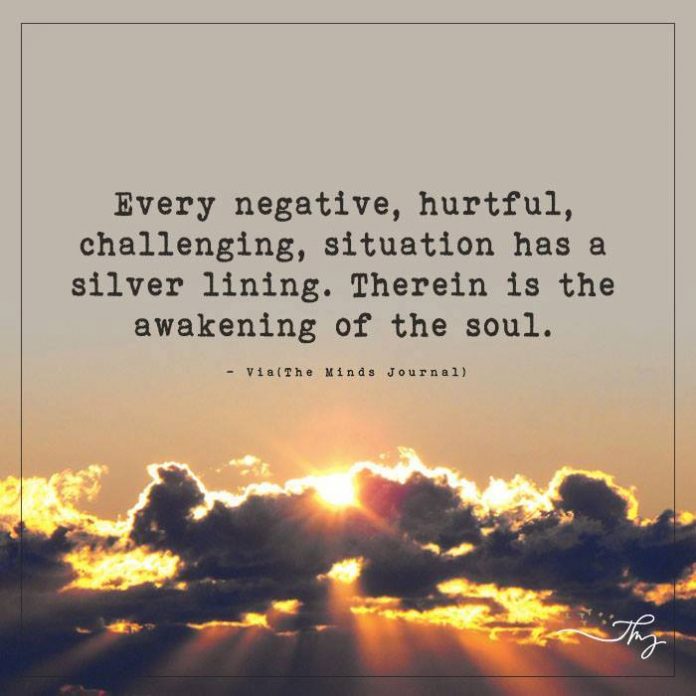


managing emotionally challenging situations

5. For everything, there is a time. 

Passivity generally makes problems worse. “Wait and see” can be dangerous. At the same time, pick your battles.

With parental alienation, for instance, sometimes it’s best to do what you can with whatever small amount of time you are getting with your children rather than to bankrupt yourself with another court battle which you may again lose.

6. Build your team. 

Brian Ludmer makes this point. Talk to your friends and family and enlist their help. In cases of alienation, your ex will attempt to turn the collateral people in your world against you—extended family members, teachers, doctors, therapists, coaches, etc. Invest time and energy in educating them.

Explain alienation, giving them articles to read, so that it’s not just he says/she says.

Related: 10 Healthy Ways To Get Through Difficult Times (Insights From Stoic Philosophy)

7. When necessary, declare victory and move on. 

If necessary, declare your successes, e.g., “I put up an excellent fight through the court system. I feel good that I gave it my all.” Then grieve, salvage what you can.

E..g. in an alienation case, gather your photos together and write up a journal of all you remember from when you did have a loving relationship with your children, and move on. All you can do is what you can do.


8. Knowledge is power. 

The number of books and articles on psychological challenges, including alienation, has been exploding. Search the internet. For dealing with parental alienation, for instance, there are links to essential resources here.

9. Make your problem your mission. 

Pursuing a mission makes for a meaningful life. Join groups of folks who face similar challenges. In the case of alienation, help to spread the word about this surprisingly common yet little-known phenomenon. Convince your legislature to pass laws making alienation child abuse and maybe even criminal.

10. Enjoy being alive. 

Suffering seldom helps the problem. If anything, suffering makes mobilizing to fight your battles, whatever they might be, more difficult. An alienated parent’s suffering does not help the alienated child(ren).

Allow yourself instead to live the other parts. Enjoy your work, nurture your loving relationships, engage in activities that energize you. Positive energy leads to positive solutions—or at least increases the odds you will find your way to positive outcomes.

Related: Narcissism in Parental Alienation: Clarifying Examples


Next steps

In my book Prescriptions Without Pills, I offer coping strategies specific to depression, anger, and anxiety, plus further ideas for maintaining well-being. I’ve also posted free videos and handouts on combatting negative emotions here and here.

The bottom line is that life is too short to spend it suffering. Better to find your way back to sunshine.


Written By Susan Heitler
Originally Appeared On Psychology Today
Mantras Managing Emotionally Challenging Situations pin


Published On:

Last updated on:

Susan Heitler Ph.D.

Susan Heitler is a Denver clinical psychologist and widely-read author. Educated at Harvard and NYU, Susan Heitler offers self-help information for individuals and for couples. She also writes for therapists, offering new understandings and treatments for anxiety, anger, depression, narcissism, and relationship challenges. Dr. Heitler’s office also serves as a center for the evaluation and treatment of parental alienation. She and her husband of more than 45 years are proud parents of four happily married adult children and grateful grandparents of fifteen grandchildren.

Disclaimer: The informational content on The Minds Journal have been created and reviewed by qualified mental health professionals. They are intended solely for educational and self-awareness purposes and should not be used as a substitute for professional medical advice, diagnosis, or treatment. If you are experiencing emotional distress or have concerns about your mental health, please seek help from a licensed mental health professional or healthcare provider.

Leave a Comment

Today's Horoscope

Weekly Horoscope PART one

Weekly Horoscope 15 March to 21 March 2026

Read your zodiac sign’s prediction to understand the energy surrounding you and how to make the most of the days ahead!

Latest Quizzes

Interesting Finger Personality Test: 4 Finger Lines

Finger Personality Test: Join Your Fingers And Reveal A Hidden Personality Secret!

Look closely at your finger lines. Which pattern do you see? This personality test might surprise you!

Latest Quotes

How Men Show Love Through Actions (Male Psychology in Relationships)

How Men Show Love Through Actions (Male Psychology in Relationships)

Male psychology in relationships shows that men express love through presence, protection, and peace more than poetry. Decode his actions so you can see how deeply he actually cares.

Readers Blog

Caption This Image and Selected Wisepicks – 15 March 2026

Caption This Image and Selected Wisepicks – 15 March 2026

Ready to unleash your inner wordsmith? ✨??☺️ Now’s your chance to show off your wit, charm, or sheer genius in just one line! Whether it’s laugh-out-loud funny or surprisingly deep, we want to hear it.Submit your funniest, wittiest, or most thought-provoking caption in the comments. We’ll pick 15+ winners to be featured on our website…

Latest Articles

Managing emotionally challenging situations can be hard, no doubt. Draining and heartbreaking even. But dealing with tough and emotionally challenging situations IS possible, as long as you know how to go about it in the right way. These principles can help you stay sane in difficult circumstances.


From time to time, everyone faces challenging situations that evoke negative emotions. One such situation with which I often work in my clinical psychology practice is parental alienation, that is, the phenomenon of one parent attempting to turn the children against the other parent. The examples in this article are from folks facing that particular challenge.

Other upsetting situations that people face might be a failing business, difficult work colleagues, financial problems, marital hostilities, friendship disappointments, parenting problems, painful illness—the list goes on and on.


Related: Parental Alienation Syndrome: What Is It, And Who Does It?

The 10 Mantras for Managing Emotionally Difficult Situations

I write elsewhere about self-help techniques to deal with feeling down (depression), worried (anxiety), mad (anger), and addictive habits. By contrast, the 10 mantras below offer guidelines for staying effective vis-a-vis a broad range of tough emotions from feelings of stress to feeling upset to feeling desperate.

Note again that while the specific examples I use to illustrate each mantra reference parental alienation, the mantras can be applied to any challenge where someone, a group, or the fates seem to be against you.


1. Think of yourself as a hero, not a victim. 

“How could s/he do this to me?” is victim thinking. It’s not necessarily about you; sometimes it’s about the pathology of the other. Instead of taking the problem personally, try focusing on the other. “S/he’s profoundly selfish. Poisonous. He’s chronically resentful, selfish, mean, etc. I’m the hero here, dedicated to solving the problem.”

2. Put the oxygen mask on yourself first. 

Listen to the stewardesses. Their airplane principle applies here as well. Take care of your personal emotional well-being. You need to be emotionally strong and healthy to be able to stand up effectively for your child.

3. Mistakes are for learning, not for berating yourself. 

Beating yourself up is unnecessary and demoralizing: “I should have, why didn’t I, I’m a (negative label).” Instead, assume that everyone makes mistakes. Look for what each mistake can teach you. Mistakes are for learning.

Related: How To Overcome Difficult Situations In Life: 5 Simple Steps

4. Keep your focus on your strengths. 

If you tend to have trouble liking yourself, ask a friend or family member to help you identify your strengths. Everyone has weaknesses.

Fine, figure out what you can do differently about these. At the same time, feel good about yourself like an athlete before a game in order to get out there and win.


managing emotionally challenging situations

5. For everything, there is a time. 

Passivity generally makes problems worse. “Wait and see” can be dangerous. At the same time, pick your battles.

With parental alienation, for instance, sometimes it’s best to do what you can with whatever small amount of time you are getting with your children rather than to bankrupt yourself with another court battle which you may again lose.

6. Build your team. 

Brian Ludmer makes this point. Talk to your friends and family and enlist their help. In cases of alienation, your ex will attempt to turn the collateral people in your world against you—extended family members, teachers, doctors, therapists, coaches, etc. Invest time and energy in educating them.

Explain alienation, giving them articles to read, so that it’s not just he says/she says.

Related: 10 Healthy Ways To Get Through Difficult Times (Insights From Stoic Philosophy)

7. When necessary, declare victory and move on. 

If necessary, declare your successes, e.g., “I put up an excellent fight through the court system. I feel good that I gave it my all.” Then grieve, salvage what you can.

E..g. in an alienation case, gather your photos together and write up a journal of all you remember from when you did have a loving relationship with your children, and move on. All you can do is what you can do.


8. Knowledge is power. 

The number of books and articles on psychological challenges, including alienation, has been exploding. Search the internet. For dealing with parental alienation, for instance, there are links to essential resources here.

9. Make your problem your mission. 

Pursuing a mission makes for a meaningful life. Join groups of folks who face similar challenges. In the case of alienation, help to spread the word about this surprisingly common yet little-known phenomenon. Convince your legislature to pass laws making alienation child abuse and maybe even criminal.

10. Enjoy being alive. 

Suffering seldom helps the problem. If anything, suffering makes mobilizing to fight your battles, whatever they might be, more difficult. An alienated parent’s suffering does not help the alienated child(ren).

Allow yourself instead to live the other parts. Enjoy your work, nurture your loving relationships, engage in activities that energize you. Positive energy leads to positive solutions—or at least increases the odds you will find your way to positive outcomes.

Related: Narcissism in Parental Alienation: Clarifying Examples


Next steps

In my book Prescriptions Without Pills, I offer coping strategies specific to depression, anger, and anxiety, plus further ideas for maintaining well-being. I’ve also posted free videos and handouts on combatting negative emotions here and here.

The bottom line is that life is too short to spend it suffering. Better to find your way back to sunshine.


Written By Susan Heitler
Originally Appeared On Psychology Today
Mantras Managing Emotionally Challenging Situations pin


Published On:

Last updated on:

Susan Heitler Ph.D.

Susan Heitler is a Denver clinical psychologist and widely-read author. Educated at Harvard and NYU, Susan Heitler offers self-help information for individuals and for couples. She also writes for therapists, offering new understandings and treatments for anxiety, anger, depression, narcissism, and relationship challenges. Dr. Heitler’s office also serves as a center for the evaluation and treatment of parental alienation. She and her husband of more than 45 years are proud parents of four happily married adult children and grateful grandparents of fifteen grandchildren.

Leave a Comment

    Leave a Comment