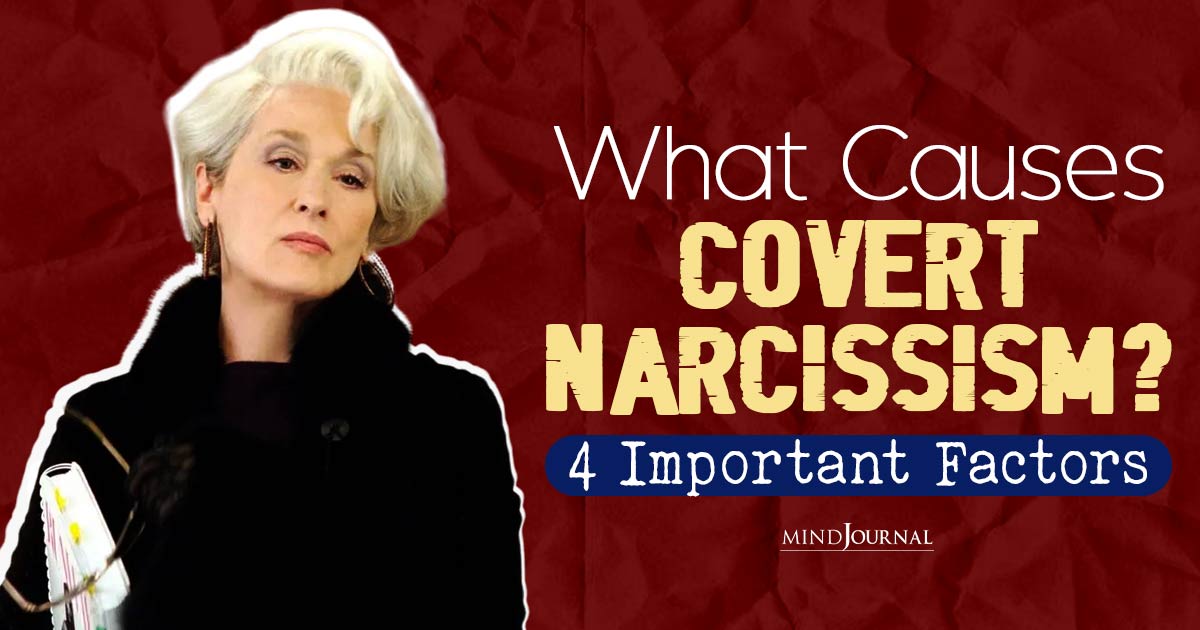
Exploring The Roots Of Toxicity: What Causes Covert Narcissism?

Author : Daisy Simon

Are you curious about what causes covert narcissism? What exactly lies within this personality trait characterized by hidden self-centeredness? Letโ€™s explore this below!

It often develops due to a combination of childhood experiences and a deep need for validation that can manifest in subtle, manipulative ways.

Narcissism is a personality trait that exists on a spectrum, with both overt and covert manifestations. While overt narcissists display their grandiosity and seek constant admiration, covert narcissists operate in a more subtle, hidden manner.

This article explores the origins of what causes covert narcissism, shedding light on the factors that contribute to its development. To make these concepts relatable, weโ€™ll draw parallels from popular examples to help illustrate the underlying dynamics.

Read more here: Covert Vs Grandiose Narcissist Archetypes: The Yin And Yang Of Narcissism

What Causes Covert Narcissism?

I. Childhood Influences

1. Parental Overindulgence

What causes covert narcissism can often be linked to early childhood experiences. Excessive pampering by parents, where constant praise and affirmation are provided, may inadvertently cultivate a sense of entitlement.

An example of this can be seen in the character of Veruca Salt from Roald Dahlโ€™s โ€œCharlie and the Chocolate Factory.โ€ Verucaโ€™s parents indulge her every whim, creating a spoiled and narcissistic child who believes she is entitled to anything she desires.

Read Unmasking Deception: 7 Manipulative Phrases And How To Shut Them Down Like A Pro

2. Parental Neglect or Over-Criticism

On the flip side, one of the causes of covert narcissism is when children raised by emotionally neglectful or overly critical parents can also develop covert narcissistic tendencies.

When children do not receive the emotional support and validation they need, they may develop a deep-seated need for external affirmation. An example can be found in Emily Gilmoreโ€™s character from the TV series โ€œGilmore Girls.โ€

what causes covert narcissism

Emilyโ€™s strict and critical parenting style pushes her daughter Lorelai to seek validation in her adult life, contributing to a strained mother-daughter relationship.

Read more here: 8 Horrible Ways A Covert Narcissist Mother Affects Her Children

II. Low Self-Esteem

What causes covert narcissism is often a complex interplay of factors, with one prominent element being the paradoxical combination of grandiosity and insecurity that covert narcissists often exhibit. This intricate blend of traits frequently traces its origins back to various experiences during childhood and adolescence.

1. Childhood Bullying

Experiences of childhood bullying can be one of the causes of covert narcissism. It can leave lasting scars on an individualโ€™s self-esteem. In the Harry Potter series, Severus Snape is portrayed as a character who experiences bullying and humiliation as a child.

These traumatic experiences shape his personality, leading to a complex mix of grandiosity and insecurity as an adult.

2. Unrealistic Expectations

Growing up with unrealistic expectations, whether due to overly ambitious parents or societal pressures, can also contribute to the development of covert narcissism.

what causes covert narcissism

A well-known example from popular culture is the character of Miranda Priestly in โ€œThe Devil Wears Prada.โ€ Her high standards and perfectionism drive her employees to extreme measures, reflecting her own unrealistic expectations.

III. The Role of Social Media

In the digital age, social media plays a significant role in shaping personality traits, including narcissism.

The constant need for validation and the curated self-image presented on platforms like Instagram and Facebook can exacerbate covert narcissistic tendencies.

1. The Instagram Effect

Social media platforms like Instagram have been of the causes of covert narcissism, where individuals seek external validation through likes and comments on their posts

 The character of Regina George in the movie โ€œMean Girlsโ€ exemplifies this obsession with image and popularity, as she manipulates her social standing to maintain her reign as the โ€œqueen beeโ€ of her high school.

2. The Cult of the Self

The prevalence of selfies and self-promotion on social media can contribute to the reinforcement of narcissistic traits. Characters like Barney Stinson from the TV series โ€œHow I Met Your Motherโ€ embody this culture of self-centeredness and obsession with image, constantly seeking attention and admiration.

IV. Coping Mechanisms

Covert narcissism can also develop as a coping mechanism in response to adverse life events or trauma.

1. Inadequate Coping

Some individuals may develop covert narcissistic traits as a way to cope with feelings of powerlessness or victimization.
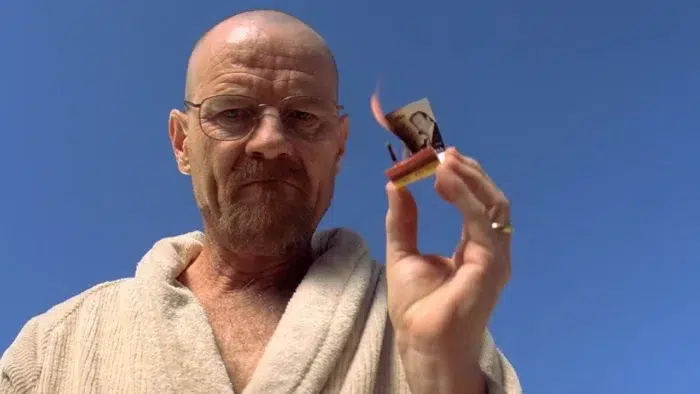
The character of Walter White in the TV series โ€œBreaking Badโ€ undergoes a transformation from a mild-mannered chemistry teacher to a ruthless drug lord, using his newfound power to compensate for past failures and insecurities.

2. Defense Mechanisms

Defense mechanisms like projection, where individuals attribute their own undesirable traits to others, can play a role in covert narcissism.

In the movie โ€œAmerican Psycho,โ€ the character Patrick Bateman projects his own inner darkness onto those around him, masking his narcissistic tendencies behind a veneer of charm and normalcy.

Read more here: 11 Crazy-Making Behaviors Of A Covert Narcissist

So, these were some of the key factors to explain what causes covert narcissism in a person. It is a complex personality trait with origins that can be traced back to various childhood experiences.

Recognizing these traits is the first step toward addressing and understanding the complexities of covert narcissism and its impact on individuals and society as a whole.

Share your thoughts in the comments below!


Published On:

Last updated on:

Daisy Simon

Iโ€™m Daisy Simon, member of the Editorial Team at Minds Journal, who loves exploring the cultural zeitgeist through cinema, and pop culture. I hold a degree in Sociology and I write on topics like lifestyle, relationships, feminism, mental health, and how they all connect to the world we live in today. My goal is to spark honest conversations that people can relate to and help us better understand the challenges and ideas shaping our generation.

Disclaimer: The informational content on The Minds Journal have been created and reviewed by qualified mental health professionals. They are intended solely for educational and self-awareness purposes and should not be used as a substitute for professional medical advice, diagnosis, or treatment. If you are experiencing emotional distress or have concerns about your mental health, please seek help from a licensed mental health professional or healthcare provider.

Leave a Comment

Today's Horoscope

Free Daily Horoscope 26 March For 12 Zodiac Signs

Daily Horoscope 26 March, 2026: Prediction For Each Zodiac Sign

Today is less about dramatic changes and more about small emotional shifts that can create long-term impact. Check your free horoscope for more insights!

Latest Quizzes

Image Personality Test: Which Woman Reveals Your True Self?

Which Woman Are You? A Personality Test That Reveals Your True Inner Nature

This personality test reveals your true self based on the woman you choose. Simple, fun, and surprisingly accurate!

Latest Quotes

Manipulative Tactics in Relationships: Gaslighting, Love Bombing, and Emotional Control

Manipulative Tactics in Relationships: Gaslighting, Love Bombing, and Emotional Control

Manipulative tactics in relationships often start subtlyโ€”gaslighting, love bombing, guilt trips, or mixed signals. Once you recognize these emotional manipulation patterns, you can protect your mental health and step away from toxic dynamics.

Readers Blog

Caption This Image and Selected Wisepicks โ€“ 22 March 2026

Caption This Image and Selected Wisepicks โ€“ 22 March 2026

Ready to unleash your inner wordsmith? โœจ??โ˜บ๏ธ Nowโ€™s your chance to show off your wit, charm, or sheer genius in just one line! Whether itโ€™s laugh-out-loud funny or surprisingly deep, we want to hear it.Submit your funniest, wittiest, or most thought-provoking caption in the comments. Weโ€™ll pick 15+ winners to be featured on our website…

Latest Articles

Are you curious about what causes covert narcissism? What exactly lies within this personality trait characterized by hidden self-centeredness? Letโ€™s explore this below!

It often develops due to a combination of childhood experiences and a deep need for validation that can manifest in subtle, manipulative ways.

Narcissism is a personality trait that exists on a spectrum, with both overt and covert manifestations. While overt narcissists display their grandiosity and seek constant admiration, covert narcissists operate in a more subtle, hidden manner.

This article explores the origins of what causes covert narcissism, shedding light on the factors that contribute to its development. To make these concepts relatable, weโ€™ll draw parallels from popular examples to help illustrate the underlying dynamics.

Read more here: Covert Vs Grandiose Narcissist Archetypes: The Yin And Yang Of Narcissism

What Causes Covert Narcissism?

I. Childhood Influences

1. Parental Overindulgence

What causes covert narcissism can often be linked to early childhood experiences. Excessive pampering by parents, where constant praise and affirmation are provided, may inadvertently cultivate a sense of entitlement.

An example of this can be seen in the character of Veruca Salt from Roald Dahlโ€™s โ€œCharlie and the Chocolate Factory.โ€ Verucaโ€™s parents indulge her every whim, creating a spoiled and narcissistic child who believes she is entitled to anything she desires.

Read Unmasking Deception: 7 Manipulative Phrases And How To Shut Them Down Like A Pro

2. Parental Neglect or Over-Criticism

On the flip side, one of the causes of covert narcissism is when children raised by emotionally neglectful or overly critical parents can also develop covert narcissistic tendencies.

When children do not receive the emotional support and validation they need, they may develop a deep-seated need for external affirmation. An example can be found in Emily Gilmoreโ€™s character from the TV series โ€œGilmore Girls.โ€

what causes covert narcissism

Emilyโ€™s strict and critical parenting style pushes her daughter Lorelai to seek validation in her adult life, contributing to a strained mother-daughter relationship.

Read more here: 8 Horrible Ways A Covert Narcissist Mother Affects Her Children

II. Low Self-Esteem

What causes covert narcissism is often a complex interplay of factors, with one prominent element being the paradoxical combination of grandiosity and insecurity that covert narcissists often exhibit. This intricate blend of traits frequently traces its origins back to various experiences during childhood and adolescence.

1. Childhood Bullying

Experiences of childhood bullying can be one of the causes of covert narcissism. It can leave lasting scars on an individualโ€™s self-esteem. In the Harry Potter series, Severus Snape is portrayed as a character who experiences bullying and humiliation as a child.

These traumatic experiences shape his personality, leading to a complex mix of grandiosity and insecurity as an adult.

2. Unrealistic Expectations

Growing up with unrealistic expectations, whether due to overly ambitious parents or societal pressures, can also contribute to the development of covert narcissism.

what causes covert narcissism

A well-known example from popular culture is the character of Miranda Priestly in โ€œThe Devil Wears Prada.โ€ Her high standards and perfectionism drive her employees to extreme measures, reflecting her own unrealistic expectations.

III. The Role of Social Media

In the digital age, social media plays a significant role in shaping personality traits, including narcissism.

The constant need for validation and the curated self-image presented on platforms like Instagram and Facebook can exacerbate covert narcissistic tendencies.

1. The Instagram Effect

Social media platforms like Instagram have been of the causes of covert narcissism, where individuals seek external validation through likes and comments on their posts

 The character of Regina George in the movie โ€œMean Girlsโ€ exemplifies this obsession with image and popularity, as she manipulates her social standing to maintain her reign as the โ€œqueen beeโ€ of her high school.

2. The Cult of the Self

The prevalence of selfies and self-promotion on social media can contribute to the reinforcement of narcissistic traits. Characters like Barney Stinson from the TV series โ€œHow I Met Your Motherโ€ embody this culture of self-centeredness and obsession with image, constantly seeking attention and admiration.

IV. Coping Mechanisms

Covert narcissism can also develop as a coping mechanism in response to adverse life events or trauma.

1. Inadequate Coping

Some individuals may develop covert narcissistic traits as a way to cope with feelings of powerlessness or victimization.

The character of Walter White in the TV series โ€œBreaking Badโ€ undergoes a transformation from a mild-mannered chemistry teacher to a ruthless drug lord, using his newfound power to compensate for past failures and insecurities.

2. Defense Mechanisms

Defense mechanisms like projection, where individuals attribute their own undesirable traits to others, can play a role in covert narcissism.

In the movie โ€œAmerican Psycho,โ€ the character Patrick Bateman projects his own inner darkness onto those around him, masking his narcissistic tendencies behind a veneer of charm and normalcy.

Read more here: 11 Crazy-Making Behaviors Of A Covert Narcissist

So, these were some of the key factors to explain what causes covert narcissism in a person. It is a complex personality trait with origins that can be traced back to various childhood experiences.

Recognizing these traits is the first step toward addressing and understanding the complexities of covert narcissism and its impact on individuals and society as a whole.

Share your thoughts in the comments below!


Published On:

Last updated on:

Daisy Simon

Iโ€™m Daisy Simon, member of the Editorial Team at Minds Journal, who loves exploring the cultural zeitgeist through cinema, and pop culture. I hold a degree in Sociology and I write on topics like lifestyle, relationships, feminism, mental health, and how they all connect to the world we live in today. My goal is to spark honest conversations that people can relate to and help us better understand the challenges and ideas shaping our generation.

Leave a Comment

    Leave a Comment