11 Things Only People Raised With A Strict Parenting Style Understand

Author : Alexandra Hall

Strict Parenting Style: 11 Signs You Grew Up In A Strict Home

A strict parenting style leaves a deeper mark on a person than many people realize. If you are someone who grew up with strict parents, chances are some of your everyday habits were quietly shaped by that experience. Even if you don’t realize it.

The effects of strict parenting donโ€™t just disappear once you become an adult. They show up in subtle ways, like how you handle mistakes, how you respond to authority, even how comfortable you feel expressing emotions.

While gentle parenting is often talked about today as a more compassionate approach when it comes to raising children, many people were raised very differently.

And when we look back, we realize that those childhood experiences can explain a lot about certain habits and behaviors we carry into adulthood.

Related: Ostrich Parenting Style: 5 Signs Your Emotions Are On Mute

Types Of Parenting Styles

1. Authoritarian Parenting

This is the strict parenting style most people immediately picture. The rules are clear, the expectations are firm, and questioning your parents usually isnโ€™t encouraged. Discipline tends to come first, and conversations about feelings or negotiation donโ€™t always have much space.

Many people who grew up in this kind of household remember hearing things like, โ€œBecause I said so.โ€ Structure and order matter a lot here, but emotional discussions sometimes take a backseat to obedience.

2. Authoritative Parenting

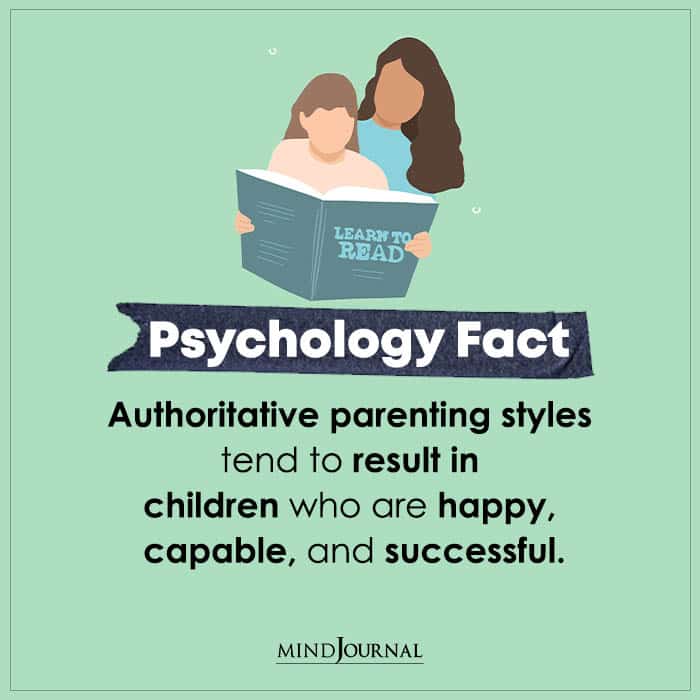
Think of this as the “goldilocks” of parenting. Itโ€™s the perfect middle ground where you have clear rules, but you are also a total safe space for your kids. Instead of “because I said so,” you actually talk things through. Itโ€™s about setting boundaries with a lot of heart, raising kids who feel both grounded and heard.

Itโ€™s less about control and more about coaching. You are building a relationship based on mutual respect rather than just blind obedience.
Strict parenting style

3. Permissive Parenting

Permissive parenting is high on love but low on discipline. While these kids grow up in a warm, “best friend” environment, they often miss out on the friction needed to build grit.

Without consistent boundaries at home, adult life, with its rigid rules and demands, can feel like a massive, overwhelming shock to the system. Itโ€™s hard to learn self-control when you have never been told “no.” Ultimately, kids need a compass just as much as they need a cheerleader.

4. Uninvolved Parenting

Uninvolved parents generally provide the basics – food and a roof – but stay emotionally distant. Thereโ€™s very little guidance or real connection, leaving kids to navigate lifeโ€™s big questions entirely on their own.

While this often forces an early, “sink-or-swim” independence, it can leave a child feeling deeply untethered and unsure of where they truly belong.

5. Gentle Parenting

Gentle parenting swaps traditional “do as I say” authority for empathy and deep communication. Instead of reflexive punishment, parents help kids unpack the why behind their big feelings.

The goal isn’t just mindless obedience; itโ€™s about setting firm boundaries that prioritize emotional intelligence and long-term self-control over the short-term fear of getting in trouble.

11 Habits You Probably Have Because Of A Strict Parenting Style

1. They apologize even when they didn’t do anything wrong.

People growing up with strict parents often learned that keeping the peace mattered more than being right. So they developed the habit of apologizing quickly, even when the situation isnโ€™t their fault.

Itโ€™s almost automatic. For example, someone raises their voice? They say sorry. A small misunderstanding happens? They say sorry again.

The effects of strict parenting can create a deep instinct to avoid conflict at all costs. As kids, apologizing might have helped diffuse tension at home. As adults, that reflex often sticks around long after the situation that created it is gone.

2. They overthink every decision.

People raised in a rigid environment often second-guess themselves constantly. Why do they do that? Because mistakes once had bigger consequences. Even small choices might have been heavily criticized, which slowly trains the brain to analyze every possibility before acting.

For example:

  • Choosing the โ€œwrongโ€ hobby might have been discouraged.
  • Speaking up could have been interpreted as disrespect.
  • Small rule-breaking might have resulted in serious punishment.

Even years later, making simple decisions can still feel oddly stressful.

Strict parenting style

3. They feel uncomfortable breaking rules.

Growing up with strict parents often wires your internal alarm to equate “rules” with “safety.” Even as an adult, small things like calling in sick or ignoring a work text can trigger a strange, nagging guilt.

While others bend rules without a second thought, you are stuck bracing for a consequence that isnโ€™t coming. Itโ€™s a survival instinct from an environment where rules weren’t negotiable and mistakes felt heavy.

That “good kid” anxiety sticks around, making it hard to realize that the world won’t actually end if you occasionally color outside the lines.

Related: The 4 Common Parenting Styles and Their Effects on Kids

4. They are extremely responsible.

One interesting outcome of growing up with strict parents is that many people become incredibly dependable adults. For example, they show up on time, they finish tasks early, and they rarely forget commitments.

While this quality is indeed a positive one, it often develops because responsibility was heavily emphasized during childhood.

Unlike authoritative parenting examples, where kids may learn responsibility through explanation and encouragement, strict environments sometimes teach it through fear of consequences.

5. They struggle to express their feelings.

In many homes where discipline mattered more than emotional conversations and support, feelings werenโ€™t something people talked about openly. Because of that, many children simply learned to keep their emotions to themselves.

Over time, this habit can follow them into adulthood. They may find it difficult to say things like โ€œI am hurt,โ€ or “I am scared,” talk openly about vulnerability, or ask others for emotional support.

For someone raised in that kind of environment, opening up emotionally can feel unfamiliar, awkward, or even a little uncomfortable.

6. They constantly seek approval.

If validation was rare during childhood, many people grow up quietly looking for it in other places. It can show up in relationships with bosses, friends, or partners – anyone whose approval feels important.

People raised under a strict parenting style sometimes develop a strong need for reassurance that they are doing things the โ€œrightโ€ way.

Praise can end up meaning a lot more to them, simply because it wasnโ€™t something they heard very often while growing up. Even small words of approval can feel deeply reassuring.

7. They become hyper-independent.

When you are raised in a strict household it forces you to become hyper-independent long before you are ready. When asking for help is met with criticism or ignored entirely, you quickly learn that the only person you can truly count on is yourself. Itโ€™s a survival tactic that sticks.

As an adult, this means you likely tackle every stressor and responsibility solo, even when people are standing by to help.

While that resilience is impressive, it makes leaning on others feel incredibly vulnerable, or even “weak.” You aren’t just being capable; you are likely struggling to trust that anyone else will actually show up for you.

8. They fear disappointing people.

Growing up with strict parents can leave behind a quiet fear of disappointing people. Even small mistakes can feel bigger than they really are.

Missing a deadline, forgetting something minor, or realizing you didnโ€™t meet someoneโ€™s expectations can sit heavily in your mind. While others might brush it off, they keep replaying it long after it happens. Thatโ€™s because many people raised in strict households grew up feeling like mistakes werenโ€™t easily forgiven.

Over time, that pressure can turn into an inner voice that keeps pushing them to do better. And even as an adult, that voice can still sound a lot like the expectations they grew up with.

Related: The Benefits of Affectionate Parenting, According to Psychology

9. They notice authority figures immediately.

They get very good at reading authority figures. They can quickly tell who is in charge, what the rules are, and how they are expected to behave around them. This usually comes from a childhood, where rules were clear and rarely questioned.

So over time, they learn to observe carefully and adjust your behavior to stay on the safe side. But things tend to look different in homes with authoritative parenting.

Kids in those environments still understand rules, but they are usually more comfortable asking questions, sharing their opinions, and talking openly with adults in charge.

10. They are surprisingly empathetic.

They grow up to be professional “room readers” before they have even hit puberty. When the emotional atmosphere at home feels unpredictable, you learn to scan for the tiniest signals, such as a heavy footstep, a sharp tone, or a lingering silence, just to figure out if it’s safe to speak.

This hyper-vigilance eventually becomes a second-nature survival skill. As an adult, this translates into a high level of emotional intelligence, but itโ€™s often born from a place of stress rather than peace. Itโ€™s exactly why so many people raised this way gravitate toward gentle parenting.

They aren’t just trying a new trend; they are consciously breaking a cycle, choosing to trade that constant “atmospheric scanning” for a home built on open communication and genuine emotional safety.

Strict parenting style

11. They work hard to be different as parents.

They often find themselves wanting to do things a little differently with their own children. Instead of simply repeating what they experienced, they start thinking more intentionally about the kind of environment they want to create.

Some people explore ideas like gentle parenting, emotional coaching, or more open communication at home. They try to understand their childโ€™s feelings rather than focusing only on rules or punishment.

In many cases, reflecting on the effects of strict parenting helps them decide what parts of their upbringing they want to carry forward, and what patterns they would rather leave behind. For many families, that awareness becomes the first step toward a healthier parenting dynamic.

Is Gentle Parenting Better Than Strict Parenting?

We usually talk about gentle and strict parenting like they are at war, but the reality is much messier. Kids definitely need a backbone of rules to feel safe and learn how the world works, but they also need to know their parents actually “get” them.

The real fork in the road is how a parent reacts when things hit the fan. Strict parenting is obsessed with the “what” – breaking a rule and the punishment that follows. More balanced or gentle styles care more about the “why” – helping a kid understand their own behavior so they don’t just fear getting caught.

Being strict isn’t a total failure; it often produces incredibly disciplined, hard-working adults. But that drive can come with a side of emotional burnout. The “sweet spot” is usually a mix of firm non-negotiables and the grace to make mistakes without losing your dignity.

Bottomline

Our childhood is basically the “beta test” for our adult habits. Whether you grew up with a drill sergeant or a cheerleader, those early years left a mark on how you handle stress, work, and love today.

The point of looking back isn’t to put your parents on trial or stay stuck in the past. Itโ€™s about realizing why you do the things you do, like why you feel guilty for calling in sick or why you struggle to ask for help.

Related: Power of Positive Parenting: Say These 8 Phrases If You Want Your Adult Kids to Visit You More

Once you see the blueprint, you get to decide which parts of the house you want to keep and which ones are overdue for a renovation.


Frequently Asked Questions (FAQs)

1. What is the healthiest parenting style?

The parenting style many experts see as the healthiest is authoritative parenting. Itโ€™s basically a mix of structure and warmth. Parents set rules and expectations, but they also listen, explain things, and support their kids emotionally. Instead of being overly strict or overly lenient, they guide their children while giving them room to grow and make decisions. This kind of environment often helps kids feel secure, confident, and understood as they grow up.

2. What is panda parenting?

Panda parenting is a relaxed, supportive style where parents stay involved but avoid being overly controlling. The idea is to guide children gently while allowing them the freedom to explore, make mistakes, and learn on their own. Instead of pushing kids too hard to succeed, panda parents focus on emotional support, patience, and independence. They step in when needed but otherwise trust their children to figure things out and grow at their own pace.

3. What is tiger mom parenting?

Tiger mom parenting is a strict style where parents push their children to achieve high levels of success, especially in academics and skills like music or sports. Parents set very high expectations and often focus on discipline, hard work, and achievement. The idea is that strong guidance will help children reach their full potential. However, this approach can sometimes create intense pressure and leave little room for freedom or mistakes.


effects of strict parenting

Published On:

Last updated on:

Alexandra Hall

Iโ€™m Alexandra Hall, a journalism grad whoโ€™s endlessly curious about the inner workings of the human heart and mind. I write about relationships, psychology, spirituality, mental health, and books, weaving insight with empathy. If itโ€™s raw, real, and thought-provoking, itโ€™s probably on my radar.

Disclaimer: The informational content on The Minds Journal have been created and reviewed by qualified mental health professionals. They are intended solely for educational and self-awareness purposes and should not be used as a substitute for professional medical advice, diagnosis, or treatment. If you are experiencing emotional distress or have concerns about your mental health, please seek help from a licensed mental health professional or healthcare provider.

Leave a Comment

Today's Horoscope

Daily Horoscope 3 April 2026: Prediction for Zodiac Signs

Daily Horoscope 3 April, 2026: Prediction For Each Zodiac Sign

You may find yourself noticing patterns, emotions, or even small wins you overlooked before.

Latest Quizzes

What Kind Of Karma Do You Have? 3 Markings Reveal Truths

3 Types of Karma Exist โ€” Which One Were You Born With? Look for These Palm Signs

Spot an M, Y, or X on your palm? This hidden sign reveals your karma type!

Latest Quotes

Real Signs Your Body Is Actually in Good Health: How to Know Youโ€™re Truly Well

Real Signs Your Body Is Actually in Good Health: How to Know Youโ€™re Truly Well

Real signs your body is healthy donโ€™t always show up on lab reports. From good sleep and clear skin to regular digestion and a stable mood, your body is constantly sending quiet signals of wellness.

Readers Blog

Caption This Image and Selected Wisepicks โ€“ 29 March 2026

Caption This Image and Selected Wisepicks โ€“ 29 March 2026

Ready to unleash your inner wordsmith? โœจ??โ˜บ๏ธ Nowโ€™s your chance to show off your wit, charm, or sheer genius in just one line! Whether itโ€™s laugh-out-loud funny or surprisingly deep, we want to hear it.Submit your funniest, wittiest, or most thought-provoking caption in the comments. Weโ€™ll pick 15+ winners to be featured on our website…

Latest Articles

Strict Parenting Style: 11 Signs You Grew Up In A Strict Home

A strict parenting style leaves a deeper mark on a person than many people realize. If you are someone who grew up with strict parents, chances are some of your everyday habits were quietly shaped by that experience. Even if you don’t realize it.

The effects of strict parenting donโ€™t just disappear once you become an adult. They show up in subtle ways, like how you handle mistakes, how you respond to authority, even how comfortable you feel expressing emotions.

While gentle parenting is often talked about today as a more compassionate approach when it comes to raising children, many people were raised very differently.

And when we look back, we realize that those childhood experiences can explain a lot about certain habits and behaviors we carry into adulthood.

Related: Ostrich Parenting Style: 5 Signs Your Emotions Are On Mute

Types Of Parenting Styles

1. Authoritarian Parenting

This is the strict parenting style most people immediately picture. The rules are clear, the expectations are firm, and questioning your parents usually isnโ€™t encouraged. Discipline tends to come first, and conversations about feelings or negotiation donโ€™t always have much space.

Many people who grew up in this kind of household remember hearing things like, โ€œBecause I said so.โ€ Structure and order matter a lot here, but emotional discussions sometimes take a backseat to obedience.

2. Authoritative Parenting

Think of this as the “goldilocks” of parenting. Itโ€™s the perfect middle ground where you have clear rules, but you are also a total safe space for your kids. Instead of “because I said so,” you actually talk things through. Itโ€™s about setting boundaries with a lot of heart, raising kids who feel both grounded and heard.

Itโ€™s less about control and more about coaching. You are building a relationship based on mutual respect rather than just blind obedience.

Strict parenting style

3. Permissive Parenting

Permissive parenting is high on love but low on discipline. While these kids grow up in a warm, “best friend” environment, they often miss out on the friction needed to build grit.

Without consistent boundaries at home, adult life, with its rigid rules and demands, can feel like a massive, overwhelming shock to the system. Itโ€™s hard to learn self-control when you have never been told “no.” Ultimately, kids need a compass just as much as they need a cheerleader.

4. Uninvolved Parenting

Uninvolved parents generally provide the basics – food and a roof – but stay emotionally distant. Thereโ€™s very little guidance or real connection, leaving kids to navigate lifeโ€™s big questions entirely on their own.

While this often forces an early, “sink-or-swim” independence, it can leave a child feeling deeply untethered and unsure of where they truly belong.

5. Gentle Parenting

Gentle parenting swaps traditional “do as I say” authority for empathy and deep communication. Instead of reflexive punishment, parents help kids unpack the why behind their big feelings.

The goal isn’t just mindless obedience; itโ€™s about setting firm boundaries that prioritize emotional intelligence and long-term self-control over the short-term fear of getting in trouble.

11 Habits You Probably Have Because Of A Strict Parenting Style

1. They apologize even when they didn’t do anything wrong.

People growing up with strict parents often learned that keeping the peace mattered more than being right. So they developed the habit of apologizing quickly, even when the situation isnโ€™t their fault.

Itโ€™s almost automatic. For example, someone raises their voice? They say sorry. A small misunderstanding happens? They say sorry again.

The effects of strict parenting can create a deep instinct to avoid conflict at all costs. As kids, apologizing might have helped diffuse tension at home. As adults, that reflex often sticks around long after the situation that created it is gone.

2. They overthink every decision.

People raised in a rigid environment often second-guess themselves constantly. Why do they do that? Because mistakes once had bigger consequences. Even small choices might have been heavily criticized, which slowly trains the brain to analyze every possibility before acting.

For example:

  • Choosing the โ€œwrongโ€ hobby might have been discouraged.
  • Speaking up could have been interpreted as disrespect.
  • Small rule-breaking might have resulted in serious punishment.

Even years later, making simple decisions can still feel oddly stressful.

Strict parenting style

3. They feel uncomfortable breaking rules.

Growing up with strict parents often wires your internal alarm to equate “rules” with “safety.” Even as an adult, small things like calling in sick or ignoring a work text can trigger a strange, nagging guilt.

While others bend rules without a second thought, you are stuck bracing for a consequence that isnโ€™t coming. Itโ€™s a survival instinct from an environment where rules weren’t negotiable and mistakes felt heavy.

That “good kid” anxiety sticks around, making it hard to realize that the world won’t actually end if you occasionally color outside the lines.

Related: The 4 Common Parenting Styles and Their Effects on Kids

4. They are extremely responsible.

One interesting outcome of growing up with strict parents is that many people become incredibly dependable adults. For example, they show up on time, they finish tasks early, and they rarely forget commitments.

While this quality is indeed a positive one, it often develops because responsibility was heavily emphasized during childhood.

Unlike authoritative parenting examples, where kids may learn responsibility through explanation and encouragement, strict environments sometimes teach it through fear of consequences.

5. They struggle to express their feelings.

In many homes where discipline mattered more than emotional conversations and support, feelings werenโ€™t something people talked about openly. Because of that, many children simply learned to keep their emotions to themselves.

Over time, this habit can follow them into adulthood. They may find it difficult to say things like โ€œI am hurt,โ€ or “I am scared,” talk openly about vulnerability, or ask others for emotional support.

For someone raised in that kind of environment, opening up emotionally can feel unfamiliar, awkward, or even a little uncomfortable.

6. They constantly seek approval.

If validation was rare during childhood, many people grow up quietly looking for it in other places. It can show up in relationships with bosses, friends, or partners – anyone whose approval feels important.

People raised under a strict parenting style sometimes develop a strong need for reassurance that they are doing things the โ€œrightโ€ way.

Praise can end up meaning a lot more to them, simply because it wasnโ€™t something they heard very often while growing up. Even small words of approval can feel deeply reassuring.

7. They become hyper-independent.

When you are raised in a strict household it forces you to become hyper-independent long before you are ready. When asking for help is met with criticism or ignored entirely, you quickly learn that the only person you can truly count on is yourself. Itโ€™s a survival tactic that sticks.

As an adult, this means you likely tackle every stressor and responsibility solo, even when people are standing by to help.

While that resilience is impressive, it makes leaning on others feel incredibly vulnerable, or even “weak.” You aren’t just being capable; you are likely struggling to trust that anyone else will actually show up for you.

8. They fear disappointing people.

Growing up with strict parents can leave behind a quiet fear of disappointing people. Even small mistakes can feel bigger than they really are.

Missing a deadline, forgetting something minor, or realizing you didnโ€™t meet someoneโ€™s expectations can sit heavily in your mind. While others might brush it off, they keep replaying it long after it happens. Thatโ€™s because many people raised in strict households grew up feeling like mistakes werenโ€™t easily forgiven.

Over time, that pressure can turn into an inner voice that keeps pushing them to do better. And even as an adult, that voice can still sound a lot like the expectations they grew up with.

Related: The Benefits of Affectionate Parenting, According to Psychology

9. They notice authority figures immediately.

They get very good at reading authority figures. They can quickly tell who is in charge, what the rules are, and how they are expected to behave around them. This usually comes from a childhood, where rules were clear and rarely questioned.

So over time, they learn to observe carefully and adjust your behavior to stay on the safe side. But things tend to look different in homes with authoritative parenting.

Kids in those environments still understand rules, but they are usually more comfortable asking questions, sharing their opinions, and talking openly with adults in charge.

10. They are surprisingly empathetic.

They grow up to be professional “room readers” before they have even hit puberty. When the emotional atmosphere at home feels unpredictable, you learn to scan for the tiniest signals, such as a heavy footstep, a sharp tone, or a lingering silence, just to figure out if it’s safe to speak.

This hyper-vigilance eventually becomes a second-nature survival skill. As an adult, this translates into a high level of emotional intelligence, but itโ€™s often born from a place of stress rather than peace. Itโ€™s exactly why so many people raised this way gravitate toward gentle parenting.

They aren’t just trying a new trend; they are consciously breaking a cycle, choosing to trade that constant “atmospheric scanning” for a home built on open communication and genuine emotional safety.

Strict parenting style

11. They work hard to be different as parents.

They often find themselves wanting to do things a little differently with their own children. Instead of simply repeating what they experienced, they start thinking more intentionally about the kind of environment they want to create.

Some people explore ideas like gentle parenting, emotional coaching, or more open communication at home. They try to understand their childโ€™s feelings rather than focusing only on rules or punishment.

In many cases, reflecting on the effects of strict parenting helps them decide what parts of their upbringing they want to carry forward, and what patterns they would rather leave behind. For many families, that awareness becomes the first step toward a healthier parenting dynamic.

Is Gentle Parenting Better Than Strict Parenting?

We usually talk about gentle and strict parenting like they are at war, but the reality is much messier. Kids definitely need a backbone of rules to feel safe and learn how the world works, but they also need to know their parents actually “get” them.

The real fork in the road is how a parent reacts when things hit the fan. Strict parenting is obsessed with the “what” – breaking a rule and the punishment that follows. More balanced or gentle styles care more about the “why” – helping a kid understand their own behavior so they don’t just fear getting caught.

Being strict isn’t a total failure; it often produces incredibly disciplined, hard-working adults. But that drive can come with a side of emotional burnout. The “sweet spot” is usually a mix of firm non-negotiables and the grace to make mistakes without losing your dignity.

Bottomline

Our childhood is basically the “beta test” for our adult habits. Whether you grew up with a drill sergeant or a cheerleader, those early years left a mark on how you handle stress, work, and love today.

The point of looking back isn’t to put your parents on trial or stay stuck in the past. Itโ€™s about realizing why you do the things you do, like why you feel guilty for calling in sick or why you struggle to ask for help.

Related: Power of Positive Parenting: Say These 8 Phrases If You Want Your Adult Kids to Visit You More

Once you see the blueprint, you get to decide which parts of the house you want to keep and which ones are overdue for a renovation.


Frequently Asked Questions (FAQs)

1. What is the healthiest parenting style?

The parenting style many experts see as the healthiest is authoritative parenting. Itโ€™s basically a mix of structure and warmth. Parents set rules and expectations, but they also listen, explain things, and support their kids emotionally. Instead of being overly strict or overly lenient, they guide their children while giving them room to grow and make decisions. This kind of environment often helps kids feel secure, confident, and understood as they grow up.

2. What is panda parenting?

Panda parenting is a relaxed, supportive style where parents stay involved but avoid being overly controlling. The idea is to guide children gently while allowing them the freedom to explore, make mistakes, and learn on their own. Instead of pushing kids too hard to succeed, panda parents focus on emotional support, patience, and independence. They step in when needed but otherwise trust their children to figure things out and grow at their own pace.

3. What is tiger mom parenting?

Tiger mom parenting is a strict style where parents push their children to achieve high levels of success, especially in academics and skills like music or sports. Parents set very high expectations and often focus on discipline, hard work, and achievement. The idea is that strong guidance will help children reach their full potential. However, this approach can sometimes create intense pressure and leave little room for freedom or mistakes.


effects of strict parenting

Published On:

Last updated on:

Alexandra Hall

Iโ€™m Alexandra Hall, a journalism grad whoโ€™s endlessly curious about the inner workings of the human heart and mind. I write about relationships, psychology, spirituality, mental health, and books, weaving insight with empathy. If itโ€™s raw, real, and thought-provoking, itโ€™s probably on my radar.

Leave a Comment

    Leave a Comment