The Benefits of Affectionate Parenting, According to Psychology

Author : Juli Fraga

The Benefits of Affectionate Parenting, According to Psychology

Affectionate parenting isn’t about being perfect or following a trend, it’s about showing up with warmth and care when your child needs you most.

The real benefits of affectionate parenting show up quietly over time, in how children learn to trust themselves, express emotions, and feel safe being who they are.

At the heart of this approach is emotional attunement, the ability to notice, understand, and respond to a child’s emotional needs without shutting them down.

This kind of attuned parenting helps kids feel seen and supported, even on their hardest days.

KEY POINTS

  • Affectionate parenting builds a child’s confidence.
  • Self-awareness helps parents heal from childhood wounds.
  • Education in emotions is the bread and butter of family wellness.

Scroll through TikTok or any other social media platform, and you’ll see thousands of posts touting the latest parenting style, such as “gentle parenting” or “FAFO parenting.”

But according to a recent study, there’s another parenting style that helps a child thrive: affectionate parenting.

Related: The Power of Secure Attachment in Parent-Child Relationships

The Benefits Of Affectionate Parenting

For this study, researchers studied data from over 2,000 identical twins from birth until they turned 18. The children of mothers who showed their twins more “affection” and “warmth” were more open, thoughtful, and even-tempered as adults.

These results suggest that “affectionate” mothering, such as empathy and attunement, influences a child’s development across their lifespan.

According to the researchers, “positive maternal parenting” may foster resilient personality characteristics, such as openness, thoughtfulness, and agreeableness.

Years of psychological research suggest that these traits are connected with well-being in relationships, work, and physical health.

Affectionate parenting can also be thought of as “attunement.” Attuned parents tend to their children’s emotional worlds and “see” them for who they are. It’s a building block of secure attachment.

Unfortunately, many of us were raised with parents or caregivers who did the opposite. When we were sad, they may have said, “Stop all of your whining, or I will give you something to really whine about.”

Or when we got angry, perhaps they said, “What is wrong with you? Stop being a drama queen!”
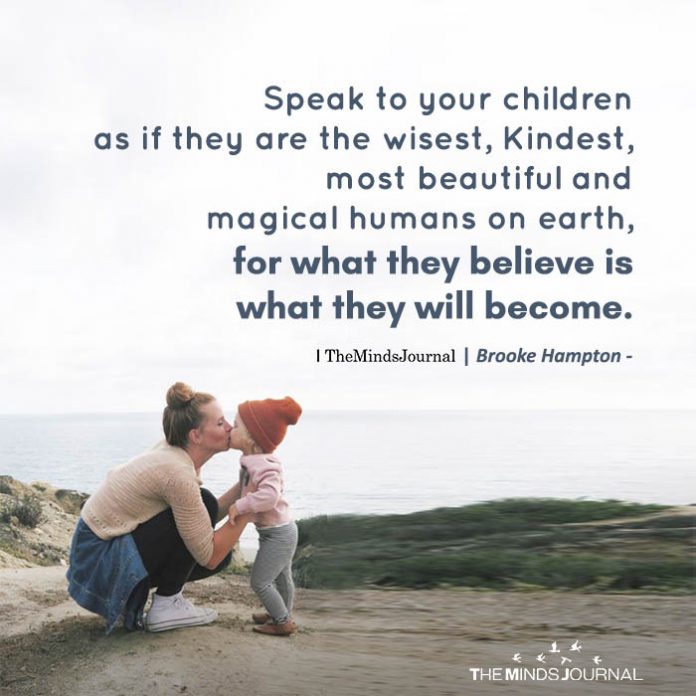
Affectionate parenting

Parents who utter these words are often repeating the wounds of their childhoods. But it’s never too late to forge a new path forward. Education in emotions helps us get there.

In my new book, Parents Have Feelings, Tooparents learn how to name, validate, and work through their own emotions, empowering them to help their kids do the same. It’s the bread and butter of family wellness.

Emotional attunement affects a child’s brain development. When parents attune to their child’s emotions, neural networks support the development of emotional skills and effective communication.

Even if you did not grow up with parents who were attuned to your emotions, it’s never too late to break old patterns. Neuroplasticity is the brain’s ability to change, no matter how old we are.

We can begin by flexing our self-awareness muscles.

Try to answer these questions:

  1. Growing up, how did your parents respond to your emotions, especially when you felt sad, angry, or anxious?
  2. How does this influence the way you respond to your own emotions, as well as your child’s emotions today?

For example, I grew up in a home where my emotions were shut down and often judged. My mother was merely repeating the way she had been treated—reacting instead of reflecting.

Her responses taught me that emotions burden others and should be kept private, like secrets. It wasn’t until I studied psychology and began therapy in my late teens that I found a new path forward.

Related: 11 Magic Phrases That Instantly Build Confidence in Your Child

The best way to prevent the transmission of childhood wounds and trauma is to heal ourselves. Education in emotions helps us get there. Affectionate and attuned parenting is one building block.

And we can learn this skill, just as we can learn to play a musical instrument or take on a new hobby. It’s never too late to become the type of parent you want to be.


Written by Juli Fraga
Originally Appeared on Psychology Today
benefits of affectionate parenting

Published On:

Last updated on:

Juli Fraga

Dr. Juli Fraga helps individuals who are struggling with postpartum depression and anxiety, maternal & childhood trauma, infertility, and loss/grief. In her work, she helps you turn insight into action, which alters the way you interact with yourself, your family, and the world around you. With nearly two decades of experience, both as a therapist and educator, Dr. Fraga’s work is rooted in emotions education, psychodynamic theory, and mindfulness-based practices. She draws on this knowledge to create a treatment plan that’s right for you. In addition to her private practice, Dr. Fraga co-facilitates a postpartum support group, “The Afterglow” for UCSF Hospital. She’s also on the medical board of BabyCenter and creates mental health content for start-ups and wellness companies.

Disclaimer: The informational content on The Minds Journal have been created and reviewed by qualified mental health professionals. They are intended solely for educational and self-awareness purposes and should not be used as a substitute for professional medical advice, diagnosis, or treatment. If you are experiencing emotional distress or have concerns about your mental health, please seek help from a licensed mental health professional or healthcare provider.

Leave a Comment

Today's Horoscope

Daily Horoscope 16 April, 2026: Free Predictions

Daily Horoscope 16 April, 2026: Prediction For Each Zodiac Sign

Let's look at your free horoscope to see what 16th April has in store for you!

Latest Quizzes

Choose a Moon Phase And Discover Your Spiritual Energy

Choose a Moon Phase And Discover Your Spiritual Energy

Choose a moon phase and uncover your spiritual energy type. A soulful guide to lunar symbolism, emotional cycles, and self-discovery.

Latest Quotes

Life Lessons From a 70 Year Old: How to Live With Fewer Regrets

Life Lessons From a 70 Year Old: How to Live With Fewer Regrets

Life lessons from a 70 year old cut through the noise. Health, time, love, and memories—not money—are what truly last. Use these insights now so you don’t look back with regret.

Readers Blog

Caption This Image and Selected Wisepicks – 12 April 2026

Caption This Image and Selected Wisepicks – 12 April 2026

Ready to unleash your inner wordsmith? ✨??☺️ Now’s your chance to show off your wit, charm, or sheer genius in just one line! Whether it’s laugh-out-loud funny or surprisingly deep, we want to hear it.Submit your funniest, wittiest, or most thought-provoking caption in the comments. We’ll pick 15+ winners to be featured on our website…

Latest Articles

The Benefits of Affectionate Parenting, According to Psychology

Affectionate parenting isn’t about being perfect or following a trend, it’s about showing up with warmth and care when your child needs you most.

The real benefits of affectionate parenting show up quietly over time, in how children learn to trust themselves, express emotions, and feel safe being who they are.

At the heart of this approach is emotional attunement, the ability to notice, understand, and respond to a child’s emotional needs without shutting them down.

This kind of attuned parenting helps kids feel seen and supported, even on their hardest days.

KEY POINTS

  • Affectionate parenting builds a child’s confidence.
  • Self-awareness helps parents heal from childhood wounds.
  • Education in emotions is the bread and butter of family wellness.

Scroll through TikTok or any other social media platform, and you’ll see thousands of posts touting the latest parenting style, such as “gentle parenting” or “FAFO parenting.”

But according to a recent study, there’s another parenting style that helps a child thrive: affectionate parenting.

Related: The Power of Secure Attachment in Parent-Child Relationships

The Benefits Of Affectionate Parenting

For this study, researchers studied data from over 2,000 identical twins from birth until they turned 18. The children of mothers who showed their twins more “affection” and “warmth” were more open, thoughtful, and even-tempered as adults.

These results suggest that “affectionate” mothering, such as empathy and attunement, influences a child’s development across their lifespan.

According to the researchers, “positive maternal parenting” may foster resilient personality characteristics, such as openness, thoughtfulness, and agreeableness.

Years of psychological research suggest that these traits are connected with well-being in relationships, work, and physical health.

Affectionate parenting can also be thought of as “attunement.” Attuned parents tend to their children’s emotional worlds and “see” them for who they are. It’s a building block of secure attachment.

Unfortunately, many of us were raised with parents or caregivers who did the opposite. When we were sad, they may have said, “Stop all of your whining, or I will give you something to really whine about.”

Or when we got angry, perhaps they said, “What is wrong with you? Stop being a drama queen!”

Affectionate parenting

Parents who utter these words are often repeating the wounds of their childhoods. But it’s never too late to forge a new path forward. Education in emotions helps us get there.

In my new book, Parents Have Feelings, Tooparents learn how to name, validate, and work through their own emotions, empowering them to help their kids do the same. It’s the bread and butter of family wellness.

Emotional attunement affects a child’s brain development. When parents attune to their child’s emotions, neural networks support the development of emotional skills and effective communication.

Even if you did not grow up with parents who were attuned to your emotions, it’s never too late to break old patterns. Neuroplasticity is the brain’s ability to change, no matter how old we are.

We can begin by flexing our self-awareness muscles.

Try to answer these questions:

  1. Growing up, how did your parents respond to your emotions, especially when you felt sad, angry, or anxious?
  2. How does this influence the way you respond to your own emotions, as well as your child’s emotions today?

For example, I grew up in a home where my emotions were shut down and often judged. My mother was merely repeating the way she had been treated—reacting instead of reflecting.

Her responses taught me that emotions burden others and should be kept private, like secrets. It wasn’t until I studied psychology and began therapy in my late teens that I found a new path forward.

Related: 11 Magic Phrases That Instantly Build Confidence in Your Child

The best way to prevent the transmission of childhood wounds and trauma is to heal ourselves. Education in emotions helps us get there. Affectionate and attuned parenting is one building block.

And we can learn this skill, just as we can learn to play a musical instrument or take on a new hobby. It’s never too late to become the type of parent you want to be.


Written by Juli Fraga
Originally Appeared on Psychology Today
benefits of affectionate parenting

Published On:

Last updated on:

Juli Fraga

Dr. Juli Fraga helps individuals who are struggling with postpartum depression and anxiety, maternal & childhood trauma, infertility, and loss/grief. In her work, she helps you turn insight into action, which alters the way you interact with yourself, your family, and the world around you. With nearly two decades of experience, both as a therapist and educator, Dr. Fraga’s work is rooted in emotions education, psychodynamic theory, and mindfulness-based practices. She draws on this knowledge to create a treatment plan that’s right for you. In addition to her private practice, Dr. Fraga co-facilitates a postpartum support group, “The Afterglow” for UCSF Hospital. She’s also on the medical board of BabyCenter and creates mental health content for start-ups and wellness companies.

Leave a Comment

    Leave a Comment