Brain Study: It’s True, Rejection Hurts Like Physical Pain

Author : Louisa Davis

Did you know that rejection hurts like physical pain to our brains? A scientific study confirms how harsh words can hurt you as much

It is not possible to show emotional wounds but the pain and its impact are always more than that of physical wounds. The most common form of emotional pain is rejection. In this social media age, we feel rejected very often. It can be fewer followers on Instagram or friends not collaborating on your tweets or unmet dating needs and any other petty issue. 

Just like we experience pain when physically broken, our brain treats rejection and other emotional pain as physical pain. It means rejection not just hurts, but it literally hurts. 

Related: Emotional Muscle Memory: How To Release Painful Emotions Trapped In Your Body

Rejection Hurts Like Physical Pain: Brain Study Confirms

In breakthrough research by scientists at the University of Michigan, results showed that the human brain processes social rejection and associated pain similar to physical pain. 

To investigate this phenomena, Dr David T.Hsu along with his team tested 18 people. They conducted the brain tests and personality analysis of the participants. 

According to the results, those with high mental resilience were found to have higher natural painkiller activations than those with poor resilience in their character. These results indicate that some people are born with higher natural pain killer dosage to embed in their neurology. 

Further to examine how rejection works on the brain, the participants were shown pictures of good looking adults on the website. They were asked if they found anyone attractive and noted the responses. Later these participants were informed that people they found attractive were not actually interested in them. 

This session was followed by a PET scan to figure out the impact of rejection on the participants. The mu-opioid system of the brain was found to release painkillers similar to what happens when a person is physically injured. 

Opioids released during physical injury help us cope up with the pain. A similar process takes place when a person is undergoing emotional distress. 

Related:How Your Emotions Are Causing You Physical Pain, Science Explains

When mu-opioid is released, it triggers the amygdala (a part of the brain that processes the strength of the emotion) and the pregenual cingulate cortex (a region of the brain that determines the change in your mood in response to rejection). 

Rejection Hurts Like Physical Pain

Dr Hsu observed the personalities of the participants and tested if people with higher resilience released more opioids in the amygdala during social rejection.  The results suggested that opioid release in this structure during a negative social experience may be protective or adaptive.

Related: 10 Types of Physical Pain Indicating Emotional Problems

The more your brain releases opioids during social distress, the more you are capable of recovering quickly or fully or possibly have a greater experience of pleasure that people experience when socially accepted.
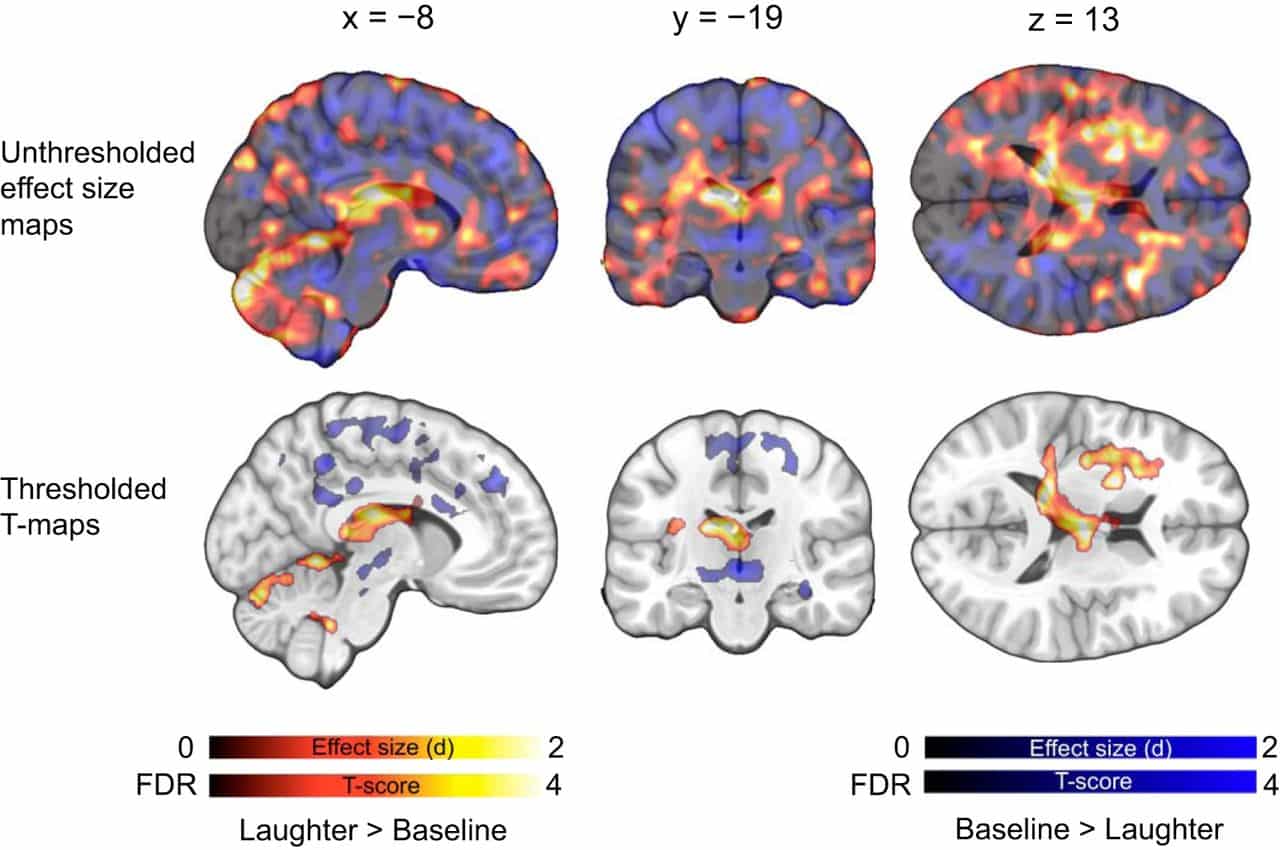
rejection and physical pain

As per the research results, it may be possible that people struggling with anxiety, depression or negative emotions have the lower capability to release opioids during social rejection than those without depression and anxiety. 
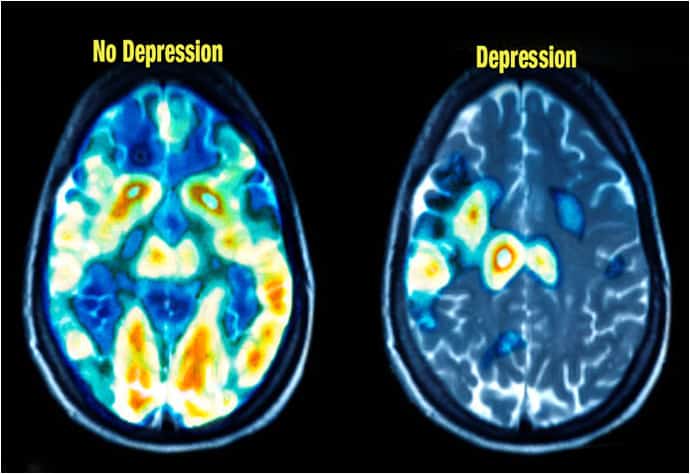
pet scans of healthy and depressed brain.

Lower opioids released means a longer time to recover from social distress and shorter scope of gaining pleasure from social support as those who get more opioids in the pregenual cingulate cortex.

It means personality traits like resilience also play a great role in how people process pain. Not all human beings have the same natural pain-killing response. Because those releasing opioids in high amounts can better deal with rejection and its pain than those releasing lesser amounts of opioids. It means depending on the degree of resilience some people are stronger or you can say have more adaptive or hone more protective ability. 

Although it is clear from the research results that the brain treats rejection like physical pain, it doesn’t mean the brain processes emotional pain and physical pain identically.

Related:The Spiritual Meanings Behind Physical Aches, Pains And Illnesses

The chain of reaction and cascade events are more or less the same. The brain releases mu-opioid both during physical and emotional injury. 

“This is the first study to peer into the human brain to show that the opioid system is activated during social rejection,” Dr. Hsu said.

This wonderful research is a way to further investigate depression, anxiety, and if opioids could be an effective treatment option for people. Thus, new opioids could be developed in the future to help people experiencing mental and social distress.

If you enjoyed reading, leave a comment below and share the post with your friends.

Related video about how the brain treats rejection like physical pain:

rejection and physical pain are same for brain
Brain Research Rejection Physical Pain Same Pin
Brain Study pin

Published On:

Last updated on:

Louisa Davis

Hi there! I’m just a normal person enjoying the process of life. Practicing Buddhism, I believe in the law of cause and effect. Reading and writing is always a pleasure. I enjoy researching on a range of subjects – science, psychology, and technology. Nothing can satiate my soul than good music, horror movies, psycho-thriller, and crime stuff. I enjoy photography, music and watching comedy videos. Talking to people, learning new experiences, sharing my knowledge through blogs, motivating others are things that I always look forward to.

Disclaimer: The informational content on The Minds Journal have been created and reviewed by qualified mental health professionals. They are intended solely for educational and self-awareness purposes and should not be used as a substitute for professional medical advice, diagnosis, or treatment. If you are experiencing emotional distress or have concerns about your mental health, please seek help from a licensed mental health professional or healthcare provider.

Leave a Comment

Today's Horoscope

Your Daily Horoscope For 4 April, 2026: Free Predictions

Daily Horoscope 4 April, 2026: Prediction For Each Zodiac Sign

Look at your daily prediction and see what the stars have in store for your love life and your future!

Latest Quizzes

How Many Circles Do You See? A Simple Test of Thinking Style

How Many Circles Do You See? Your Answer Might Reveal Narcissistic Traits! 

Take a closer look at this simple image and discover what your circle count reveals about your thinking style, perception, and attention in this fun and engaging visual test.

Latest Quotes

Real Signs Your Body Is Actually in Good Health: How to Know You’re Truly Well

Real Signs Your Body Is Actually in Good Health: How to Know You’re Truly Well

Real signs your body is healthy don’t always show up on lab reports. From good sleep and clear skin to regular digestion and a stable mood, your body is constantly sending quiet signals of wellness.

Readers Blog

Caption This Image and Selected Wisepicks – 5 April 2026

Caption This Image and Selected Wisepicks – 5 April 2026

Ready to unleash your inner wordsmith? ✨??☺️ Now’s your chance to show off your wit, charm, or sheer genius in just one line! Whether it’s laugh-out-loud funny or surprisingly deep, we want to hear it.Submit your funniest, wittiest, or most thought-provoking caption in the comments. We’ll pick 15+ winners to be featured on our website…

Latest Articles

Did you know that rejection hurts like physical pain to our brains? A scientific study confirms how harsh words can hurt you as much

It is not possible to show emotional wounds but the pain and its impact are always more than that of physical wounds. The most common form of emotional pain is rejection. In this social media age, we feel rejected very often. It can be fewer followers on Instagram or friends not collaborating on your tweets or unmet dating needs and any other petty issue. 

Just like we experience pain when physically broken, our brain treats rejection and other emotional pain as physical pain. It means rejection not just hurts, but it literally hurts. 

Related: Emotional Muscle Memory: How To Release Painful Emotions Trapped In Your Body

Rejection Hurts Like Physical Pain: Brain Study Confirms

In breakthrough research by scientists at the University of Michigan, results showed that the human brain processes social rejection and associated pain similar to physical pain. 

To investigate this phenomena, Dr David T.Hsu along with his team tested 18 people. They conducted the brain tests and personality analysis of the participants. 

According to the results, those with high mental resilience were found to have higher natural painkiller activations than those with poor resilience in their character. These results indicate that some people are born with higher natural pain killer dosage to embed in their neurology. 

Further to examine how rejection works on the brain, the participants were shown pictures of good looking adults on the website. They were asked if they found anyone attractive and noted the responses. Later these participants were informed that people they found attractive were not actually interested in them. 

This session was followed by a PET scan to figure out the impact of rejection on the participants. The mu-opioid system of the brain was found to release painkillers similar to what happens when a person is physically injured. 

Opioids released during physical injury help us cope up with the pain. A similar process takes place when a person is undergoing emotional distress. 

Related:How Your Emotions Are Causing You Physical Pain, Science Explains

When mu-opioid is released, it triggers the amygdala (a part of the brain that processes the strength of the emotion) and the pregenual cingulate cortex (a region of the brain that determines the change in your mood in response to rejection). 

Rejection Hurts Like Physical Pain

Dr Hsu observed the personalities of the participants and tested if people with higher resilience released more opioids in the amygdala during social rejection.  The results suggested that opioid release in this structure during a negative social experience may be protective or adaptive.

Related: 10 Types of Physical Pain Indicating Emotional Problems

The more your brain releases opioids during social distress, the more you are capable of recovering quickly or fully or possibly have a greater experience of pleasure that people experience when socially accepted.

rejection and physical pain

As per the research results, it may be possible that people struggling with anxiety, depression or negative emotions have the lower capability to release opioids during social rejection than those without depression and anxiety. 

pet scans of healthy and depressed brain.

Lower opioids released means a longer time to recover from social distress and shorter scope of gaining pleasure from social support as those who get more opioids in the pregenual cingulate cortex.

It means personality traits like resilience also play a great role in how people process pain. Not all human beings have the same natural pain-killing response. Because those releasing opioids in high amounts can better deal with rejection and its pain than those releasing lesser amounts of opioids. It means depending on the degree of resilience some people are stronger or you can say have more adaptive or hone more protective ability. 

Although it is clear from the research results that the brain treats rejection like physical pain, it doesn’t mean the brain processes emotional pain and physical pain identically.

Related:The Spiritual Meanings Behind Physical Aches, Pains And Illnesses

The chain of reaction and cascade events are more or less the same. The brain releases mu-opioid both during physical and emotional injury. 

“This is the first study to peer into the human brain to show that the opioid system is activated during social rejection,” Dr. Hsu said.

This wonderful research is a way to further investigate depression, anxiety, and if opioids could be an effective treatment option for people. Thus, new opioids could be developed in the future to help people experiencing mental and social distress.

If you enjoyed reading, leave a comment below and share the post with your friends.

Related video about how the brain treats rejection like physical pain:

rejection and physical pain are same for brain
Brain Research Rejection Physical Pain Same Pin
Brain Study pin

Published On:

Last updated on:

Louisa Davis

Hi there! I’m just a normal person enjoying the process of life. Practicing Buddhism, I believe in the law of cause and effect. Reading and writing is always a pleasure. I enjoy researching on a range of subjects – science, psychology, and technology. Nothing can satiate my soul than good music, horror movies, psycho-thriller, and crime stuff. I enjoy photography, music and watching comedy videos. Talking to people, learning new experiences, sharing my knowledge through blogs, motivating others are things that I always look forward to.

Leave a Comment

    Leave a Comment