Reaching a Compromise: The Second Part of the State of the Union Meeting

Author : The Gottman Institute

The second part of the state of the union meeting and reaching a compromise.


Only after you and your partner both feel understood during your weekly State of the Union Meeting can you begin to problem solve in order to reach a compromise. Not before.

The first step in problem-solving is to identify your core needs. Problem-solving fails when partners are not open to being influenced or when one partner gives up too much.


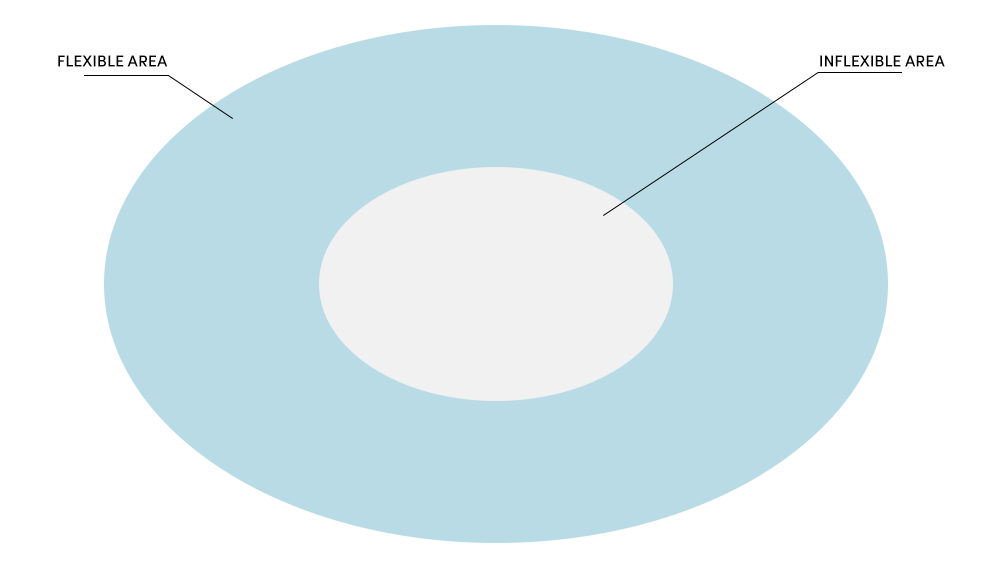
Dr. Gottman recommends drawing two ovals on a piece of paper, a small one and a big one around the smaller one. He calls this a compromise bagel.
State of the Union Meeting
Fill in the smaller oval with the needs you cannot live without. These are your inflexible areas. Try to keep this short by including only the needs that are essential to your happiness and, thus, your relationship’s success.

Next, in the bigger oval, list aspects of your position that are negotiable. These are your flexible areas. This doesn’t mean compromising on the need itself. It means being open to shifting some of the specifics about the need, such as timing, location, or methods to achieve your goal.


For example:

  • “I can live with only going out with my friends every other weekend.”
  • “I’ll switch to a closer yoga studio so I can be home earlier to help out with the kids.”

Kris and Kurt found a solution that allowed both of their dreams—owning a place in Hawaii while remaining financially secure—to become a reality.

It’s worth mentioning that sometimes compromise isn’t possible in a relationship. This happens when one partner’s dream is the other’s nightmare.

For example, if one person’s inflexible need is to have children and their partner is inflexible about not having children, the couple is unlikely to reach a solution. In these cases, couples may need to end their relationship with a clear understanding of their differing values and why they need to move on.

In the majority of relationships, Dr. Gottman’s blueprint does lead to a compromise that works for both partners.

After studying thousands of couples, Dr. Gottman discovered that nearly 2/3 of relationship conflict is about perpetual, unsolvable problems. This doesn’t prevent happy relationships—it’s how couples manage perpetual problems that make the difference.


When dealing with an unsolvable problem in your State of the Union Meeting, it’s important to create a temporary compromise and then revisit it later to see how it is working.

This willingness to play with ways of being with each other makes it easy to compromise and truly discover what works and what doesn’t for both partners.

Read State of the Union Meetings Will Strengthen Your Relationship: Here’s How to Start Yours

A State of the Union in Action: Part II

Below is a continuation of the State of the Union meeting with Kris and Emily. Before talking about ways to problem solve, Kris and Emily drew their two circles and wrote out their flexible and inflexible areas.

Kris: Let’s move on to the finding a solution part. I have my two circles. I’m inflexible about having time together as a couple and as a family. I need at least a few hours once a week where it’s just you and me, and I need you to spend at least one evening at home during the week so we can have family time. I feel Jacob needs and wants to see more of you.

Emily: Okay, and what are you flexible about?

Kris: I am flexible about the days of the week this happens.


Emily: That makes sense. I am inflexible about going to yoga at least three times a week and attending my weekly women’s support group at the church. I really value being there for those women.

Kris: I know how much you enjoy those women and yoga. I get that. What are you flexible about?

Emily: I’m flexible about taking some of the other responsibilities off my plate such as being the PTO president for Jacob’s school and attending the weekly book club.

Kris: It sounds like we are in agreement about you doing less and spending more time with me and Jacob. Am I hearing that correctly?

Emily: Yes, you are.


Kris: That’s wonderful. I’d like to take you out on a date this week to celebrate breaking through this gridlocked conflict that has been pushing us apart.

Emily: We haven’t gone on a date in a while. That sounds nice. I’ll tell the book club I won’t be attending anymore which will free up my Thursday night and I’ll skip Yoga on Tuesday so I can spend time with you and Jacob. How does that sound?

Kris: Amazing!

Emily and Kris were able to reach a compromise fairly easily after they understood each other. Although they worked through a lot of hurt feelings in part one, they were able to hear each other’s core needs and agree to meet them.

You can expect to fall back into a nasty argument on occasion, especially during stressful times. But once you’ve mastered the vital attunement skills, you’ll be able to climb out of the hole before lasting damage is done to your relationship.

As with any new skill, improving attunement and working through conflict in a constructive way will feel uncomfortable and awkward at first.


Read Understanding Each Other: The First Part of the State of The Union Meeting

But just like learning to drive, meeting once a week for an hour will eventually cultivate the ability to be able to use your powerful attunement skills the moment there is a misunderstanding.


Written By Kyle Benson

Reaching a Compromise: The Second Part of the State of the Union Meeting


Published On:

Last updated on:

The Gottman Institute

The Gottman Institute uses over 40 years of research on thousands of couples to provide research based tips on how to make love last. Our research has saved troubled relationships and strengthened happy ones. Get your free copy of 7 Signs Your Relationship Will Last by clicking here Workshot for Couples Professional Training Certificate Courses

Disclaimer: The informational content on The Minds Journal have been created and reviewed by qualified mental health professionals. They are intended solely for educational and self-awareness purposes and should not be used as a substitute for professional medical advice, diagnosis, or treatment. If you are experiencing emotional distress or have concerns about your mental health, please seek help from a licensed mental health professional or healthcare provider.

Leave a Comment

Today's Horoscope

Weekly Horoscope PART one

Weekly Horoscope 15 March to 21 March 2026

Read your zodiac sign’s prediction to understand the energy surrounding you and how to make the most of the days ahead!

Latest Quizzes

Interesting Finger Personality Test: 4 Finger Lines

Finger Personality Test: Join Your Fingers And Reveal A Hidden Personality Secret!

Look closely at your finger lines. Which pattern do you see? This personality test might surprise you!

Latest Quotes

How Men Show Love Through Actions (Male Psychology in Relationships)

How Men Show Love Through Actions (Male Psychology in Relationships)

Male psychology in relationships shows that men express love through presence, protection, and peace more than poetry. Decode his actions so you can see how deeply he actually cares.

Readers Blog

Caption This Image and Selected Wisepicks – 15 March 2026

Caption This Image and Selected Wisepicks – 15 March 2026

Ready to unleash your inner wordsmith? ✨??☺️ Now’s your chance to show off your wit, charm, or sheer genius in just one line! Whether it’s laugh-out-loud funny or surprisingly deep, we want to hear it.Submit your funniest, wittiest, or most thought-provoking caption in the comments. We’ll pick 15+ winners to be featured on our website…

Latest Articles

The second part of the state of the union meeting and reaching a compromise.


Only after you and your partner both feel understood during your weekly State of the Union Meeting can you begin to problem solve in order to reach a compromise. Not before.

The first step in problem-solving is to identify your core needs. Problem-solving fails when partners are not open to being influenced or when one partner gives up too much.


Dr. Gottman recommends drawing two ovals on a piece of paper, a small one and a big one around the smaller one. He calls this a compromise bagel.

State of the Union Meeting
Fill in the smaller oval with the needs you cannot live without. These are your inflexible areas. Try to keep this short by including only the needs that are essential to your happiness and, thus, your relationship’s success.

Next, in the bigger oval, list aspects of your position that are negotiable. These are your flexible areas. This doesn’t mean compromising on the need itself. It means being open to shifting some of the specifics about the need, such as timing, location, or methods to achieve your goal.


For example:

  • “I can live with only going out with my friends every other weekend.”
  • “I’ll switch to a closer yoga studio so I can be home earlier to help out with the kids.”

Kris and Kurt found a solution that allowed both of their dreams—owning a place in Hawaii while remaining financially secure—to become a reality.

It’s worth mentioning that sometimes compromise isn’t possible in a relationship. This happens when one partner’s dream is the other’s nightmare.

For example, if one person’s inflexible need is to have children and their partner is inflexible about not having children, the couple is unlikely to reach a solution. In these cases, couples may need to end their relationship with a clear understanding of their differing values and why they need to move on.

In the majority of relationships, Dr. Gottman’s blueprint does lead to a compromise that works for both partners.

After studying thousands of couples, Dr. Gottman discovered that nearly 2/3 of relationship conflict is about perpetual, unsolvable problems. This doesn’t prevent happy relationships—it’s how couples manage perpetual problems that make the difference.


When dealing with an unsolvable problem in your State of the Union Meeting, it’s important to create a temporary compromise and then revisit it later to see how it is working.

This willingness to play with ways of being with each other makes it easy to compromise and truly discover what works and what doesn’t for both partners.

Read State of the Union Meetings Will Strengthen Your Relationship: Here’s How to Start Yours

A State of the Union in Action: Part II

Below is a continuation of the State of the Union meeting with Kris and Emily. Before talking about ways to problem solve, Kris and Emily drew their two circles and wrote out their flexible and inflexible areas.

Kris: Let’s move on to the finding a solution part. I have my two circles. I’m inflexible about having time together as a couple and as a family. I need at least a few hours once a week where it’s just you and me, and I need you to spend at least one evening at home during the week so we can have family time. I feel Jacob needs and wants to see more of you.

Emily: Okay, and what are you flexible about?

Kris: I am flexible about the days of the week this happens.


Emily: That makes sense. I am inflexible about going to yoga at least three times a week and attending my weekly women’s support group at the church. I really value being there for those women.

Kris: I know how much you enjoy those women and yoga. I get that. What are you flexible about?

Emily: I’m flexible about taking some of the other responsibilities off my plate such as being the PTO president for Jacob’s school and attending the weekly book club.

Kris: It sounds like we are in agreement about you doing less and spending more time with me and Jacob. Am I hearing that correctly?

Emily: Yes, you are.


Kris: That’s wonderful. I’d like to take you out on a date this week to celebrate breaking through this gridlocked conflict that has been pushing us apart.

Emily: We haven’t gone on a date in a while. That sounds nice. I’ll tell the book club I won’t be attending anymore which will free up my Thursday night and I’ll skip Yoga on Tuesday so I can spend time with you and Jacob. How does that sound?

Kris: Amazing!

Emily and Kris were able to reach a compromise fairly easily after they understood each other. Although they worked through a lot of hurt feelings in part one, they were able to hear each other’s core needs and agree to meet them.

You can expect to fall back into a nasty argument on occasion, especially during stressful times. But once you’ve mastered the vital attunement skills, you’ll be able to climb out of the hole before lasting damage is done to your relationship.

As with any new skill, improving attunement and working through conflict in a constructive way will feel uncomfortable and awkward at first.


Read Understanding Each Other: The First Part of the State of The Union Meeting

But just like learning to drive, meeting once a week for an hour will eventually cultivate the ability to be able to use your powerful attunement skills the moment there is a misunderstanding.


Written By Kyle Benson

Reaching a Compromise: The Second Part of the State of the Union Meeting


Published On:

Last updated on:

The Gottman Institute

The Gottman Institute uses over 40 years of research on thousands of couples to provide research based tips on how to make love last. Our research has saved troubled relationships and strengthened happy ones. Get your free copy of 7 Signs Your Relationship Will Last by clicking here Workshot for Couples Professional Training Certificate Courses

Leave a Comment

    Leave a Comment