Emotional Banking: The Hidden Manipulation Behind “Kindness”

Author : Jessica Allen

Emotional Banking: The Hidden Manipulation Behind “Kindness”

What Is Emotional Banking? The Toxic Side of Nice Gestures

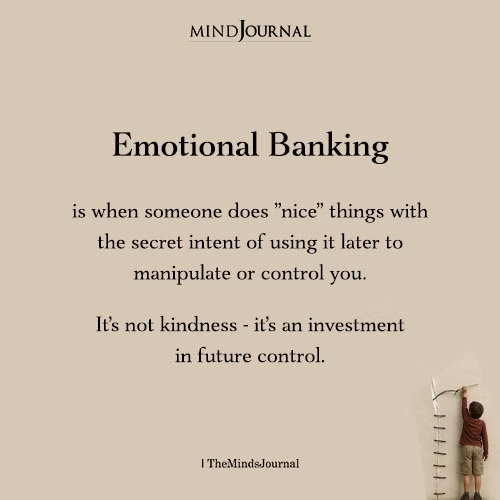
Emotional Banking:

is when someone does “nice” things with the secret intent of using it later to manipulate or control you.

It’s not kindness – it’s an investment in future control.

When we talk about emotional banking, it might sound like a sweet idea at first—like saving up acts of kindness to create a strong bond. But the reality is far from sweet.

Emotional banking is when someone does “nice” things with the hidden agenda of using it later to manipulate or control you. In other words, it’s not kindness—it’s an investment in future power.

That’s why emotional banking in relationships often feels confusing, draining, and sometimes even guilt-inducing.

Think about it: genuine kindness comes with no strings attached. But emotional banking psychology flips that on its head. Someone may shower you with help, favors, or gestures, only to later pull out a mental ledger and say, “Remember when I did this for you? Now you owe me.”

This type of covert control in relationships makes you feel trapped because the “kindness” you received suddenly comes with invisible debt attached.

Emotional banking in relationships can sneak in subtly. For example, your partner might consistently do things for you, like paying bills, cooking meals, or running errands.

At first, it seems thoughtful. But later, whenever you want to assert independence, express disagreement, or even set boundaries, they might weaponize those actions against you.

They’ll remind you of every single “good deed,” making you feel guilty for not complying with what they want now. This is where it’s psychology reveals itself—it’s never about the good deed, it’s about controlling future behavior.

The hardest part of spotting emotional banking in relationships is that it looks like kindness on the surface. Many people fall into the trap of feeling ungrateful when they question it.

After all, if someone helps you, aren’t you supposed to feel thankful? The problem is gratitude shouldn’t turn into obligation. Control in relationships often hides under the disguise of generosity.

The truth is, real love and care don’t come with receipts to cash in later.

Related: Unmasking Phony Kindness: 5 Ways To Spot A Fake Nice Person

From a psychological standpoint, emotional banking psychology often stems from insecurity, power struggles, or even narcissistic tendencies. Some people feel safer when they have leverage over others, and so they give, not out of love, but out of strategy.

It’s like they’re making deposits into an emotional account, waiting for the day they can withdraw control. And if you don’t “pay up”? That’s when guilt trips, silent treatments, or accusations of being ungrateful appear.

Recognizing this dynamic is the first step toward breaking free. When you understand how emotional banking in relationships operates, you stop blaming yourself for feeling uneasy.

You see that the problem isn’t that you’re ungrateful—it’s that someone else is turning kindness into currency. Genuine relationships thrive on mutual respect, not on covert control in relationships disguised as generosity.

So, what can you do if you find yourself stuck in this cycle? Start by paying attention to patterns. Do the “nice” things always come up later as bargaining chips? Do you feel like you can never say “no” without being reminded of past favors?

These are red flags of emotional banking psychology. Setting clear boundaries is essential. You can acknowledge the kind gesture while also making it clear that it doesn’t entitle someone to control your choices.

It’s also important to trust your instincts. If something feels off, it probably is. Emotional banking in relationships thrives when the other person doubts themselves. By reclaiming your perspective, you take away the manipulator’s greatest weapon: your self-doubt.

At the end of the day, kindness without conditions is what creates healthy bonds. Emotional banking may look like care, but it’s actually control disguised as generosity.

Understanding the psychology helps you see through the illusion, recognize covert control in relationships, and protect your peace. Because real love doesn’t keep score—and it never comes with a bill attached.


Published On:

Last updated on:

Disclaimer: The informational content on The Minds Journal have been created and reviewed by qualified mental health professionals. They are intended solely for educational and self-awareness purposes and should not be used as a substitute for professional medical advice, diagnosis, or treatment. If you are experiencing emotional distress or have concerns about your mental health, please seek help from a licensed mental health professional or healthcare provider.

Leave a Comment

Today's Horoscope

Your Daily Horoscope For 28 March, 2026: Free Predictions

Daily Horoscope 28 March, 2026: Prediction For Each Zodiac Sign

This daily prediction might explain everything you’ve been feeling today… check your sign now.

Latest Quizzes

Hand Shape Personality Test: 4 Interesting Hand Shape Types

Hand Shape Personality: What Your Palm Reveals About Your True Character

From confidence to independence, this quick hand shape personality test uncovers traits you didn’t even realize you had. Take a look at your palm… what does it say about you? ✋✨

Latest Quotes

She Is Who She Is: When Feeling Replaceable Shapes Your Heart

She Is Who She Is: When Feeling Replaceable Shapes Your Heart

She is who she is because she keeps feeling replaceable in relationships. Repeated rejection reshapes your self-worth, but with awareness and healing, you can stop treating yourself like an option.

Readers Blog

Caption This Image and Selected Wisepicks – 29 March 2026

Caption This Image and Selected Wisepicks – 29 March 2026

Ready to unleash your inner wordsmith? ✨??☺️ Now’s your chance to show off your wit, charm, or sheer genius in just one line! Whether it’s laugh-out-loud funny or surprisingly deep, we want to hear it.Submit your funniest, wittiest, or most thought-provoking caption in the comments. We’ll pick 15+ winners to be featured on our website…

Latest Articles

Emotional Banking: The Hidden Manipulation Behind “Kindness”

What Is Emotional Banking? The Toxic Side of Nice Gestures

Emotional Banking:

is when someone does “nice” things with the secret intent of using it later to manipulate or control you.

It’s not kindness – it’s an investment in future control.

When we talk about emotional banking, it might sound like a sweet idea at first—like saving up acts of kindness to create a strong bond. But the reality is far from sweet.

Emotional banking is when someone does “nice” things with the hidden agenda of using it later to manipulate or control you. In other words, it’s not kindness—it’s an investment in future power.

That’s why emotional banking in relationships often feels confusing, draining, and sometimes even guilt-inducing.

Think about it: genuine kindness comes with no strings attached. But emotional banking psychology flips that on its head. Someone may shower you with help, favors, or gestures, only to later pull out a mental ledger and say, “Remember when I did this for you? Now you owe me.”

This type of covert control in relationships makes you feel trapped because the “kindness” you received suddenly comes with invisible debt attached.

Emotional banking in relationships can sneak in subtly. For example, your partner might consistently do things for you, like paying bills, cooking meals, or running errands.

At first, it seems thoughtful. But later, whenever you want to assert independence, express disagreement, or even set boundaries, they might weaponize those actions against you.

They’ll remind you of every single “good deed,” making you feel guilty for not complying with what they want now. This is where it’s psychology reveals itself—it’s never about the good deed, it’s about controlling future behavior.

The hardest part of spotting emotional banking in relationships is that it looks like kindness on the surface. Many people fall into the trap of feeling ungrateful when they question it.

After all, if someone helps you, aren’t you supposed to feel thankful? The problem is gratitude shouldn’t turn into obligation. Control in relationships often hides under the disguise of generosity.

The truth is, real love and care don’t come with receipts to cash in later.

Related: Unmasking Phony Kindness: 5 Ways To Spot A Fake Nice Person

From a psychological standpoint, emotional banking psychology often stems from insecurity, power struggles, or even narcissistic tendencies. Some people feel safer when they have leverage over others, and so they give, not out of love, but out of strategy.

It’s like they’re making deposits into an emotional account, waiting for the day they can withdraw control. And if you don’t “pay up”? That’s when guilt trips, silent treatments, or accusations of being ungrateful appear.

Recognizing this dynamic is the first step toward breaking free. When you understand how emotional banking in relationships operates, you stop blaming yourself for feeling uneasy.

You see that the problem isn’t that you’re ungrateful—it’s that someone else is turning kindness into currency. Genuine relationships thrive on mutual respect, not on covert control in relationships disguised as generosity.

So, what can you do if you find yourself stuck in this cycle? Start by paying attention to patterns. Do the “nice” things always come up later as bargaining chips? Do you feel like you can never say “no” without being reminded of past favors?

These are red flags of emotional banking psychology. Setting clear boundaries is essential. You can acknowledge the kind gesture while also making it clear that it doesn’t entitle someone to control your choices.

It’s also important to trust your instincts. If something feels off, it probably is. Emotional banking in relationships thrives when the other person doubts themselves. By reclaiming your perspective, you take away the manipulator’s greatest weapon: your self-doubt.

At the end of the day, kindness without conditions is what creates healthy bonds. Emotional banking may look like care, but it’s actually control disguised as generosity.

Understanding the psychology helps you see through the illusion, recognize covert control in relationships, and protect your peace. Because real love doesn’t keep score—and it never comes with a bill attached.


Published On:

Last updated on:

Jessica Allen

Leave a Comment

    Leave a Comment