
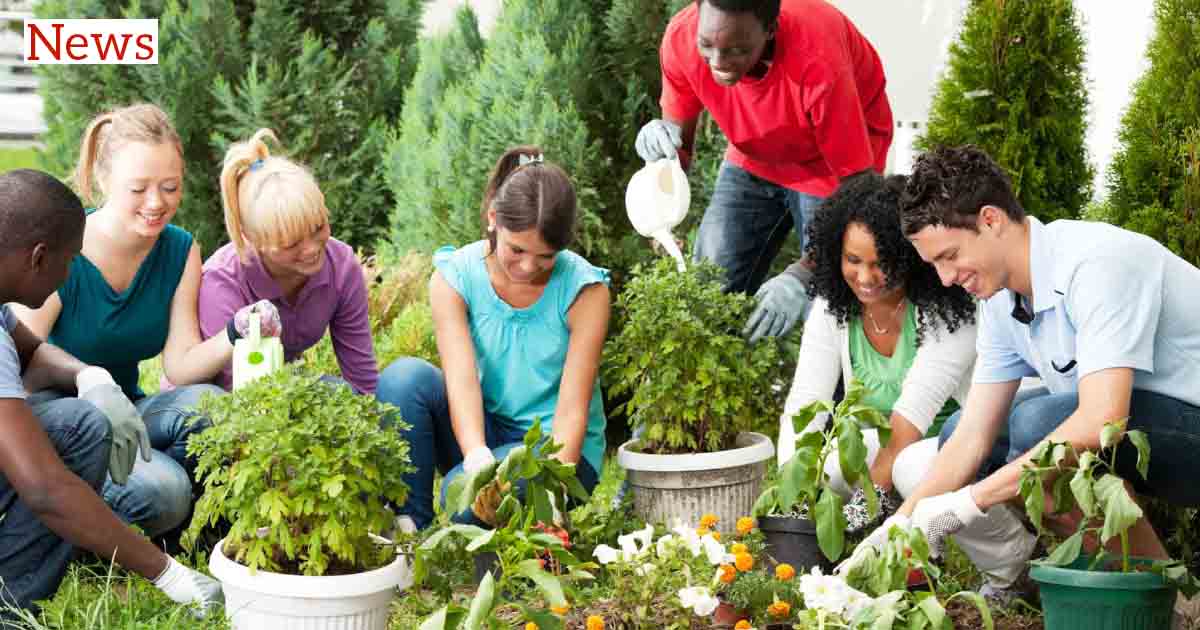
Community gardening is blooming as a tool for health and social bonding in cities worldwide. The World Economic Forum recently profiled how urban neighborhoods use shared plots to grow food and cultivate friendships, supporting wellness and resilience.
Community gardening combines physical activity, outdoor time, and teamwork—all linked to lower rates of depression and heart disease. Residents of all ages join community gardens to learn horticulture, contribute fresh produce, and connect across backgrounds. These sites are increasingly hubs for intergenerational activities and cultural exchange.
WEF highlights research showing the social bonding gained from community gardening translates into lower crime rates and more active citizenship. Local governments are offering small grants, land, and workshops to enable new gardens and extend spaces in underserved areas.
Community gardening also contributes to local food security, reducing grocery bills and environmental impact. Gardeners report more pride in their communities and a renewed sense of purpose. Schools are bringing gardening into science and nutrition classes to boost engagement and social bonding early in life.
With cities growing denser, experts see community gardening as essential for vibrant social networks and lifelong health.


Leave a Comment