Community Gardening Builds Health and Social Bonds

Author : Jessica Taylor

Community Gardening Builds Health and Social Bonds

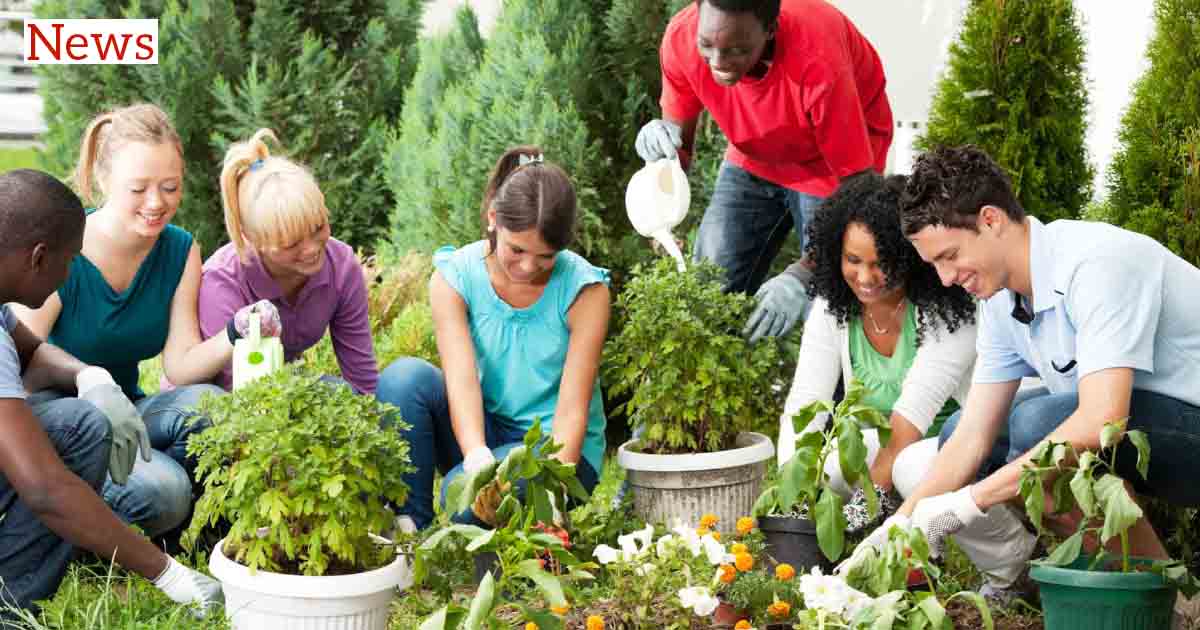
Community gardening is blooming as a tool for health and social bonding in cities worldwide. The World Economic Forum recently profiled how urban neighborhoods use shared plots to grow food and cultivate friendships, supporting wellness and resilience.

Community gardening combines physical activity, outdoor time, and teamwork—all linked to lower rates of depression and heart disease. Residents of all ages join community gardens to learn horticulture, contribute fresh produce, and connect across backgrounds. These sites are increasingly hubs for intergenerational activities and cultural exchange.

WEF highlights research showing the social bonding gained from community gardening translates into lower crime rates and more active citizenship. Local governments are offering small grants, land, and workshops to enable new gardens and extend spaces in underserved areas.

Community gardening also contributes to local food security, reducing grocery bills and environmental impact. Gardeners report more pride in their communities and a renewed sense of purpose. Schools are bringing gardening into science and nutrition classes to boost engagement and social bonding early in life.

With cities growing denser, experts see community gardening as essential for vibrant social networks and lifelong health.

Source: World Economic Forum Urban Resilience

Published On:

Last updated on:

Jessica Taylor

Jessica Taylor is a staff writer for Minds Journal News, where she covers stories on mental health, wellness, and culture. With a background in communications and a keen interest in how everyday experiences shape our emotional lives, Jessica brings thoughtful perspectives to trending news and timeless issues alike. She enjoys connecting the dots between research and real life, making psychology accessible and engaging for readers.

Disclaimer: The informational content on The Minds Journal have been created and reviewed by qualified mental health professionals. They are intended solely for educational and self-awareness purposes and should not be used as a substitute for professional medical advice, diagnosis, or treatment. If you are experiencing emotional distress or have concerns about your mental health, please seek help from a licensed mental health professional or healthcare provider.

Leave a Comment

Today's Horoscope

Daily Horoscope 17 April 2026: Prediction for Zodiac Signs

Daily Horoscope 17 April, 2026: Prediction For Each Zodiac Sign

Every day carries its own mix of lessons and small breakthroughs.

Latest Quizzes

Choose a Moon Phase And Discover Your Spiritual Energy

Choose a Moon Phase And Discover Your Spiritual Energy

Choose a moon phase and uncover your spiritual energy type. A soulful guide to lunar symbolism, emotional cycles, and self-discovery.

Latest Quotes

Human Psychology Facts: How These Cognitive Biases Quietly Shape Your Life

Human Psychology Facts: How These Cognitive Biases Quietly Shape Your Life

Human psychology facts show how your brain quietly edits reality. From the Pratfall Effect to the Halo Effect, these cognitive biases influence who you like, what you notice, and how confident you feel.

Readers Blog

Caption This Image and Selected Wisepicks – 12 April 2026

Caption This Image and Selected Wisepicks – 12 April 2026

Ready to unleash your inner wordsmith? ✨??☺️ Now’s your chance to show off your wit, charm, or sheer genius in just one line! Whether it’s laugh-out-loud funny or surprisingly deep, we want to hear it.Submit your funniest, wittiest, or most thought-provoking caption in the comments. We’ll pick 15+ winners to be featured on our website…

Latest Articles

Community Gardening Builds Health and Social Bonds

Community gardening is blooming as a tool for health and social bonding in cities worldwide. The World Economic Forum recently profiled how urban neighborhoods use shared plots to grow food and cultivate friendships, supporting wellness and resilience.

Community gardening combines physical activity, outdoor time, and teamwork—all linked to lower rates of depression and heart disease. Residents of all ages join community gardens to learn horticulture, contribute fresh produce, and connect across backgrounds. These sites are increasingly hubs for intergenerational activities and cultural exchange.

WEF highlights research showing the social bonding gained from community gardening translates into lower crime rates and more active citizenship. Local governments are offering small grants, land, and workshops to enable new gardens and extend spaces in underserved areas.

Community gardening also contributes to local food security, reducing grocery bills and environmental impact. Gardeners report more pride in their communities and a renewed sense of purpose. Schools are bringing gardening into science and nutrition classes to boost engagement and social bonding early in life.

With cities growing denser, experts see community gardening as essential for vibrant social networks and lifelong health.

Source: World Economic Forum Urban Resilience

Published On:

Last updated on:

Jessica Taylor

Jessica Taylor is a staff writer for Minds Journal News, where she covers stories on mental health, wellness, and culture. With a background in communications and a keen interest in how everyday experiences shape our emotional lives, Jessica brings thoughtful perspectives to trending news and timeless issues alike. She enjoys connecting the dots between research and real life, making psychology accessible and engaging for readers.

Leave a Comment

    Leave a Comment