5 Ways That Family Estrangement Can Inflict Lifelong Harm

Author : Fern Schumer Chapman

Family estrangement, be it parental or sibling, or worse, both, is one of the most painful and heartbreaking things a human being can go through.

Key Points

  • Cutoffs can ripple through one’s life and identity, producing a unique form of grief as the estranged mourn the living.
  • The estranged often have a lingering difficulty adjusting to, accepting, and making sense of their losses.
  • The estranged often suffer a loss of self-esteem and trust, which may play out in other relationships and ultimately compromise well-being.

Family estrangement causes ripples through one’s life and identity. The experience creates a uniquely devastating form of grief in which an estranged family member often mourns the living.

The ambiguity of estrangement and the chronic hope (or dread) of encountering the estranged family member often exacerbate feelings of longing, anxiety, and anger.

Those who are cut off often have a lingering difficulty adjusting to, accepting, and making sense of the loss, even when they have an otherwise fulfilling life. Those who choose to end a family relationship and consider it irrevocable may find that feelings of loss and regret accompany the decision.

Related: Family Estrangement: How Grown-Ups Pull Away From Toxic Families

Social work researcher Kyle Agllias, one of the foremost experts on the subject, writes in her groundbreaking book, Family Estrangement: A Matter of Perspective, that estrangement is particularly difficult to accept because it has no predictable or predetermined outcomes nor an identifiable end point.

“The death of a family member,” she explains, “does not impact self-esteem or sense of self-worth the way estrangement does.”

The loss is especially acute for siblings. Brothers and sisters are our earliest, closest companions, instilling important social qualities—tolerance, generosity, loyalty—that eventually affect every subsequent relationship, from friends and colleagues to lovers and partners.

Siblings typically spend more time together than with anyone else; for the fortunate, the relationship endures for decades, outlasting friendships, marriages, and parents. Losing what should have been a lifelong bond built on shared history is a sad, continuing deprivation.

In a survey, I conducted for my book Brothers, Sisters, Strangers: Sibling Estrangement and the Road to Reconciliation, respondents discussed how the ongoing nature of estrangement defined their lives.

Family estrangement and effects and familial estrangement

5 Ways That Family Estrangement Can Inflict Lifelong Harm

1. Trust

The estranged often feel they can’t trust anyone, damaging their ability to fully engage in relationships.

Several respondents described struggling with trust:

  • I actually find myself trying not to get too close to anybody because of my horrible experiences with family members who cut me out of their lives.
  • I have major trust issues with everyone now. I worry that those I care about will suddenly leave me with no explanation.
  • When a friend distances themselves from me for a good reason (a crisis where they need to be alone), I get triggered and panicked. I feel like I am being taken for granted as I did with my family.

Author Agllias reports that estrangement-related trust issues can wreak such psychological havoc as emotional withdrawal, defensive posturing, people-pleasing behaviors, and overeager development of close but unsustainable relationships, possibly even leading to abuse.

Related: How To Cope With A Toxic And Estranged Family Relationship: 11 Tips

2. Friendships

Without the ability to trust, developing friendships can be especially challenging. Worse, the estranged—especially those who initiated the cutoff—often feel judged and stigmatized when others have advised them to “forget about” the sibling or “move on.”

Some become needy and reliant on family and friends, imposing emotional demands and overblown expectations that can strain and even destroy relationships. “The estranged might feel a need to hold on tightly to non-estranged relationships for fear of losing them too,” Agllias explains.

3. Self-esteem

One woman reported constantly questioning herself. She is socially reserved, feeling that if her own sister won’t have a relationship with her, why would a mere acquaintance have any interest? She says she finds herself alone and isolated.

When a sibling terminates a relationship, the shunned sibling typically feels responsible for the breach. The loss leaves a gnawing sense of unlovability and lack of self-worth—typical of people who have been ostracized.

Studies have revealed that pain is the initial reaction to any kind of ostracism, says Dr. Kipling D. Williams, a distinguished professor of psychological sciences at Purdue University who studies the subject.

“Ostracism,” he explains, “then instigates actions aimed at recovering thwarted needs of belonging, self-esteem, control, and meaningful existence.”
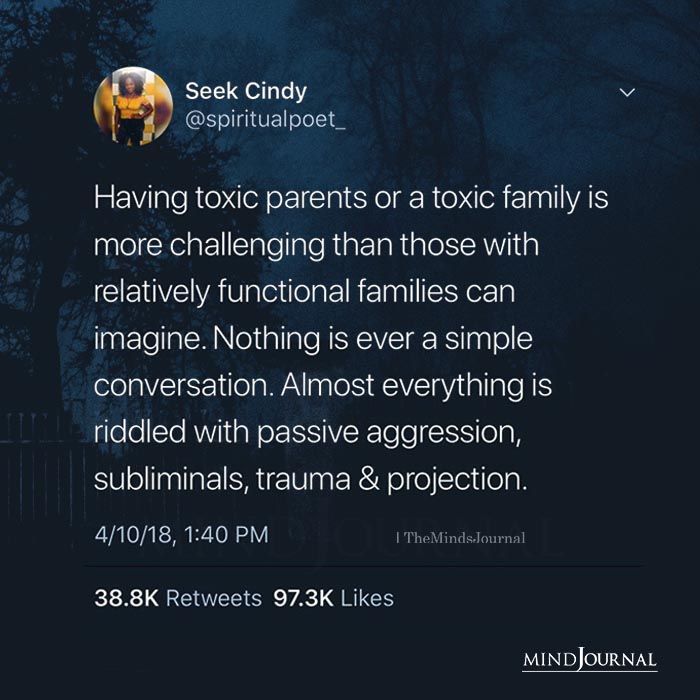
Family estrangement and it's long-term effects

4. Family

Estrangement often places family members in the discomfiting and frequently impossible position of having to choose sides. The situation can become so polarizing as to incite a familial civil war.

The estranged may aggressively recruit and lobby non-aligned family members, perhaps resorting to bullying, accusations, and attacks. The estranged may demand loyalty or threaten to ostracize family members who refuse to take their side.

My own mother felt caught between my brother and me when we were estranged. Here’s how she recalls it:

It was always in the back of my mind—I have a son and daughter who have nothing to do with each other. I was always thinking, What can I do? How can we get together? How can I get my family back? I felt hurt and embarrassed that my children didn’t have anything to do with each other. I never talked to anyone about it. I felt ashamed, so I carried the pain alone.

At times, I was furious about the situation: I would get invited to a family party that excluded one of my children. I never knew what to do—Should I attend or not? Should I insist that I will only go to an event if both my children are invited? Whatever choice I made, I was going to hurt one of my children.

Related: 5 Painful Things You Wonder When Your Parent is Estranged

5. Rumination

One of the most debilitating consequences of estrangement is the thought pattern of rumination: rehashing the same thoughts over and over, even when those thoughts breed sadness or negativity.

Many rejected siblings—even some who chose to terminate the relationship—find themselves constantly mulling: “What did I do? What was my role in the cutoff? Can I fix this?”

The mind is desperately trying to create meaning around an experience that may not have a good explanation. Rumination can be crippling, and over-sharing its bitter thoughts can drive people away.

Some relationships are simply too toxic to sustain. Still, there’s no denying that cutoffs harm well-being and hurt other relationships. Awareness helps to guard against the long reach and lasting damage of estrangement.

Want to know more about the long term effects of family estrangement? Check this video out below!

To learn more, buy The Sibling Estrangement Journalhttps://www.amazon.com/dp/B0BLLTT6SJ#SalesRank

References:

Agllias, Kylie (2017) Family Estrangement: A Matter of Perspective (New York: Routledge)
Williams, Kip, “Kip Williams Media Contact Overview,” January 29, 2020, Social Psychology Network, williams.socialpsychology.org.

Written By Fern Schumer Chapman
Originally Appeared On Psychology Today
Ways Family Estrangement Can Inflict Lifelong Harm pin

Published On:

Last updated on:

Fern Schumer Chapman

Critically acclaimed writer Fern Schumer Chapman has written several award-winning books. Her memoir, Motherland — a Barnes & Noble Discover Great New Writers selection, a finalist for the National Jewish Book Award, and a BookSense76 pick — is a popular choice for book clubs. Two of her other books, Is It Night or Day? and Like Finding My Twin, are used in middle school classrooms. In 2004, the Illinois Association of Teachers of English (IATE) named Chapman the “Illinois Author of the Year.” Twice, Oprah Winfrey shows have featured her books. As a journalist and reporter, her work has appeared in many publications including the Chicago Tribune, Forbes, The Washington Post, U.S. News & World Report, Fortune, USA Today, and The Wall Street Journal.

Disclaimer: The informational content on The Minds Journal have been created and reviewed by qualified mental health professionals. They are intended solely for educational and self-awareness purposes and should not be used as a substitute for professional medical advice, diagnosis, or treatment. If you are experiencing emotional distress or have concerns about your mental health, please seek help from a licensed mental health professional or healthcare provider.

Leave a Comment

Today's Horoscope

Weekly Horoscope 5 April to 11 April 2026

Weekly Horoscope 5 April to 11 April 2026

Something shifts, something becomes clear, and something you ignored refuses to stay hidden. Read more about your zodiac sign and pay attention to what feels different.

Latest Quizzes

Can You Find The Easter Eggs? 10 Hidden Eggs: Look Carefully

No One Can Complete This Easter Egg Hunt Without Missing One—Can You? Take This Quiz Now!

There are 10 hidden eggs in this picture. You have 15 seconds. Can you complete this Easter Egg Hunt without missing one?

Latest Quotes

Real Signs Your Body Is Actually in Good Health: How to Know You’re Truly Well

Real Signs Your Body Is Actually in Good Health: How to Know You’re Truly Well

Real signs your body is healthy don’t always show up on lab reports. From good sleep and clear skin to regular digestion and a stable mood, your body is constantly sending quiet signals of wellness.

Readers Blog

Caption This Image and Selected Wisepicks – 5 April 2026

Caption This Image and Selected Wisepicks – 5 April 2026

Ready to unleash your inner wordsmith? ✨??☺️ Now’s your chance to show off your wit, charm, or sheer genius in just one line! Whether it’s laugh-out-loud funny or surprisingly deep, we want to hear it.Submit your funniest, wittiest, or most thought-provoking caption in the comments. We’ll pick 15+ winners to be featured on our website…

Latest Articles

Family estrangement, be it parental or sibling, or worse, both, is one of the most painful and heartbreaking things a human being can go through.

Key Points

  • Cutoffs can ripple through one’s life and identity, producing a unique form of grief as the estranged mourn the living.
  • The estranged often have a lingering difficulty adjusting to, accepting, and making sense of their losses.
  • The estranged often suffer a loss of self-esteem and trust, which may play out in other relationships and ultimately compromise well-being.

Family estrangement causes ripples through one’s life and identity. The experience creates a uniquely devastating form of grief in which an estranged family member often mourns the living.

The ambiguity of estrangement and the chronic hope (or dread) of encountering the estranged family member often exacerbate feelings of longing, anxiety, and anger.

Those who are cut off often have a lingering difficulty adjusting to, accepting, and making sense of the loss, even when they have an otherwise fulfilling life. Those who choose to end a family relationship and consider it irrevocable may find that feelings of loss and regret accompany the decision.

Related: Family Estrangement: How Grown-Ups Pull Away From Toxic Families

Social work researcher Kyle Agllias, one of the foremost experts on the subject, writes in her groundbreaking book, Family Estrangement: A Matter of Perspective, that estrangement is particularly difficult to accept because it has no predictable or predetermined outcomes nor an identifiable end point.

“The death of a family member,” she explains, “does not impact self-esteem or sense of self-worth the way estrangement does.”

The loss is especially acute for siblings. Brothers and sisters are our earliest, closest companions, instilling important social qualities—tolerance, generosity, loyalty—that eventually affect every subsequent relationship, from friends and colleagues to lovers and partners.

Siblings typically spend more time together than with anyone else; for the fortunate, the relationship endures for decades, outlasting friendships, marriages, and parents. Losing what should have been a lifelong bond built on shared history is a sad, continuing deprivation.

In a survey, I conducted for my book Brothers, Sisters, Strangers: Sibling Estrangement and the Road to Reconciliation, respondents discussed how the ongoing nature of estrangement defined their lives.

Family estrangement and effects and familial estrangement

5 Ways That Family Estrangement Can Inflict Lifelong Harm

1. Trust

The estranged often feel they can’t trust anyone, damaging their ability to fully engage in relationships.

Several respondents described struggling with trust:

  • I actually find myself trying not to get too close to anybody because of my horrible experiences with family members who cut me out of their lives.
  • I have major trust issues with everyone now. I worry that those I care about will suddenly leave me with no explanation.
  • When a friend distances themselves from me for a good reason (a crisis where they need to be alone), I get triggered and panicked. I feel like I am being taken for granted as I did with my family.

Author Agllias reports that estrangement-related trust issues can wreak such psychological havoc as emotional withdrawal, defensive posturing, people-pleasing behaviors, and overeager development of close but unsustainable relationships, possibly even leading to abuse.

Related: How To Cope With A Toxic And Estranged Family Relationship: 11 Tips

2. Friendships

Without the ability to trust, developing friendships can be especially challenging. Worse, the estranged—especially those who initiated the cutoff—often feel judged and stigmatized when others have advised them to “forget about” the sibling or “move on.”

Some become needy and reliant on family and friends, imposing emotional demands and overblown expectations that can strain and even destroy relationships. “The estranged might feel a need to hold on tightly to non-estranged relationships for fear of losing them too,” Agllias explains.

3. Self-esteem

One woman reported constantly questioning herself. She is socially reserved, feeling that if her own sister won’t have a relationship with her, why would a mere acquaintance have any interest? She says she finds herself alone and isolated.

When a sibling terminates a relationship, the shunned sibling typically feels responsible for the breach. The loss leaves a gnawing sense of unlovability and lack of self-worth—typical of people who have been ostracized.

Studies have revealed that pain is the initial reaction to any kind of ostracism, says Dr. Kipling D. Williams, a distinguished professor of psychological sciences at Purdue University who studies the subject.

“Ostracism,” he explains, “then instigates actions aimed at recovering thwarted needs of belonging, self-esteem, control, and meaningful existence.”

Family estrangement and it's long-term effects

4. Family

Estrangement often places family members in the discomfiting and frequently impossible position of having to choose sides. The situation can become so polarizing as to incite a familial civil war.

The estranged may aggressively recruit and lobby non-aligned family members, perhaps resorting to bullying, accusations, and attacks. The estranged may demand loyalty or threaten to ostracize family members who refuse to take their side.

My own mother felt caught between my brother and me when we were estranged. Here’s how she recalls it:

It was always in the back of my mind—I have a son and daughter who have nothing to do with each other. I was always thinking, What can I do? How can we get together? How can I get my family back? I felt hurt and embarrassed that my children didn’t have anything to do with each other. I never talked to anyone about it. I felt ashamed, so I carried the pain alone.

At times, I was furious about the situation: I would get invited to a family party that excluded one of my children. I never knew what to do—Should I attend or not? Should I insist that I will only go to an event if both my children are invited? Whatever choice I made, I was going to hurt one of my children.

Related: 5 Painful Things You Wonder When Your Parent is Estranged

5. Rumination

One of the most debilitating consequences of estrangement is the thought pattern of rumination: rehashing the same thoughts over and over, even when those thoughts breed sadness or negativity.

Many rejected siblings—even some who chose to terminate the relationship—find themselves constantly mulling: “What did I do? What was my role in the cutoff? Can I fix this?”

The mind is desperately trying to create meaning around an experience that may not have a good explanation. Rumination can be crippling, and over-sharing its bitter thoughts can drive people away.

Some relationships are simply too toxic to sustain. Still, there’s no denying that cutoffs harm well-being and hurt other relationships. Awareness helps to guard against the long reach and lasting damage of estrangement.

Want to know more about the long term effects of family estrangement? Check this video out below!

To learn more, buy The Sibling Estrangement Journalhttps://www.amazon.com/dp/B0BLLTT6SJ#SalesRank

References:

Agllias, Kylie (2017) Family Estrangement: A Matter of Perspective (New York: Routledge)
Williams, Kip, “Kip Williams Media Contact Overview,” January 29, 2020, Social Psychology Network, williams.socialpsychology.org.

Written By Fern Schumer Chapman
Originally Appeared On Psychology Today
Ways Family Estrangement Can Inflict Lifelong Harm pin

Published On:

Last updated on:

Fern Schumer Chapman

Critically acclaimed writer Fern Schumer Chapman has written several award-winning books. Her memoir, Motherland — a Barnes & Noble Discover Great New Writers selection, a finalist for the National Jewish Book Award, and a BookSense76 pick — is a popular choice for book clubs. Two of her other books, Is It Night or Day? and Like Finding My Twin, are used in middle school classrooms. In 2004, the Illinois Association of Teachers of English (IATE) named Chapman the “Illinois Author of the Year.” Twice, Oprah Winfrey shows have featured her books. As a journalist and reporter, her work has appeared in many publications including the Chicago Tribune, Forbes, The Washington Post, U.S. News & World Report, Fortune, USA Today, and The Wall Street Journal.

Leave a Comment

    Leave a Comment