3 Common Mental Mistakes Even Smart People Make

Author : Clifford Lazarus

Being perfect is total crap that society imposes on us. Unlike popular belief, even smart people make mistakes. We all make mistakes and it’s important to realize them, take lessons and grow in life. Check out the common mental mistakes smart people make!


“At an early age I learned that people make mistakes, and you have to decide if their mistakes are bigger than your love for them.” ― Angie Thomas

people learn from mistakes

Here Are 3 Common Mental Mistakes Smart People Make:

1. Not Saying “YES”

One of the most common psychological mistakes people make is not saying “yes” enough to promote intimacy in important relationships. Indeed, one of the best ways to increase closeness and positive feelings in intimate relationships is by saying “yes” as much as possible.

It’s amazing to me how many people do not have their default setting on “yes” when asked to do something for their loved ones. Instead, they often hedge by saying “maybe,” “we’ll see,” “I’m not sure,” or some other noncommittal response.


When a loved one asks you to grant a favor or agree to a simple request unless you have a very good reason to say “no,” the only sensible response is to say “yes,” “sure,” “no problem,” or some other affirmative. Of course, if you’re asked to do something unreasonable, or clearly inappropriate, you can always decline despite having already said “yes.”

But too much of a good thing can be bad if someone often says “yes” when they’d really like to say “no,” and have a good reason for doing so.

Related: Healthy Disagreements: 11 Tips for Talking to Someone You Disagree With


2. Not Saying “NO”

Thus, not saying “no” enough or failing to be assertive is another one of the most common mental mistakes smart people make. That is, being too much of a people pleaser out of guilt or fear. Guilt if others become upset when they hear “no,” or fear they will withdraw or withhold their love if they don’t get what they want.

say no

When people get in touch with the fact that it’s really okay to take care of themselves and not feel it’s their job to manage other people’s emotions (unless they are one’s young children), they can be tactfully assertive without needless guilt.

If someone gets nasty or withdraws love because of not getting a “yes,” it suggests he or she has some significant personal problems, or the relationship was tenuous in the first place. As I often tell people in therapy, “I’m not sure what the universal formula for happiness is, but a sure-fire recipe for misery is to try to please or be liked by everyone.”

Related: Are You A People Pleaser?

3. Living In The Comfort Zone

Staying in one’s comfort zone and thus not recruiting important “mental muscles” is also one of the common mental mistakes smart people make.

People have a natural tendency to maintain familiar behavioral patterns and habits. Basically, this is always taking the path of least resistance because these well-worn routines are as easy as they are comfortable.
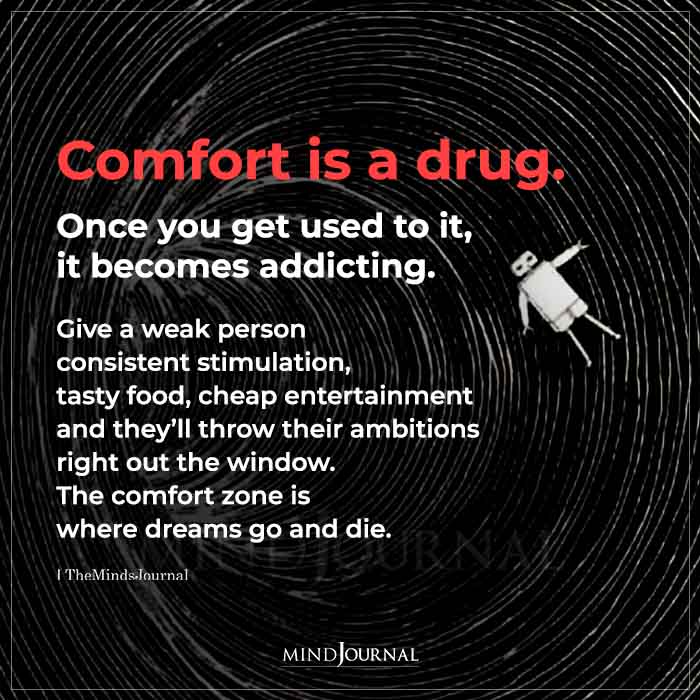


Comfort is a drug

But just as skeletal muscles have to push or pull against resistance to get stronger, the brain’s “muscles” (i.e., certain structures and neural pathways) must encounter resistance to benefit, too. Keep in mind it is often said that the path of least resistance usually goes someplace you don’t want to be.

Therefore, try to challenge yourself with mildly stressful activities — deliberate excursions beyond your comfort zone — on a regular basis. So, drive in the left lane instead of keeping to right; do a harder crossword puzzle than usual; start a conversation instead of keeping to yourself; assert yourself rather than saying nothing when someone bothers or upsets you, etc.

Related: 6 Lessons You Will Learn Only Outside Your Comfort Zone

Related to this is the importance of doing things differently and doing different things. This helps keep our minds flexible and nimble rather than rigid and narrow. Because just as we need to stretch our muscles and move our bodies to maintain our physical range of motion, our minds also benefit from “movement” which helps us keep our mental ROM.

So, do something different often. That is, introduce some change into familiar routines. For example, if you’re in the habit of sitting in the same place while watching TV, sit in a different place once in a while. If you always hold your coffee cup with your dominant hand, have a cup while using your other hand.

By mixing it up like this you again recruit pathways in the brain that are not as active as the ones used by the default behavior thus providing a flexible stimulus for your mind.

And do different things. Instead of doing the “same old, same old” do something different for a change. For instance, have some tea instead of coffee; wear different clothes than usual; hit the stationary bike instead of the elliptical at the gym; order some different dishes when you get takeout; etc. This, too, activates and stimulates the brain in novel ways which help keep the mind and psyche balanced and nimble.


By correcting these common mental mistakes, you will likely enhance your relationships, improve your self-esteem, and help your mind retain its maximum flexibility.

Remember: Think well, Act Well, Feel Well, Be well!

Dear Reader: The advertisements contained in this post do not necessarily reflect my opinions nor are they endorsed by me. — Clifford

Would you like to add any more common mental mistakes people make? Feel free to do so!

Copyright Clifford N. Lazarus, Ph.D. This post is for informational purposes only. It is not intended to be a substitute for professional assistance or personal mental health treatment by a qualified clinician.


Written by: Clifford N. Lazarus, Ph.D
Originally appeared on: Psychology Today
Republished with permission
common mental mistakes smart people make pin


Published On:

Last updated on:

Clifford Lazarus

"Dr. Clifford N. Lazarus is a licensed psychologist and Clinical Director of The Lazarus Institute. In addition to his general psychotherapy practice, Dr. Clifford Lazarus specializes in health and neuropsychology. Dr. Clifford Lazarus received his B.A., M.S., and Ph.D. in psychology from Rutgers University where he was a Henry Rutgers Research Scholar. From 1989 to 1994 he was the Associate Director of Princeton Biomedical Research, P.A., a leading facility dedicated to evaluating new generation psychiatric medications for pharmaceutical companies and the Food and Drug Administration. An internationally respected lecturer, Dr. Clifford Lazarus consults widely on matters of health psychology, evidence-based psychological treatment, and integrating medical and psychological treatments. In addition to his numerous professional publications, he has authored two popular books that have been translated into more than a dozen languages: Don’t Believe It For A Minute – Forty Toxic Ideas That Are Driving You Crazy; and The 60-Second Shrink – 101 Strategies For Staying Sane In a Crazy World. Dr. Clifford Lazarus has been honored by the Prescribing Psychologists’ Register for his outstanding contributions to the pioneering efforts of training in psychopharmacology for psychologists. In addition to his clinical and consultation work, from 1993 to 1998 Dr. Clifford Lazarus co-hosted a weekly, listener-call-in radio program “Mental Health Matters.”"

Disclaimer: The informational content on The Minds Journal have been created and reviewed by qualified mental health professionals. They are intended solely for educational and self-awareness purposes and should not be used as a substitute for professional medical advice, diagnosis, or treatment. If you are experiencing emotional distress or have concerns about your mental health, please seek help from a licensed mental health professional or healthcare provider.

Leave a Comment

Today's Horoscope

Daily Horoscope 3 April 2026: Prediction for Zodiac Signs

Daily Horoscope 3 April, 2026: Prediction For Each Zodiac Sign

You may find yourself noticing patterns, emotions, or even small wins you overlooked before.

Latest Quizzes

What Kind Of Karma Do You Have? 3 Markings Reveal Truths

3 Types of Karma Exist — Which One Were You Born With? Look for These Palm Signs

Spot an M, Y, or X on your palm? This hidden sign reveals your karma type!

Latest Quotes

Real Signs Your Body Is Actually in Good Health: How to Know You’re Truly Well

Real Signs Your Body Is Actually in Good Health: How to Know You’re Truly Well

Real signs your body is healthy don’t always show up on lab reports. From good sleep and clear skin to regular digestion and a stable mood, your body is constantly sending quiet signals of wellness.

Readers Blog

Caption This Image and Selected Wisepicks – 29 March 2026

Caption This Image and Selected Wisepicks – 29 March 2026

Ready to unleash your inner wordsmith? ✨??☺️ Now’s your chance to show off your wit, charm, or sheer genius in just one line! Whether it’s laugh-out-loud funny or surprisingly deep, we want to hear it.Submit your funniest, wittiest, or most thought-provoking caption in the comments. We’ll pick 15+ winners to be featured on our website…

Latest Articles

Being perfect is total crap that society imposes on us. Unlike popular belief, even smart people make mistakes. We all make mistakes and it’s important to realize them, take lessons and grow in life. Check out the common mental mistakes smart people make!


“At an early age I learned that people make mistakes, and you have to decide if their mistakes are bigger than your love for them.” ― Angie Thomas

people learn from mistakes

Here Are 3 Common Mental Mistakes Smart People Make:

1. Not Saying “YES”

One of the most common psychological mistakes people make is not saying “yes” enough to promote intimacy in important relationships. Indeed, one of the best ways to increase closeness and positive feelings in intimate relationships is by saying “yes” as much as possible.

It’s amazing to me how many people do not have their default setting on “yes” when asked to do something for their loved ones. Instead, they often hedge by saying “maybe,” “we’ll see,” “I’m not sure,” or some other noncommittal response.


When a loved one asks you to grant a favor or agree to a simple request unless you have a very good reason to say “no,” the only sensible response is to say “yes,” “sure,” “no problem,” or some other affirmative. Of course, if you’re asked to do something unreasonable, or clearly inappropriate, you can always decline despite having already said “yes.”

But too much of a good thing can be bad if someone often says “yes” when they’d really like to say “no,” and have a good reason for doing so.

Related: Healthy Disagreements: 11 Tips for Talking to Someone You Disagree With


2. Not Saying “NO”

Thus, not saying “no” enough or failing to be assertive is another one of the most common mental mistakes smart people make. That is, being too much of a people pleaser out of guilt or fear. Guilt if others become upset when they hear “no,” or fear they will withdraw or withhold their love if they don’t get what they want.

say no

When people get in touch with the fact that it’s really okay to take care of themselves and not feel it’s their job to manage other people’s emotions (unless they are one’s young children), they can be tactfully assertive without needless guilt.

If someone gets nasty or withdraws love because of not getting a “yes,” it suggests he or she has some significant personal problems, or the relationship was tenuous in the first place. As I often tell people in therapy, “I’m not sure what the universal formula for happiness is, but a sure-fire recipe for misery is to try to please or be liked by everyone.”

Related: Are You A People Pleaser?

3. Living In The Comfort Zone

Staying in one’s comfort zone and thus not recruiting important “mental muscles” is also one of the common mental mistakes smart people make.

People have a natural tendency to maintain familiar behavioral patterns and habits. Basically, this is always taking the path of least resistance because these well-worn routines are as easy as they are comfortable.


Comfort is a drug

But just as skeletal muscles have to push or pull against resistance to get stronger, the brain’s “muscles” (i.e., certain structures and neural pathways) must encounter resistance to benefit, too. Keep in mind it is often said that the path of least resistance usually goes someplace you don’t want to be.

Therefore, try to challenge yourself with mildly stressful activities — deliberate excursions beyond your comfort zone — on a regular basis. So, drive in the left lane instead of keeping to right; do a harder crossword puzzle than usual; start a conversation instead of keeping to yourself; assert yourself rather than saying nothing when someone bothers or upsets you, etc.

Related: 6 Lessons You Will Learn Only Outside Your Comfort Zone

Related to this is the importance of doing things differently and doing different things. This helps keep our minds flexible and nimble rather than rigid and narrow. Because just as we need to stretch our muscles and move our bodies to maintain our physical range of motion, our minds also benefit from “movement” which helps us keep our mental ROM.

So, do something different often. That is, introduce some change into familiar routines. For example, if you’re in the habit of sitting in the same place while watching TV, sit in a different place once in a while. If you always hold your coffee cup with your dominant hand, have a cup while using your other hand.

By mixing it up like this you again recruit pathways in the brain that are not as active as the ones used by the default behavior thus providing a flexible stimulus for your mind.

And do different things. Instead of doing the “same old, same old” do something different for a change. For instance, have some tea instead of coffee; wear different clothes than usual; hit the stationary bike instead of the elliptical at the gym; order some different dishes when you get takeout; etc. This, too, activates and stimulates the brain in novel ways which help keep the mind and psyche balanced and nimble.


By correcting these common mental mistakes, you will likely enhance your relationships, improve your self-esteem, and help your mind retain its maximum flexibility.

Remember: Think well, Act Well, Feel Well, Be well!

Dear Reader: The advertisements contained in this post do not necessarily reflect my opinions nor are they endorsed by me. — Clifford

Would you like to add any more common mental mistakes people make? Feel free to do so!

Copyright Clifford N. Lazarus, Ph.D. This post is for informational purposes only. It is not intended to be a substitute for professional assistance or personal mental health treatment by a qualified clinician.


Written by: Clifford N. Lazarus, Ph.D
Originally appeared on: Psychology Today
Republished with permission
common mental mistakes smart people make pin


Published On:

Last updated on:

Clifford Lazarus

"Dr. Clifford N. Lazarus is a licensed psychologist and Clinical Director of The Lazarus Institute. In addition to his general psychotherapy practice, Dr. Clifford Lazarus specializes in health and neuropsychology. Dr. Clifford Lazarus received his B.A., M.S., and Ph.D. in psychology from Rutgers University where he was a Henry Rutgers Research Scholar. From 1989 to 1994 he was the Associate Director of Princeton Biomedical Research, P.A., a leading facility dedicated to evaluating new generation psychiatric medications for pharmaceutical companies and the Food and Drug Administration. An internationally respected lecturer, Dr. Clifford Lazarus consults widely on matters of health psychology, evidence-based psychological treatment, and integrating medical and psychological treatments. In addition to his numerous professional publications, he has authored two popular books that have been translated into more than a dozen languages: Don’t Believe It For A Minute – Forty Toxic Ideas That Are Driving You Crazy; and The 60-Second Shrink – 101 Strategies For Staying Sane In a Crazy World. Dr. Clifford Lazarus has been honored by the Prescribing Psychologists’ Register for his outstanding contributions to the pioneering efforts of training in psychopharmacology for psychologists. In addition to his clinical and consultation work, from 1993 to 1998 Dr. Clifford Lazarus co-hosted a weekly, listener-call-in radio program “Mental Health Matters.”"

Leave a Comment

    Leave a Comment