

The phrase ‘peacock parent’ sounds almost beautiful at first, doesn’t it? You may think about bright hues. But in psychology, the meaning is very different. It has to do with an upbringing that wasn’t emotionally healthy. Read on to know more…
So, what is a peacock parent?
A peacock parent is someone who needs admiration, control, or emotional focus so strongly that their child’s needs slowly fade into the background.
Therapist Kathleen Saxton explores this pattern in her book My Parent The Peacock, describing a subtle form of peacock parenting that often looks normal on the outside, but feels confusing, heavy, or guilt-filled on the inside.
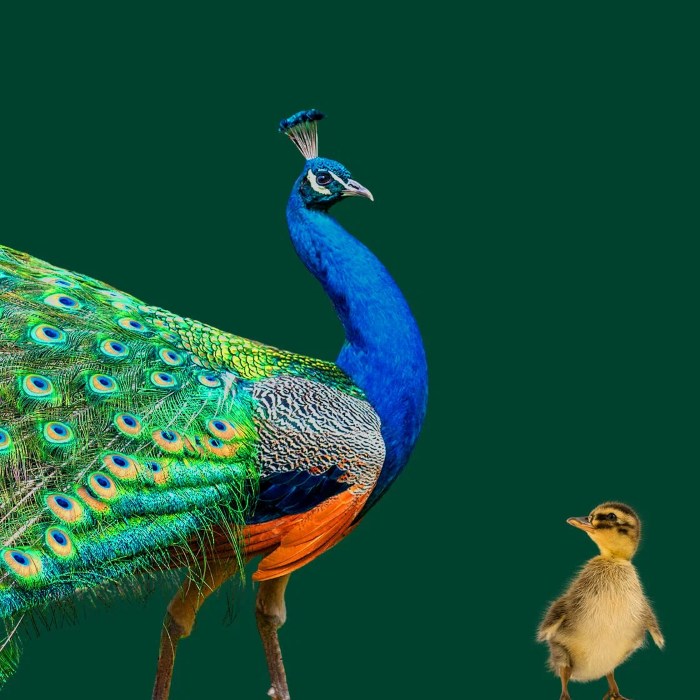
Reports discussed by The Guardian suggest many children raised this way grow up in homes where love feels conditional, emotions are dismissed, and blame quietly shifts onto them. And the hardest part? You may not realize anything was wrong until adulthood.
Read More Here: FAFO Parenting: Is This Tough-Love Trend Teaching Kids Real-Life Lessons?
The child’s feelings, boundaries, and needs often come second to the parent’s image, pride, or emotional validation. The result is a relationship that looks normal on the surface but feels confusing or draining underneath
So how do you actually recognize this narcissist parenting style when it was disguised as “normal”? Below are 4 major signs.
Four Signs You Were Raised by a Peacock Parent
1. They Refuse to Take Responsibility
In homes shaped by peacock parenting, accountability is often missing. Hurtful moments are minimized, redirected, or quietly reframed so the parent does not have to face their own behavior. Over time, this teaches a child that their emotional pain is less important than maintaining the parent’s comfort or image.
As this pattern repeats, many children begin to question whether their reactions are valid at all. In adulthood, this can appear as chronic self-doubt, a tendency to downplay personal hurt, or difficulty recognizing when someone else has crossed a line. Learning what genuine responsibility and repair look like may become an important part of healing later in life.
2. You Were Told You’re Too Sensitive
Children raised in peacock parenting environments frequently grow up feeling that their emotions are excessive or unreliable. Repeated dismissal of feelings does more than silence a child in the moment, it gradually weakens their trust in their own inner experience. This subtle form of gaslighting can shape how someone understands memory, conflict, and emotional safety for years to come.
As adults, they may hesitate to speak up when something feels wrong, worry about being perceived as dramatic, or constantly analyze whether their reactions are justified. What once functioned as a survival strategy becomes an ongoing pattern of self-questioning that is difficult to unlearn without conscious awareness.
3. Boundaries Were Ignored or Punished
Healthy independence is meant to be encouraged as children grow, yet within a narcissist parenting dynamic it can feel threatening to the parent’s sense of control or importance. Attempts to create privacy, express disagreement, or develop autonomy may have been met with guilt, emotional withdrawal, or pressure to return to compliance.
Because safety was linked to staying emotionally available, many individuals carry confusion about boundaries into adulthood. They may feel responsible for regulating other people’s moods, struggle to say no without intense guilt, or tolerate situations that drain them simply to avoid conflict. The nervous system learns early that protecting oneself risks losing connection.
4. They Felt Entitled to Your Time and Affection
A peacock parent often experiences the child as an extension of themselves rather than a separate individual with independent needs and relationships. Attention, loyalty, and emotional closeness may be treated as obligations instead of choices. This can lead to jealousy around friendships, discomfort with romantic partners, or subtle competition with the child’s achievements and independence.
Rather than feeling celebrated for growing into their own life, the child may sense that separation causes emotional harm to the parent. In adulthood, this frequently becomes a deep-rooted sense of responsibility for other people’s happiness, difficulty prioritizing personal needs, and persistent guilt when choosing oneself. The emotional weight of feeling responsible for another person’s wellbeing can linger long after childhood has ended.
Read More Here: The Scapegoat Child: 5 Reasons Why Narcissistic Parents Choose One Child To Break First
The Part Most People Don’t Talk About: Healing
Realizing you experienced peacock parenting can feel equal parts validating and painful. And healing usually begins with:
- trusting your emotions again
- setting boundaries without guilt
- letting go of responsibility that was never yours
- finding support that feels safe and steady
You’re not broken.
You were adapting.
And adaptation can always be unlearned.
Healing from peacock parenting is rarely instant, but each small step toward self-respect and emotional clarity creates a life that feels lighter, steadier, and truly your own.


Leave a Comment