
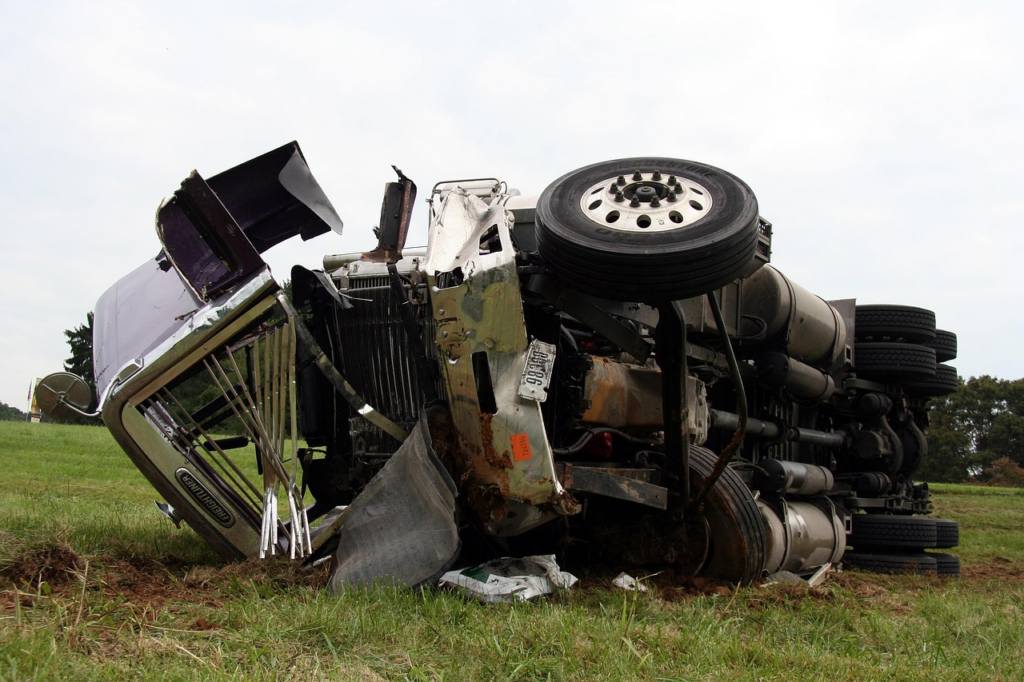
What changes after you survive a serious truck accident? For many people, the answer is everything. Driving can feel different, sleep can become more challenging, and the sense of safety you once took for granted can disappear overnight.
If you are wondering why you still feel shaken weeks or even months later, there are real psychological reasons behind it. In this article, you will learn how surviving a serious truck accident can affect your mental health and which steps can help you rebuild your life.
The Psychological Impact of Surviving a Serious Truck Accident
Collisions involving large commercial trucks are often more catastrophic than typical car crashes. The size, weight, and force involved can leave survivors feeling powerless and overwhelmed.
These crashes can be a significant trigger for post-traumatic stress symptoms. Flashbacks, nightmares, and intense anxiety behind the wheel are common trauma responses. When routine tasks like driving to the store spark panic, everyday independence can feel out of reach.
Common psychological effects include:
- Post-traumatic stress disorder with intrusive memories
- Driving-related anxiety or panic attacks
- Depression tied to chronic pain or lifestyle changes
Family members may notice irritability, sleep disruption, or withdrawal. Recognizing these patterns early helps prevent long-term isolation.
It can be challenging to rebuild your life after a serious truck accident. But taking the following steps can undoubtedly help you get back on track.
Seek Professional Mental Health Support Early
Trying to suppress trauma often intensifies symptoms. Trauma-informed therapy offers structured tools to process fear and regain control. Early intervention can significantly reduce the severity and duration of post-traumatic stress.
Serious accidents frequently lead to symptoms such as hypervigilance and avoidance behaviors. Avoiding highways or refusing to ride in vehicles may feel protective, yet it can shrink your world over time. Working with a licensed therapist helps you face those triggers safely.
Modalities such as cognitive-behavioral therapy and EMDR are commonly used for crash survivors. Also, support groups can provide reassurance that your reactions are shared by others who have endured similar trauma.
Reclaim Daily Routines One Step at a Time
Rebuilding confidence requires small, consistent action. Sitting in a parked car, taking a short drive with a trusted friend, or practicing relaxation techniques before commuting can ease your nervous system back into routine.
Physical rehabilitation also plays a major role. Lingering pain can worsen irritability and hopelessness. Staying consistent with medical appointments reinforces progress and restores a sense of agency.
Progress rarely follows a straight line. Some days will feel empowering, while others may reopen fear. Patience with yourself is part of the healing process.
Consult a Lawyer to Optimize Compensation
Emotional recovery becomes harder when financial pressure builds. Medical bills, therapy costs, and lost income can add constant stress to an already fragile situation. In the United States, serious commercial truck accidents often involve complex investigations involving trucking companies, driver logs, and federal safety regulations.
For victims in Colorado, especially in cities like Denver, securing experienced legal help can be essential to recover compensation for medical treatment, therapy, lost wages, and long-term recovery needs. Firms such as Cheney Galluzzi & Howard LLC provides aggressive truck accident legal representation to help injured victims investigate crashes, determine liability, and pursue compensation for both economic and non-economic damages.
An experienced legal team can investigate trucking companies, examine driver logs, and negotiate assertively with insurance carriers to help victims secure the financial support needed for recovery.
Moving Forward After a Serious Truck Accident
Surviving a serious truck accident can reshape your daily life, but it does not eliminate your ability to rebuild it. Addressing the psychological impact with professional support, gradual exposure, and a strong legal strategy creates a balanced path forward.
If you found this article to be helpful, make sure you check out our other informative blog posts!


Leave a Comment