
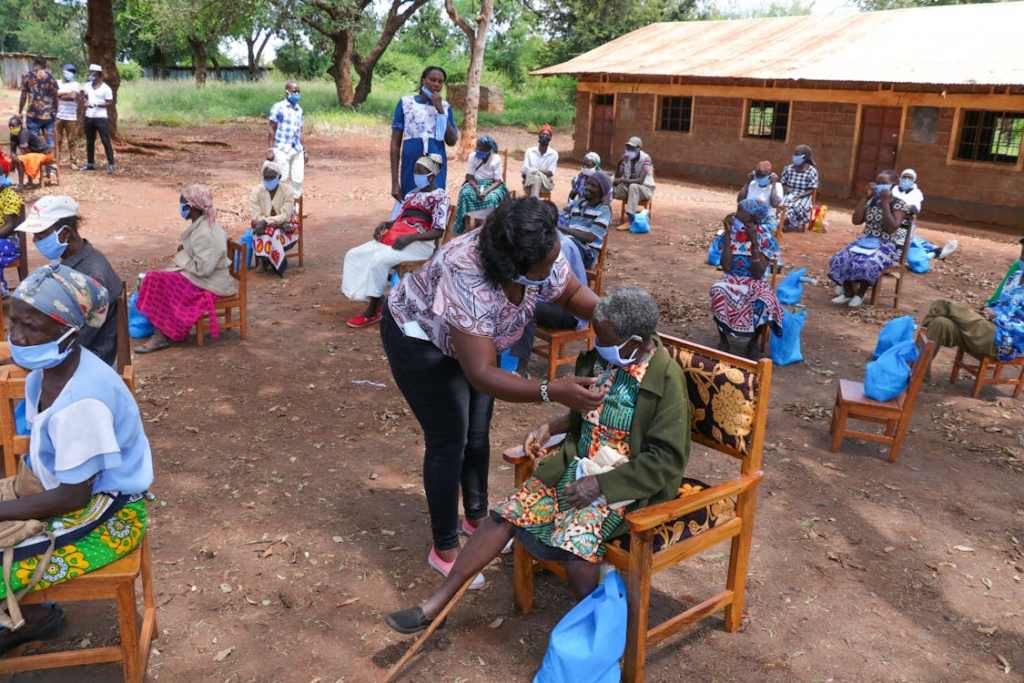
Have you ever thought about why two neighborhoods in the same place can have completely different health outcomes? One has lower rates of diabetes, better mental health services, and longer life expectancy. The other struggles with preventable illness. Community health is not only about hospitals or doctors. It depends on knowledge, leadership, and practical expertise. Building that expertise has become a major priority as societies face rising chronic disease, climate threats, and aging populations. Understanding how skilled professionals improve community health helps explain why training and local action matter more than ever.
Why Expertise Matters in Community Health
Community health problems rarely come from a single cause. A spike in asthma cases might involve pollution, housing quality, and limited clinic access. Without trained professionals who can connect those dots, solutions often miss the real issue. Expertise helps communities move beyond guesswork and toward practical action.
Recent events highlight this clearly. During the COVID-19 pandemic, places with strong public health leadership organized vaccination drives, clear messaging, and local partnerships much faster. The lesson was simple: expertise turns good intentions into real results. Skilled professionals understand data, policy, and human behavior, which allows them to design programs that people will actually use.
Training the Next Generation of Public Health Leaders
Communities need leaders who understand both science and social realities. Public health training now focuses on leadership, research skills, and communication with diverse groups. Programs emphasize real world problems such as opioid misuse, food insecurity, and environmental health.
Many professionals are strengthening their knowledge through advanced programs such as a DrPH online, which allows working health workers to study leadership, epidemiology, and policy without leaving their communities. This kind of training expands expertise where it is needed most. Instead of concentrating knowledge in major cities or universities, professionals in local health departments and nonprofits can apply advanced skills directly to community challenges.
Data Is the Backbone of Smarter Decisions
Effective community health work begins with understanding what is actually happening on the ground. Data reveals patterns that might otherwise remain hidden. For example, hospital visits may show rising heart disease in a specific neighborhood long before residents recognize the trend.
Public health professionals now use tools like geographic mapping, community surveys, and electronic health records to identify risk factors. Cities such as Chicago and Los Angeles have used neighborhood level data to target food access programs and mobile clinics. When data guides decisions, resources reach the communities that need them most rather than spreading thin across an entire region.
Local Partnerships Create Real Change
Community health rarely improves through government action alone. Real progress happens when local groups work together. Schools, churches, nonprofits, and small businesses all influence daily health choices. Public health experts help these groups coordinate their efforts.
Consider programs that reduce childhood obesity. Success often involves schools improving lunch options, city planners creating safe walking paths, and local markets offering affordable fresh food. Each partner contributes a small piece of the solution. Skilled professionals bring these pieces together, ensuring that health initiatives fit local culture and everyday routines rather than feeling like outside interventions.
Communication Can Be as Important as Medicine
Knowledge alone does not improve health if people cannot understand or trust the message. Public health professionals must translate complex science into clear information that everyday residents can use. This skill became extremely visible during the pandemic when confusing messages often slowed vaccination efforts.
Good communication means listening first. Community leaders who ask residents about concerns and barriers build stronger trust. Clear language, relatable examples, and transparency help residents feel included in the process. When people understand why a recommendation matters, they are more likely to follow it and share it with others.
Addressing Social Factors That Shape Health
Health outcomes often depend on factors far beyond medical care. Housing quality, transportation, employment, and education all shape whether people can live healthy lives. Public health expertise focuses on these broader influences rather than treating illness alone.
For example, improving asthma rates might involve fixing mold problems in apartment buildings or reducing traffic pollution near schools. Addressing diabetes may include expanding access to affordable groceries and safe places to exercise. Professionals trained in community health recognize these connections and design solutions that tackle root causes instead of temporary symptoms.
Technology Is Expanding Community Health Tools
Technology is changing how communities track and respond to health challenges. Mobile health apps help patients monitor chronic conditions. Telehealth allows rural residents to consult specialists without traveling long distances. Public health teams also use digital dashboards to track outbreaks and vaccination progress in real time.
However, technology works best when paired with human expertise. A digital tool cannot build trust or understand local culture on its own. Skilled professionals ensure that technology supports real community needs rather than becoming another complicated system that residents struggle to use.
Practical Steps Communities Can Take Today
Improving community health outcomes does not always require massive funding. Often it begins with simple, focused actions supported by knowledgeable professionals. Local health departments can start by conducting regular community health assessments to identify the most urgent problems.
Training programs for community health workers also make a significant difference. These workers often come from the neighborhoods they serve, which helps them connect with residents more effectively. Partnerships with schools, faith organizations, and local businesses can expand health education efforts. When communities combine expertise, local knowledge, and consistent action, even small initiatives can lead to long term improvements in public health.
Community health improvement is rarely dramatic or immediate. It grows through steady learning, collaboration, and leadership. The stronger the expertise within a community, the better prepared it becomes to face the health challenges of the future.


Leave a Comment