10 Honest Reactions Of Children To Divorce

Author : Ann Gold Buscho Ph.D.

When two people divorce, we think about how they might be feeling about the breakdown of their marriage. What about the reactions of children to divorce? How does a child cope with divorce? How do children react to divorce? Let’s find out!

When your children experience your divorce, their reactions will vary depending on their ages, personalities, family dynamics, and the circumstances of the divorce. Some children will experience immediate distress, while others may not show signs of distress until later. Some children internalize their emotions and appear more resilient than they are.

However, the biggest factor affecting their reactions is the level of conflict between you and your spouse. Even if your children don’t witness conflict, they can sense it, even in the way that you hug them.

Related: 7 Tips for Communicating with Your Children About Your Divorce

The Most Common Reactions Of Children To Divorce

1. Anxiety, worry, and fear.

The uncertainty of how life will change causes stress. Children may fear losing a parent or moving from the neighborhood. Reassure them about what will change and what will stay the same, but don’t make promises that you may not be able to keep.

Reactions of children to divorce

2. Anger.

Children may blame you, your spouse, or both of you for “breaking up our family.” They may be frustrated that they have no control over the decisions that you and your spouse will make.

If possible, validate the emotions but use language such as “We did our best and we are all sad,” or “We believe this is what is best for our family.” Using “we” conveys to the children that no single person is to blame.

3. Sadness and grief.

For children, the upset and sadness can be overwhelming as they grieve the loss of the intact family structure. They may struggle to adjust to the changes as you and your spouse share parenting time. It can be reassuring to tell them that you are “still a family under two roofs.”

4. Confusion, guilt, and self-blame.

Young children may be especially confused as they cannot understand the reasons for the divorce or what it means for them. They may feel torn between their parents. Children often blame themselves for the separation, thinking that they may have caused it by their behavior.

Or they may believe that they could have done something to prevent the divorce. It’s important to let children know that they didn’t cause the divorce, they can’t change it, and they can’t make their parents reconcile by “being good.”

It’s also important to let them know that they can love both parents and never have to choose between them.

Related: 10 Tips For Healing A Child’s Heart After Divorce

5. A desire for reconciliation.

Many children wish and pray for their parents to reconcile, even when it is unrealistic. While it is important to acknowledge their feelings, it is also important to help them accept the new reality.

6. Withdrawal and isolation.

Children may cope with the divorce by withdrawing as a way to avoid the pain of the situation. They may refuse to talk about their feelings although they are struggling to come to terms with them.

Other children cope with their emotions through fantasy play or daydreaming as a way to escape the daily stress. Reassure your children that even if they don’t want to talk about feelings now, you will always welcome questions or conversations that will help them adapt to the changes.

Without pressuring them to talk, you might say “Some kids feel sad, angry, or scared, and those are all normal feelings.”
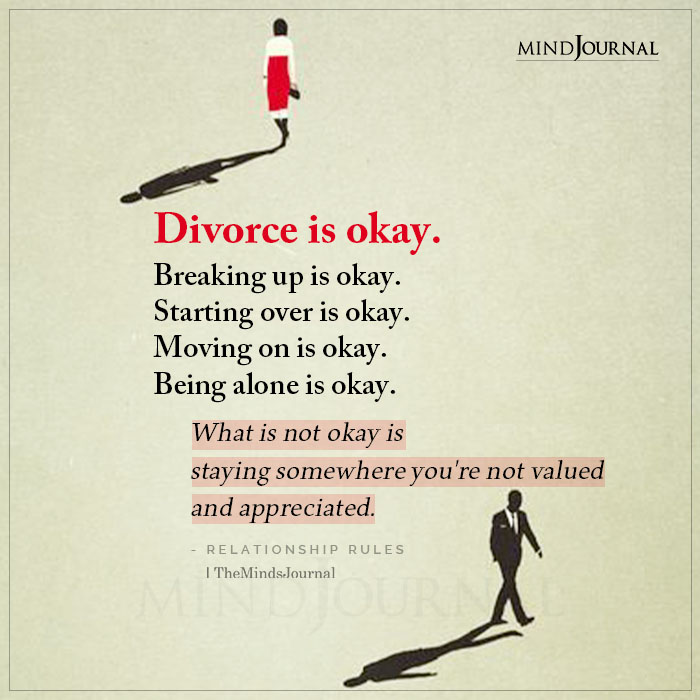
Reactions of children to divorce

7. School or behavioral problems.

Some kids may act out at school, get in trouble, neglect schoolwork, or begin to withhold information about their academics. Their grades may slip, and they may appear to lose interest in school.

It may seem that they stop caring about it. It is important to let the school know about the changes in the family, and you may need to work with the school to develop more support for your child at school.

Other children may act out more at home, seeking attention from one or both parents, with an unconscious goal of reuniting their parents. Often these reactions are temporary, but for some children, it can mean that they are developing a depression that needs to be addressed with counseling.

8. Changes in sleep or eating habits, or regression.

Younger children may regress, demanding more attention, bedwetting, becoming more clingy, and behaving in ways that they had previously outgrown. Children may have trouble sleeping, experience nightmares, or want to sleep with their parents.

They may also change their eating habits, eating more or less than before. Some children will develop eating disorders due to the stress they are experiencing.

9. Attachment and loyalty issues.

Younger children may have separation anxiety as they adjust to custody schedules. They may feel pulled into loyalty tests or conflicts, especially if they feel that one parent is more vulnerable, or recruiting them to be messengers, spies, confidantes, or allies.

This commonly occurs when parents continue to have an adversarial relationship. The most important things you can do are end the conflict with your co-parent and protect your children from assuming these roles.

Older children may have difficulty trusting new relationships if/when you start to date, or when they begin to explore romantic relationships. They may fear abandonment or failure in relationships.

Related: 5 Situations When Divorce Is The Best Parenting Decision You Can Make

10. Relief.

If your marriage was violent, highly stressful, or unstable your children may be relieved when you divorce. However, they may also experience other reactions listed here, despite their relief at the end of the marriage.

Every child is different, and every divorce is unique. Your children will need your emotional support, reassurance, and understanding. If they experience this from the significant adults in their lives (grandparents, caregivers, teachers) they will, over time, cope with the stress of the divorce and adapt to the new changes.

Consider professional counseling for them, or family therapy, if they show worsening signs of these reactions so that they can learn healthy ways to cope with their emotions and the new family dynamics. This will help them build resiliency.

Want to know more about how do children react to divorce? Check this video out below!

© Ann Gold Buscho, Ph.D. 2023

Check out more of Ann Gold Buscho’s works on her blog here.


Written By Ann Gold Buscho Ph.D.  
Originally Appeared On Psychology Today
how do children react to divorce

Published On:

Last updated on:

Ann Gold Buscho Ph.D.

Dr. Buscho is a licensed clinical psychologist who specializes in family issues and issues related to divorce, parenting, parenting planning, and co-parenting counseling. She has professional and personal experience in nesting, co-parenting, step-parenting, and single-parenting issues. She has presented widely at the state and national conferences for attorneys, mental health professionals, and financial professionals on collaborative divorce, forgiveness practices, nesting during divorce, and consensual dispute resolution. Dr. Buscho is also a co-founder of a residential treatment program for traumatized emergency responders and their families at which she volunteers regularly.

Disclaimer: The informational content on The Minds Journal have been created and reviewed by qualified mental health professionals. They are intended solely for educational and self-awareness purposes and should not be used as a substitute for professional medical advice, diagnosis, or treatment. If you are experiencing emotional distress or have concerns about your mental health, please seek help from a licensed mental health professional or healthcare provider.

Leave a Comment

Today's Horoscope

Weekly Horoscope PART one

Weekly Horoscope 15 March to 21 March 2026

Read your zodiac sign’s prediction to understand the energy surrounding you and how to make the most of the days ahead!

Latest Quizzes

Interesting Finger Personality Test: 4 Finger Lines

Finger Personality Test: Join Your Fingers And Reveal A Hidden Personality Secret!

Look closely at your finger lines. Which pattern do you see? This personality test might surprise you!

Latest Quotes

How Men Show Love Through Actions (Male Psychology in Relationships)

How Men Show Love Through Actions (Male Psychology in Relationships)

Male psychology in relationships shows that men express love through presence, protection, and peace more than poetry. Decode his actions so you can see how deeply he actually cares.

Readers Blog

Caption This Image and Selected Wisepicks – 15 March 2026

Caption This Image and Selected Wisepicks – 15 March 2026

Ready to unleash your inner wordsmith? ✨??☺️ Now’s your chance to show off your wit, charm, or sheer genius in just one line! Whether it’s laugh-out-loud funny or surprisingly deep, we want to hear it.Submit your funniest, wittiest, or most thought-provoking caption in the comments. We’ll pick 15+ winners to be featured on our website…

Latest Articles

When two people divorce, we think about how they might be feeling about the breakdown of their marriage. What about the reactions of children to divorce? How does a child cope with divorce? How do children react to divorce? Let’s find out!

When your children experience your divorce, their reactions will vary depending on their ages, personalities, family dynamics, and the circumstances of the divorce. Some children will experience immediate distress, while others may not show signs of distress until later. Some children internalize their emotions and appear more resilient than they are.

However, the biggest factor affecting their reactions is the level of conflict between you and your spouse. Even if your children don’t witness conflict, they can sense it, even in the way that you hug them.

Related: 7 Tips for Communicating with Your Children About Your Divorce

The Most Common Reactions Of Children To Divorce

1. Anxiety, worry, and fear.

The uncertainty of how life will change causes stress. Children may fear losing a parent or moving from the neighborhood. Reassure them about what will change and what will stay the same, but don’t make promises that you may not be able to keep.

Reactions of children to divorce

2. Anger.

Children may blame you, your spouse, or both of you for “breaking up our family.” They may be frustrated that they have no control over the decisions that you and your spouse will make.

If possible, validate the emotions but use language such as “We did our best and we are all sad,” or “We believe this is what is best for our family.” Using “we” conveys to the children that no single person is to blame.

3. Sadness and grief.

For children, the upset and sadness can be overwhelming as they grieve the loss of the intact family structure. They may struggle to adjust to the changes as you and your spouse share parenting time. It can be reassuring to tell them that you are “still a family under two roofs.”

4. Confusion, guilt, and self-blame.

Young children may be especially confused as they cannot understand the reasons for the divorce or what it means for them. They may feel torn between their parents. Children often blame themselves for the separation, thinking that they may have caused it by their behavior.

Or they may believe that they could have done something to prevent the divorce. It’s important to let children know that they didn’t cause the divorce, they can’t change it, and they can’t make their parents reconcile by “being good.”

It’s also important to let them know that they can love both parents and never have to choose between them.

Related: 10 Tips For Healing A Child’s Heart After Divorce

5. A desire for reconciliation.

Many children wish and pray for their parents to reconcile, even when it is unrealistic. While it is important to acknowledge their feelings, it is also important to help them accept the new reality.

6. Withdrawal and isolation.

Children may cope with the divorce by withdrawing as a way to avoid the pain of the situation. They may refuse to talk about their feelings although they are struggling to come to terms with them.

Other children cope with their emotions through fantasy play or daydreaming as a way to escape the daily stress. Reassure your children that even if they don’t want to talk about feelings now, you will always welcome questions or conversations that will help them adapt to the changes.

Without pressuring them to talk, you might say “Some kids feel sad, angry, or scared, and those are all normal feelings.”

Reactions of children to divorce

7. School or behavioral problems.

Some kids may act out at school, get in trouble, neglect schoolwork, or begin to withhold information about their academics. Their grades may slip, and they may appear to lose interest in school.

It may seem that they stop caring about it. It is important to let the school know about the changes in the family, and you may need to work with the school to develop more support for your child at school.

Other children may act out more at home, seeking attention from one or both parents, with an unconscious goal of reuniting their parents. Often these reactions are temporary, but for some children, it can mean that they are developing a depression that needs to be addressed with counseling.

8. Changes in sleep or eating habits, or regression.

Younger children may regress, demanding more attention, bedwetting, becoming more clingy, and behaving in ways that they had previously outgrown. Children may have trouble sleeping, experience nightmares, or want to sleep with their parents.

They may also change their eating habits, eating more or less than before. Some children will develop eating disorders due to the stress they are experiencing.

9. Attachment and loyalty issues.

Younger children may have separation anxiety as they adjust to custody schedules. They may feel pulled into loyalty tests or conflicts, especially if they feel that one parent is more vulnerable, or recruiting them to be messengers, spies, confidantes, or allies.

This commonly occurs when parents continue to have an adversarial relationship. The most important things you can do are end the conflict with your co-parent and protect your children from assuming these roles.

Older children may have difficulty trusting new relationships if/when you start to date, or when they begin to explore romantic relationships. They may fear abandonment or failure in relationships.

Related: 5 Situations When Divorce Is The Best Parenting Decision You Can Make

10. Relief.

If your marriage was violent, highly stressful, or unstable your children may be relieved when you divorce. However, they may also experience other reactions listed here, despite their relief at the end of the marriage.

Every child is different, and every divorce is unique. Your children will need your emotional support, reassurance, and understanding. If they experience this from the significant adults in their lives (grandparents, caregivers, teachers) they will, over time, cope with the stress of the divorce and adapt to the new changes.

Consider professional counseling for them, or family therapy, if they show worsening signs of these reactions so that they can learn healthy ways to cope with their emotions and the new family dynamics. This will help them build resiliency.

Want to know more about how do children react to divorce? Check this video out below!

© Ann Gold Buscho, Ph.D. 2023

Check out more of Ann Gold Buscho’s works on her blog here.


Written By Ann Gold Buscho Ph.D.  
Originally Appeared On Psychology Today
how do children react to divorce

Published On:

Last updated on:

Ann Gold Buscho Ph.D.

Dr. Buscho is a licensed clinical psychologist who specializes in family issues and issues related to divorce, parenting, parenting planning, and co-parenting counseling. She has professional and personal experience in nesting, co-parenting, step-parenting, and single-parenting issues. She has presented widely at the state and national conferences for attorneys, mental health professionals, and financial professionals on collaborative divorce, forgiveness practices, nesting during divorce, and consensual dispute resolution. Dr. Buscho is also a co-founder of a residential treatment program for traumatized emergency responders and their families at which she volunteers regularly.

Leave a Comment

    Leave a Comment